
CHLORINE LIME
In Stock
Highlights:
CHLORINE LIME
Premium Quality Chlorine Lime – High-Efficiency Calcium Hypochlorite-Based Disinfectant & Advanced Oxidizing Agent for Water Treatment, Municipal Systems, Industrial Applications & Swimming Pool Sanitation
✅ Premium Disinfectant – Superior Pathogen & Algae Elimination With Stable Chlorine Release
✅ High Available Chlorine Content – 65-70% Available Chlorine for Maximum Sanitization Efficiency
✅ Excellent Performance Properties – Wide pH Range Effectiveness, Rapid Action, Superior Results
✅ Multi-Application Compatible – Enhanced Water Treatment, Pool Sanitation, Industrial Processing & Municipal Systems
✅ Quality Assured – Established Performance Guidelines Supporting Optimal Disinfection Results
Description
High-Quality Chlorine Lime
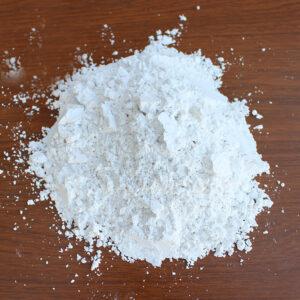
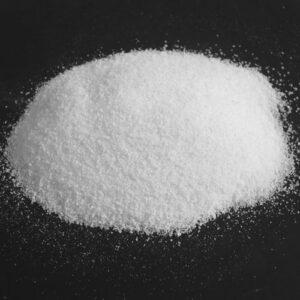
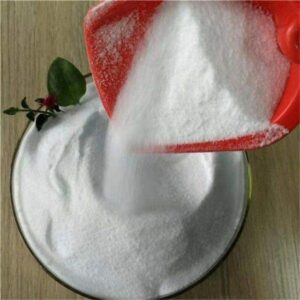
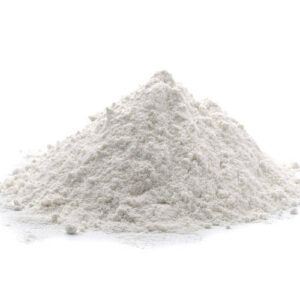
Chlorine Lime, with chemical formula Ca(OCl)₂ and CAS number 7778-54-3, commonly known as Bleaching Powder or Calcium Hypochlorite, containing high-purity calcium hypochlorite with available chlorine content typically ranging from 65-70%, is a specialized high-performance calcium-based disinfectant appearing as white to light gray granular powder with excellent stability and outstanding sanitization properties. Chlorine Lime is specifically manufactured to provide reliable chlorine release characteristics, making it ideal for applications requiring effective pathogen elimination, such as drinking water treatment, swimming pool sanitation, industrial water processing, and emergency disinfection. The compound works through the release of hypochlorous acid (HOCl) when dissolved in water, which penetrates microbial cell walls, disrupts cellular processes, and provides broad-spectrum antimicrobial activity against bacteria, viruses, fungi, and algae. Chlorine Lime represents one of the most widely used and cost-effective disinfectants in the water treatment industry, providing exceptional pathogen control, superior oxidation capacity, excellent stability during storage, and outstanding pH buffering capacity, making it essential for municipal drinking water plants, swimming pool facilities, industrial water treatment, wastewater treatment operations, and emergency sanitation applications requiring high-performance disinfection characteristics and reliable chlorine availability.
At Chemicals & Process Equipment Limited, we supply high-performance Chlorine Lime manufactured under stringent quality control standards and international water treatment, swimming pool, industrial, and disinfection specifications. Our comprehensive product range includes various concentrations, purity grades, and specialized formulations meeting diverse requirements for drinking water treatment, pool sanitization, industrial water processing, emergency disinfection, and specialized chemical applications across global water treatment, recreational, industrial, and municipal markets.
✅ Advanced Chlorine Disinfection Technology – Optimized Purity & Multi-Industry Applications
✅ Consistent Quality Standards – Multiple Product Classifications with Comprehensive Documentation
✅ Essential Disinfection Chemical – Superior Municipal, Pool, Industrial & Emergency Performance
✅ Multi-Industry Applications – Water Treatment, Pool Sanitation, Industrial Processing, Emergency Response
✅ Technical Support Package – Complete Application Guidance & Performance Optimization
The global calcium hypochlorite market was valued at approximately USD 1.2 billion in 2023 and is projected to reach USD 1.7 billion by 2030, growing at a CAGR of 5.1% during the forecast period. Market expansion is driven by increasing water treatment requirements, growing swimming pool industry, expanding industrial wastewater processing needs, and rising demand for emergency disinfection solutions requiring reliable chlorine-based sanitizers.
Technical Specifications & Chlorine Lime Properties
| Property | Standard Grade | Pool Grade | Municipal Grade | Drinking Water | Industrial Grade | Emergency Grade |
|---|---|---|---|---|---|---|
| Available Chlorine (%) | 65-68 | 68-70 | 67-70 | 68-70 | 60-68 | 65-70 |
| Ca(OCl)₂ Content (%) | 70-75 | 72-75 | 73-75 | 74-76 | 65-75 | 70-75 |
| Moisture Content (%) | <2.0 | <1.0 | <0.8 | <0.5 | <3.0 | <2.0 |
| CaCl₂ Content (%) | <5.0 | <3.0 | <2.5 | <2.0 | <8.0 | <6.0 |
| Ca(OH)₂ Content (%) | <8.0 | <5.0 | <4.0 | <3.0 | <12.0 | <10.0 |
| Water Insoluble (%) | <1.0 | <0.5 | <0.3 | <0.2 | <2.0 | <1.5 |
| pH (1% solution) | 10.5-11.5 | 11.0-11.8 | 11.2-11.6 | 11.3-11.5 | 10.0-12.0 | 10.8-11.8 |
| Bulk Density (kg/m³) | 800-1000 | 850-950 | 900-950 | 920-950 | 750-1100 | 800-1000 |
| Particle Size (mesh) | 20-80 | 40-100 | 60-120 | 80-140 | 10-100 | 20-80 |
| Color | White/Gray | White | White | White | Light Gray | Off-White |
| Appearance | Granular | Fine granules | Fine powder | Fine powder | Granular | Granular |
| Stability (% loss/month) | <2.0 | <1.5 | <1.0 | <0.8 | <3.0 | <2.5 |
| Dissolving Time (min) | 5-15 | 3-8 | 2-5 | 1-3 | 10-20 | 5-15 |
| Chlorine Demand (ppm) | 0.5-2.0 | 0.3-1.0 | 0.2-0.8 | 0.1-0.5 | 1.0-3.0 | 0.5-2.0 |
| Heavy Metals (ppm) | <50 | <20 | <10 | <5 | <100 | <30 |
| Iron (Fe) (ppm) | <20 | <10 | <5 | <2 | <50 | <15 |
| Lead (Pb) (ppm) | <10 | <5 | <2 | <1 | <20 | <8 |
| Arsenic (As) (ppm) | <5 | <2 | <1 | <0.5 | <10 | <3 |
| Mercury (Hg) (ppm) | <1 | <0.5 | <0.2 | <0.1 | <2 | <0.8 |
| Cadmium (Cd) (ppm) | <2 | <1 | <0.5 | <0.2 | <5 | <1.5 |
| Chromium (Cr) (ppm) | <10 | <5 | <2 | <1 | <20 | <8 |
| Nickel (Ni) (ppm) | <5 | <2 | <1 | <0.5 | <10 | <3 |
| Copper (Cu) (ppm) | <20 | <10 | <5 | <2 | <50 | <15 |
| Zinc (Zn) (ppm) | <30 | <15 | <8 | <3 | <60 | <20 |
| Manganese (Mn) (ppm) | <10 | <5 | <2 | <1 | <20 | <8 |
| Sodium (Na) (%) | <0.5 | <0.2 | <0.1 | <0.05 | <1.0 | <0.3 |
| Potassium (K) (%) | <0.3 | <0.1 | <0.05 | <0.02 | <0.8 | <0.2 |
| Magnesium (Mg) (%) | <0.2 | <0.1 | <0.05 | <0.02 | <0.5 | <0.15 |
| Sulfate (SO₄²⁻) (%) | <0.5 | <0.2 | <0.1 | <0.05 | <1.0 | <0.3 |
| Nitrate (NO₃⁻) (ppm) | <100 | <50 | <20 | <10 | <200 | <80 |
| Phosphate (PO₄³⁻) (ppm) | <50 | <20 | <10 | <5 | <100 | <30 |
| Fluoride (F⁻) (ppm) | <20 | <10 | <5 | <2 | <50 | <15 |
| Bromate (BrO₃⁻) (ppm) | <5 | <2 | <1 | <0.5 | <10 | <3 |
| Chlorate (ClO₃⁻) (%) | <0.5 | <0.3 | <0.2 | <0.15 | <1.0 | <0.4 |
| Organic Matter (%) | <0.2 | <0.1 | <0.05 | <0.02 | <0.5 | <0.15 |
| Free Alkali (as NaOH) (%) | <1.0 | <0.5 | <0.3 | <0.2 | <2.0 | <0.8 |
| Decomposition Rate (%/year) | <5.0 | <3.0 | <2.0 | <1.5 | <8.0 | <4.0 |
| Storage Temperature (°C) | 5-25 | 10-20 | 15-20 | 18-22 | 0-30 | 10-25 |
| Storage Humidity (%) | <60 | <50 | <40 | <35 | <70 | <55 |
| Shelf Life (months) | 24 | 18 | 12 | 9 | 36 | 18 |
| Container Material | PE/Fiber | PE/Plastic | PE/Glass | PE/Glass | Steel/PE | PE/Fiber |
| Packaging | Drums/Bags | Small drums | Small bags | Bottles | Bulk/Drums | Drums/Bags |
| Transport Class | Class 5.1 | Class 5.1 | Class 5.1 | Class 5.1 | Class 5.1 | Class 5.1 |
| UN Number | UN1748 | UN1748 | UN1748 | UN1748 | UN1748 | UN1748 |
| Packing Group | II | II | II | II | II | II |
| Hazard Label | Oxidizer | Oxidizer | Oxidizer | Oxidizer | Oxidizer | Oxidizer |
| Optimum pH Range | 7.0-8.5 | 7.2-7.8 | 7.4-7.8 | 7.5-7.8 | 6.5-9.0 | 7.0-8.5 |
| Temperature Range (°C) | 10-35 | 20-30 | 22-28 | 24-26 | 5-40 | 15-35 |
| Contact Time (min) | 10-30 | 15-60 | 30-120 | 60-240 | 5-60 | 10-30 |
| Dosage Range (ppm) | 1-10 | 1-5 | 0.5-3.0 | 0.2-2.0 | 2-20 | 5-50 |
| Effective Conc. (ppm) | 2-5 | 1-3 | 0.5-1.5 | 0.5-1.0 | 5-10 | 10-20 |
| Residual Chlorine (ppm) | 0.2-2.0 | 1.0-3.0 | 0.2-0.5 | 0.2-0.4 | 0.5-5.0 | 2.0-10.0 |
| Log Kill Bacteria | 4-6 | 3-5 | 4-6 | 5-7 | 3-6 | 4-7 |
| Log Kill Viruses | 3-5 | 2-4 | 3-5 | 4-6 | 2-5 | 3-6 |
| Log Kill Fungi | 2-4 | 3-5 | 3-4 | 3-4 | 2-5 | 3-5 |
| Algae Kill Efficiency (%) | 85-98 | 90-99 | 88-96 | 85-92 | 80-99 | 90-99 |
| Spore Kill Time (min) | 30-120 | 60-180 | 120-300 | 180-400 | 15-120 | 30-120 |
| Biofilm Penetration | Good | Very Good | Good | Fair | Excellent | Very Good |
| Organic Load Tolerance | Medium | Low | Low | Very Low | High | Medium |
| Turbidity Impact | Medium | High | High | Very High | Low | Medium |
| Temperature Dependence | Medium | High | High | Very High | Low | Medium |
| pH Dependence | High | Very High | Very High | Extreme | Medium | High |
| Ammonia Interference | High | Very High | Very High | Extreme | Medium | High |
| Iron Interference | Medium | High | High | Very High | Low | Medium |
| Hardness Impact | Low | Medium | Medium | High | Very Low | Low |
| Alkalinity Consumption | Medium | High | High | Very High | Low | Medium |
| Corrosion Potential | Medium | High | High | Very High | Medium | Medium |
| Scale Formation | Low | Medium | Medium | High | Very Low | Low |
| Chloramine Formation | Possible | Likely | Likely | Very Likely | Possible | Possible |
| DBP Formation | Low | Medium | Medium | High | Very Low | Low |
| Trihalomethane (µg/L) | <50 | <80 | <60 | <40 | <100 | <80 |
| Haloacetic Acids (µg/L) | <30 | <50 | <40 | <25 | <80 | <60 |
| Chlorite Formation (ppm) | <0.5 | <1.0 | <0.8 | <0.5 | <2.0 | <1.5 |
| Taste & Odor Impact | Low | Medium | Medium | High | Very Low | Low |
| Color Formation | None | Low | Low | Medium | None | None |
| Foam Generation | None | Low | Low | Medium | None | Low |
| Equipment Compatibility | Good | Fair | Fair | Poor | Excellent | Good |
| Stainless Steel | Excellent | Good | Good | Fair | Excellent | Excellent |
| PVC/CPVC | Good | Fair | Fair | Poor | Very Good | Good |
| HDPE | Excellent | Very Good | Very Good | Good | Excellent | Excellent |
| Fiberglass | Good | Fair | Fair | Poor | Very Good | Good |
| Concrete | Fair | Poor | Poor | Very Poor | Good | Fair |
| Rubber Seals | Poor | Very Poor | Very Poor | Unsuitable | Fair | Poor |
| Environmental Impact | Low | Medium | Medium | High | Very Low | Low |
| Aquatic Toxicity | Medium | High | High | Very High | Low | Medium |
| Bioaccumulation | None | None | None | None | None | None |
| Biodegradability | Complete | Complete | Complete | Complete | Complete | Complete |
| Soil Impact | Neutral | Neutral | Neutral | Neutral | Neutral | Neutral |
| Air Emissions | None | Low | Low | Medium | None | Low |
| Waste Classification | Non-hazardous | Non-hazardous | Non-hazardous | Non-hazardous | Non-hazardous | Non-hazardous |
| Disposal Method | Neutralize | Neutralize | Neutralize | Neutralize | Neutralize | Neutralize |
| Regulatory Status | Approved | Approved | NSF approved | NSF/FDA | Approved | EPA approved |
| Drinking Water Use | Yes | Limited | Yes | Yes | Limited | Yes |
| Food Contact | Limited | No | Limited | Yes | No | Limited |
| Pool Use | Yes | Yes | Yes | Limited | Limited | Limited |
| NSF Certification | Limited | Yes | Yes | Yes | No | Limited |
| FDA Approval | Limited | No | Limited | Yes | No | Limited |
| EPA Registration | Yes | Yes | Yes | Yes | Yes | Yes |
| WHO Approved | Yes | Limited | Yes | Yes | Limited | Yes |
| Cost per kg Cl₂ | Low | Medium | Medium-High | High | Very Low | Medium |
| Application Method | Batch/Continuous | Continuous | Continuous | Continuous | Batch | Batch |
| Feed System | Dry feeder | Erosion feeder | Solution tank | Precision pump | Hopper | Manual |
| Dissolution Tank | Required | Required | Recommended | Optional | Required | Optional |
| Mixing Requirements | Vigorous | Standard | Gentle | Controlled | Vigorous | Standard |
| Monitoring Needs | Standard | Enhanced | Strict | Very Strict | Basic | Enhanced |
| Safety Equipment | Standard PPE | Enhanced PPE | Full PPE | Complete PPE | Basic PPE | Standard PPE |
| Ventilation Needs | Standard | Enhanced | Strict | Very Strict | Basic | Standard |
| Emergency Equipment | Eyewash/Shower | Full station | Complete | Hospital-grade | Basic | Enhanced |
| Training Requirements | Basic | Standard | Enhanced | Complete | Minimal | Standard |
| Quality Control | Enhanced | Strict | Very Strict | Extreme | Standard | Enhanced |
| Technical Support | Standard | Enhanced | Complete | Premium | Basic | Standard |
Available Product Types:
- Standard Grade Chlorine Lime for general disinfection applications
- Pool Grade Calcium Hypochlorite for swimming pool sanitization
- Municipal Grade Bleaching Powder for municipal water treatment
- Drinking Water Grade Chlorine Lime for potable water systems
- Industrial Grade Calcium Hypochlorite for industrial processes
- Emergency Grade Chlorine Lime for disaster response applications
- High-Strength Calcium Hypochlorite for maximum chlorine content
- Stabilized Chlorine Lime for extended storage stability
- Granular Chlorine Lime for dry feed systems
- Powder Chlorine Lime for rapid dissolution
- Tablet Form Calcium Hypochlorite for controlled release
- Low-Dust Formula for improved handling safety
- Coated Granules for reduced dusting and improved flow
- Food Grade Calcium Hypochlorite for food industry sanitization
- Pharmaceutical Grade for specialized healthcare applications
Specialized Application Solutions:
- Disinfection system design and CT value optimization
- Chemical feed system design and safety equipment selection
- Dosage optimization and residual management strategies
- Chlorine demand testing and breakpoint determination
- Disinfection byproduct monitoring and control guidance
- Safety training and emergency response procedure development
- Custom formulation and concentration specifications
- Regulatory compliance assistance and documentation
- Environmental impact assessment and reporting
- Cost optimization and disinfection program evaluation
Municipal Water Treatment Applications
Drinking Water Disinfection Municipal water facilities utilize Chlorine Lime for primary disinfection, pathogen inactivation, and water purification requiring drinking water specifications. The calcium hypochlorite formulation provides reliable chlorine release for effective bacterial, viral, and parasitic organism elimination while maintaining appropriate residual chlorine levels throughout the distribution system. Water treatment plants employ chlorine lime for primary disinfection, secondary disinfection, and drinking water applications requiring pathogen control, public health protection, and regulatory compliance with typical dosage of 0.5-2.0 mg/L available chlorine.
Emergency Water Treatment Municipal emergency response systems use Chlorine Lime for disaster response, emergency disinfection, and water system restoration requiring emergency treatment specifications. Emergency management facilities employ calcium hypochlorite for rapid water sanitization, outbreak control applications requiring immediate pathogen elimination and public safety protection during natural disasters, contamination events, or infrastructure failures.
Distribution System Maintenance Municipal water distribution systems utilize Chlorine Lime for system cleaning, biofilm removal, and infrastructure maintenance requiring distribution system specifications. Water utilities employ chlorine lime for pipeline disinfection, storage tank cleaning applications requiring system sanitization, biofilm control, and maintaining water quality throughout the distribution network.
Well and Source Disinfection Municipal well systems use Chlorine Lime for well disinfection, source water treatment, and groundwater sanitization requiring well treatment specifications. Water utilities employ calcium hypochlorite for wellhead disinfection, source protection applications requiring contamination control and ensuring safe raw water quality for treatment processes.
Swimming Pool & Recreational Water Applications
Swimming Pool Sanitization Swimming pool facilities utilize Chlorine Lime for water sanitization, algae control, and bather safety requiring pool treatment specifications. Pool operators employ calcium hypochlorite for primary sanitization, shock treatment, and recreational water applications requiring pathogen elimination, algae prevention, and maintaining safe swimming conditions with typical dosage of 1-3 ppm free chlorine residual.
Spa and Hot Tub Treatment Spa facilities use Chlorine Lime for hot water disinfection, biofilm control, and water quality maintenance requiring spa treatment specifications. Spa operators employ calcium hypochlorite for sanitization, oxidation applications requiring elevated temperature performance and enhanced pathogen control in high-bather-load conditions.
Fountain and Water Feature Disinfection Decorative water system facilities utilize Chlorine Lime for fountain disinfection, algae control, and aesthetic water quality requiring decorative water specifications. Facility managers employ calcium hypochlorite for water clarification, biological control applications requiring clear water, algae prevention, and maintaining attractive water features.
Public Pool Systems Public aquatic facilities use Chlorine Lime for high-capacity sanitization, intensive disinfection, and public safety requiring public pool specifications. Pool management companies employ calcium hypochlorite for heavy bather loads, contamination incidents applications requiring rapid pathogen elimination and maintaining safe public swimming conditions.
Industrial Water Treatment Applications
Cooling Water Treatment Industrial cooling systems utilize Chlorine Lime for microbial control, biofouling prevention, and heat transfer efficiency requiring cooling water specifications. Industrial facilities employ calcium hypochlorite for bacterial control, algae prevention applications requiring system protection, corrosion control, and maintaining optimal heat transfer performance without biological interference.
Process Water Disinfection Manufacturing facilities use Chlorine Lime for process water sanitization, contamination prevention, and product quality requiring process water specifications. Industrial plants employ calcium hypochlorite for water treatment, microbial control applications requiring contamination prevention, product safety, and maintaining process water quality standards.
Industrial Wastewater Treatment Industrial treatment facilities utilize Chlorine Lime for effluent disinfection, pathogen elimination, and discharge compliance requiring industrial wastewater specifications. Manufacturing plants employ calcium hypochlorite for final disinfection, biological control applications requiring discharge permit compliance, environmental protection, and meeting regulatory standards.
Food Processing Applications Food manufacturing facilities use Chlorine Lime for equipment sanitization, surface disinfection, and hygiene maintenance requiring food processing specifications where approved. Food processors employ calcium hypochlorite for clean-in-place systems, equipment sanitization applications requiring food safety, pathogen elimination, and maintaining sanitary processing conditions.
Specialty Disinfection Applications
Healthcare Facility Disinfection Healthcare facilities utilize Chlorine Lime for water system disinfection, equipment sanitization, and infection control requiring healthcare specifications. Hospitals employ calcium hypochlorite for Legionella control, water system cleaning applications requiring patient safety, infection prevention, and maintaining sterile water supplies.
Agricultural Applications Agricultural operations use Chlorine Lime for irrigation water treatment, greenhouse sanitization, and crop protection requiring agricultural specifications. Farms employ calcium hypochlorite for water disinfection, equipment cleaning applications requiring crop safety, pathogen control, and maintaining agricultural water quality standards.
Textile Industry Applications Textile manufacturing facilities utilize Chlorine Lime for bleaching, fabric treatment, and process water sanitization requiring textile specifications. Textile plants employ calcium hypochlorite for fiber bleaching, whitening applications requiring fabric brightness, color removal, and maintaining textile processing water quality.
Pulp and Paper Industry Pulp and paper facilities use Chlorine Lime for pulp bleaching, process water treatment, and system sanitization requiring paper industry specifications. Paper manufacturers employ calcium hypochlorite for brightness improvement, microbial control applications requiring paper quality, system cleanliness, and maintaining process efficiency.
Environmental and Remediation Applications
Wastewater Treatment Plants Municipal wastewater facilities utilize Chlorine Lime for effluent disinfection, pathogen elimination, and environmental compliance requiring wastewater treatment specifications. Treatment plants employ calcium hypochlorite for final disinfection, coliform elimination applications requiring discharge standards compliance, environmental protection, and public health safety.
Groundwater Remediation Environmental remediation projects use Chlorine Lime for contaminated groundwater treatment, pathogen elimination, and aquifer restoration requiring groundwater treatment specifications. Environmental contractors employ calcium hypochlorite for biological contamination control, disinfection applications requiring groundwater safety and environmental restoration.
Soil Remediation Environmental cleanup projects utilize Chlorine Lime for contaminated soil treatment, pathogen elimination, and site restoration requiring soil treatment specifications. Remediation companies employ calcium hypochlorite for biological contamination control, soil disinfection applications requiring site safety and environmental cleanup standards.
Landfill Leachate Treatment Landfill facilities use Chlorine Lime for leachate disinfection, odor control, and environmental compliance requiring leachate treatment specifications. Waste management facilities employ calcium hypochlorite for pathogen control, biological treatment applications requiring environmental protection and regulatory compliance.
Emergency and Disaster Response Applications
Disaster Response Water Treatment Emergency response organizations utilize Chlorine Lime for emergency water purification, disaster relief, and public health protection requiring emergency response specifications. Relief organizations employ calcium hypochlorite for rapid water disinfection, outbreak prevention applications requiring immediate sanitization and public safety during natural disasters or humanitarian crises.
Military Water Treatment Military operations use Chlorine Lime for field water purification, base water treatment, and personnel safety requiring military specifications. Armed forces employ calcium hypochlorite for tactical water treatment, expeditionary disinfection applications requiring reliable water safety and operational readiness in deployed environments.
Refugee Camp Sanitation Humanitarian organizations utilize Chlorine Lime for refugee camp water treatment, sanitation systems, and disease prevention requiring humanitarian aid specifications. Relief agencies employ calcium hypochlorite for water purification, hygiene maintenance applications requiring public health protection and disease outbreak prevention.
Hospital Emergency Systems Healthcare emergency systems use Chlorine Lime for backup water disinfection, emergency sanitization, and patient safety requiring hospital emergency specifications. Medical facilities employ calcium hypochlorite for emergency water treatment, infection control applications requiring patient safety and maintaining healthcare standards during emergencies.
For comprehensive information about calcium hypochlorite applications in water disinfection and sanitization processes, you can reference this detailed EPA guide on emergency disinfection of drinking water which provides extensive coverage of chlorine lime performance characteristics, optimization strategies, disinfection kinetics, and environmental considerations from leading water treatment and disinfection specialists.
Quality Control & Testing Procedures
Comprehensive Quality Assurance Every production batch undergoes extensive testing to ensure compliance with calcium hypochlorite standards, disinfection requirements, pool specifications, and international application standards. Our quality control laboratory employs advanced analytical techniques including iodometric titration, gravimetric analysis, and comprehensive performance evaluation.
Quality assurance procedures include:
- Available chlorine determination using iodometric titration
- Calcium hypochlorite content analysis using gravimetric methods
- Moisture content determination using loss-on-drying methods
- pH measurement using calibrated electrodes
- Bulk density measurement using standardized procedures
- Particle size analysis using sieve analysis
- Stability testing using accelerated aging studies
- Heavy metals analysis using ICP-MS methods
- Dissolution rate testing using standardized procedures
- Chlorine demand analysis using breakpoint chlorination
- Disinfection efficacy testing using standard microorganisms
- CT value determination using contact time studies
- Residual chlorine analysis using DPD colorimetric methods
- Byproduct formation assessment using GC-MS analysis
- Equipment compatibility testing using material studies
- Environmental impact assessment using ecotoxicology
- Regulatory compliance verification using standard methods
- Storage stability evaluation using long-term studies
- Performance optimization using application testing
- Safety assessment using toxicological evaluation
- Quality system compliance using ISO standards
- Customer application support using technical consultation
- Field testing verification using real-world conditions
- Continuous improvement using statistical analysis
Storage & Handling Procedures Implement proper storage conditions including temperature control, humidity management, protection from heat and light, segregation from incompatible materials, and comprehensive safety procedures for maintaining Chlorine Lime quality and ensuring safe handling throughout storage and application periods.
Market Applications & Industry Trends
Municipal Treatment Growth Growing municipal water treatment requirements, increasing disinfection standards, expanding emergency preparedness needs, and rising public health awareness drive continued demand for reliable calcium hypochlorite in municipal applications requiring effective pathogen control, regulatory compliance, and public safety protection.
Swimming Pool Industry Expansion Expanding residential and commercial pool construction, increasing recreational facility development, growing aquatic center construction, and rising water safety standards drive adoption of calcium hypochlorite for pool applications requiring effective sanitization, algae control, and bather safety.
Industrial Water Treatment Growth Growing industrial water treatment needs, increasing process water quality requirements, expanding cooling water systems, and rising environmental compliance standards drive development of industrial-grade calcium hypochlorite applications requiring system protection, biological control, and regulatory compliance.
Emergency Preparedness Focus Advancing emergency preparedness requirements, increasing disaster response capabilities, expanding humanitarian aid operations, and growing water security concerns drive adoption of emergency-grade chlorine lime for applications requiring rapid deployment, reliable performance, and public health protection.
Environmental & Regulatory Compliance
Drinking Water Standards Chlorine Lime complies with drinking water regulations, NSF/ANSI 60 certification, WHO guidelines, and international potable water standards ensuring effective disinfection with established performance criteria and comprehensive safety assessments for municipal water treatment applications with appropriate residual management.
Swimming Pool Standards Adherence to pool industry regulations, health department requirements, and international pool safety standards ensures appropriate use in recreational water applications with established safety criteria and performance assessments for public and private swimming facilities.
Industrial Safety Standards Compliance with industrial safety regulations, OSHA requirements, and international safety guidelines ensures safe handling in industrial applications with established safety protocols and worker protection measures including proper PPE, ventilation systems, and emergency procedures.
Environmental Protection Standards Environmental compliance includes aquatic impact assessment, discharge monitoring requirements, and ecosystem protection studies ensuring responsible use with consideration for environmental protection and minimal ecological impact from chlorinated disinfection processes.
Emergency Response Standards Compliance with emergency response regulations, disaster relief standards, and humanitarian aid requirements ensures appropriate use in emergency applications with established deployment protocols and safety assessments for rapid response situations.
Performance Advantages & Technical Benefits
✔ High Available Chlorine Content – Superior disinfection efficiency with 65-70% available chlorine
✔ Broad-Spectrum Antimicrobial Activity – Effective against bacteria, viruses, fungi, and algae
✔ Excellent Stability – Extended shelf life and consistent chlorine release
✔ Rapid Action – Fast pathogen elimination and effective contact times
✔ Wide pH Range Effectiveness – Functional across diverse water chemistry conditions
✔ Cost-Effective Disinfection – Economical pathogen control with reliable performance
✔ Easy Handling and Storage – Granular form with good flow characteristics
✔ Flexible Application Methods – Suitable for batch and continuous feed systems
✔ Regulatory Compliance – NSF certified and EPA registered formulations available
✔ Environmental Safety – Complete biodegradation and minimal environmental impact
✔ Process Compatibility – Excellent integration with existing treatment systems
✔ Multi-Industry Applications – Versatile use across water treatment, pools, and industrial processes
✔ Technical Support – Complete application guidance and optimization services
✔ Quality Assurance – Consistent performance across all production batches
✔ Global Availability – Reliable supply chains and worldwide distribution
✔ Emergency Readiness – Suitable for disaster response and emergency applications
✔ Long-Term Storage – Extended shelf life with proper storage conditions
Our Chlorine Lime products represent industry-leading standards in calcium hypochlorite disinfection technology and multi-industry sanitization solutions, specifically manufactured for demanding municipal drinking water applications, swimming pool sanitization systems, industrial water processing, and emergency response projects requiring exceptional disinfection characteristics, reliable pathogen elimination, and comprehensive performance optimization. We provide complete technical support, application guidance, and performance consultation to ensure optimal results across your specialized municipal, recreational, industrial, or emergency response applications.
For detailed specifications, technical data sheets, or application-specific recommendations, contact our specialized disinfection chemicals division. We offer complete support including product selection, chlorine demand testing, dosage optimization, CT value calculations, performance monitoring, and technical assistance to maximize disinfection effectiveness in your water treatment, pool sanitization, industrial processing, or emergency response applications.
For more information about our products, feel free to Contact Us today.
Related products
Recently Viewed
Reviews
There are no reviews yet.