
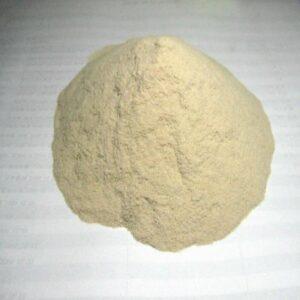
Xanthan Gum
In Stock
Highlights:
Xanthan Gum E415
Premium Quality Food Grade Xanthan Gum E415 – High Performance Microbial Polysaccharide Thickener & Stabilizer for Food Processing, Pharmaceutical Manufacturing, Cosmetic Applications, Oil & Gas Operations & Industrial Processes
Food Grade Xanthan Gum E415 is a high-performance microbial polysaccharide produced through controlled fermentation of Xanthomonas campestris bacteria extensively utilized in food processing, pharmaceutical manufacturing, cosmetic formulations, oil and gas operations, and industrial processes requiring superior thickening properties, stabilizing characteristics, and exceptional rheological versatility.
✅ Ultra-High Performance Food Grade Xanthan Gum E415 – Superior Thickening & Multi-Industry Performance
✅ Multiple Mesh Grades – 40-200 Mesh Options for Specialized Dissolution and Application Requirements
✅ Excellent Rheological Properties – Shear-Thinning, pH Stable, Temperature Resistant for Superior Performance
✅ Multi-Industry Compatible – Enhanced Food, Pharmaceutical, Cosmetic, Oil & Gas & Industrial Properties
✅ Food Processing, Pharmaceutical Manufacturing, Cosmetic Production, Oil & Gas Operations & Industrial Applications
Description
High-Quality Food Grade Xanthan Gum E415
Food Grade Xanthan Gum (E415) is a high-molecular-weight microbial polysaccharide produced through the controlled aerobic submerged fermentation of Xanthomonas campestris bacteria. Xanthan gum was discovered by Allene Rosalind Jeanes and her research team at the United States Department of Agriculture and brought into commercial production by CP Kelco in the early 1960s under the trade name Kelzan. It was approved for use in foods in 1968 and is accepted as a safe food additive in the US, Canada, European countries, and many other countries, with E number E415 and CAS number 11138-66-2. This essential microbial hydrocolloid exhibits extraordinary rheological properties including high viscosity at low concentrations, minimal viscosity change at varying temperatures, excellent stability over wide pH ranges, and remarkable shear-thinning behavior, making it indispensable for food processing, pharmaceutical manufacturing, cosmetic formulations, and industrial processes requiring exceptional thickening, stabilizing, and rheology modification properties.
At Chemicals & Process Equipment Limited, we supply high-performance Food Grade Xanthan Gum E415 manufactured under stringent quality control standards and international food safety, pharmaceutical, cosmetic, and industrial specifications. Our comprehensive product range includes various mesh sizes, viscosity grades, organic certified options, and custom specifications meeting diverse requirements for food processing, pharmaceutical manufacturing, cosmetic formulations, oil and gas operations, and specialized industrial solutions across global food, pharmaceutical, cosmetic, energy, and manufacturing markets.
✅ Advanced Microbial Polymer Technology – Optimized Processing Properties & Multi-Industry Performance
✅ Consistent Quality Standards – Multiple Grade Classifications with Comprehensive Documentation
✅ Essential Thickening Agent – Superior Food, Pharmaceutical, Cosmetic & Industrial Performance
✅ Multi-Industry Applications – Food, Pharmaceutical, Cosmetic, Oil & Gas, Textile & Industrial Systems
✅ Technical Support Package – Complete Application Guidance & Performance Optimization
The global food grade xanthan gum market is estimated to be valued at US$ 431.2 million in 2024. The market is anticipated to reach US$ 689.2 million by 2034, growing at a CAGR of 4.8% through 2034. The Xanthan Gum Market grew from USD 1.20 billion in 2024 to USD 1.30 billion in 2025. It is expected to continue growing at a CAGR of 7.96%, reaching USD 1.91 billion by 2030. Market expansion is supported by increasing demand for natural food additives, expanding gluten-free product markets, growing pharmaceutical applications, and rising industrial applications requiring microbial polysaccharides.
Technical Specifications & Food Grade Xanthan Gum E415 Properties
| Property | Food Grade 80 Mesh | Food Grade 120 Mesh | Food Grade 200 Mesh | Pharmaceutical Grade | Cosmetic Grade | Industrial Grade |
|---|---|---|---|---|---|---|
| Viscosity (1% Solution, 25°C) (cPs) | 1200-1800 | 1300-1700 | 1400-1600 | 1300-1800 | 1200-1500 | 1000-2000 |
| Molecular Formula | C₈H₁₄Cl₂N₂O₂ | C₈H₁₄Cl₂N₂O₂ | C₈H₁₄Cl₂N₂O₂ | C₈H₁₄Cl₂N₂O₂ | C₈H₁₄Cl₂N₂O₂ | C₈H₁₄Cl₂N₂O₂ |
| Molecular Weight (Da) | 2,000,000+ | 2,000,000+ | 2,000,000+ | 2,000,000+ | 2,000,000+ | 1,500,000+ |
| pH (1% Solution) | 6.0-8.0 | 6.0-8.0 | 6.0-8.0 | 6.5-7.5 | 6.0-7.5 | 5.5-8.5 |
| Loss on Drying (%) | ≤13.0 | ≤12.0 | ≤12.0 | ≤10.0 | ≤11.0 | ≤15.0 |
| Ash Content (%) | ≤16.0 | ≤15.0 | ≤15.0 | ≤13.0 | ≤14.0 | ≤18.0 |
| Pyruvic Acid (%) | ≥1.5 | ≥1.5 | ≥1.5 | ≥2.0 | ≥1.5 | ≥1.0 |
| Total Nitrogen (%) | ≤1.5 | ≤1.5 | ≤1.5 | ≤1.2 | ≤1.3 | ≤2.0 |
| Protein (%) | ≤6.0 | ≤6.0 | ≤6.0 | ≤5.0 | ≤5.5 | ≤8.0 |
| Total Plate Count (cfu/g) | ≤2,000 | ≤2,000 | ≤2,000 | ≤500 | ≤1,000 | ≤5,000 |
| Coliforms (MPN/g) | ≤30 | ≤30 | ≤30 | ≤10 | ≤20 | ≤100 |
| E.coli (per g) | Negative | Negative | Negative | Negative | Negative | ≤10 |
| Salmonella (per 25g) | Negative | Negative | Negative | Negative | Negative | Negative |
| Yeast & Mold (cfu/g) | ≤100 | ≤100 | ≤100 | ≤50 | ≤75 | ≤300 |
| Heavy Metals (as Pb) (ppm) | ≤10 | ≤10 | ≤10 | ≤5 | ≤8 | ≤20 |
| Arsenic (As) (ppm) | ≤3 | ≤3 | ≤3 | ≤2 | ≤2.5 | ≤5 |
| Lead (Pb) (ppm) | ≤5 | ≤5 | ≤5 | ≤2 | ≤3 | ≤10 |
| Cadmium (Cd) (ppm) | ≤1 | ≤1 | ≤1 | ≤0.5 | ≤0.8 | ≤2 |
| Mercury (Hg) (ppm) | ≤1 | ≤1 | ≤1 | ≤0.5 | ≤0.8 | ≤2 |
| Chloride (%) | ≤0.7 | ≤0.7 | ≤0.7 | ≤0.5 | ≤0.6 | ≤1.0 |
| Sulfate (%) | ≤0.4 | ≤0.4 | ≤0.4 | ≤0.3 | ≤0.35 | ≤0.6 |
| Isopropanol (ppm) | ≤750 | ≤750 | ≤750 | ≤500 | ≤600 | ≤1000 |
| Ethanol (ppm) | ≤500 | ≤500 | ≤500 | ≤300 | ≤400 | ≤800 |
| Mesh Size | 80 mesh ≥95% | 120 mesh ≥95% | 200 mesh ≥95% | 120 mesh ≥95% | 200 mesh ≥95% | 80 mesh ≥90% |
| Particle Size (µm) | 180-250 | 125-180 | 75-125 | 125-180 | 75-125 | 180-300 |
| Bulk Density (g/cm³) | 0.60-0.90 | 0.65-0.95 | 0.70-1.00 | 0.65-0.95 | 0.70-1.00 | 0.55-0.85 |
| Hydration Time (minutes) | 10-20 | 8-15 | 5-10 | 8-15 | 5-10 | 15-30 |
| Shear Rate (s⁻¹) | 0.3-300 | 0.3-300 | 0.3-300 | 0.3-300 | 0.3-300 | 0.1-500 |
| Temperature Stability (°C) | Up to 100 | Up to 100 | Up to 100 | Up to 110 | Up to 80 | Up to 120 |
| pH Stability Range | 1.0-13.0 | 1.0-13.0 | 1.0-13.0 | 2.0-12.0 | 3.0-11.0 | 1.0-14.0 |
| Salt Tolerance | Excellent | Excellent | Excellent | Excellent | Good | Excellent |
| Freeze-Thaw Stability | Excellent | Excellent | Excellent | Excellent | Good | Good |
| Pseudoplastic Behavior | Excellent | Excellent | Excellent | Excellent | Excellent | Good |
| Gel Formation | With galactomannans | With galactomannans | With galactomannans | With galactomannans | With galactomannans | With galactomannans |
| Suspension Properties | Excellent | Excellent | Excellent | Excellent | Good | Good |
| Film Formation | Good | Good | Excellent | Good | Excellent | Fair |
| Foam Stability | Good | Good | Good | Excellent | Good | Fair |
| Emulsion Stability | Excellent | Excellent | Excellent | Excellent | Excellent | Good |
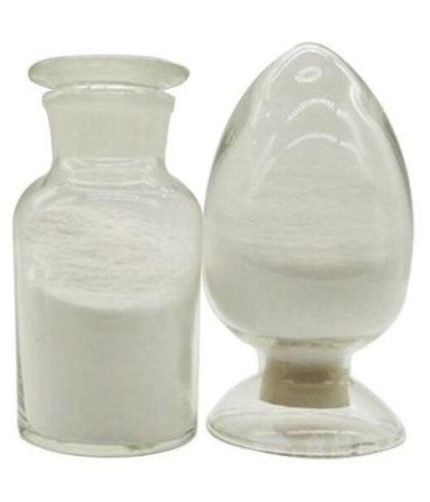
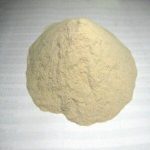
| Color | Cream to tan | Cream to tan | Cream to light tan | Cream | Light cream | Tan |
| Odor | Slight | Slight | Slight | Odorless | Slight | Slight |
| Taste | Nearly tasteless | Nearly tasteless | Nearly tasteless | Tasteless | Nearly tasteless | Neutral |
| Water Solubility | Complete | Complete | Complete | Complete | Complete | Complete |
| Alcohol Solubility | Insoluble | Insoluble | Insoluble | Insoluble | Insoluble | Insoluble |
| Oil Solubility | Insoluble | Insoluble | Insoluble | Insoluble | Insoluble | Insoluble |
| E-Number | E415 | E415 | E415 | E415 | E415 | – |
| CAS Number | 11138-66-2 | 11138-66-2 | 11138-66-2 | 11138-66-2 | 11138-66-2 | 11138-66-2 |
| EINECS Number | 234-394-2 | 234-394-2 | 234-394-2 | 234-394-2 | 234-394-2 | 234-394-2 |
| HS Code | 39139000 | 39139000 | 39139000 | 39139000 | 39139000 | 39139000 |
| Storage Temperature | 5-25°C | 5-25°C | 5-25°C | 10-25°C | 5-25°C | 0-30°C |
| Relative Humidity | <70% RH | <70% RH | <70% RH | <65% RH | <70% RH | <75% RH |
| Shelf Life | 2 years | 2 years | 2 years | 3 years | 2 years | 2 years |
| Packaging Options | 25kg bags | 25kg bags | 25kg bags | 25kg bags | 25kg bags | 25kg bags, 500kg bags |
Available Grade Types:
- Food Grade 80 Mesh (E415) for general food applications
- Food Grade 120 Mesh (E415) for improved dissolution
- Food Grade 200 Mesh (E415) for rapid hydration applications
- Pharmaceutical Grade (USP/EP) for drug formulations
- Cosmetic Grade for personal care products
- Industrial Grade for technical applications
- Organic Certified Grade for organic products
- Kosher/Halal Certified Grade for religious compliance
- High Purity Grade for specialized applications
- Clear Solution Grade for transparent applications
- Custom Mesh Grades for specific requirements
Specialized Processing Solutions:
- Mesh size optimization for dissolution characteristics
- Viscosity control for specific applications
- Hydration rate enhancement for processing requirements
- Microbial load control for sensitive applications
- Quality testing and certification programs
- Technical documentation support
- Regulatory compliance assistance
- Application optimization consulting
Food & Beverage Applications
Bakery & Gluten-Free Products Food manufacturers utilize Food Grade Xanthan Gum E415 for gluten-free breads, cakes, and baked goods requiring food grade specifications. Xanthan gum serves as an effective substitute for gluten in gluten-free products, enhancing texture and stability. Bakery companies employ xanthan gum for dough binding, texture improvement, and gluten-free applications requiring superior elasticity and structure.
Dairy Products & Ice Cream Dairy manufacturers use Food Grade Xanthan Gum E415 for ice cream stabilization, yogurt production, and dairy products requiring dairy specifications. Ice cream companies employ xanthan gum for crystal control, texture enhancement, and dairy applications requiring superior mouthfeel and freeze-thaw stability.
Sauces & Dressings Manufacturing Food processors utilize Food Grade Xanthan Gum E415 for salad dressings, sauces, and condiment production requiring sauce specifications. Condiment companies employ xanthan gum for suspension properties, stability enhancement, and sauce applications with improved pourability and cling.
Beverage Industry Applications Beverage manufacturers use Food Grade Xanthan Gum E415 for smoothies, protein drinks, and beverage stabilization requiring beverage specifications. Drink companies employ xanthan gum for particle suspension, texture enhancement, and beverage applications requiring stability and mouthfeel improvement.
Meat & Processed Foods Meat processors utilize Food Grade Xanthan Gum E415 for processed meats, meat alternatives, and protein products requiring meat processing specifications. Food companies employ xanthan gum for binding enhancement, moisture retention, and processed food applications requiring texture improvement.
Pharmaceutical & Nutraceutical Applications
Tablet Manufacturing Pharmaceutical manufacturers utilize Food Grade Xanthan Gum E415 for tablet binding, controlled release, and pharmaceutical formulations requiring pharmaceutical specifications. Drug companies employ xanthan gum for matrix formation, sustained release, and pharmaceutical applications requiring biocompatibility and stability.
Liquid Formulations Pharma companies use Food Grade Xanthan Gum E415 for liquid medicines, suspensions, and oral formulations requiring liquid pharmaceutical specifications. Medical manufacturers employ xanthan gum for suspension stability, viscosity control, and pharmaceutical applications requiring patient compliance.
Nutraceutical Products Supplement manufacturers utilize Food Grade Xanthan Gum E415 for dietary supplements, health products, and nutraceutical formulations requiring supplement specifications. Health companies employ xanthan gum for capsule binding, powder stability, and nutraceutical applications requiring bioavailability enhancement.
Topical Applications Pharmaceutical companies use Food Grade Xanthan Gum E415 for topical gels, creams, and dermatological products requiring topical specifications. Medical companies employ xanthan gum for gel formation, stability enhancement, and topical applications requiring skin penetration and therapeutic delivery.
Cosmetic & Personal Care Applications
Skincare Products Cosmetic manufacturers utilize Food Grade Xanthan Gum E415 for moisturizers, serums, and skincare products requiring cosmetic specifications. Beauty companies employ xanthan gum for texture enhancement, stability improvement, and skincare applications requiring skin compatibility and sensory appeal.
Hair Care Applications Personal care manufacturers use Food Grade Xanthan Gum E415 for shampoos, conditioners, and hair styling products requiring hair care specifications. Cosmetic companies employ xanthan gum for viscosity control, conditioning properties, and hair care applications requiring performance and aesthetics.
Makeup & Color Cosmetics Cosmetic companies utilize Food Grade Xanthan Gum E415 for foundations, mascaras, and color cosmetics requiring makeup specifications. Beauty manufacturers employ xanthan gum for texture modification, stability enhancement, and cosmetic applications requiring wear resistance and application properties.
Oral Care Products Dental care manufacturers use Food Grade Xanthan Gum E415 for toothpastes, mouthwashes, and oral care products requiring dental specifications. Oral care companies employ xanthan gum for thickening properties, stability enhancement, and dental applications requiring safety and efficacy.
Industrial & Technical Applications
Oil & Gas Operations Xanthan gum’s role in this process is particularly valuable as it modifies the rheological profile of water injection, improves the viscosity profile of the driving fluid, and enhances the sweep efficiency of the water flooding process. Energy companies utilize Food Grade Xanthan Gum E415 for drilling fluids, hydraulic fracturing, and oil extraction requiring oil field specifications. Drilling companies employ xanthan gum for fluid viscosity, wellbore stability, and oil & gas applications requiring superior rheological control.
Textile Industry Applications Textile manufacturers utilize Food Grade Xanthan Gum E415 for printing pastes, fabric sizing, and textile processing requiring textile specifications. Clothing companies employ xanthan gum for print clarity, fabric treatment, and textile applications requiring processing enhancement and quality improvement.
Paint & Coatings Industry Paint manufacturers use Food Grade Xanthan Gum E415 for water-based paints, coatings, and surface treatments requiring coating specifications. Chemical companies employ xanthan gum for rheology modification, sag resistance, and coating applications requiring application properties and performance.
Paper & Pulp Industry Paper manufacturers utilize Food Grade Xanthan Gum E415 for paper coating, strength additives, and paper production requiring paper specifications. Pulp companies employ xanthan gum for retention aid, drainage improvement, and paper applications requiring quality enhancement and processing efficiency.
Specialized Applications
Agricultural Applications Agricultural companies utilize Food Grade Xanthan Gum E415 for pesticide formulations, seed coatings, and agricultural chemicals requiring agricultural specifications. Farm supply companies employ xanthan gum for suspension properties, adhesion improvement, and agricultural applications requiring controlled release and environmental stability.
Mining Applications Mining companies use Food Grade Xanthan Gum E415 for ore processing, flotation aids, and mineral processing requiring mining specifications. Extraction companies employ xanthan gum for particle separation, process enhancement, and mining applications requiring operational efficiency and environmental compliance.
Construction Industry Construction companies utilize Food Grade Xanthan Gum E415 for cement additives, concrete modification, and building materials requiring construction specifications. Building companies employ xanthan gum for workability improvement, strength enhancement, and construction applications requiring performance and durability.
Water Treatment Applications Water treatment companies use Food Grade Xanthan Gum E415 for flocculation, clarification, and water processing requiring water treatment specifications. Municipal utilities employ xanthan gum for particle removal, sludge treatment, and water applications requiring purification enhancement and process optimization.
Quality Control & Testing Procedures
Comprehensive Quality Assurance Every production batch undergoes extensive testing to ensure compliance with food safety standards, pharmaceutical requirements, cosmetic specifications, and international quality guidelines. Our quality control laboratory employs advanced analytical techniques including viscosity measurement, molecular weight determination, and comprehensive microbiological analysis.
Quality assurance procedures include:
- Viscosity measurement using Brookfield rheometer (1% solution at 25°C)
- pH measurement using calibrated pH meters (1% solution)
- Loss on drying determination using halogen moisture analyzer
- Ash content analysis using muffle furnace at 800°C
- Pyruvic acid content determination using enzymatic methods
- Total nitrogen analysis using Kjeldahl method
- Protein content calculation using nitrogen conversion factor
- Microbiological testing using standard plate count methods
- Coliform testing using Most Probable Number (MPN) method
- E.coli detection using selective media and confirmation
- Salmonella screening using enrichment and selective isolation
- Yeast and mold counting using acidified potato dextrose agar
- Heavy metals testing using ICP-MS analysis
- Arsenic analysis using atomic absorption spectroscopy
- Lead content determination using ICP-MS methods
- Cadmium and mercury analysis using specialized techniques
- Chloride content analysis using ion chromatography
- Sulfate determination using gravimetric methods
- Residual solvent testing using gas chromatography
- Particle size distribution analysis using sieve analysis
- Bulk density measurement using standardized methods
- Hydration time evaluation using dissolution testing
- Shear rate analysis using controlled stress rheometry
- Temperature stability testing under controlled conditions
- pH stability evaluation across range conditions
- Salt tolerance assessment using conductivity methods
- Freeze-thaw stability evaluation using cycling tests
- Pseudoplastic behavior characterization using rheometry
- Gel formation testing with galactomannan synergism
- Suspension properties evaluation using sedimentation tests
- Food safety compliance verification for food grades
- Pharmaceutical compliance testing for pharma grades
- Cosmetic safety evaluation for cosmetic grades
- Quality consistency monitoring using statistical process control
Storage & Handling Procedures Implement proper storage conditions including temperature control, humidity management below 70% RH, and protection from moisture for maintaining Food Grade Xanthan Gum E415 quality and preventing microbial growth throughout storage periods.
For comprehensive information about xanthan gum properties, molecular structure, rheological behavior, and industrial applications, you can reference this detailed scientific overview of xanthan gum processing and applications which provides extensive coverage of xanthan gum chemistry, fermentation production, food applications, synergistic interactions, and processing considerations.
Market Applications & Industry Trends
Natural Food Ingredients Growth The expanding food and beverage industry, driven by changing consumer preferences, urbanization, and a rising global population, is a primary driver for the increasing demand for food-grade xanthan gum. Growing demand for natural food additives, clean label products, and functional ingredients drives continued use of xanthan gum in food formulations requiring superior stability and texture enhancement.
Gluten-Free Market Expansion The growing awareness and demand for healthier food options and expanding gluten-free product markets support significant growth in xanthan gum applications for gluten-free baking, texture improvement, and dietary restriction accommodations.
Pharmaceutical Applications Growth Expanding pharmaceutical industry and increasing demand for controlled-release formulations support growth in xanthan gum applications for drug delivery systems, tablet manufacturing, and therapeutic formulations requiring biocompatible excipients.
Industrial Process Enhancement The market for microbial gums such as xanthan, gellan, dextran, and curdlan is continuously expanding, driven by their increasing application in various industries including petroleum, pharmaceuticals, cosmetics, and food. Growing industrial applications in oil and gas, paints and coatings, and manufacturing processes drive adoption of xanthan gum for rheology modification and performance enhancement.
Environmental & Regulatory Compliance
Food Safety Standards & Certifications Food Grade Xanthan Gum E415 complies with FDA food additive regulations, EU food additive directives (E415), and international food safety guidelines ensuring safe use in food processing applications with established usage levels and comprehensive safety assessments.
Pharmaceutical Compliance Standards Adherence to USP/EP pharmaceutical standards, drug manufacturing guidelines, and therapeutic goods regulations supports safe use in pharmaceutical formulations with established quality specifications and comprehensive safety profiles.
Cosmetic Safety Standards Compliance with cosmetic safety regulations, personal care product guidelines, and dermatological safety standards ensures appropriate use in cosmetic applications with comprehensive skin compatibility assessments and safety evaluations.
Environmental Standards & Sustainability Environmental compliance includes sustainable fermentation practices, biodegradability assessments, and renewable resource utilization ensuring responsible production with minimal environmental impact and ecological compatibility through microbial production methods.
Performance Advantages & Technical Benefits
✔ Superior Rheological Properties – Exceptional shear-thinning behavior and viscosity control
✔ Microbial Origin – Produced through controlled fermentation for consistent quality
✔ Multi-Functional Properties – Thickening, stabilizing, suspending, and emulsifying in one product
✔ Exceptional pH Stability – Stable across extremely wide pH range (1.0-13.0)
✔ Temperature Resistance – Maintains properties under high-temperature processing
✔ Salt Tolerance – Excellent performance in high-salt environments
✔ Freeze-Thaw Stability – Superior stability through temperature cycling
✔ Food Grade Available – FDA approved E415 for food processing applications
✔ Low Usage Levels – High efficiency reduces formulation costs
✔ Broad Application Range – Suitable for food, pharmaceutical, cosmetic, and industrial uses
✔ Quality Consistency – Reliable performance across production batches
✔ Multiple Mesh Sizes – Customizable particle size for specific requirements
✔ Excellent Shelf Life – Stable under proper storage conditions
✔ Processing Versatility – Compatible with various manufacturing processes
✔ Regulatory Approved – Accepted for use in multiple industries globally
✔ Technical Support – Comprehensive application guidance and optimization
Our Food Grade Xanthan Gum E415 products represent industry-leading standards in microbial polymer chemistry and multi-industry hydrocolloid solutions, specifically formulated for demanding food operations, pharmaceutical applications, cosmetic formulations, oil and gas processes, and specialized industrial processes. We provide comprehensive technical support, formulation guidance, and regulatory consultation to ensure optimal performance across your specialized food, pharmaceutical, cosmetic, energy, or industrial applications.
For detailed specifications, technical data sheets, or application-specific recommendations, contact our specialized microbial products division. We offer complete support including formulation optimization, regulatory guidance, and technical assistance to maximize effectiveness in your food, pharmaceutical, cosmetic, oil and gas, or industrial applications.
For more information about our products, feel free to Contact Us today.
Related products


Recently Viewed
Reviews
There are no reviews yet.