
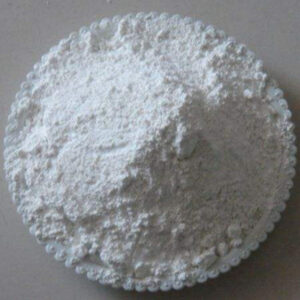
Thiourea Dioxide
In Stock
Highlights:
THIOUREA DIOXIDE
Premium Quality Thiourea Dioxide – Ultra-Pure Reducing Agent, Advanced Textile Processing Chemical & Superior Bleaching Activator for Textile Manufacturing, Paper Processing, Dye Applications, Polymer Industries & Chemical Synthesis with Enhanced Environmental Safety
✅ Powerful Reducing Agent – Superior Reduction Capability Without Hydrogen Sulfide Gas Generation
✅ Environmental Safety – Green Alternative to Traditional Reducing Agents with No Toxic Emissions
✅ Excellent Thermal Stability – Maintains Performance Under Processing Temperature Conditions
✅ Multi-Industry Applications – Enhanced Textile Processing, Paper Manufacturing & Chemical Synthesis
✅ Quality Assured – Industrial & Technical Grade Standards Supporting Optimal Performance Results
Description
High-Quality Thiourea Dioxide
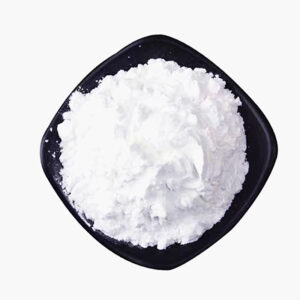
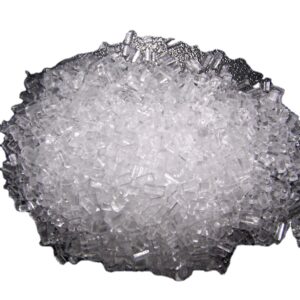
Thiourea Dioxide, with chemical formula CH4N2O2S and CAS number 1758-73-2, featuring molecular weight of 108.12 g/mol and formamidine sulfinic acid structure, appearing as white crystalline powder with exceptional reducing properties, outstanding thermal stability, and superior environmental safety characteristics, is a specialized high-performance environmentally friendly reducing agent with excellent water solubility, improved stability characteristics, and superior performance compared to conventional reducing agents like sodium hydrosulfite. Thiourea Dioxide is specifically manufactured to provide enhanced environmental safety, improved thermal stability, and superior performance in applications requiring effective reduction without toxic gas generation, reliable thermal stability, and environmentally responsible processing in textile dyeing and bleaching, paper industry applications, polymer manufacturing, chemical synthesis, and industrial processes. The compound works through controlled decomposition releasing reducing species in alkaline conditions, providing effective reduction without hydrogen sulfide emission, excellent thermal stability under processing conditions, and superior environmental safety profile compared to traditional reducing agents, providing broad-spectrum reduction capability, effective bleaching performance, excellent chemical stability, and outstanding environmental compatibility during processing and application. Thiourea Dioxide represents one of the most advanced and environmentally responsible reducing agents in modern textile and chemical processing technology, providing exceptional reduction efficiency, superior environmental safety, excellent thermal stability without decomposition, and outstanding compatibility during processing and application, making it essential for premium textile processing, paper manufacturing, polymer synthesis, chemical manufacturing, and specialized applications requiring high-performance reducing technology and environmental responsibility with regulatory compliance.
At Chemicals & Process Equipment Limited, we supply advanced Thiourea Dioxide manufactured under stringent quality control standards and international textile, paper, chemical, industrial, and safety specifications. Our comprehensive product range includes various purity grades, particle sizes, and specialized formulations meeting diverse requirements for textile applications, paper processing, chemical synthesis, polymer manufacturing, and specialized industrial applications across global textile, paper, chemical, and advanced materials markets.
✅ Advanced Environmental Technology – Optimized Safety Profile & Multi-Industry Applications
✅ Consistent Quality Standards – Multiple Product Classifications with Comprehensive Documentation
✅ Essential Performance Chemical – Superior Reduction, Thermal Stability & Environmental Safety
✅ Multi-Industry Applications – Textiles, Paper Manufacturing, Chemical Synthesis, Polymer Processing
✅ Technical Support Package – Complete Application Guidance & Performance Optimization
The global thiourea dioxide market was valued at approximately USD 285 million in 2023 and is projected to reach USD 425 million by 2030, growing at a CAGR of 5.8% during the forecast period. Market expansion is driven by increasing textile production, growing demand for environmentally friendly chemicals, expanding paper industry requirements, and rising demand for advanced reducing agents in polymer and chemical industries.
Technical Specifications & Thiourea Dioxide Properties
| Property | Textile Grade | Paper Grade | Chemical Grade | Polymer Grade | Electronic Grade | Pharmaceutical Grade |
|---|---|---|---|---|---|---|
| TDO Content (%) | 99.0-99.8 | 98.5-99.5 | 99.2-99.9 | 99.0-99.7 | 99.5-99.95 | 99.8-99.99 |
| Moisture Content (%) | <0.5 | <0.8 | <0.3 | <0.5 | <0.2 | <0.1 |
| pH (1% solution) | 6.0-8.0 | 6.5-8.5 | 6.8-8.2 | 6.5-8.0 | 7.0-8.0 | 7.2-7.8 |
| Particle Size (μm) | 50-200 | 80-300 | 20-100 | 30-150 | 10-50 | 5-25 |
| Decomposition Temp (°C) | 126-130 | 125-132 | 128-132 | 126-131 | 129-133 | 130-134 |
| Water Solubility (g/L) | 27-32 | 25-30 | 28-35 | 26-31 | 30-38 | 32-40 |
| Ash Content (%) | <0.3 | <0.5 | <0.2 | <0.3 | <0.1 | <0.05 |
| Heavy Metals (ppm) | <20 | <30 | <15 | <20 | <5 | <2 |
| Iron (Fe) (ppm) | <10 | <15 | <8 | <10 | <3 | <1 |
| Chloride (Cl) (ppm) | <100 | <150 | <80 | <100 | <30 | <10 |
| Sulfate (SO4) (ppm) | <200 | <300 | <150 | <200 | <50 | <20 |
| Insoluble Matter (%) | <0.1 | <0.2 | <0.05 | <0.1 | <0.02 | <0.01 |
| Bulk Density (g/cm³) | 0.6-0.8 | 0.5-0.7 | 0.7-0.9 | 0.6-0.8 | 0.8-1.0 | 0.9-1.1 |
| Reducing Power | Excellent | Very Good | Excellent | Very Good | Excellent | Excellent |
| Thermal Stability | Very Good | Good | Excellent | Very Good | Excellent | Excellent |
| Storage Stability | Excellent | Very Good | Excellent | Excellent | Excellent | Excellent |
| Application Concentration (%) | 0.5-5.0 | 0.2-2.0 | 0.1-10.0 | 0.3-3.0 | 0.05-1.0 | 0.01-0.5 |
| Storage Temperature (°C) | 5-35 | 10-40 | 15-30 | 5-35 | 18-25 | 20-25 |
| Shelf Life (years) | 3 | 2 | 5 | 3 | 2 | 1.5 |
| Regulatory Status | Industrial | Industrial | Technical | Industrial | Electronic | USP grade |
Available Product Types:
- Textile Grade Thiourea Dioxide for dyeing and bleaching applications
- Paper Grade TDO for pulp bleaching and deinking processes
- Chemical Grade Thiourea Dioxide for synthesis and manufacturing
- Polymer Grade TDO for polymer processing and modification
- Electronic Grade Thiourea Dioxide for semiconductor applications
- Pharmaceutical Grade TDO for medical and research applications
- Fine Powder Thiourea Dioxide for enhanced dissolution
- Granular TDO for controlled release applications
- High Purity Thiourea Dioxide for specialty applications
- Stabilized TDO for extended storage requirements
- Custom Grade Thiourea Dioxide for specific applications
- Research Grade TDO for laboratory and development use
- Analytical Standard Thiourea Dioxide for testing purposes
- Food Grade TDO for approved food processing applications
- Environmental Grade Thiourea Dioxide for water treatment
Specialized Application Solutions:
- Textile dyeing and bleaching process optimization services
- Paper bleaching and deinking process development
- Chemical synthesis reaction optimization and scaling
- Polymer processing parameter development and testing
- Environmental impact assessment and optimization
- Process safety evaluation and improvement studies
- Custom formulation development and application testing
- Regulatory compliance assistance and documentation support
- Quality assurance and analytical testing services
- Technical training and application guidance programs
Textile Industry Applications
Dye Reduction and Processing Textile manufacturers utilize Thiourea Dioxide for reducing dyes and sulfur dyes, effective dyeing processes, and color stripping applications requiring textile processing specifications. Textile chemists employ TDO for vat dyeing, sulfur dye application, and dye reduction cleaning providing effective reduction without hydrogen sulfide emission, superior color development, and environmental safety with typical concentrations of 0.5-5.0% depending on fabric type and processing requirements.
Wool and Silk Bleaching Textile processors use Thiourea Dioxide for wool and silk bleaching, natural fiber processing, and delicate fabric treatment requiring gentle bleaching specifications. Textile engineers employ TDO for protein fiber bleaching, whiteness improvement, and fiber protection applications requiring controlled bleaching action, fiber integrity maintenance, and superior whiteness results without fiber damage or harsh chemical exposure.
Disperse Dye Processing Synthetic textile manufacturers utilize Thiourea Dioxide for disperse dye reduction cleaning, color correction, and dye vat cleaning requiring synthetic fiber specifications. Textile technicians employ TDO for polyester processing, color stripping, and equipment cleaning applications requiring effective dye removal, equipment maintenance, and consistent processing results with enhanced operational efficiency.
Print Processing Applications Textile printing companies use Thiourea Dioxide for printing applications, color development, and print quality enhancement requiring printing specifications. Print technologists employ TDO for discharge printing, color effects, and specialized printing techniques requiring controlled reduction, precise color results, and superior print quality with excellent reproducibility.
Paper Industry Applications
Pulp Bleaching Paper manufacturers utilize Thiourea Dioxide for pulp bleaching, brightness improvement, and fiber processing requiring paper grade specifications. Paper engineers employ TDO for mechanical pulp bleaching, brightness enhancement, and fiber treatment applications requiring effective bleaching without fiber degradation, improved brightness levels, and environmental compatibility in sustainable processing systems.
Recycled Paper Deinking Recycling facilities use Thiourea Dioxide for deinking processes, ink removal, and recycled fiber processing requiring deinking specifications. Paper recycling technicians employ TDO for flotation deinking, ink separation, and fiber cleaning applications requiring effective ink removal, fiber quality preservation, and enhanced recycling efficiency with improved yield rates.
Brightness Enhancement Paper processing companies utilize Thiourea Dioxide for brightness improvement, optical property enhancement, and paper quality optimization requiring brightness specifications. Paper chemists employ TDO for brightness development, optical brightening, and quality enhancement applications requiring superior brightness levels, color stability, and consistent optical properties.
Specialty Paper Processing Specialty paper manufacturers use Thiourea Dioxide for high-grade papers, specialty applications, and premium paper processing requiring specialty grade specifications. Specialty paper engineers employ TDO for fine papers, premium grades, and specialized applications requiring exceptional quality, superior performance, and enhanced characteristics.
Chemical Synthesis Applications
Organic Synthesis Chemical manufacturers utilize Thiourea Dioxide for organic synthesis, reduction reactions, and chemical processing requiring synthesis grade specifications. Synthetic chemists employ TDO for ketone reduction, organic transformations, and specialty chemical synthesis providing selective reduction, controlled reactivity, and superior product quality in diverse reaction systems.
Polymer Processing Polymer manufacturers use Thiourea Dioxide for controlled polymerization, ATRP processes, and polymer modification requiring polymer grade specifications. Polymer chemists employ TDO for activators regenerated by electron transfer polymerization, controlled radical polymerization, and polymer synthesis applications requiring precise control, environmental safety, and superior polymer characteristics across multiple monomer families.
Pharmaceutical Synthesis Pharmaceutical companies utilize Thiourea Dioxide for pharmaceutical synthesis, active ingredient processing, and drug manufacturing requiring pharmaceutical specifications. Pharmaceutical chemists employ TDO for reduction reactions, intermediate synthesis, and API manufacturing applications requiring high purity, controlled processing, and regulatory compliance in sterile environments.
Fine Chemical Manufacturing Specialty chemical manufacturers use Thiourea Dioxide for fine chemicals, specialty products, and high-value synthesis requiring fine chemical specifications. Chemical engineers employ TDO for photosensitive materials, specialty intermediates, and custom synthesis applications requiring precision processing, quality assurance, and specialized performance characteristics.
Advanced Material Applications
Graphene Processing Research institutions utilize Thiourea Dioxide for graphene oxide reduction, nanomaterial processing, and advanced material synthesis requiring research grade specifications. Materials scientists employ TDO for reduced graphene oxide preparation, nanomaterial modification, and carbon material processing providing efficient reduction, environmental safety, and superior material properties in nanomaterial applications.
Electronic Materials Electronics manufacturers use Thiourea Dioxide for semiconductor processing, electronic component manufacturing, and precision applications requiring electronic grade specifications. Electronics engineers employ TDO for reduction processes, material preparation, and electronic device manufacturing requiring ultra-high purity, controlled processing, and superior electronic properties.
Catalytic Applications Chemical processing companies utilize Thiourea Dioxide for catalyst preparation, catalytic processes, and reaction enhancement requiring catalytic specifications. Process engineers employ TDO for catalyst reduction, activation processes, and catalytic system optimization requiring controlled reduction, catalyst performance, and enhanced reaction efficiency.
Environmental Applications Environmental technology companies use Thiourea Dioxide for lignin depolymerization, biomass processing, and environmental remediation requiring environmental specifications. Environmental engineers employ TDO for sustainable processing, waste treatment, and green chemistry applications requiring environmental compatibility, sustainable processing, and reduced environmental impact in green technology systems.
For comprehensive information about thiourea dioxide applications and research developments, you can reference this detailed scientific study on thiourea dioxide as a reducing agent in textile applications which provides extensive coverage of thiourea dioxide chemistry, reducing mechanisms, textile applications, and industrial processing methods from leading textile chemistry and materials science specialists.
Quality Control & Testing Procedures
Comprehensive Quality Assurance Every production batch undergoes extensive testing to ensure compliance with thiourea dioxide standards, textile requirements, paper specifications, and international quality standards. Our quality control laboratory employs advanced analytical techniques including high-performance liquid chromatography, thermal analysis, and comprehensive performance evaluation.
Quality assurance procedures include:
- Purity analysis using high-performance liquid chromatography
- Moisture content determination using Karl Fischer titration
- Thermal stability testing using differential scanning calorimetry
- Particle size analysis using laser diffraction methods
- pH measurement using calibrated electrode systems
- Heavy metals analysis using atomic absorption spectroscopy
- Reducing power evaluation using standardized reduction assays
- Decomposition temperature determination using thermal analysis
- Water solubility testing using gravimetric methods
- Ash content determination using muffle furnace analysis
- Chemical stability evaluation using accelerated aging studies
- Environmental safety assessment using standard toxicity protocols
- Performance validation using application-specific testing
- Regulatory compliance verification using official methods
- Customer application support using field evaluation
- Technical consultation using expert analysis
- Process optimization using statistical analysis
- Continuous improvement using quality management systems
- Documentation support using comprehensive record keeping
- Training programs using technical education
- Safety evaluation using hazard assessment protocols
- Environmental impact assessment using ecological studies
- Sustainability evaluation using life cycle analysis
Storage & Handling Procedures Implement proper storage conditions including controlled temperature and humidity, protection from heat and direct sunlight, appropriate packaging materials, segregation from incompatible substances, and comprehensive safety procedures for maintaining Thiourea Dioxide quality and ensuring safe handling throughout storage and application periods.
Market Applications & Industry Trends
Textile Industry Growth Increasing global textile production, growing demand for environmentally friendly chemicals, expanding synthetic fiber processing, and rising requirements for effective reducing agents drive continued demand for thiourea dioxide in textile applications requiring environmental safety, effective reduction, and processing efficiency.
Paper Industry Development Growing paper recycling rates, increasing brightness requirements, expanding specialty paper markets, and rising demand for sustainable processing chemicals drive adoption of thiourea dioxide for paper applications requiring environmental compatibility, effective bleaching, and sustainable processing.
Chemical Industry Expansion Advancing polymer technology, increasing fine chemical production, expanding pharmaceutical synthesis, and growing demand for selective reducing agents drive adoption of thiourea dioxide for chemical applications requiring precision reduction, environmental safety, and superior performance.
Environmental Technology Growth Developing green chemistry practices, increasing environmental regulations, expanding sustainable processing, and growing demand for environmentally responsible chemicals drive adoption of thiourea dioxide for environmental applications requiring sustainability, safety, and regulatory compliance.
Environmental & Regulatory Compliance
Environmental Safety Standards Thiourea Dioxide complies with environmental safety regulations, industrial chemical standards, textile processing guidelines, and international environmental protocols ensuring safe use in industrial applications with established environmental profiles and comprehensive safety assessments for industrial processing.
Industrial Safety Standards Adherence to industrial safety regulations, occupational health requirements, chemical handling guidelines, and international safety standards ensures appropriate use in industrial applications with established safety criteria and quality specifications for chemical and industrial processing.
Quality Standards Compliance with industrial quality standards, textile processing requirements, paper industry specifications, and international quality guidelines ensures safe handling in processing applications with established quality protocols and performance standards including proper handling procedures and safety measures.
Regulatory Compliance Regulatory compliance includes chemical registration requirements, environmental impact evaluation, and safety documentation ensuring responsible use with consideration for environmental protection and sustainable manufacturing practices in industrial chemical applications.
Performance Advantages & Technical Benefits
✔ Superior Reducing Power – Effective reduction without hydrogen sulfide generation
✔ Environmental Safety – Green alternative to traditional reducing agents
✔ Excellent Thermal Stability – Maintains performance under processing conditions
✔ Enhanced Water Solubility – Easy dissolution and uniform distribution
✔ Multiple Application Methods – Suitable for batch and continuous processing
✔ Chemical Stability – Stable storage and handling characteristics
✔ Regulatory Compliance – Approved for industrial and technical applications
✔ Cost Effectiveness – Economic alternative to conventional reducing agents
✔ Processing Efficiency – Improved processing rates and performance
✔ Quality Consistency – Uniform performance across production batches
✔ Technical Versatility – Multiple industry applications and uses
✔ Safety Profile – Reduced toxicity compared to traditional alternatives
✔ Environmental Compatibility – Biodegradable and environmentally responsible
✔ Global Availability – Reliable supply chains and worldwide distribution
✔ Technical Support – Complete application guidance and optimization services
Our Thiourea Dioxide products represent industry-leading standards in environmentally friendly reducing agent technology and multi-industry chemical solutions, specifically manufactured for demanding textile processing, paper manufacturing, chemical synthesis, and advanced material applications requiring exceptional reduction characteristics, reliable environmental safety, and comprehensive technical optimization. We provide complete technical support, process guidance, and performance consultation to ensure optimal results across your specialized textile, paper, chemical, or advanced material applications.
For detailed specifications, technical data sheets, or application-specific recommendations, contact our specialized chemical processing division. We offer complete support including product selection, process optimization, compatibility testing, regulatory guidance, performance monitoring, and technical assistance to maximize effectiveness in your textile, paper, chemical, or advanced material applications.
For more information about our products, feel free to Contact Us today.
Related products
Recently Viewed
Reviews
There are no reviews yet.