
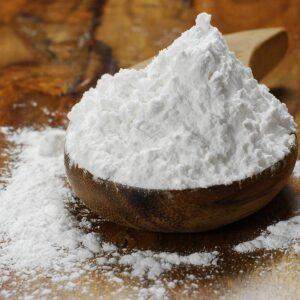
TAPIOCA STARCH
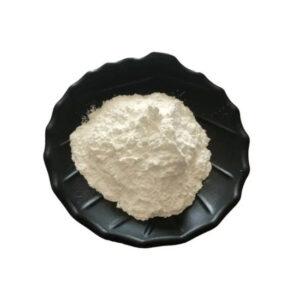
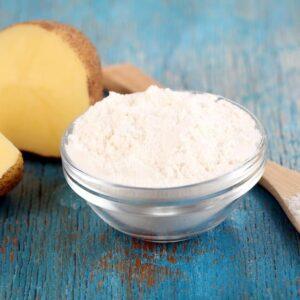
In Stock
Highlights:
Tapioca Starch
High-Quality Tapioca Starch – Premium Grade Native Starch for Food Processing, Industrial Applications, Pharmaceutical Manufacturing & Commercial Production
Tapioca Starch is a versatile native starch extensively utilized in food processing operations, industrial manufacturing applications, pharmaceutical production, and commercial processing systems. Our premium-grade tapioca starch delivers exceptional functional properties and processing performance with superior purity for demanding food industry applications, industrial manufacturing processes, pharmaceutical formulations, and specialized commercial applications requiring reliable starch functionality and quality consistency.
✅ High-Purity Native Starch – Superior Functional Properties & Processing Performance
✅ Multiple Application Methods – Food Processing, Industrial, Pharmaceutical & Specialty Uses
✅ Excellent Binding Properties – Superior Thickening, Gelling & Stabilization Capabilities
✅ Clean Label Compatible – Natural, Non-GMO Formulation for Health-Conscious Applications
✅ Food Processing, Industrial Manufacturing, Pharmaceutical & Commercial Production Applications
Description
High-Quality Tapioca Starch for Food Processing & Industrial Manufacturing Applications
Tapioca Starch represents advanced starch technology specifically formulated for food processing operations, industrial manufacturing applications, pharmaceutical production procedures, and commercial processing systems requiring consistent functional performance and quality delivery effectiveness. This essential native starch serves critical functions across food manufacturing procedures, industrial processing applications, pharmaceutical formulation operations, and commercial processes requiring controlled thickening, binding, and stabilization properties with exceptional purity.
At Chemicals & Process Equipment Limited, we supply high-grade Tapioca Starch manufactured under stringent quality control standards and international food safety specifications. Our comprehensive product range includes native tapioca starch, modified tapioca starch, and specialty formulations meeting diverse requirements for food manufacturing, industrial processing, and specialized applications across global food, pharmaceutical, and industrial markets.
For comprehensive information on tapioca starch applications in food processing and industrial manufacturing, refer to this detailed guide on modified tapioca starch applications by industry experts. This resource provides valuable insights into the versatility and functionality of tapioca starch across various industries.
✅ Advanced Starch Technology – Optimized Functional Properties & Processing Performance
✅ Consistent Quality Standards – Multiple Grade Classifications with Comprehensive Documentation
✅ Essential Functional Properties – Superior Thickening, Binding & Stabilization Performance
✅ Multi-Industry Applications – Food Processing, Industrial, Pharmaceutical & Specialty Uses
✅ Technical Support Package – Complete Application Guidance & Processing Optimization
The Global Tapioca Starch Market is expected to grow from USD 2.8 Billion in 2024 to USD 4.2 Billion by 2031, at a CAGR of 5.9% during the forecast period, while the market achieved a valuation of USD 2.6 billion in 2024 and is forecasted to climb to USD 4.5 billion by 2033, advancing at a CAGR of 6.3% from 2026 to 2033. This growth is driven by increasing demand for clean label ingredients, expanding food processing industry, growing gluten-free product demand, and rising industrial applications across global food and manufacturing markets.
Technical Specifications & Tapioca Starch Properties
| Property | Native Grade | Food Grade | Industrial Grade | Pharmaceutical Grade |
|---|---|---|---|---|
| Moisture Content | ≤13.0% | ≤12.0% | ≤14.0% | ≤10.0% |
| Ash Content | ≤0.20% | ≤0.15% | ≤0.30% | ≤0.10% |
| Protein Content | ≤0.25% | ≤0.20% | ≤0.35% | ≤0.15% |
| Fat Content | ≤0.15% | ≤0.10% | ≤0.20% | ≤0.05% |
| Fiber Content | ≤0.15% | ≤0.10% | ≤0.20% | ≤0.05% |
| pH (10% solution) | 5.5-7.0 | 6.0-7.0 | 5.0-7.5 | 6.0-6.8 |
| Whiteness Index | ≥92% | ≥94% | ≥90% | ≥96% |
| Viscosity (6% solution) | 800-1200 BU | 900-1300 BU | 700-1100 BU | 1000-1400 BU |
| Gelatinization Temperature | 58-70°C | 60-68°C | 55-72°C | 62-66°C |
| Particle Size (mesh 100) | ≥98% | ≥99% | ≥97% | ≥99.5% |
| Bulk Density | 0.5-0.7 g/cm³ | 0.6-0.7 g/cm³ | 0.5-0.8 g/cm³ | 0.6-0.7 g/cm³ |
| Heavy Metals (Total) | ≤10 ppm | ≤5 ppm | ≤15 ppm | ≤3 ppm |
| Lead (Pb) | ≤1.0 ppm | ≤0.5 ppm | ≤2.0 ppm | ≤0.2 ppm |
| Arsenic (As) | ≤1.0 ppm | ≤0.5 ppm | ≤2.0 ppm | ≤0.2 ppm |
| Mercury (Hg) | ≤0.1 ppm | ≤0.05 ppm | ≤0.2 ppm | ≤0.02 ppm |
| Cadmium (Cd) | ≤1.0 ppm | ≤0.5 ppm | ≤2.0 ppm | ≤0.2 ppm |
| SO2 Content | ≤30 ppm | ≤20 ppm | ≤50 ppm | ≤10 ppm |
| Total Plate Count | ≤3000 cfu/g | ≤1000 cfu/g | ≤5000 cfu/g | ≤100 cfu/g |
| Yeast & Mold | ≤100 cfu/g | ≤50 cfu/g | ≤200 cfu/g | ≤10 cfu/g |
| E. coli | Negative | Negative | Negative | Negative |
| Salmonella | Negative/25g | Negative/25g | Negative/25g | Negative/25g |
| Appearance | White to cream powder | Pure white powder | Off-white powder | Brilliant white powder |
| Storage Stability | 24 months | 24 months | 18 months | 36 months |
| Solubility | Cold water swelling | Cold water swelling | Variable | Excellent dispersion |
| Storage Conditions | Cool, dry, ventilated | Climate controlled | Dry warehouse | Controlled environment |
| Packaging Options | 25kg bags, 500kg big bags, bulk containers |
Available Grade Types:
- Native tapioca starch for standard food processing applications
- Modified tapioca starch for enhanced functional properties
- Pharmaceutical grade tapioca starch for drug formulations
- Industrial grade tapioca starch for manufacturing applications
- Organic certified tapioca starch for premium applications
- Custom specifications for specialized processing requirements
Specialized Packaging Solutions:
- 25kg multi-wall paper bags with PE liner for moisture protection
- 500kg FIBC big bags for bulk food processing operations
- 750kg bulk containers for industrial manufacturing
- Food-grade packaging meeting FDA and EU standards
- Tamper-evident packaging for pharmaceutical applications
- Moisture-barrier packaging for tropical climate storage
Food Processing Applications
Bakery & Confectionery Production Food manufacturers utilize tapioca starch for bread, cakes, and confectionery products requiring superior texture, moisture retention, and shelf-life extension. Bakery operations employ tapioca starch for gluten-free formulations and specialty baked goods production.
Dairy & Frozen Food Manufacturing Dairy processors use tapioca starch for yogurt, ice cream, and frozen dessert production requiring smooth texture, stability, and freeze-thaw resistance. Frozen food manufacturers employ tapioca starch for sauce thickening and product stabilization.
Meat & Seafood Processing Meat processors utilize tapioca starch for sausage binding, meat analog production, and processed meat applications requiring protein binding and texture enhancement. Seafood processors employ tapioca starch for surimi products and seafood coating applications.
Beverage & Sauce Production Beverage manufacturers use tapioca starch for fruit drinks, bubble tea pearls, and beverage stabilization requiring clarity and suspension properties. Sauce producers employ tapioca starch for cooking sauces, gravies, and condiment thickening.
Industrial Manufacturing Applications
Paper & Packaging Industry Paper manufacturers utilize tapioca starch for paper coating, adhesive production, and cardboard manufacturing requiring binding strength and surface quality. Packaging companies employ tapioca starch for corrugated board production and paper bag manufacturing.
Textile & Clothing Manufacturing Textile processors use tapioca starch for fabric sizing, yarn strengthening, and finishing applications requiring temporary stiffening and wash-out properties. Clothing manufacturers employ tapioca starch for garment stiffening and fabric treatment.
Adhesive & Glue Production Adhesive manufacturers utilize tapioca starch for paper glues, corrugating adhesives, and packaging adhesives requiring strong bonding and cost-effectiveness. Industrial glue producers employ tapioca starch for eco-friendly adhesive formulations.
Construction & Building Materials Construction companies use tapioca starch for gypsum board production, ceramic tile adhesives, and building material binding requiring setting properties and adhesion strength. Building material manufacturers employ tapioca starch for specialized construction applications.
Pharmaceutical Applications
Tablet & Capsule Manufacturing Pharmaceutical companies utilize tapioca starch for tablet binding, disintegration, and capsule production requiring consistent quality and regulatory compliance. Drug manufacturers employ tapioca starch for controlled-release formulations and pharmaceutical excipients.
Cosmetic & Personal Care Products Cosmetic manufacturers use tapioca starch for powder cosmetics, dry shampoos, and personal care products requiring oil absorption and texture enhancement. Beauty product companies employ tapioca starch for natural and organic formulations.
Medical Device Applications Medical device manufacturers utilize tapioca starch for surgical glove powder, medical packaging, and biocompatible applications requiring purity and safety standards. Healthcare companies employ tapioca starch for sterile product formulations.
Specialty Commercial Applications
Pet Food & Animal Feed Pet food manufacturers utilize tapioca starch for dry pet food binding, treat production, and animal feed pelletizing requiring digestibility and nutritional properties. Animal feed producers employ tapioca starch for aquaculture feed and specialty animal nutrition.
Bioplastic & Eco-Friendly Products Bioplastic manufacturers use tapioca starch for biodegradable packaging, compostable films, and eco-friendly plastic alternatives requiring environmental sustainability. Green technology companies employ tapioca starch for renewable material development.
Chemical & Laboratory Applications Chemical companies utilize tapioca starch for chemical synthesis, laboratory reagents, and analytical applications requiring high purity and consistent properties. Research institutions employ tapioca starch for scientific applications and experimental procedures.
Processing & Manufacturing Applications
Starch Modification Systems Processing facilities utilize native tapioca starch for chemical modification, cross-linking, and functional property enhancement requiring controlled processing conditions. Starch manufacturers employ tapioca starch for specialty product development and custom formulations.
Enzyme Processing Applications Biotechnology companies use tapioca starch for enzyme production, fermentation substrates, and bioprocessing applications requiring carbohydrate source and processing compatibility. Industrial enzyme producers employ tapioca starch for specialty enzyme applications.
Hydrolysis & Syrup Production Sweetener manufacturers utilize tapioca starch for glucose syrup production, high-fructose syrup manufacturing, and liquid sweetener applications requiring complete conversion and purity. Sugar companies employ tapioca starch for specialty sweetener production.
International Market Applications
Export Food Manufacturing Export-focused food manufacturers utilize tapioca starch for international market requirements, quality certifications, and global food safety standards. International trading companies employ tapioca starch for consistent export quality and supply reliability.
Asian Food Production Asian food manufacturers use tapioca starch for noodle production, traditional foods, and ethnic cuisine applications requiring authentic texture and cultural authenticity. Asian market suppliers employ tapioca starch for specialty Asian food ingredients.
Halal & Kosher Applications Certified food manufacturers utilize tapioca starch for halal and kosher product certification requiring religious compliance and specialty market requirements. Faith-based food companies employ tapioca starch for certified product manufacturing.
Quality Control & Testing Procedures
Comprehensive Quality Assurance Every production batch undergoes extensive testing to ensure compliance with food safety, pharmaceutical, and international quality specifications. Our quality control laboratory employs advanced analytical techniques including moisture analysis, viscosity testing, and microbiological evaluation.
Quality assurance procedures include:
- Moisture content determination via oven drying and Karl Fischer titration
- Ash content analysis using muffle furnace combustion methods
- Protein content determination via Kjeldahl method and combustion analysis
- Viscosity measurement using Brabender Viscograph and rotational viscometry
- Particle size analysis using sieve analysis and laser diffraction
- Gelatinization temperature testing using differential scanning calorimetry
- Whiteness measurement using colorimetric analysis and spectrophotometry
- Heavy metals testing using ICP-MS and atomic absorption procedures
- Microbiological testing including total plate count and pathogen detection
- pH measurement of standard starch solutions
Application Guidelines & Best Practices
Processing Temperature Control Develop proper temperature control protocols for tapioca starch gelatinization, processing optimization, and functional property development based on application requirements and processing conditions.
Hydration & Slurry Preparation Establish correct hydration procedures for tapioca starch including mixing ratios, temperature requirements, and processing time optimization for maximum functionality and processing efficiency.
Storage & Handling Procedures Implement proper storage conditions including temperature control, humidity management, and contamination prevention for maintaining tapioca starch quality and shelf-life performance.
Market Applications & Industry Trends
Clean Label Movement Growth Expanding clean label demands and natural ingredient preferences drive continued growth in tapioca starch applications for replacing synthetic additives and enhancing product transparency across food manufacturing markets.
Gluten-Free Market Expansion Growing gluten-free product demand and celiac disease awareness support increased adoption of tapioca starch for wheat flour replacement and gluten-free formulation development in bakery and food processing.
Sustainable Packaging Requirements Increasing environmental consciousness and plastic waste concerns drive growth in tapioca starch applications for biodegradable packaging, eco-friendly materials, and sustainable product development.
Environmental & Regulatory Compliance
Food Safety & Quality Standards Tapioca starch complies with international food safety standards, FDA regulations, and EU food additive guidelines ensuring safe and effective use in food processing applications across global manufacturing operations.
Pharmaceutical & Medical Standards Compliance with pharmaceutical grade requirements, USP standards, and medical device regulations ensures safe use in pharmaceutical formulations and medical applications.
Organic & Certification Programs Adherence to organic certification requirements, non-GMO standards, and specialty certifications supports premium market applications and health-conscious consumer demands.
Performance Advantages & Technical Benefits
✔ Superior Functionality – Excellent thickening, binding, and stabilization properties
✔ Clean Label Compatible – Natural, non-GMO ingredient for health-conscious applications
✔ High Purity – Low protein, fat, and ash content for specialized applications
✔ Neutral Characteristics – Bland taste and clear gel formation for versatile use
✔ Processing Flexibility – Compatible with various processing conditions and methods
✔ Storage Stability – Extended shelf-life with proper storage conditions
✔ Quality Consistency – Reliable functional properties with comprehensive analytical documentation
Our Tapioca Starch products represent industry-leading standards in natural starch technology and processing solutions, specifically formulated for demanding food processing operations, industrial manufacturing procedures, pharmaceutical applications, and specialty commercial production. We provide comprehensive technical support, application guidance, and processing consultation to ensure optimal performance across your specialized food manufacturing, industrial processing, or pharmaceutical formulation applications.
For detailed specifications, certificates of analysis, or application-specific recommendations, contact our specialized food ingredients division. We offer complete support including formulation optimization, processing parameter development, and application guidance to maximize effectiveness in your food processing, industrial manufacturing, or pharmaceutical production applications.
For more information about our products, feel free to Contact Us today.
Related products
Reviews
There are no reviews yet.