
Sodium Tripolyphosphate STPP 96%
In Stock
Highlights:
Sodium Tripolyphosphate STPP 96%
Premium Quality Sodium Tripolyphosphate STPP 96% – High Performance Water Softener & Sequestrant for Food Processing, Detergent Manufacturing, Water Treatment, Industrial Applications & Chemical Synthesis
Sodium Tripolyphosphate STPP 96% is a high-performance inorganic phosphate salt extensively utilized in detergent manufacturing, food processing, water treatment systems, ceramic production, and industrial processes requiring superior sequestering properties, water softening characteristics, and exceptional chelating versatility.
✅ Ultra-High Performance Sodium Tripolyphosphate STPP 96% – Superior Sequestering & Multi-Industry Performance
✅ Multiple Grade Options – Food Grade, Technical Grade, Industrial Grade, Detergent Grade for Specialized Applications
✅ Excellent Sequestering Properties – Metal Chelation, Water Softening, Emulsification for Superior Performance
✅ Multi-Industry Compatible – Enhanced Food, Detergent, Water Treatment, Ceramic & Industrial Properties
✅ Food Processing, Detergent Manufacturing, Water Treatment, Ceramic Production & Industrial Applications
Description
High-Quality Sodium Tripolyphosphate STPP 96%
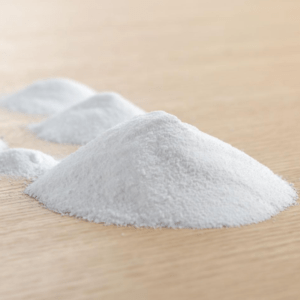
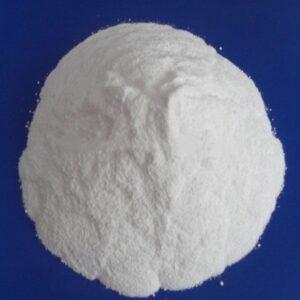
Sodium Tripolyphosphate (STPP) is a white crystalline inorganic phosphate salt with the molecular formula Na₅P₃O₁₀. It is a condensed phosphate compound that exists primarily in two crystalline forms: Phase I (high-temperature form) and Phase II (low-temperature form), with Phase I being preferred for most applications due to its superior hydration rate and sequestering properties. STPP is renowned for its exceptional ability to sequester metal ions, soften water, emulsify fats, and improve cleaning efficiency, making it an essential ingredient in detergent formulations and various industrial applications. This essential chemical compound is specifically formulated for detergent manufacturing, food processing, water treatment systems, ceramic production, and industrial processes requiring exceptional sequestering properties, water softening characteristics, and multi-industry performance.
At Chemicals & Process Equipment Limited, we supply high-performance Sodium Tripolyphosphate STPP 96% manufactured under stringent quality control standards and international food, detergent, water treatment, and industrial specifications. Our comprehensive product range includes food grades, technical grades, detergent grades, ceramic grades, and custom purity options meeting diverse requirements for detergent manufacturing, food processing, water treatment systems, ceramic production, and specialized industrial solutions across global detergent, food, water treatment, ceramic, and manufacturing markets.
✅ Advanced Phosphate Technology – Optimized Processing Properties & Multi-Industry Performance
✅ Consistent Quality Standards – Multiple Grade Classifications with Comprehensive Documentation
✅ Essential Sequestering Agent – Superior Detergent, Food, Water Treatment & Industrial Performance
✅ Multi-Industry Applications – Detergent, Food, Water Treatment, Ceramic, Chemical & Industrial Systems
✅ Technical Support Package – Complete Application Guidance & Performance Optimization
The global sodium tripolyphosphate market is experiencing steady growth driven by increasing demand for high-performance detergents, expanding food processing applications, growing water treatment requirements, and rising industrial applications requiring phosphate chemistry. Market expansion is supported by cleaning efficiency demands, food safety regulations, and increasing industrial applications requiring sequestering agents.
Technical Specifications & Sodium Tripolyphosphate STPP 96% Properties
| Property | Food Grade | Technical Grade | Detergent Grade | Industrial Grade | Ceramic Grade | Water Treatment Grade |
|---|---|---|---|---|---|---|
| Total P₂O₅ (%) | ≥57.0 | ≥56.0 | ≥57.5 | ≥56.0 | ≥57.0 | ≥55.0 |
| Na₅P₃O₁₀ Content (%) | ≥96.0 | ≥94.0 | ≥96.5 | ≥94.0 | ≥95.0 | ≥92.0 |
| Molecular Formula | Na₅P₃O₁₀ | Na₅P₃O₁₀ | Na₅P₃O₁₀ | Na₅P₃O₁₀ | Na₅P₃O₁₀ | Na₅P₃O₁₀ |
| Molecular Weight | 367.86 g/mol | 367.86 g/mol | 367.86 g/mol | 367.86 g/mol | 367.86 g/mol | 367.86 g/mol |
| Phase I Content (%) | ≥85 | ≥80 | ≥90 | ≥75 | ≥85 | ≥70 |
| pH (1% Solution) | 9.2-10.0 | 9.0-10.2 | 9.2-9.8 | 9.0-10.5 | 9.2-10.0 | 8.8-10.5 |
| Water Solubility (g/100mL at 25°C) | 14.5 | 14.5 | 14.5 | 14.5 | 14.5 | 14.5 |
| Water Insoluble Matter (%) | ≤0.05 | ≤0.10 | ≤0.03 | ≤0.15 | ≤0.05 | ≤0.20 |
| Iron (Fe) (%) | ≤0.007 | ≤0.015 | ≤0.005 | ≤0.020 | ≤0.010 | ≤0.030 |
| Heavy Metals (as Pb) (%) | ≤0.001 | ≤0.003 | ≤0.001 | ≤0.005 | ≤0.002 | ≤0.010 |
| Arsenic (As) (ppm) | ≤3 | ≤10 | ≤3 | ≤15 | ≤5 | ≤20 |
| Fluoride (F) (ppm) | ≤50 | ≤100 | ≤50 | ≤150 | ≤75 | ≤200 |
| Chloride (Cl) (%) | ≤0.025 | ≤0.050 | ≤0.020 | ≤0.075 | ≤0.030 | ≤0.100 |
| Sulfate (SO₄) (%) | ≤0.50 | ≤1.00 | ≤0.40 | ≤1.50 | ≤0.60 | ≤2.00 |
| Orthophosphate (as P₂O₅) (%) | ≤1.0 | ≤2.0 | ≤0.5 | ≤3.0 | ≤1.5 | ≤4.0 |
| Pyrophosphate (as P₂O₅) (%) | ≤1.5 | ≤3.0 | ≤1.0 | ≤4.0 | ≤2.0 | ≤5.0 |
| Whiteness Index | ≥85 | ≥80 | ≥88 | ≥75 | ≥85 | ≥70 |
| Bulk Density (g/mL) | 0.90-1.10 | 0.85-1.05 | 0.95-1.15 | 0.80-1.00 | 0.90-1.10 | 0.75-0.95 |
| Particle Size (µm) | 100-400 | 150-500 | 80-300 | 200-800 | 100-400 | 300-1000 |
| Mesh Size (through) | 20 mesh ≥95% | 16 mesh ≥95% | 24 mesh ≥95% | 14 mesh ≥95% | 20 mesh ≥95% | 12 mesh ≥95% |
| Loss on Ignition (%) | ≤0.5 | ≤1.0 | ≤0.3 | ≤1.5 | ≤0.5 | ≤2.0 |
| Water Content (%) | ≤0.5 | ≤1.0 | ≤0.3 | ≤1.5 | ≤0.5 | ≤2.0 |
| Density (g/cm³) | 2.52 | 2.52 | 2.52 | 2.52 | 2.52 | 2.52 |
| Melting Point (°C) | 622 | 622 | 622 | 622 | 622 | 622 |
| Decomposition Temp (°C) | >650 | >650 | >650 | >650 | >650 | >650 |
| Crystal Form | Crystalline | Crystalline | Fine crystalline | Coarse crystalline | Crystalline | Granular |
| Color | White | White | Brilliant white | White to off-white | White | Off-white |
| Odor | Odorless | Odorless | Odorless | Odorless | Odorless | Slight |
| Hygroscopicity | Hygroscopic | Hygroscopic | Hygroscopic | Hygroscopic | Hygroscopic | Hygroscopic |
| Stability | Stable | Stable | Stable | Stable | Stable | Stable |
| Hydration Rate (sec) | ≤300 | ≤600 | ≤180 | ≤900 | ≤400 | ≤1200 |
| Sequestering Value (mg CaCO₃/g) | ≥300 | ≥280 | ≥320 | ≥260 | ≥290 | ≥240 |
| E-Number | E451(i) | – | – | – | – | – |
| CAS Number | 7758-29-4 | 7758-29-4 | 7758-29-4 | 7758-29-4 | 7758-29-4 | 7758-29-4 |
| EINECS Number | 231-838-7 | 231-838-7 | 231-838-7 | 231-838-7 | 231-838-7 | 231-838-7 |
| HS Code | 28353100 | 28353100 | 28353100 | 28353100 | 28353100 | 28353100 |
| Storage Temperature | 5-40°C | 5-45°C | 5-40°C | 0-50°C | 5-40°C | 0-50°C |
| Relative Humidity | <70% RH | <75% RH | <70% RH | <80% RH | <70% RH | <85% RH |
| Shelf Life | 2 years | 3 years | 2 years | 3 years | 2 years | 3 years |
| Packaging Options | 25kg bags | 25kg bags, 1000kg bags | 25kg bags | 25kg bags, 1000kg bags | 25kg bags | Bulk containers |
Available Grade Types:
- Food Grade (E451i) for food processing applications
- Technical Grade for general industrial applications
- Detergent Grade for cleaning product manufacturing
- Industrial Grade for heavy-duty industrial processes
- Ceramic Grade for ceramic and refractory applications
- Water Treatment Grade for municipal and industrial water treatment
- High Purity Grade for specialized applications
- Phase I Enriched Grade for superior performance
- Custom Grades for specific requirements
Specialized Processing Solutions:
- Phase ratio optimization for specific applications
- Particle size control for dissolution characteristics
- Bulk density adjustment for handling requirements
- Anti-caking treatments for flow properties
- Quality testing and certification programs
- Technical documentation support
- Regulatory compliance assistance
- Application optimization consulting
Detergent & Cleaning Applications
Laundry Detergent Manufacturing Detergent manufacturers utilize Sodium Tripolyphosphate STPP 96% for powder detergents, heavy-duty cleaners, and industrial laundry products requiring detergent specifications. Cleaning companies employ STPP for water softening, soil suspension, and detergent applications requiring superior cleaning performance.
Dishwashing Detergent Production Commercial dishwashing manufacturers use Sodium Tripolyphosphate STPP 96% for automatic dishwashing detergents, institutional cleaners, and warewashing products requiring dishwashing specifications. Food service companies employ STPP for grease removal, water spot prevention, and dishwashing applications.
Industrial Cleaning Products Industrial cleaning manufacturers utilize Sodium Tripolyphosphate STPP 96% for degreasers, metal cleaners, and heavy-duty industrial cleaners requiring industrial cleaning specifications. Manufacturing companies employ STPP for equipment cleaning, surface preparation, and industrial cleaning applications.
Specialty Cleaning Applications Specialty cleaner manufacturers use Sodium Tripolyphosphate STPP 96% for car wash detergents, textile cleaners, and specialized cleaning products requiring specialty specifications. Service companies employ STPP for enhanced cleaning performance, stain removal, and specialty cleaning applications.
Food Processing Applications
Meat & Seafood Processing Food processors utilize Sodium Tripolyphosphate STPP 96% for meat processing, seafood preservation, and protein enhancement requiring food processing specifications. Meat companies employ STPP for moisture retention, protein binding, and food processing applications with improved texture and yield.
Dairy Product Manufacturing Dairy manufacturers use Sodium Tripolyphosphate STPP 96% for cheese processing, dairy emulsification, and protein stabilization requiring dairy specifications. Food companies employ STPP for protein functionality, emulsion stability, and dairy processing applications.
Canned Food Production Canning companies utilize Sodium Tripolyphosphate STPP 96% for canned vegetables, preserved foods, and processed food products requiring canning specifications. Food processors employ STPP for color retention, texture maintenance, and canned food applications.
Beverage Manufacturing Beverage producers use Sodium Tripolyphosphate STPP 96% for water treatment, beverage processing, and quality improvement requiring beverage specifications. Drink manufacturers employ STPP for water conditioning, mineral sequestration, and beverage applications.
Water Treatment Applications
Municipal Water Treatment Water treatment facilities utilize Sodium Tripolyphosphate STPP 96% for water softening, scale prevention, and municipal water treatment requiring water treatment specifications. Municipal utilities employ STPP for pipe protection, corrosion control, and water treatment applications.
Industrial Water Systems Industrial water treatment companies use Sodium Tripolyphosphate STPP 96% for boiler water treatment, cooling tower applications, and industrial water conditioning requiring industrial water specifications. Process companies employ STPP for scale inhibition, metal sequestration, and industrial water applications.
Swimming Pool Treatment Pool chemical manufacturers utilize Sodium Tripolyphosphate STPP 96% for sequestering agents, metal control, and pool water treatment requiring pool treatment specifications. Service companies employ STPP for stain prevention, water clarity, and swimming pool applications.
Reverse Osmosis Pretreatment Water purification companies use Sodium Tripolyphosphate STPP 96% for membrane protection, scale prevention, and RO pretreatment requiring membrane specifications. Treatment facilities employ STPP for fouling prevention, membrane life extension, and water purification applications.
Ceramic & Refractory Applications
Ceramic Manufacturing Ceramic manufacturers utilize Sodium Tripolyphosphate STPP 96% for clay processing, ceramic glazes, and refractory products requiring ceramic specifications. Pottery companies employ STPP for deflocculation, suspension stability, and ceramic applications with improved workability.
Tile & Sanitaryware Production Building materials manufacturers use Sodium Tripolyphosphate STPP 96% for tile manufacturing, sanitaryware production, and ceramic building products requiring construction specifications. Construction companies employ STPP for slip preparation, casting applications, and ceramic manufacturing.
Refractory Material Production Refractory manufacturers utilize Sodium Tripolyphosphate STPP 96% for high-temperature materials, furnace linings, and industrial refractories requiring refractory specifications. Steel companies employ STPP for refractory bonding, thermal shock resistance, and refractory applications.
Advanced Ceramics Manufacturing Technical ceramic manufacturers use Sodium Tripolyphosphate STPP 96% for advanced ceramics, electronic components, and precision ceramic products requiring technical specifications. Electronics companies employ STPP for ceramic processing, dimensional control, and advanced ceramic applications.
Industrial & Chemical Applications
Metal Treatment & Processing Metal processing companies utilize Sodium Tripolyphosphate STPP 96% for metal cleaning, surface treatment, and corrosion protection requiring metal treatment specifications. Manufacturing companies employ STPP for scale removal, rust prevention, and metal processing applications.
Paper & Pulp Industry Paper manufacturers use Sodium Tripolyphosphate STPP 96% for pulp processing, bleaching assistance, and paper production requiring paper specifications. Pulp companies employ STPP for brightness improvement, metal control, and paper manufacturing applications.
Textile Processing Textile manufacturers utilize Sodium Tripolyphosphate STPP 96% for fabric treatment, dyeing processes, and textile finishing requiring textile specifications. Clothing companies employ STPP for color fastness, fabric softening, and textile processing applications.
Oil & Gas Applications Energy companies use Sodium Tripolyphosphate STPP 96% for drilling fluids, scale inhibition, and oilfield applications requiring energy specifications. Service companies employ STPP for formation protection, equipment maintenance, and oil & gas applications.
Specialized Applications
Photography & Imaging Photographic manufacturers utilize Sodium Tripolyphosphate STPP 96% for developer solutions, fixer preparations, and imaging applications requiring photographic specifications. Imaging companies employ STPP for chemical processing, image quality, and photographic applications.
Agricultural Applications Agricultural companies use Sodium Tripolyphosphate STPP 96% for fertilizer production, soil conditioning, and agricultural chemicals requiring agricultural specifications. Farm supply companies employ STPP for nutrient delivery, soil improvement, and agricultural applications.
Pharmaceutical Manufacturing Pharmaceutical companies utilize Sodium Tripolyphosphate STPP 96% for drug processing, tablet manufacturing, and pharmaceutical applications requiring pharmaceutical specifications. Drug manufacturers employ STPP for excipient functions, processing aids, and pharmaceutical applications.
Laboratory & Research Applications Laboratory suppliers use Sodium Tripolyphosphate STPP 96% for analytical chemistry, research applications, and laboratory reagents requiring analytical specifications. Research facilities employ STPP for sample preparation, analytical procedures, and laboratory applications.
Quality Control & Testing Procedures
Comprehensive Quality Assurance Every production batch undergoes extensive testing to ensure compliance with food safety standards, detergent industry requirements, water treatment specifications, and international quality guidelines. Our quality control laboratory employs advanced analytical techniques including phosphate analysis, phase determination, and physical property evaluation.
Quality assurance procedures include:
- Total P₂O₅ content analysis using gravimetric methods
- Na₅P₃O₁₀ purity determination using ion chromatography
- Phase I/Phase II ratio analysis using X-ray diffraction
- pH measurement using calibrated pH meters
- Water solubility testing under controlled conditions
- Heavy metals testing using ICP-MS analysis
- Iron content determination using colorimetric methods
- Arsenic analysis using atomic absorption spectroscopy
- Chloride and sulfate content analysis using ion chromatography
- Orthophosphate and pyrophosphate impurity analysis
- Particle size distribution analysis using sieve analysis
- Bulk density measurement using standardized methods
- Whiteness index determination using colorimetry
- Hydration rate testing using dissolution methods
- Sequestering value measurement using EDTA titration
- Water content determination using Karl Fischer method
- Loss on ignition testing using muffle furnace
- Microbiological testing for food grade products
- Physical appearance and odor evaluation
- Food safety compliance verification for food grades
- Detergent performance testing for cleaning grades
- Water treatment efficacy evaluation for water grades
- Quality consistency monitoring using statistical process control
Storage & Handling Procedures Implement proper storage conditions including temperature control, humidity management below 70% RH, and protection from moisture for maintaining Sodium Tripolyphosphate STPP 96% quality and preventing caking throughout storage periods.
For comprehensive information about sodium tripolyphosphate properties, applications, and environmental considerations, you can reference this detailed scientific overview of phosphates in detergents and food applications which provides extensive coverage of STPP chemistry, applications across industries, environmental impact, and regulatory considerations.
Market Applications & Industry Trends
Sustainable Cleaning Solutions Growing demand for effective cleaning products drives continued use of STPP in detergent formulations, particularly in concentrated and high-performance cleaning products requiring superior sequestering properties.
Food Processing Efficiency Expanding global food processing industry supports growth in STPP applications for protein functionality, moisture retention, and food quality improvement in meat and seafood processing.
Water Treatment Expansion Increasing water treatment requirements and infrastructure development drive adoption of STPP for scale prevention, corrosion control, and water conditioning applications.
Ceramic Industry Growth Expanding construction and advanced materials sectors support continued growth in STPP applications for ceramic processing and refractory manufacturing.
Environmental & Regulatory Compliance
Food Safety Standards & Certifications Sodium Tripolyphosphate STPP 96% complies with FDA food additive regulations, EU food additive directives (E451i), and international food safety guidelines ensuring safe use in food processing applications with established usage levels and safety assessments.
Detergent Industry Standards Adherence to detergent industry specifications, environmental guidelines, and cleaning performance standards supports responsible use in cleaning product formulations with consideration for aquatic environment impacts.
Water Treatment Compliance Compliance with water treatment standards, drinking water regulations, and environmental protection guidelines ensures appropriate use in municipal and industrial water treatment applications.
Environmental Standards & Sustainability Environmental compliance includes phosphate discharge monitoring, aquatic impact assessments, and sustainable usage guidelines ensuring responsible application with minimal environmental impact and regulatory compliance.
Performance Advantages & Technical Benefits
✔ Superior Sequestering Power – Excellent metal ion chelation and water softening capabilities
✔ High Phase I Content – Superior hydration rate and sequestering performance
✔ Multi-Functional Properties – Sequestering, emulsifying, and dispersing in one compound
✔ Excellent Water Solubility – Rapid dissolution for immediate effectiveness
✔ pH Buffering Capacity – Maintains optimal pH conditions for various applications
✔ Thermal Stability – Stable under processing and storage conditions
✔ Food Grade Available – FDA approved for food processing applications
✔ Cost-Effective Performance – High efficiency reduces usage requirements
✔ Broad Application Range – Suitable for detergent, food, water treatment, and industrial uses
✔ Quality Consistency – Reliable performance across production batches
✔ High Purity Available – Multiple grade options for specific requirements
✔ Excellent Shelf Life – Stable under proper storage conditions
✔ Processing Versatility – Compatible with various manufacturing processes
✔ Regulatory Approved – Accepted for use in multiple industries globally
✔ Technical Support – Comprehensive application guidance and optimization
Our Sodium Tripolyphosphate STPP 96% products represent industry-leading standards in phosphate chemistry and multi-industry chemical solutions, specifically formulated for demanding detergent operations, food processing applications, water treatment systems, ceramic manufacturing, and specialized industrial processes. We provide comprehensive technical support, formulation guidance, and regulatory consultation to ensure optimal performance across your specialized detergent, food, water treatment, ceramic, or industrial applications.
For detailed specifications, technical data sheets, or application-specific recommendations, contact our specialized chemical products division. We offer complete support including formulation optimization, regulatory guidance, and technical assistance to maximize effectiveness in your detergent, food, water treatment, ceramic, or industrial applications.
For more information about our products, feel free to Contact Us today.
Related products
Recently Viewed
Reviews
There are no reviews yet.