
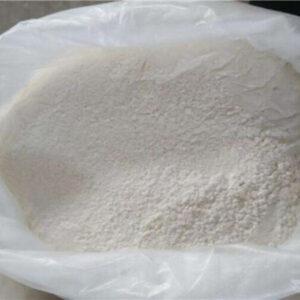
Sodium CMC Carboxymethylcellulose
In Stock
Highlights:
Sodium CMC Carboxymethylcellulose
Premium Quality Sodium CMC Carboxymethylcellulose – High Performance Thickening Agent for Food Processing, Pharmaceutical Applications, Industrial Manufacturing & Specialized Uses
Sodium CMC Carboxymethylcellulose is a high-performance water-soluble cellulose derivative extensively utilized in food processing, pharmaceutical formulations, industrial manufacturing, and specialized applications requiring superior thickening, stabilizing, and binding properties.
✅ Ultra-High Performance Sodium CMC – Superior Thickening & Multi-Industry Processing Performance
✅ Multiple Viscosity Grades – Food Grade, Pharmaceutical Grade, Technical Grade for Specialized Applications
✅ Excellent Water Solubility – Biocompatible, Non-toxic Options for Food & Pharmaceutical Performance
✅ Multi-Industry Compatible – Enhanced Food, Pharmaceutical, Industrial & Manufacturing Properties
✅ Food Processing, Pharmaceutical Formulations, Industrial Applications & Specialized Manufacturing Uses
Description
High-Quality Sodium CMC Carboxymethylcellulose
Sodium CMC Carboxymethylcellulose represents one of the most important products of cellulose ethers, formed by natural cellulose modification as a cellulose derivative with an ether structure, specifically formulated for food processing, pharmaceutical manufacturing, industrial applications, and specialized operations requiring exceptional thickening properties, water retention capabilities, and multi-industry effectiveness. This essential cellulose derivative is used for its thickening and swelling properties in a wide range of complex formulated products for pharmaceutical, food, home, and personal care applications, as well as in paper, water treatment, and mineral processing industries.
At Chemicals & Process Equipment Limited, we supply high-performance Sodium CMC Carboxymethylcellulose manufactured under stringent quality control standards and international food, pharmaceutical, and industrial specifications. Our comprehensive product range includes food grades, pharmaceutical grades, technical formulations, and custom viscosity options meeting diverse requirements for food manufacturing, pharmaceutical production, industrial systems, and specialized processing solutions across global food, pharmaceutical, industrial, and manufacturing markets.
✅ Advanced Cellulose Derivative Technology – Optimized Processing Properties & Multi-Industry Performance
✅ Consistent Quality Standards – Multiple Grade Classifications with Comprehensive Documentation
✅ Essential Water-Soluble Polymer – Superior Food, Pharmaceutical & Industrial Performance
✅ Multi-Industry Applications – Food, Pharmaceutical, Industrial & Manufacturing Systems
✅ Technical Support Package – Complete Application Guidance & Performance Optimization
The global Carboxymethyl cellulose market size was valued at USD 1.5-1.99 billion in 2024 and is projected to reach USD 2.64 billion by 2032, growing at a CAGR of 3.32-4.3% during the forecast period. This growth is driven by increasing food processing demand, expanding pharmaceutical applications, growing industrial requirements, and rising demand for natural thickening agents across global food, pharmaceutical, and industrial markets.
Technical Specifications & Sodium CMC Properties
| Property | Food Grade Low Viscosity | Food Grade High Viscosity | Pharmaceutical Grade | Technical Grade | Oil Drilling Grade | Detergent Grade |
|---|---|---|---|---|---|---|
| Viscosity (1% Solution, cPs) | 20-100 | 2000-6000 | 300-800 | 1000-4000 | 1500-3000 | 500-1500 |
| Degree of Substitution (DS) | 0.65-0.85 | 0.75-0.95 | 0.70-0.90 | 0.60-0.90 | 0.80-1.20 | 0.65-0.95 |
| pH (1% Solution) | 6.5-8.5 | 6.5-8.5 | 6.0-8.0 | 6.0-9.0 | 7.0-9.0 | 8.0-11.0 |
| Moisture Content (%) | ≤8.0 | ≤8.0 | ≤7.0 | ≤10.0 | ≤8.0 | ≤10.0 |
| Purity (%) | ≥99.5 | ≥99.5 | ≥99.8 | ≥95.0 | ≥95.0 | ≥90.0 |
| Sodium Content (%) | 6.5-9.5 | 7.0-12.0 | 6.5-9.5 | 6.0-12.0 | 8.0-15.0 | 8.0-15.0 |
| Chloride Content (ppm) | ≤500 | ≤500 | ≤300 | ≤1000 | ≤1500 | ≤2000 |
| Heavy Metals (ppm) | ≤10 | ≤10 | ≤5 | ≤20 | ≤50 | ≤50 |
| Arsenic (ppm) | ≤3 | ≤3 | ≤1 | ≤5 | ≤10 | ≤10 |
| Lead (ppm) | ≤2 | ≤2 | ≤1 | ≤5 | ≤10 | ≤10 |
| Loss on Drying (%) | ≤8.0 | ≤8.0 | ≤7.0 | ≤10.0 | ≤8.0 | ≤10.0 |
| Particle Size (Mesh) | 80-120 | 80-120 | 100-200 | 60-100 | 80-120 | 40-80 |
| Bulk Density (g/mL) | 0.50-0.70 | 0.50-0.70 | 0.55-0.75 | 0.45-0.65 | 0.50-0.70 | 0.45-0.65 |
| Water Retention (%) | 95-98 | 96-99 | 95-98 | 90-95 | 92-96 | 85-92 |
| Gel Strength | Medium | High | Medium-High | Variable | High | Low-Medium |
| Thermal Stability (°C) | Up to 120 | Up to 120 | Up to 120 | Up to 150 | Up to 150 | Up to 130 |
| Solubility | Complete in cold water | Complete in cold water | Complete in cold water | Complete in water | Complete in water | Complete in water |
| Film Forming | Excellent | Excellent | Excellent | Good | Good | Fair |
| Emulsification | Good | Excellent | Good | Fair | Fair | Good |
| Suspension | Excellent | Excellent | Excellent | Good | Excellent | Good |
| Binding Capacity | Good | Excellent | Good | Fair | Good | Fair |
| Salt Tolerance | Moderate | Moderate | Moderate | Good | Excellent | Excellent |
| Acid Tolerance | pH 2-12 | pH 2-12 | pH 3-11 | pH 2-12 | pH 6-12 | pH 8-12 |
| Freeze-Thaw Stability | Good | Excellent | Good | Fair | Good | Fair |
| Microbiology | <1000 cfu/g | <1000 cfu/g | <100 cfu/g | <10000 cfu/g | <5000 cfu/g | <10000 cfu/g |
| E.coli/Salmonella | Negative | Negative | Negative | – | – | – |
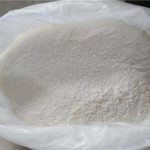
| Appearance | White to cream powder | White to cream powder | White powder | White to off-white | White to cream | Off-white to grey |
| Odor | Odorless | Odorless | Odorless | Slight | Slight | Slight |
| Processing Method | Cold water dissolution, hot water swelling | |||||
| Storage Conditions | Cool, dry, ventilated environment, away from moisture | |||||
| Shelf Life | 2-3 years | |||||
| Packaging Options | 25kg bags, 500kg big bags, bulk containers |
Available Grade Types:
- Food Grade for food processing applications
- Pharmaceutical Grade for drug formulations
- Technical Grade for industrial applications
- Oil Drilling Grade for drilling fluid applications
- Detergent Grade for cleaning products
- Paper Grade for paper manufacturing
- Textile Grade for textile processing
- Cosmetic Grade for personal care products
- Paint Grade for paint formulations
- Ceramic Grade for ceramic applications
Specialized Processing Solutions:
- Cold water dissolution systems
- High shear mixing for uniform dispersion
- pH adjustment for optimal performance
- Temperature control for viscosity management
- Filtration systems for purity maintenance
- Spray drying for powder production
- Granulation for improved handling
- Custom blending for specific applications
Food & Beverage Applications
Food Processing & Manufacturing Food manufacturers utilize Sodium CMC for its thickening properties in various food applications, including sauces, dressings, and processed foods requiring food grade specifications. Food companies employ CMC for texture enhancement, moisture retention, and food processing applications.
Bakery & Confectionery Products Bakery manufacturers use Sodium CMC for bread improvers, cake mixes, and confectionery products requiring bakery specifications. Confectionery companies employ CMC for texture control, shelf life extension, and bakery applications.
Dairy & Frozen Products Dairy manufacturers utilize Sodium CMC for ice cream, yogurt, and dairy products requiring dairy specifications. Frozen food companies employ CMC for freeze-thaw stability, texture improvement, and dairy applications.
Beverages & Liquid Products Beverage manufacturers use Sodium CMC for fruit drinks, protein beverages, and liquid products requiring beverage specifications. Drink companies employ CMC for suspension properties, mouthfeel enhancement, and beverage applications.
Pharmaceutical & Healthcare Applications
Pharmaceutical Formulations Pharmaceutical manufacturers utilize Sodium CMC in oral and topical pharmaceutical formulations, primarily for its viscosity-increasing properties, with viscous aqueous solutions used to suspend powders intended for either topical application or oral administration. Drug companies employ CMC for controlled release, tablet binding, and pharmaceutical applications.
Topical & External Preparations Pharmaceutical manufacturers use Sodium CMC for creams, gels, and topical preparations requiring pharmaceutical specifications. Healthcare companies employ CMC for skin compatibility, moisture retention, and topical applications.
Oral Drug Delivery Systems Drug manufacturers utilize Sodium CMC for tablets, capsules, and oral formulations requiring pharmaceutical specifications. Pharmaceutical companies employ CMC for disintegration control, drug release, and oral delivery applications.
Medical Device & Equipment Medical manufacturers use Sodium CMC for medical devices, diagnostic equipment, and healthcare products requiring medical specifications. Healthcare companies employ CMC for biocompatibility, lubrication, and medical applications.
Industrial & Manufacturing Applications
Paper & Pulp Industry Paper manufacturers utilize technical CMC in paper applications such as the restoration of archival documents. Paper companies employ CMC for surface sizing, coating applications, and paper manufacturing.
Textile & Fiber Processing Textile manufacturers use Sodium CMC for fabric sizing, printing paste, and textile applications requiring textile specifications. Fiber companies employ CMC for fiber treatment, dyeing processes, and textile applications.
Paint & Coatings Industry Paint manufacturers utilize Sodium CMC for water-based paints, coatings, and surface treatments requiring paint specifications. Coating companies employ CMC for rheology control, pigment suspension, and paint applications.
Adhesives & Sealants Adhesive manufacturers use Sodium CMC for water-based adhesives, sealants, and bonding applications requiring adhesive specifications. Sealant companies employ CMC for bonding strength, water resistance, and adhesive applications.
Specialized Industrial Applications
Oil & Gas Drilling Operations Oil drilling companies utilize Sodium CMC for drilling fluids, mud systems, and extraction operations requiring oil field specifications. Gas companies employ CMC for fluid loss control, viscosity management, and drilling applications.
Detergent & Cleaning Products Detergent manufacturers use technical CMC as a thickening agent in detergents. Cleaning companies employ CMC for soil suspension, anti-redeposition, and detergent applications.
Mining & Mineral Processing Mining companies utilize Sodium CMC for ore beneficiation, flotation processes, and mineral extraction requiring mining specifications. Processing companies employ CMC for particle separation, slurry control, and mining applications.
Water Treatment & Environmental Water treatment facilities use Sodium CMC for flocculation, clarification, and water processing requiring environmental specifications. Treatment companies employ CMC for sludge conditioning, filtration aid, and water treatment applications.
Quality Control & Testing Procedures
Comprehensive Quality Assurance Every production batch undergoes extensive testing to ensure compliance with food safety standards, pharmaceutical regulations, and international quality requirements. Our quality control laboratory employs advanced analytical techniques including viscosity testing, chemical analysis, and microbiological evaluation.
Quality assurance procedures include:
- Viscosity measurement using Brookfield viscometer
- Degree of substitution analysis using titration method
- pH testing using calibrated pH meters
- Moisture content determination using Karl Fischer method
- Purity analysis using HPLC/GC methods
- Heavy metals testing using ICP-MS analysis
- Microbiological testing using standard methods
- Particle size analysis using laser diffraction
- Bulk density measurement using standard procedures
- Water retention testing using centrifugation method
- Film forming properties evaluation
- Thermal stability testing using TGA/DSC
- Salt tolerance testing under various conditions
- Acid-base stability evaluation
- Freeze-thaw stability assessment
- Food safety compliance verification
- Pharmaceutical standards compliance testing
- Quality consistency monitoring using statistical process control
Application Guidelines & Best Practices
Dissolution Guidelines Establish proper dissolution procedures for Sodium CMC including water temperature, mixing speed, and hydration time for optimal viscosity development and uniform distribution in food, pharmaceutical, and industrial applications.
Processing & Formulation Methods Develop appropriate processing techniques including pH control, temperature management, and additive compatibility for maximum product performance and stability in various applications.
Storage & Handling Procedures Implement proper storage conditions including moisture control, temperature management, and contamination prevention for maintaining CMC quality and performance throughout storage periods.
For comprehensive information about sodium carboxymethyl cellulose properties, applications, and processing techniques, you can reference this detailed technical guide on CMC applications and characteristics which provides extensive coverage of CMC properties, industrial applications, processing methods, and technical considerations.
Market Applications & Industry Trends
Food Industry Growth Expanding processed food demand and growing natural ingredients requirements drive continued growth in CMC applications for food processing, texture enhancement, and natural thickening solutions.
Pharmaceutical Market Expansion Growing pharmaceutical manufacturing and expanding drug delivery systems support increased adoption of CMC for controlled release, tablet formulations, and pharmaceutical applications worldwide.
Industrial Applications Development Expanding industrial processes and growing specialty chemical demands drive growth in CMC applications for oil drilling, paper processing, and industrial manufacturing.
Environmental & Regulatory Compliance
Food Safety Standards & Certifications Sodium CMC complies with FDA food additive regulations, EU food safety standards, and international food processing guidelines ensuring safe use in food and beverage applications.
Pharmaceutical Standards & Safety Adherence to USP/EP pharmacopeial standards, GMP manufacturing guidelines, and international pharmaceutical regulations supports responsible use in drug formulations and medical applications.
Environmental Standards & Sustainability Compliance with environmental regulations, biodegradability standards, and sustainability guidelines ensures appropriate use in environmentally conscious applications.
Performance Advantages & Technical Benefits
✔ Superior Thickening Properties – Outstanding viscosity control across wide concentration ranges
✔ Excellent Water Solubility – Complete dissolution in cold water for easy processing
✔ High Water Retention – Exceptional moisture binding for improved product stability
✔ Film Forming Capability – Excellent film properties for coating and barrier applications
✔ Thermal Stability – Maintains performance across processing temperatures
✔ Chemical Compatibility – Compatible with wide range of ingredients and additives
✔ Non-toxic & Safe – Food grade and pharmaceutical grade options for human consumption
✔ Biodegradable – Environmentally friendly cellulose-based material
✔ pH Stability – Maintains properties across wide pH ranges
✔ Salt Tolerance – Performs well in high ionic strength solutions
✔ Freeze-Thaw Stability – Maintains texture through temperature cycling
✔ Cost-Effective Solution – Economical natural thickening alternative
Our Sodium CMC Carboxymethylcellulose products represent industry-leading standards in cellulose derivative technology and multi-industry processing solutions, specifically formulated for demanding food operations, pharmaceutical applications, industrial systems, and specialized manufacturing applications. We provide comprehensive technical support, formulation guidance, and application consultation to ensure optimal performance across your specialized food, pharmaceutical, industrial, or manufacturing applications.
For detailed specifications, technical data sheets, or application-specific recommendations, contact our specialized cellulose derivatives division. We offer complete support including processing optimization, formulation development, and technical guidance to maximize effectiveness in your food, pharmaceutical, industrial, or manufacturing applications.
For more information about our products, feel free to Contact Us today.
Related products


Recently Viewed
Reviews
There are no reviews yet.