
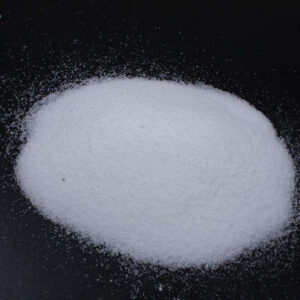
SODIUM CHLORITE 80%
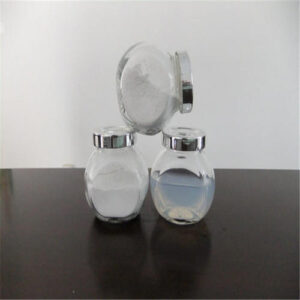
In Stock
Highlights:
Sodium Chlorite 80%
Premium Quality Sodium Chlorite 80% – High-Performance Chemical Solutions & Oxidizing Agent for Water Treatment, Disinfection, Bleaching, Industrial Processing & Chemical Manufacturing Applications
✅ Premium Chemical Solutions – Superior Purity & Oxidizing Properties
✅ High Concentration Formula – 80% Active Content for Efficient Applications
✅ Excellent Performance Properties – Superior Disinfection, Controlled Reaction, Long Storage Life
✅ Multi-Industry Compatible – Enhanced Water Treatment, Food Processing, Industrial & Manufacturing Applications
✅ Quality Assured – Established Application Guidelines Supporting Optimal Performance
Description
High-Quality Sodium Chlorite 80%
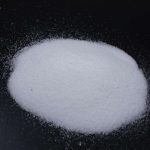
Sodium Chlorite 80%, with chemical formula NaClO₂, available as white crystalline powder or flakes with high active content and controlled impurity levels, is a specialized inorganic chemical appearing as free-flowing powder with excellent solubility and stable oxidizing properties. Sodium Chlorite 80% represents one of the most effective oxidizing agents and disinfectants, providing exceptional antimicrobial activity, excellent chlorine dioxide generation potential, superior chemical stability, and outstanding application versatility, making it essential for water treatment plants, food processing facilities, textile manufacturing, pulp and paper production, and industrial chemical processing requiring high-performance oxidation characteristics and consistent disinfection behavior.
At Chemicals & Process Equipment Limited, we supply high-performance Sodium Chlorite 80% manufactured under stringent quality control standards and international water treatment, food processing, industrial, and chemical manufacturing specifications. Our comprehensive product range includes various packaging options, purity grades, and specialized applications meeting diverse requirements for municipal water treatment, industrial disinfection, bleaching operations, chemical synthesis, and specialized oxidation processing across global water treatment, food processing, textile, and chemical manufacturing markets.
✅ Advanced Chemical Technology – Optimized Purity & Multi-Industry Applications
✅ Consistent Quality Standards – Multiple Product Classifications with Comprehensive Documentation
✅ Essential Oxidizing Agent – Superior Water Treatment, Disinfection & Industrial Performance
✅ Multi-Industry Applications – Water Treatment, Food Processing, Textiles, Pulp & Paper, Chemical Manufacturing
✅ Technical Support Package – Complete Application Guidance & Performance Optimization
The global sodium chlorite market was valued at approximately USD 185 million in 2023 and is projected to reach USD 265 million by 2030, growing at a CAGR of 5.2% during the forecast period. Market expansion is driven by increasing water treatment requirements, growing food safety regulations, expanding industrial applications, rising disinfection standards, and advanced oxidation technologies requiring high-performance sodium chlorite solutions.
Technical Specifications & Sodium Chlorite 80% Properties
| Property | Technical Grade | Food Grade | Water Treatment | Industrial Grade | Textile Grade | Pharma Grade |
|---|---|---|---|---|---|---|
| Active Content (%) | 78-82 | 80-82 | 79-81 | 78-83 | 80-82 | 81-83 |
| Sodium Chlorate (%) | ≤2.5 | ≤1.0 | ≤1.5 | ≤3.0 | ≤2.0 | ≤0.8 |
| Sodium Chloride (%) | ≤15 | ≤12 | ≤13 | ≤18 | ≤14 | ≤10 |
| Sodium Hydroxide (%) | ≤0.5 | ≤0.3 | ≤0.4 | ≤0.8 | ≤0.5 | ≤0.2 |
| Water Content (%) | ≤2.0 | ≤1.5 | ≤1.8 | ≤2.5 | ≤2.0 | ≤1.0 |
| Heavy Metals (ppm) | ≤50 | ≤10 | ≤20 | ≤100 | ≤30 | ≤5 |
| Iron (ppm) | ≤10 | ≤3 | ≤5 | ≤20 | ≤8 | ≤2 |
| Arsenic (ppm) | ≤3 | ≤1 | ≤2 | ≤5 | ≤3 | ≤0.5 |
| Lead (ppm) | ≤5 | ≤1 | ≤2 | ≤10 | ≤3 | ≤1 |
| Mercury (ppm) | ≤1 | ≤0.1 | ≤0.5 | ≤2 | ≤1 | ≤0.1 |
| pH (1% solution) | 11-13 | 11.5-12.5 | 11-12.5 | 10.5-13 | 11-12.5 | 11.5-12.5 |
| Bulk Density (g/L) | 900-1100 | 950-1050 | 900-1000 | 800-1200 | 900-1000 | 950-1050 |
| Particle Size (mesh) | 20-100 | 40-80 | 30-80 | 10-120 | 40-100 | 60-120 |
| Solubility (g/L at 20°C) | 380-420 | 390-410 | 380-400 | 350-450 | 380-410 | 390-420 |
| Melting Point (°C) | 180-200 | 185-195 | 180-195 | 175-205 | 180-200 | 185-200 |
| Decomposition Temp (°C) | 200-230 | 210-225 | 205-225 | 195-235 | 200-225 | 210-230 |
| Molecular Weight | 90.44 | 90.44 | 90.44 | 90.44 | 90.44 | 90.44 |
| Density (g/cm³) | 2.38 | 2.38 | 2.38 | 2.38 | 2.38 | 2.38 |
| Vapor Pressure (Pa at 25°C) | Negligible | Negligible | Negligible | Negligible | Negligible | Negligible |
| Flash Point | Non-flammable | Non-flammable | Non-flammable | Non-flammable | Non-flammable | Non-flammable |
| Autoignition Temp (°C) | N/A | N/A | N/A | N/A | N/A | N/A |
| Oxidizing Potential (V) | 0.95 | 0.95 | 0.95 | 0.95 | 0.95 | 0.95 |
| ClO₂ Generation (%) | 75-85 | 78-82 | 76-84 | 70-88 | 75-85 | 78-85 |
| Available Chlorine (%) | 157-167 | 160-165 | 158-164 | 155-170 | 157-167 | 160-168 |
| Stability Index | 8-12 months | 10-15 months | 9-12 months | 6-18 months | 8-12 months | 12-18 months |
| Color | White | White | White | Off-white | White | Pure white |
| Odor | Slight chlorine | Odorless | Slight chlorine | Chlorine | Slight chlorine | Odorless |
| Hygroscopicity | Low | Very low | Low | Moderate | Low | Very low |
| Flowability | Excellent | Excellent | Good | Variable | Good | Excellent |
| Dust Formation | Low | Very low | Low | Moderate | Low | Very low |
| Corrosiveness | Moderate | Low | Moderate | High | Moderate | Low |
| UV Sensitivity | Moderate | Low | Moderate | High | Moderate | Low |
| Temperature Stability | Good | Excellent | Good | Fair | Good | Excellent |
| Humidity Resistance | Good | Excellent | Good | Fair | Good | Excellent |
| Packaging Compatibility | Standard | Food grade | Standard | Industrial | Standard | Pharma grade |
| Storage Temperature (°C) | 5-35 | 10-30 | 5-30 | 0-40 | 5-30 | 10-25 |
| Relative Humidity (%) | <60 | <50 | <55 | <70 | <60 | <45 |
| Shelf Life (months) | 12 | 18 | 15 | 9 | 12 | 24 |
| Dosing Rate (ppm) | 0.5-50 | 0.1-10 | 0.2-20 | 1-100 | 0.5-30 | 0.1-5 |
| Contact Time (minutes) | 1-30 | 0.5-10 | 1-15 | 5-60 | 2-20 | 0.5-5 |
| pH Working Range | 6-9 | 6.5-8.5 | 6-8.5 | 5-10 | 6-9 | 6.5-8 |
| Temperature Range (°C) | 5-60 | 10-50 | 5-55 | 0-70 | 10-60 | 15-45 |
| Log Reduction | 3-6 | 4-6 | 3-5 | 2-6 | 3-5 | 4-6 |
| Reaction Time (seconds) | 10-300 | 5-120 | 10-180 | 30-600 | 15-240 | 5-60 |
| Mixing Requirements | Gentle | Minimal | Moderate | Vigorous | Gentle | Minimal |
| Dilution Ratio | 1:10-1:10000 | 1:100-1:50000 | 1:50-1:20000 | 1:5-1:5000 | 1:20-1:10000 | 1:200-1:100000 |
| Cost per kg | Medium | High | Medium | Low | Medium | Very high |
| Environmental Impact | Moderate | Low | Moderate | High | Moderate | Very low |
| Biodegradability | Excellent | Excellent | Excellent | Good | Excellent | Excellent |
| Aquatic Toxicity | Low | Very low | Low | Moderate | Low | Very low |
| Bioaccumulation | None | None | None | None | None | None |
| Regulatory Approval | Industrial | FDA/GRAS | EPA/NSF | Industrial | Textile | USP/Ph.Eur |
| Transport Classification | 5.1 Oxidizer | 5.1 Oxidizer | 5.1 Oxidizer | 5.1 Oxidizer | 5.1 Oxidizer | 5.1 Oxidizer |
| UN Number | UN1496 | UN1496 | UN1496 | UN1496 | UN1496 | UN1496 |
| Packing Group | II | II | II | II | II | II |
| Hazard Class | Oxidizing | Oxidizing | Oxidizing | Oxidizing | Oxidizing | Oxidizing |
| Special Precautions | Fire risk | Food contact | Water systems | Industrial | Textile safe | Medical grade |
| Quality Standard | ASTM | FDA CFR | NSF/ANSI | ISO | AATCC | USP |
| Testing Frequency | Monthly | Weekly | Bi-weekly | Quarterly | Monthly | Daily |
| Documentation | COA | COA+FDA | COA+NSF | COA | COA+AATCC | COA+USP |
| Traceability | Batch | Full | Full | Batch | Batch | Complete |
Available Product Types:
- Technical Grade 80% for general industrial applications
- Food Grade 80% for food processing and beverage treatment
- Water Treatment Grade 80% for municipal and industrial water systems
- Pharmaceutical Grade 80% for medical and healthcare applications
- Textile Grade 80% for fabric bleaching and processing
- High Purity Grade 80% for specialized chemical synthesis
- Stabilized Grade 80% for extended storage requirements
- Granular Form for controlled dissolution rates
- Powder Form for rapid dissolution applications
- Flake Form for bulk handling and storage
- Tablet Form for convenient dosing applications
- Solution Concentrates for direct application systems
- Custom Blends for specific application requirements
- Analytical Grade for laboratory and research use
- Electronic Grade for semiconductor applications
Specialized Application Solutions:
- Dosing system design and optimization
- pH adjustment and buffering recommendations
- Contact time and concentration calculations
- Safety protocols and handling procedures
- Storage and transportation guidelines
- Equipment compatibility assessment
- Performance monitoring systems
- Training and certification programs
- Regulatory compliance assistance
- Custom formulation development
Water Treatment Applications
Municipal Water Treatment Water utilities utilize Sodium Chlorite 80% for drinking water disinfection, chlorine dioxide generation, and pathogen control requiring municipal water specifications. Water treatment plants employ sodium chlorite for primary disinfection, secondary treatment, and water applications requiring microbial reduction, taste and odor control, and regulatory compliance for public water supplies.
Industrial Water Systems Industrial facilities use Sodium Chlorite 80% for cooling tower treatment, boiler water conditioning, and process water disinfection requiring industrial water specifications. Manufacturing companies employ sodium chlorite for biofouling control, legionella prevention, and industrial applications requiring system protection, equipment longevity, and operational efficiency.
Wastewater Treatment Wastewater treatment plants utilize Sodium Chlorite 80% for effluent disinfection, odor control, and final polishing requiring wastewater specifications. Environmental companies employ sodium chlorite for pathogen reduction, regulatory compliance, and wastewater applications requiring environmental protection, discharge standards, and public health safety.
Swimming Pool & Spa Treatment Pool service companies use Sodium Chlorite 80% for water sanitization, algae control, and recreational water treatment requiring pool water specifications. Aquatic facilities employ sodium chlorite for continuous disinfection, shock treatment, and pool applications requiring swimmer safety, water clarity, and health department compliance.
Food Processing Applications
Food & Beverage Disinfection Food processors utilize Sodium Chlorite 80% for equipment sanitization, surface disinfection, and food contact applications requiring food grade specifications. Food manufacturers employ sodium chlorite for CIP systems, food safety programs, and food applications requiring pathogen elimination, shelf life extension, and FDA compliance.
Fruit & Vegetable Washing Produce companies use Sodium Chlorite 80% for fresh produce washing, pathogen reduction, and post-harvest treatment requiring produce wash specifications. Agricultural processors employ sodium chlorite for E. coli control, salmonella reduction, and produce applications requiring food safety, quality preservation, and organic approval where applicable.
Meat & Poultry Processing Meat processors utilize Sodium Chlorite 80% for carcass washing, equipment disinfection, and processing area sanitization requiring meat processing specifications. Poultry companies employ sodium chlorite for pathogen intervention, HACCP compliance, and meat applications requiring microbiological safety, regulatory approval, and quality assurance.
Dairy Processing Dairy companies use Sodium Chlorite 80% for equipment cleaning, pipeline disinfection, and dairy facility sanitization requiring dairy processing specifications. Milk processors employ sodium chlorite for bacterial control, quality maintenance, and dairy applications requiring product safety, extended shelf life, and regulatory compliance.
Industrial Applications
Pulp & Paper Manufacturing Paper mills utilize Sodium Chlorite 80% for pulp bleaching, brightness enhancement, and fiber treatment requiring pulp bleaching specifications. Paper companies employ sodium chlorite for chlorine dioxide generation, elemental chlorine-free bleaching, and paper applications requiring environmental compliance, product quality, and cost-effective bleaching.
Textile Manufacturing Textile companies use Sodium Chlorite 80% for fabric bleaching, cotton processing, and fiber preparation requiring textile specifications. Garment manufacturers employ sodium chlorite for whiteness improvement, stain removal, and textile applications requiring colorfastness, fabric integrity, and environmental safety.
Oil & Gas Operations Energy companies utilize Sodium Chlorite 80% for biocide treatment, system disinfection, and microbial control requiring oil field specifications. Petroleum companies employ sodium chlorite for SRB control, corrosion prevention, and oil field applications requiring equipment protection, production optimization, and environmental compliance.
Chemical Manufacturing Chemical producers use Sodium Chlorite 80% for oxidation reactions, intermediate synthesis, and process chemistry requiring chemical manufacturing specifications. Industrial companies employ sodium chlorite for controlled oxidation, selective reactions, and chemical applications requiring reaction control, product purity, and process efficiency.
Healthcare Applications
Hospital Disinfection Healthcare facilities utilize Sodium Chlorite 80% for surface disinfection, equipment sterilization, and infection control requiring healthcare specifications. Hospitals employ sodium chlorite for pathogen elimination, HAI prevention, and healthcare applications requiring patient safety, regulatory compliance, and antimicrobial effectiveness.
Medical Device Processing Medical device manufacturers use Sodium Chlorite 80% for device sterilization, cleaning validation, and bioburden reduction requiring medical device specifications. Healthcare companies employ sodium chlorite for reprocessing, validation studies, and medical applications requiring sterility assurance, biocompatibility, and FDA approval.
Pharmaceutical Manufacturing Pharmaceutical companies utilize Sodium Chlorite 80% for equipment cleaning, facility disinfection, and process water treatment requiring pharmaceutical specifications. Drug manufacturers employ sodium chlorite for contamination control, validation cleaning, and pharmaceutical applications requiring cGMP compliance, sterility requirements, and quality assurance.
Laboratory Applications Research facilities use Sodium Chlorite 80% for surface decontamination, equipment disinfection, and laboratory safety requiring laboratory specifications. Academic institutions employ sodium chlorite for biosafety protocols, contamination prevention, and laboratory applications requiring researcher safety, equipment protection, and experimental integrity.
Environmental Applications
Odor Control Systems Environmental companies utilize Sodium Chlorite 80% for odor elimination, air treatment, and malodor control requiring odor control specifications. Waste management facilities employ sodium chlorite for H₂S removal, organic odor treatment, and environmental applications requiring community protection, regulatory compliance, and air quality improvement.
Algae Control Water management companies use Sodium Chlorite 80% for algae treatment, pond management, and aquatic system control requiring algae control specifications. Environmental consultants employ sodium chlorite for bloom prevention, ecosystem management, and aquatic applications requiring ecological balance, water quality, and environmental protection.
Mold & Mildew Remediation Remediation contractors utilize Sodium Chlorite 80% for mold treatment, building decontamination, and fungal control requiring remediation specifications. Environmental restoration companies employ sodium chlorite for spore elimination, surface treatment, and remediation applications requiring health safety, structural protection, and indoor air quality.
Emergency Response Emergency response teams use Sodium Chlorite 80% for decontamination, spill response, and emergency disinfection requiring emergency response specifications. First responders employ sodium chlorite for biological incident response, surface decontamination, and emergency applications requiring rapid deployment, personnel safety, and public protection.
Quality Control & Testing Procedures
Comprehensive Quality Assurance Every production batch undergoes extensive testing to ensure compliance with chemical standards, water treatment requirements, food processing specifications, and international application standards. Our quality control laboratory employs advanced analytical techniques including titrimetric analysis, spectrophotometric methods, and comprehensive purity evaluation.
Quality assurance procedures include:
- Active content determination using iodometric titration
- Sodium chlorate analysis using ion chromatography
- Sodium chloride testing using argentometric methods
- Sodium hydroxide determination using acid-base titration
- Water content analysis using Karl Fischer titration
- Heavy metals testing using ICP-MS methods
- Iron content analysis using colorimetric methods
- Arsenic testing using atomic absorption spectroscopy
- Lead analysis using graphite furnace AAS
- Mercury determination using cold vapor AAS
- pH measurement using calibrated pH meters
- Bulk density testing using standard methods
- Particle size analysis using sieve analysis
- Solubility testing using dissolution methods
- Melting point determination using capillary methods
- Decomposition temperature using thermal analysis
- Oxidizing potential measurement using electrochemical methods
- ClO₂ generation testing using spectrophotometric analysis
- Available chlorine determination using iodometric titration
- Stability assessment using accelerated aging studies
- Color evaluation using visual comparison
- Odor assessment using sensory evaluation
- Hygroscopicity testing using moisture absorption
- Flowability analysis using flow rate measurements
- Dust formation evaluation using particle counters
- Corrosiveness testing using material compatibility
- UV sensitivity assessment using light exposure
- Temperature stability evaluation using thermal cycling
- Humidity resistance testing using controlled environments
- Storage compatibility testing using package interaction
- Shelf life determination using real-time studies
- Dosing effectiveness using microbiological testing
- Contact time optimization using kill curve studies
- pH performance evaluation across working ranges
- Temperature performance testing using controlled conditions
- Log reduction verification using challenge testing
- Environmental compliance assessment using ecotoxicology
- Regulatory approval maintenance using documentation
- Safety assessment for handling and application
- Quality system certification for international standards
- Performance validation using field applications
- Customer support using technical consultation
Storage & Handling Procedures Implement proper storage conditions including dry environment maintenance, temperature control, oxidizer segregation, and proper handling procedures for maintaining Sodium Chlorite 80% quality and preventing decomposition throughout storage and application periods.
For comprehensive information about chlorine dioxide generation, water disinfection technologies, and best practices, you can reference this detailed Water Quality Association guide on Disinfection which provides extensive coverage of disinfection methods, chemical applications, regulatory requirements, and water treatment standards from leading water treatment professionals and industry experts.
Market Applications & Industry Trends
Water Quality Regulations Expanding water quality standards, increasing disinfection requirements, growing pathogen control regulations, and rising public health protection drive continued demand for effective sodium chlorite in water treatment applications requiring regulatory compliance, safety assurance, and reliable disinfection performance.
Food Safety Requirements Growing food safety regulations, increasing pathogen control standards, expanding HACCP requirements, and rising consumer protection expectations drive adoption of food-grade sodium chlorite for food processing applications requiring microbiological safety, shelf life extension, and regulatory compliance.
Industrial Process Optimization Advancing industrial processes, increasing efficiency requirements, expanding environmental compliance, and growing cost optimization drive development of specialized sodium chlorite applications requiring process improvement, waste reduction, and environmental protection in manufacturing operations.
Green Chemistry Initiatives Expanding environmental consciousness, increasing sustainable chemistry requirements, growing eco-friendly process demands, and rising green technology adoption support demand for environmentally responsible sodium chlorite applications requiring minimal environmental impact and sustainable processing.
Environmental & Regulatory Compliance
Water Treatment Standards Sodium Chlorite 80% complies with water treatment regulations, drinking water standards, and international water quality guidelines ensuring effective disinfection with established performance criteria and comprehensive safety assessments for public health protection and regulatory compliance.
Food Safety Standards Adherence to food safety regulations, FDA guidelines, and international food processing standards ensures appropriate use in food applications with established safety protocols and consumer protection measures for food processing operations.
Industrial Safety Standards Compliance with industrial safety regulations, occupational health requirements, and international safety guidelines ensures reliable use in industrial applications with established safety margins and worker protection for manufacturing operations.
Environmental Protection Standards Environmental compliance includes ecological impact assessment, aquatic toxicity evaluation, and sustainable application practices ensuring responsible use with consideration for environmental impact and ecosystem protection for all applications.
Transportation Safety Compliance with oxidizing materials regulations, UN classification requirements, and safe transportation standards ensures proper handling and shipping with established safety requirements and protective measures.
Performance Advantages & Technical Benefits
✔ High Purity Content – 80% active sodium chlorite for maximum effectiveness
✔ Superior Disinfection – Outstanding microbial kill rates for demanding applications
✔ Excellent Stability – Extended shelf life and reliable storage characteristics
✔ Versatile Applications – Multi-industry compatibility across water treatment and industrial sectors
✔ Food Grade Quality – FDA-approved formulations for food processing applications
✔ Cost-Effective Solutions – Competitive pricing with excellent performance-to-cost ratios
✔ Regulatory Compliance – Comprehensive approvals and safety documentation
✔ Easy Handling – Simple dissolution and application methods
✔ Environmental Safety – Low environmental impact and excellent biodegradability
✔ Consistent Performance – Reliable effectiveness across varying conditions
✔ Custom Formulations – Tailored solutions for specific application requirements
✔ Technical Support – Complete application guidance and performance optimization
✔ Quality Assurance – Consistent purity and reliability across production batches
✔ Global Availability – Reliable supply chains and worldwide distribution
✔ Safety Focus – Comprehensive safety protocols and handling guidelines
✔ Proven Performance – Extensive field testing and validated effectiveness
Our Sodium Chlorite 80% products represent industry-leading standards in oxidizing agent technology and multi-industry disinfection solutions, specifically manufactured for demanding water treatment applications, food processing requirements, industrial operations, and specialized chemical processing requiring exceptional disinfection characteristics, reliable oxidizing behavior, and comprehensive safety compliance. We provide complete technical support, application guidance, and performance consultation to ensure optimal results across your specialized water treatment, food processing, industrial, or chemical applications.
For detailed specifications, technical data sheets, or application-specific recommendations, contact our specialized chemical division. We offer complete support including product selection, dosing optimization, performance monitoring, and technical assistance to maximize effectiveness in your water treatment, food processing, industrial, or chemical applications.
For more information about our products, feel free to Contact Us today.
Related products
Recently Viewed
Reviews
There are no reviews yet.