
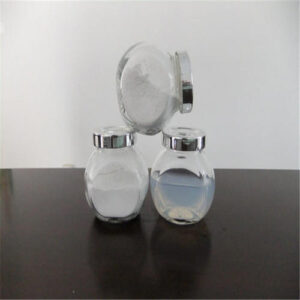
SILICON DISPERSANT
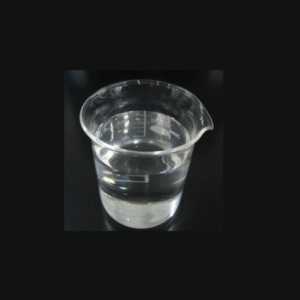
In Stock
Highlights:
Silicon Dispersant
Premium Quality Silicon Dispersant – High-Performance Silicone-Based Wetting Agent & Versatile Dispersing Additive for Paint & Coatings, Ceramics Manufacturing, Composites Production, Printing Inks, Adhesives & Industrial Formulations
✅ Superior Dispersing Technology – Silicone-Based Chemistry with Excellent Wetting Performance
✅ Multiple Grade Options – Coating, Ceramic, Composite, and Industrial Grades Available
✅ Excellent Functional Properties – Surface Tension Reduction, Pigment Stabilization, Flow Enhancement
✅ Multi-Industry Compatible – Enhanced Coating, Ceramic, Composite & Industrial Applications
✅ Advanced Additive Chemistry – Innovative Silicone Technology Supporting High-Performance Formulations
Description
High-Quality Silicon Dispersant
Silicon Dispersant, chemically engineered from organosilicon compounds with specialized functional groups, molecular weights ranging 2,000-15,000 g/mol, and surface tension values 18-22 mN/m at 25°C, is an advanced wetting and dispersing agent designed to improve particle distribution, enhance surface properties, and optimize processing characteristics in diverse industrial formulations. This liquid additive exhibits remarkable compatibility with both aqueous and solvent-based systems, providing excellent pigment wetting, filler dispersion, and surface modification properties essential for high-performance coatings, advanced ceramics, composite materials, and specialty industrial applications. With unique silicone backbone chemistry offering superior spreading characteristics, thermal stability up to 200°C, and exceptional compatibility across various polymer systems, silicon dispersants provide effective particle stabilization, improved flow properties, enhanced finish quality, and processing optimization, making them essential for coating formulations, ceramic processing, composite manufacturing, and industrial applications requiring advanced dispersing technology and proven performance reliability.
At Chemicals & Process Equipment Limited, we supply high-performance Silicon Dispersants manufactured under stringent quality control standards and international industrial specifications. Our comprehensive product range includes various molecular weight distributions, functional group modifications, and specialized formulations meeting diverse requirements for paint and coating manufacturing, ceramic processing operations, composite production, and industrial applications across global coating, ceramic, composite, and specialty chemical markets.
✅ Advanced Silicone Technology – Optimized Chemistry & Multi-Application Performance
✅ Consistent Quality Standards – Multiple Grade Classifications with Comprehensive Documentation
✅ Essential Processing Additive – Superior Coating, Ceramic, Composite & Industrial Performance
✅ Multi-Industry Applications – Paint, Ceramic, Composite, Ink, Adhesive & Specialty Systems
✅ Technical Support Package – Complete Application Guidance & Performance Optimization
The global dispersant market was valued at approximately USD 3.2 billion in 2023 and is projected to reach USD 4.1 billion by 2030, growing at a CAGR of 3.6% during the forecast period. Market expansion is driven by increasing paint and coating production, growing ceramic manufacturing, expanding composite applications, rising printing ink demand, and industrial processes requiring advanced dispersing technology.
Technical Specifications & Silicon Dispersant Properties
| Property | Coating Grade | Ceramic Grade | Composite Grade | Industrial Grade | Ink Grade | Adhesive Grade |
|---|---|---|---|---|---|---|
| Active Content (%) | 95-100 | 90-98 | 92-99 | 88-95 | 96-100 | 90-97 |
| Molecular Weight (g/mol) | 3,000-8,000 | 2,000-6,000 | 4,000-12,000 | 2,500-10,000 | 2,000-5,000 | 3,500-9,000 |
| Surface Tension (mN/m, 25°C) | 19-22 | 18-21 | 20-23 | 17-24 | 18-20 | 19-22 |
| Viscosity (mPa·s, 25°C) | 50-500 | 20-200 | 100-800 | 30-600 | 15-150 | 80-400 |
| Density (g/cm³, 25°C) | 0.95-1.05 | 0.92-1.02 | 0.98-1.08 | 0.90-1.10 | 0.94-1.04 | 0.96-1.06 |
| Flash Point (°C) | >100 | >90 | >110 | >80 | >95 | >105 |
| Refractive Index (25°C) | 1.40-1.42 | 1.39-1.41 | 1.41-1.43 | 1.38-1.44 | 1.40-1.41 | 1.40-1.42 |
| pH (10% aqueous solution) | 6.0-8.0 | 6.5-8.5 | 5.5-7.5 | 5.0-9.0 | 6.0-7.5 | 6.5-8.0 |
| HLB Value | 8-12 | 6-10 | 9-13 | 5-15 | 7-11 | 8-12 |
| Cloud Point (°C, 1% solution) | >80 | >70 | >85 | >60 | >75 | >80 |
| Thermal Stability (°C) | Up to 200 | Up to 180 | Up to 220 | Up to 160 | Up to 190 | Up to 210 |
| Solubility in Water | Dispersible | Dispersible | Limited | Variable | Dispersible | Dispersible |
| Solubility in Organics | Excellent | Good | Excellent | Excellent | Good | Excellent |
| Foam Suppression | Excellent | Good | Excellent | Good | Excellent | Good |
| Substrate Wetting | Excellent | Excellent | Good | Good | Excellent | Good |
| Pigment Wetting | Excellent | Good | Good | Fair | Excellent | Fair |
| Particle Dispersion | Excellent | Excellent | Excellent | Good | Excellent | Good |
| Flow Enhancement | Good | Excellent | Good | Fair | Good | Fair |
| Leveling Improvement | Excellent | Good | Fair | Fair | Excellent | Fair |
| Gloss Enhancement | Good | Fair | Fair | Poor | Good | Poor |
| Anti-crater Properties | Excellent | Good | Good | Fair | Excellent | Good |
| Compatibility (Aqueous) | Excellent | Excellent | Good | Good | Excellent | Good |
| Compatibility (Solvent) | Excellent | Good | Excellent | Excellent | Good | Excellent |
| Storage Stability | Excellent | Excellent | Good | Good | Excellent | Good |
| Shear Stability | Good | Excellent | Good | Fair | Good | Fair |
| UV Resistance | Good | Fair | Good | Fair | Fair | Fair |
| Chemical Resistance | Good | Good | Excellent | Good | Good | Excellent |
| Electrical Properties | Insulating | Insulating | Insulating | Variable | Insulating | Insulating |
| Hydrolytic Stability | Good | Excellent | Good | Fair | Good | Good |
| Oxidative Stability | Good | Good | Excellent | Good | Good | Good |
| Migration Resistance | Good | Good | Excellent | Fair | Good | Good |
| Food Contact Approval | Limited | No | No | No | Limited | Limited |
| VOC Content (%) | <1.0 | <2.0 | <1.5 | <5.0 | <1.0 | <2.0 |
| Recommended Dosage (%) | 0.1-2.0 | 0.5-3.0 | 0.2-1.5 | 0.3-5.0 | 0.1-1.5 | 0.2-2.5 |
| Particle Size (nm) | 10-50 | 5-30 | 15-80 | 5-100 | 8-40 | 12-60 |
| Zeta Potential (mV) | -20 to -40 | -15 to -35 | -25 to -45 | -10 to -50 | -18 to -38 | -22 to -42 |
| Contact Angle Reduction (°) | 40-60 | 30-50 | 35-55 | 25-65 | 45-65 | 35-50 |
| Critical Micelle Conc. (%) | 0.01-0.05 | 0.02-0.08 | 0.015-0.06 | 0.005-0.10 | 0.01-0.04 | 0.02-0.07 |
| Spreading Coefficient | High | High | Medium | Variable | High | Medium |
| Interfacial Tension (mN/m) | 2-8 | 3-10 | 4-12 | 1-15 | 2-6 | 3-9 |
| Rheological Index | 0.8-1.2 | 0.7-1.1 | 0.9-1.3 | 0.6-1.4 | 0.8-1.1 | 0.9-1.2 |
| Thixotropic Index | Low | Medium | Low | Variable | Low | Low |
| Freeze-Thaw Stability | 5 cycles | 10 cycles | 3 cycles | Variable | 5 cycles | 3 cycles |
| Shelf Life (months) | 24 | 36 | 18 | 12-24 | 24 | 18 |
| Color (Gardner) | ≤2 | ≤3 | ≤2 | ≤5 | ≤1 | ≤2 |
| Odor | Slight | Mild | Slight | Variable | Slight | Mild |
| CAS Number | Various | Various | Various | Various | Various | Various |
| Packaging | 25kg drums | 25kg drums | 200kg drums | IBC/Bulk | 25kg drums | 50kg drums |
Available Grade Classifications:
- Coating Grade for paint, lacquer, and protective coating applications
- Ceramic Grade for ceramic slip preparation and processing
- Composite Grade for fiber-reinforced composite manufacturing
- Industrial Grade for general industrial processing applications
- Ink Grade for printing ink and graphic arts applications
- Adhesive Grade for adhesive and sealant formulations
- Aqueous Grade for water-based system compatibility
- Solvent Grade for organic solvent-based formulations
- High-Temperature Grade for elevated temperature applications
- Electronic Grade for electronic and semiconductor applications
- Textile Grade for fabric treatment and finishing
- Construction Grade for building material applications
Specialized Processing Solutions:
- Molecular weight optimization for specific applications
- Functional group modification for enhanced performance
- Viscosity adjustment for processing requirements
- Compatibility enhancement for specific polymer systems
- Quality testing and certification programs
- Application development and formulation assistance
- Technical consultation and optimization services
- Custom blending and packaging solutions
Paint & Coating Applications
Architectural Paint Formulations Paint manufacturers utilize Silicon Dispersant for interior paints, exterior coatings, and architectural finishes requiring coating specifications. Coating companies employ silicon dispersants as wetting and dispersing agents for improved pigment distribution and surface properties, providing enhanced color development, improved flow characteristics, and superior finish quality with excellent application properties.
Industrial Coating Systems Industrial coating manufacturers use Silicon Dispersant for protective coatings, maintenance paints, and specialty industrial finishes requiring industrial specifications. Manufacturing companies employ silicon dispersants for enhanced durability, improved adhesion, and industrial applications requiring corrosion protection and environmental resistance.
Automotive Coating Applications Automotive paint manufacturers utilize Silicon Dispersant for basecoats, clearcoats, and refinish systems requiring automotive specifications. Automotive companies employ silicon dispersants for surface quality, color matching, and automotive applications requiring high-gloss finish and weather resistance.
Marine & Protective Coatings Marine coating manufacturers use Silicon Dispersant for antifouling paints, protective coatings, and marine systems requiring marine specifications. Protective coating companies employ silicon dispersants for substrate wetting, pigment stabilization, and marine applications requiring long-term protection and performance.
Ceramic Manufacturing Applications
Advanced Ceramic Processing Ceramic manufacturers utilize Silicon Dispersant for alumina ceramics, silicon nitride components, and technical ceramics requiring ceramic specifications. Technical ceramic companies employ silicon dispersants for slip preparation and suspension stabilization in ceramic processing applications, providing improved particle dispersion, enhanced green body properties, and superior fired ceramic characteristics.
Electronic Ceramic Applications Electronic ceramic manufacturers use Silicon Dispersant for multilayer capacitors, substrates, and electronic components requiring electronic specifications. Electronic companies employ silicon dispersants for precise particle control, improved electrical properties, and electronic applications requiring high reliability and performance.
Refractory Material Production Refractory manufacturers utilize Silicon Dispersant for high-temperature ceramics, insulation materials, and refractory products requiring refractory specifications. Industrial companies employ silicon dispersants for thermal stability, processing improvement, and refractory applications requiring extreme temperature resistance.
Composite Manufacturing Applications
Fiber-Reinforced Composites Composite manufacturers utilize Silicon Dispersant for carbon fiber composites, glass fiber reinforcement, and advanced composite materials requiring composite specifications. Aerospace companies employ silicon dispersants for resin systems, fiber wetting, and composite applications requiring high-performance mechanical properties.
Polymer Matrix Composites Advanced materials manufacturers use Silicon Dispersant for thermoplastic composites, thermoset systems, and polymer matrix materials requiring polymer specifications. Composite companies employ silicon dispersants for filler dispersion, processing enhancement, and polymer applications requiring improved mechanical and thermal properties.
Nanocomposite Applications Nanotechnology manufacturers utilize Silicon Dispersant for nanoparticle dispersion, nanocomposite materials, and advanced nanomaterials requiring nano specifications. Research companies employ silicon dispersants for particle stabilization, processing control, and nano applications requiring precise dispersion and property enhancement.
Printing Ink Applications
Offset Printing Inks Ink manufacturers utilize Silicon Dispersant for sheet-fed inks, web offset inks, and commercial printing applications requiring ink specifications. Printing companies employ silicon dispersants for pigment wetting, print quality, and printing applications requiring color consistency and transfer properties.
Digital Printing Formulations Digital ink manufacturers use Silicon Dispersant for inkjet inks, UV-curable inks, and digital printing systems requiring digital specifications. Graphics companies employ silicon dispersants for jetting properties, color development, and digital applications requiring precision and reliability.
Packaging Ink Systems Packaging ink manufacturers utilize Silicon Dispersant for food packaging inks, flexible packaging, and specialty printing requiring packaging specifications. Converting companies employ silicon dispersants for adhesion properties, migration resistance, and packaging applications requiring safety and performance.
Adhesive & Sealant Applications
Structural Adhesive Formulations Adhesive manufacturers utilize Silicon Dispersant for epoxy adhesives, polyurethane systems, and structural bonding requiring adhesive specifications. Assembly companies employ silicon dispersants for filler dispersion, bond strength, and adhesive applications requiring high-performance joining and durability.
Sealant Applications Sealant manufacturers use Silicon Dispersant for silicone sealants, polyurethane sealants, and weatherproofing systems requiring sealant specifications. Construction companies employ silicon dispersants for substrate adhesion, weather resistance, and sealing applications requiring long-term performance and reliability.
Hot Melt Adhesive Systems Hot melt manufacturers utilize Silicon Dispersant for thermoplastic adhesives, packaging adhesives, and assembly applications requiring hot melt specifications. Converting companies employ silicon dispersants for processing improvement, adhesion enhancement, and hot melt applications requiring rapid setting and bond development.
Industrial Processing Applications
Textile Treatment Applications Textile manufacturers utilize Silicon Dispersant for fabric finishing, dye processing, and textile treatment requiring textile specifications. Textile companies employ silicon dispersants for substrate wetting, dye penetration, and textile applications requiring improved colorfastness and handle properties.
Concrete & Construction Materials Construction manufacturers use Silicon Dispersant for concrete additives, mortar systems, and building materials requiring construction specifications. Building companies employ silicon dispersants for workability improvement, strength enhancement, and construction applications requiring durability and performance.
Metalworking Fluid Systems Metalworking manufacturers utilize Silicon Dispersant for cutting fluids, grinding oils, and metal processing requiring metalworking specifications. Manufacturing companies employ silicon dispersants for lubrication properties, cooling enhancement, and metalworking applications requiring tool life and surface finish improvement.
Quality Control & Testing Procedures
Comprehensive Quality Assurance Every production batch undergoes extensive testing to ensure compliance with coating standards, ceramic processing requirements, composite manufacturing specifications, and international quality guidelines. Our quality control laboratory employs advanced analytical techniques including surface tension measurement, particle size analysis, and comprehensive performance testing.
Quality assurance procedures include:
- Active content determination using gravimetric analysis
- Molecular weight measurement using gel permeation chromatography
- Surface tension analysis using tensiometer methods
- Viscosity measurement using rotational viscometer
- Density determination using pycnometer method
- Flash point testing using Pensky-Martens method
- Refractive index measurement using Abbe refractometer
- pH determination using standardized electrode systems
- HLB value calculation using standard methods
- Cloud point analysis using turbidimetric techniques
- Thermal stability testing using thermogravimetric analysis
- Solubility evaluation in various media
- Foam suppression assessment using standardized tests
- Wetting performance evaluation using contact angle measurement
- Particle dispersion efficiency using optical microscopy
- Flow enhancement testing using rheological analysis
- Leveling improvement assessment using drawdown tests
- Gloss measurement using standardized gloss meters
- Anti-crater testing using spray application methods
- Compatibility evaluation with various polymer systems
- Storage stability monitoring using accelerated aging
- Shear stability testing using high-speed mixing
- UV resistance evaluation using weathering chambers
- Chemical resistance testing using immersion methods
- Electrical property measurement using appropriate standards
- Hydrolytic stability assessment using humidity chambers
- Oxidative stability evaluation using oxygen bomb tests
- Migration resistance testing using extraction methods
- VOC content analysis using headspace GC methods
- Particle size distribution using laser diffraction
- Zeta potential measurement using electrophoretic methods
- Contact angle analysis using goniometer systems
- Critical micelle concentration determination
- Spreading coefficient calculation using surface analysis
- Interfacial tension measurement using appropriate methods
- Rheological characterization using advanced rheometry
- Thixotropic behavior analysis using flow curves
- Freeze-thaw stability evaluation using cycling tests
- Color measurement using spectrophotometric methods
- Odor evaluation using sensory assessment panels
- Performance testing in actual application systems
- Long-term stability monitoring programs
- Quality consistency verification using statistical methods
Storage & Handling Procedures Implement proper storage conditions including temperature control between 15-30°C, protection from moisture and contamination, and proper ventilation for maintaining Silicon Dispersant quality and preventing performance degradation throughout storage periods.
For comprehensive information about dispersant technology, silicone chemistry applications, and surface modification principles, you can reference this detailed technical overview of wetting and dispersing additives from BYK which provides extensive coverage of dispersant mechanisms, application guidance, and performance optimization across multiple industries.
Market Applications & Industry Trends
Paint & Coating Industry Growth Expanding construction industry, increasing automotive production, and growing demand for high-performance coatings drive significant growth in silicon dispersant consumption for architectural paints, industrial coatings, and specialty finishing applications requiring advanced dispersing technology.
Ceramic Manufacturing Development Growing electronics industry, increasing demand for technical ceramics, and expanding advanced ceramic applications support growth in silicon dispersant applications for ceramic processing, electronic components, and high-performance ceramic materials.
Composite Materials Expansion Developing aerospace industry, increasing automotive lightweighting, and growing renewable energy applications drive adoption of silicon dispersants for composite manufacturing, fiber reinforcement, and advanced material systems requiring enhanced processing and performance.
Digital Printing Market Growth Expanding digital printing industry, increasing packaging applications, and growing demand for high-quality graphics support growth in silicon dispersant applications for inkjet inks, UV-curable systems, and specialty printing formulations.
Environmental & Regulatory Compliance
Coating Safety Standards & Certifications Silicon Dispersant complies with coating industry regulations, paint safety guidelines, and international coating standards ensuring safe use in paint applications with established exposure limits and comprehensive safety data documentation.
Ceramic Processing Compliance Standards Adherence to ceramic manufacturing regulations, workplace safety requirements, and international ceramic standards supports safe use in ceramic processing applications with established handling procedures and comprehensive safety assessments.
Composite Manufacturing Standards Compliance with composite industry regulations, aerospace specifications, and international composite standards ensures appropriate use in composite applications with established quality requirements and performance specifications.
Environmental Protection Standards Environmental compliance includes air emission regulations, waste management guidelines, and sustainability standards ensuring minimal environmental impact through proper handling and disposal practices supporting environmental protection.
Performance Advantages & Technical Benefits
✔ Superior Wetting Performance – Excellent substrate wetting and spreading characteristics
✔ Outstanding Dispersion Efficiency – Superior particle dispersion and stabilization properties
✔ Enhanced Surface Properties – Improved flow, leveling, and surface finish quality
✔ Multi-System Compatibility – Compatible with aqueous and solvent-based formulations
✔ Thermal Stability – Stable performance at elevated processing temperatures
✔ Low Dosage Requirements – Effective at minimal addition levels for cost efficiency
✔ Foam Suppression – Natural defoaming properties reducing processing issues
✔ Processing Enhancement – Improved manufacturing efficiency and product quality
✔ Storage Stability – Excellent shelf life and handling characteristics
✔ Versatile Chemistry – Suitable for diverse industrial applications
✔ Quality Consistent – Reliable performance across production batches
✔ Regulatory Compliant – Meets international safety and quality standards
✔ Environmental Friendly – Low VOC content and minimal environmental impact
✔ Technical Support – Complete application guidance and optimization services
✔ Cost Effective – Economical additive with significant performance benefits
✔ Innovation Support – Advanced silicone technology for next-generation applications
Our Silicon Dispersant products represent industry-leading standards in dispersing technology and multi-application performance, specifically selected for demanding coating operations, ceramic processing, composite manufacturing, and specialized industrial applications requiring exceptional wetting performance, particle stabilization, and processing enhancement. We provide comprehensive technical support, formulation guidance, and application optimization to ensure maximum effectiveness across your specialized coating, ceramic, composite, or industrial processing applications.
For detailed specifications, technical data sheets, or application-specific recommendations, contact our specialized additives division. We offer complete support including formulation optimization, performance testing, and technical assistance to maximize effectiveness in your coating, ceramic, composite, or industrial applications.
For more information about our products, feel free to Contact Us today.
Related products
Reviews
There are no reviews yet.