
Propylene Glycol
In Stock
Highlights:
Propylene Glycol
Premium Quality Food Grade Propylene Glycol – High-Performance Humectant & Versatile Solvent for Food Processing, Pharmaceutical Applications, Cosmetic Formulations, Personal Care Products & Industrial Chemical Processes
✅ Superior Humectant Properties – Excellent Moisture Retention with Stable Performance
✅ Multiple Grade Options – USP, Food Grade, Cosmetic, and Industrial Grades Available
✅ Excellent Solvent Capabilities – High Water Miscibility, Superior Dissolution, Extended Stability
✅ Multi-Industry Compatible – Enhanced Food, Pharmaceutical, Cosmetic, Personal Care & Industrial Applications
✅ GRAS Status – Generally Recognized as Safe Supporting Clean Label Formulations
Description
High-Quality Food Grade Propylene Glycol
Food Grade Propylene Glycol (C3H8O2), with CAS number 57-55-6, is a clear, colorless, viscous synthetic diol that occurs as a hygroscopic liquid with mild sweet taste and odorless characteristics. Propylene glycol is completely miscible with water and many organic solvents, making it an essential humectant, solvent, and preservative for food processing, pharmaceutical formulations, cosmetic applications, and industrial processes requiring reliable moisture control and solvent properties.
At Chemicals & Process Equipment Limited, we supply high-performance Food Grade Propylene Glycol manufactured under stringent quality control standards and international food safety, pharmaceutical, cosmetic, and industrial specifications. Our comprehensive product range includes various purity grades, viscosity specifications, and specialized formulations meeting diverse requirements for food processing, pharmaceutical applications, cosmetic manufacturing, personal care products, and industrial chemical processes across global food, pharmaceutical, cosmetic, and manufacturing markets.
✅ Advanced Humectant Technology – Optimized Moisture Control Properties & Multi-Industry Performance
✅ Consistent Quality Standards – Multiple Grade Classifications with Comprehensive Documentation
✅ Essential Solvent System – Superior Food, Pharmaceutical, Cosmetic & Industrial Performance
✅ Multi-Industry Applications – Food, Pharmaceutical, Cosmetic, Personal Care, Industrial & Specialty Systems
✅ Technical Support Package – Complete Application Guidance & Performance Optimization
The global propylene glycol market was valued at approximately USD 4.5 billion in 2023 and is projected to reach USD 6.8 billion by 2030, growing at a CAGR of 6.1% during the forecast period. Market expansion is driven by increasing demand for food humectants, growing pharmaceutical applications, expanding cosmetic industry, rising personal care product usage, and industrial applications requiring bio-based chemical intermediates.
Technical Specifications & Food Grade Propylene Glycol Properties
| Property | Food Grade Standard | Food Grade Premium | Pharmaceutical Grade | Cosmetic Grade | Industrial Grade | Technical Grade |
|---|---|---|---|---|---|---|
| Purity (%) | ≥99.5 | ≥99.8 | ≥99.9 | ≥99.5 | ≥99.0 | ≥98.5 |
| Molecular Formula | C3H8O2 | C3H8O2 | C3H8O2 | C3H8O2 | C3H8O2 | C3H8O2 |
| Molecular Weight (g/mol) | 76.09 | 76.09 | 76.09 | 76.09 | 76.09 | 76.09 |
| Boiling Point (°C) | 187-189 | 188-189 | 188.2 | 187-189 | 186-190 | 185-195 |
| Melting Point (°C) | -59 to -60 | -59.5 | -59 | -59 to -60 | -60 to -58 | -62 to -55 |
| Density (g/cm³ at 20°C) | 1.035-1.038 | 1.036-1.037 | 1.0362 | 1.035-1.038 | 1.034-1.040 | 1.032-1.042 |
| Viscosity (mPa·s at 20°C) | 40-60 | 45-55 | 48-52 | 40-60 | 35-65 | 30-70 |
| Refractive Index (nD20) | 1.432-1.434 | 1.4329-1.4331 | 1.4330 | 1.432-1.434 | 1.431-1.435 | 1.430-1.436 |
| pH (5% Solution) | 4.5-7.0 | 5.0-7.0 | 5.5-7.0 | 4.5-7.0 | 4.0-8.0 | 3.5-8.5 |
| Water Content (%) | ≤0.2 | ≤0.1 | ≤0.05 | ≤0.2 | ≤0.5 | ≤1.0 |
| Ash Content (%) | ≤0.005 | ≤0.003 | ≤0.001 | ≤0.005 | ≤0.01 | ≤0.02 |
| Chloride (ppm) | ≤10 | ≤5 | ≤1 | ≤10 | ≤20 | ≤50 |
| Sulfate (ppm) | ≤10 | ≤5 | ≤1 | ≤10 | ≤20 | ≤50 |
| Aldehyde (as Formaldehyde) (ppm) | ≤10 | ≤5 | ≤2 | ≤10 | ≤20 | ≤30 |
| Organic Impurities (%) | ≤0.1 | ≤0.05 | ≤0.02 | ≤0.1 | ≤0.2 | ≤0.3 |
| Diethylene Glycol (ppm) | ≤100 | ≤50 | ≤10 | ≤100 | ≤200 | ≤300 |
| Ethylene Glycol (ppm) | ≤100 | ≤50 | ≤10 | ≤100 | ≤200 | ≤300 |
| Heavy Metals (as Pb) (ppm) | ≤5 | ≤2 | ≤0.5 | ≤5 | ≤10 | ≤20 |
| Arsenic (As) (ppm) | ≤2 | ≤1 | ≤0.3 | ≤2 | ≤3 | ≤5 |
| Lead (Pb) (ppm) | ≤1 | ≤0.5 | ≤0.1 | ≤1 | ≤2 | ≤5 |
| Cadmium (Cd) (ppm) | ≤0.5 | ≤0.2 | ≤0.05 | ≤0.5 | ≤1 | ≤2 |
| Mercury (Hg) (ppm) | ≤0.5 | ≤0.2 | ≤0.05 | ≤0.5 | ≤1 | ≤2 |
| Iron (Fe) (ppm) | ≤2 | ≤1 | ≤0.2 | ≤2 | ≤5 | ≤10 |
| Copper (Cu) (ppm) | ≤1 | ≤0.5 | ≤0.1 | ≤1 | ≤2 | ≤5 |
| Total Plate Count (cfu/ml) | ≤10 | ≤5 | ≤1 | ≤10 | ≤100 | ≤500 |
| Yeast & Mold (cfu/ml) | ≤10 | ≤5 | ≤1 | ≤10 | ≤50 | ≤100 |
| E.coli (per ml) | Negative | Negative | Negative | Negative | ≤1 | ≤10 |
| Salmonella (per 100ml) | Negative | Negative | Negative | Negative | Negative | Negative |
| Color (APHA) | ≤15 | ≤10 | ≤5 | ≤15 | ≤25 | ≤50 |
| Odor | Odorless | Odorless | Odorless | Odorless | Slight | Slight |
| Taste | Mild sweet | Mild sweet | Mild sweet | Mild sweet | Sweet | Sweet |
| Appearance | Clear liquid | Clear liquid | Clear liquid | Clear liquid | Clear to slight haze | Clear to hazy |
| Miscibility with Water | Complete | Complete | Complete | Complete | Complete | Complete |
| Freezing Point (°C) | -59 to -60 | -59.5 | -59 | -59 to -60 | -60 to -58 | -62 to -55 |
| Flash Point (°C) | 99-103 | 101-102 | 101.5 | 99-103 | 98-105 | 95-110 |
| Ignition Temperature (°C) | 421-425 | 423-424 | 424 | 421-425 | 420-430 | 415-435 |
| Vapor Pressure (Pa at 25°C) | 11-13 | 12 | 12 | 11-13 | 10-15 | 8-18 |
| Surface Tension (mN/m at 25°C) | 35-38 | 36-37 | 36.4 | 35-38 | 34-40 | 32-42 |
| Hygroscopicity | High | High | High | High | High | High |
| Biodegradability | Excellent | Excellent | Excellent | Excellent | Excellent | Excellent |
| Toxicity | Very low | Very low | Very low | Very low | Very low | Low |
| Skin Irritation | Minimal | Minimal | Minimal | Minimal | Minimal | Mild |
| CAS Number | 57-55-6 | 57-55-6 | 57-55-6 | 57-55-6 | 57-55-6 | 57-55-6 |
| EINECS Number | 200-338-0 | 200-338-0 | 200-338-0 | 200-338-0 | 200-338-0 | 200-338-0 |
| HS Code | 29053200 | 29053200 | 29053200 | 29053200 | 29053200 | 29053200 |
| Storage Temperature | 15-30°C | 15-25°C | 15-25°C | 15-30°C | 10-35°C | 5-40°C |
| Relative Humidity | <80% RH | <75% RH | <70% RH | <80% RH | <85% RH | <90% RH |
| Shelf Life | 3 years | 3 years | 3 years | 2 years | 2 years | 2 years |
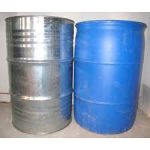
| Packaging Options | 25kg drums | 25kg drums | 25kg drums | 25kg drums | 200kg drums | 1000kg IBC |
Available Grade Types:
- Food Grade Standard for general food applications
- Food Grade Premium for high-end food products
- Pharmaceutical Grade (USP/EP) for drug formulations
- Cosmetic Grade for personal care products
- Industrial Grade for manufacturing applications
- Technical Grade for industrial processes
- Electronic Grade for electronics applications
- Aerosol Grade for spray formulations
- Kosher/Halal Certified Grade for religious compliance
- Organic Grade for natural products
- High Purity Grade for specialized applications
- Low Endotoxin Grade for sensitive applications
Specialized Processing Solutions:
- Viscosity optimization for application requirements
- Moisture control for processing conditions
- Purity enhancement for critical applications
- Quality testing and certification programs
- Regulatory documentation support
- Application development assistance
- Technical consultation services
- Formulation optimization support
Food & Beverage Applications
Baked Goods & Confectionery Food manufacturers utilize Food Grade Propylene Glycol for cake mixes, cookie dough, and baked goods requiring food grade specifications. Bakery companies employ propylene glycol for moisture retention, texture improvement, and bakery applications requiring extended shelf life and softness maintenance.
Dairy Products & Ice Cream Dairy manufacturers use Food Grade Propylene Glycol for ice cream, frozen desserts, and dairy processing requiring dairy specifications. Ice cream companies employ propylene glycol for anti-freeze properties, texture enhancement, and frozen applications requiring smooth consistency and scoopability.
Beverages & Drink Mixes Beverage manufacturers utilize Food Grade Propylene Glycol for soft drinks, flavored waters, and beverage formulations requiring beverage specifications. Drink companies employ propylene glycol for flavor carrier, viscosity control, and beverage applications requiring stability and taste delivery.
Processed Foods & Ready Meals Food processors use Food Grade Propylene Glycol for processed foods, convenience meals, and food preservation requiring processing specifications. Food companies employ propylene glycol for moisture control, ingredient carrier, and processed food applications requiring quality maintenance and shelf stability.
Food Colorings & Flavorings Flavor manufacturers utilize Food Grade Propylene Glycol for food colors, flavor extracts, and food additives requiring flavor specifications. Extract companies employ propylene glycol for solvent properties, extraction medium, and flavoring applications requiring concentration and stability.
Pharmaceutical & Healthcare Applications
Oral Medications & Syrups Pharmaceutical manufacturers utilize Food Grade Propylene Glycol for liquid medicines, oral suspensions, and pharmaceutical formulations requiring pharmaceutical specifications. Drug companies employ propylene glycol for solvent properties, taste masking, and pharmaceutical applications requiring bioavailability and patient compliance.
Topical Formulations & Creams Pharma companies use Food Grade Propylene Glycol for topical solutions, dermatological preparations, and skin care formulations requiring topical specifications. Medical companies employ propylene glycol for penetration enhancement, moisture retention, and topical applications requiring skin absorption and therapeutic efficacy.
Injectable Solutions & IV Preparations Pharmaceutical manufacturers utilize Food Grade Propylene Glycol for parenteral solutions, injectable formulations, and IV preparations requiring injectable specifications. Medical companies employ propylene glycol for solubility enhancement, co-solvent systems, and pharmaceutical applications requiring sterility and biocompatibility.
Veterinary Medications Veterinary pharmaceutical companies use Food Grade Propylene Glycol for animal medications, veterinary formulations, and animal health products requiring veterinary specifications. Animal health companies employ propylene glycol for palatability improvement, solvent properties, and veterinary applications requiring safety and efficacy.
Cosmetic & Personal Care Applications
Skincare Products & Moisturizers Cosmetic manufacturers utilize Food Grade Propylene Glycol for moisturizers, skincare creams, and cosmetic formulations requiring cosmetic specifications. Beauty companies employ propylene glycol for humectant properties, ingredient delivery, and skincare applications requiring hydration and skin feel enhancement.
Shampoos & Hair Care Products Personal care manufacturers use Food Grade Propylene Glycol for shampoos, conditioners, and hair care formulations requiring hair care specifications. Beauty companies employ propylene glycol for moisture retention, texture improvement, and hair applications requiring manageability and conditioning benefits.
Deodorants & Antiperspirants Cosmetic companies utilize Food Grade Propylene Glycol for deodorant sticks, antiperspirant formulations, and personal care products requiring deodorant specifications. Personal care companies employ propylene glycol for solvent properties, fragrance carrier, and deodorant applications requiring skin compatibility and efficacy.
Makeup & Color Cosmetics Cosmetic manufacturers use Food Grade Propylene Glycol for foundations, lip products, and makeup formulations requiring cosmetic specifications. Beauty companies employ propylene glycol for texture enhancement, color dispersion, and cosmetic applications requiring application properties and wear characteristics.
Fragrances & Perfumes Fragrance companies utilize Food Grade Propylene Glycol for perfumes, cologne, and fragrance formulations requiring fragrance specifications. Perfume manufacturers employ propylene glycol for solvent properties, fragrance carrier, and fragrance applications requiring stability and scent delivery.
Industrial & Chemical Applications
Antifreeze & De-icing Solutions Chemical manufacturers utilize Food Grade Propylene Glycol for automotive antifreeze, aircraft de-icing, and industrial cooling requiring antifreeze specifications. Industrial companies employ propylene glycol for freeze protection, heat transfer, and cooling applications requiring temperature control and corrosion protection.
Heat Transfer Fluids Industrial manufacturers use Food Grade Propylene Glycol for heating systems, cooling circuits, and thermal management requiring heat transfer specifications. HVAC companies employ propylene glycol for heat transfer properties, freeze protection, and thermal applications requiring system efficiency and protection.
Hydraulic Fluids & Lubricants Chemical companies utilize Food Grade Propylene Glycol for hydraulic systems, industrial lubricants, and fluid power requiring hydraulic specifications. Industrial manufacturers employ propylene glycol for lubrication properties, corrosion protection, and hydraulic applications requiring system performance and reliability.
Solvent Applications & Cleaning Chemical manufacturers use Food Grade Propylene Glycol for industrial solvents, cleaning formulations, and degreasing requiring solvent specifications. Industrial companies employ propylene glycol for solubility properties, cleaning power, and solvent applications requiring environmental compatibility and worker safety.
Polyester Resin Production Chemical manufacturers utilize Food Grade Propylene Glycol for unsaturated polyester resins, polymer production, and chemical synthesis requiring polymer specifications. Resin companies employ propylene glycol for polymerization reactions, chain extension, and polymer applications requiring performance characteristics and processing properties.
Specialty Applications
Electronic & Electrical Applications Electronics manufacturers utilize Food Grade Propylene Glycol for electronic components, capacitors, and electrical applications requiring electronics specifications. Technology companies employ propylene glycol for dielectric properties, moisture control, and electronics applications requiring reliability and performance.
Textile & Fiber Applications Textile manufacturers use Food Grade Propylene Glycol for fiber production, textile processing, and fabric treatments requiring textile specifications. Fiber companies employ propylene glycol for fiber spinning, moisture management, and textile applications requiring performance characteristics and processing efficiency.
Agricultural & Pesticide Applications Agricultural companies utilize Food Grade Propylene Glycol for pesticide formulations, agricultural sprays, and crop protection requiring agricultural specifications. Pesticide manufacturers employ propylene glycol for carrier properties, spray adjuvant, and agricultural applications requiring efficacy and environmental compatibility.
Paint & Coating Applications Paint manufacturers use Food Grade Propylene Glycol for latex paints, water-based coatings, and paint formulations requiring paint specifications. Coating companies employ propylene glycol for viscosity control, freeze-thaw stability, and paint applications requiring application properties and film formation.
Quality Control & Testing Procedures
Comprehensive Quality Assurance Every production batch undergoes extensive testing to ensure compliance with food safety standards, pharmaceutical requirements, cosmetic specifications, and international quality specifications. Our quality control laboratory employs advanced analytical techniques including gas chromatography, Karl Fischer titration, and comprehensive physical property testing.
Quality assurance procedures include:
- Purity analysis using gas chromatography with flame ionization detection
- Water content determination using Karl Fischer titration
- Density measurement using digital density meters at controlled temperature
- Viscosity testing using calibrated viscometers at standard conditions
- Refractive index measurement using precision refractometers
- pH determination using calibrated pH meters (5% aqueous solution)
- Ash content analysis using muffle furnace at controlled temperature
- Chloride and sulfate analysis using ion chromatography
- Aldehyde content determination using specific analytical methods
- Organic impurities testing using gas chromatography-mass spectrometry
- Diethylene glycol and ethylene glycol analysis using GC methods
- Heavy metals testing using ICP-MS analysis
- Arsenic, lead, cadmium, and mercury analysis using specialized techniques
- Iron and copper content determination using atomic absorption
- Microbiological testing using standard plate count methods
- Yeast and mold enumeration using sabouraud dextrose agar
- E.coli and Salmonella testing using selective methods
- Color measurement using APHA color standards
- Odor and taste evaluation using trained sensory panels
- Appearance assessment using standardized visual inspection
- Miscibility testing with water and organic solvents
- Freezing point determination using specialized equipment
- Flash point testing using Cleveland open cup method
- Ignition temperature measurement using standard procedures
- Vapor pressure determination at controlled conditions
- Surface tension measurement using tensiometry
- Hygroscopicity evaluation using moisture sorption analysis
- Biodegradability testing using OECD standard methods
- Toxicity assessment using established protocols
- Skin irritation evaluation using patch testing methods
- Food safety compliance verification for food grades
- Pharmaceutical compliance testing for pharma grades
- Cosmetic safety evaluation for cosmetic grades
- Quality consistency monitoring using statistical process control
Storage & Handling Procedures Implement proper storage conditions including temperature control between 15-30°C, humidity management below 80% RH, and protection from moisture absorption and contamination for maintaining Food Grade Propylene Glycol quality and preventing degradation throughout storage periods.
For comprehensive information about propylene glycol applications, safety considerations, toxicological data, and regulatory approvals, you can reference this detailed toxicological profile from the CDC Agency for Toxic Substances and Disease Registry (ATSDR) which provides extensive coverage of chemical properties, health effects, environmental fate, and safety information across multiple industries.
Market Applications & Industry Trends
Food Industry Growth Growing processed food industry, increasing demand for natural humectants, and expanding convenience food markets drive continued demand for propylene glycol as a safe moisturizing agent and solvent in food formulations requiring texture enhancement and preservation.
Pharmaceutical Applications Expansion Developing pharmaceutical industry, increasing focus on liquid dosage forms and topical medications, and growing demand for biocompatible excipients drive adoption of propylene glycol for drug formulations, medical applications, and pharmaceutical solvent systems.
Cosmetic Industry Demand Growing cosmetic and personal care industry, expanding skincare and hair care markets, and increasing demand for multifunctional ingredients support growth in propylene glycol applications for moisture control, ingredient delivery, and cosmetic formulation enhancement.
Industrial Applications Growth Expanding industrial processing, increasing demand for environmentally friendly solvents, and growing heat transfer applications support demand for propylene glycol in industrial processes, chemical manufacturing, and specialty applications.
Environmental & Regulatory Compliance
Food Safety Standards & Certifications Food Grade Propylene Glycol complies with FDA GRAS (Generally Recognized as Safe) status, EU food additive regulations, and international food safety guidelines ensuring safe use in food processing applications with established usage levels and comprehensive safety assessments.
Pharmaceutical Compliance Standards Adherence to USP/EP pharmaceutical standards, drug manufacturing guidelines, and therapeutic goods regulations ensures appropriate use in pharmaceutical applications with established quality specifications and safety profiles for human health applications.
Cosmetic Safety Regulations Compliance with cosmetic safety standards, personal care product regulations, and international cosmetic guidelines ensures safe use in cosmetic applications with established usage levels and comprehensive safety data for dermal exposure.
Environmental Standards & Sustainability Environmental compliance includes biodegradable properties, renewable resource potential, and sustainable manufacturing practices ensuring responsible production with minimal environmental impact and ecological compatibility through natural biodegradation pathways.
Industrial Safety Compliance Compliance with industrial safety standards, occupational health guidelines, and chemical handling regulations ensures safe manufacturing and application with established exposure limits and comprehensive safety data sheets.
Performance Advantages & Technical Benefits
✔ Excellent Humectant Properties – Superior moisture retention and control capabilities
✔ Complete Water Miscibility – Excellent solubility for easy processing and application
✔ GRAS Status – Generally Recognized as Safe for food applications
✔ Low Toxicity Profile – Safe for pharmaceutical and cosmetic applications
✔ Mild Sweet Taste – Pleasant taste profile for food and pharmaceutical use
✔ Excellent Solvent Properties – Dissolves wide range of active ingredients
✔ Freeze Protection – Anti-freeze properties for industrial applications
✔ Penetration Enhancement – Improves absorption in topical formulations
✔ Regulatory Approved – FDA, USP, and international regulatory acceptance
✔ Processing Stable – Maintains properties under various processing conditions
✔ Quality Consistent – Reliable performance across production batches
✔ Multiple Applications – Suitable for food, pharmaceutical, cosmetic, and industrial uses
✔ Biodegradable – Environmentally friendly with natural degradation pathways
✔ Safety Established – Comprehensive safety data and established usage levels
✔ Non-Volatile – Low vapor pressure for stable formulations
✔ Technical Support – Complete application guidance and optimization services
Our Food Grade Propylene Glycol products represent industry-leading standards in glycol chemistry and multi-industry humectant solutions, specifically formulated for demanding food operations, pharmaceutical applications, cosmetic processing, and specialized industrial processes requiring exceptional moisture control, solvent properties, and processing stability. We provide comprehensive technical support, formulation guidance, and regulatory consultation to ensure optimal performance across your specialized food, pharmaceutical, cosmetic, or industrial applications.
For detailed specifications, technical data sheets, or application-specific recommendations, contact our specialized propylene glycol products division. We offer complete support including formulation optimization, regulatory guidance, and technical assistance to maximize effectiveness in your food, pharmaceutical, cosmetic, or industrial applications.
For more information about our products, feel free to Contact Us today.
Related products
Recently Viewed
Reviews
There are no reviews yet.