
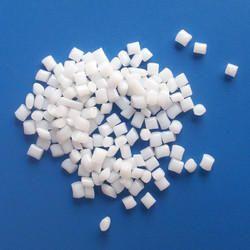
Polybutylene Terephthalate
In Stock
Highlights:
Polybutylene Terephthalate (PBT)
Premium Quality Polybutylene Terephthalate (PBT) – High-Performance Engineering Thermoplastic & Versatile Polymer Resin for Automotive Applications, Electronics Manufacturing, Industrial Components, Chemical Processing & Advanced Molding Applications
✅ High-Performance Engineering Thermoplastic – Superior Mechanical & Thermal Properties
✅ Multiple Grade Options – Various Formulations for Specific Applications
✅ Excellent Processing Properties – Easy Molding, Superior Flow, Controlled Shrinkage
✅ Multi-Industry Compatible – Enhanced Automotive, Electronics, Industrial & Consumer Applications
✅ Quality Assured – Established Processing Guidelines Supporting Optimal Performance
Description
High-Quality Polybutylene Terephthalate (PBT)
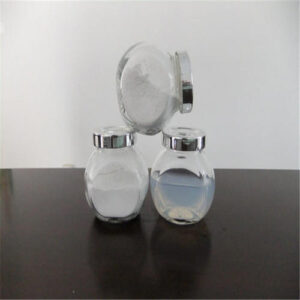
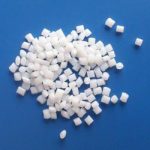
Polybutylene Terephthalate (PBT), with CAS number 26062-94-2, is a white to off-white semi-crystalline thermoplastic polyester appearing as pellets, granules, or powder with controlled particle size distribution. PBT represents one of the most important engineering thermoplastics, providing exceptional mechanical strength, excellent dimensional stability, superior chemical resistance, and outstanding electrical properties, making it essential for automotive components, electronics manufacturing, industrial applications, and precision molding requiring high-performance polymer characteristics and consistent processing behavior.
At Chemicals & Process Equipment Limited, we supply high-performance Polybutylene Terephthalate (PBT) manufactured under stringent quality control standards and international automotive, electronics, industrial, and polymer processing specifications. Our comprehensive product range includes various grades, reinforcement levels, flame-retardant formulations, and specialized compounds meeting diverse requirements for automotive applications, electronics manufacturing, industrial components, consumer goods, and specialized molding applications across global automotive, electronics, industrial, and consumer markets.
✅ Advanced Polymer Technology – Optimized Performance Levels & Multi-Industry Applications ✅ Consistent Quality Standards – Multiple Grade Classifications with Comprehensive Documentation ✅ Essential Engineering Thermoplastic – Superior Automotive, Electronics & Industrial Performance ✅ Multi-Industry Applications – Automotive, Electronics, Industrial, Consumer & Specialty Systems ✅ Technical Support Package – Complete Processing Guidance & Application Optimization
The global polybutylene terephthalate market was valued at approximately USD 2.8 billion in 2023 and is projected to reach USD 4.2 billion by 2030, growing at a CAGR of 5.9% during the forecast period. Market expansion is driven by increasing automotive applications, growing electronics demand, expanding industrial automation, rising consumer goods production, and advanced manufacturing applications requiring high-performance engineering thermoplastics.
Technical Specifications & Polybutylene Terephthalate Properties
| Property | Automotive Grade | Electronics Grade | Industrial Grade | Glass-Filled Grade | Flame-Retardant Grade | General Purpose |
|---|---|---|---|---|---|---|
| Density (g/cm³) | 1.30-1.32 | 1.31-1.33 | 1.29-1.31 | 1.35-1.65 | 1.32-1.38 | 1.30-1.32 |
| Melt Flow Rate (g/10 min) | 15-25 | 10-20 | 20-35 | 5-15 | 8-18 | 25-40 |
| Tensile Strength (MPa) | 50-65 | 55-70 | 45-60 | 80-140 | 50-65 | 45-55 |
| Tensile Modulus (GPa) | 2.2-2.8 | 2.4-3.0 | 2.0-2.6 | 6.0-12.0 | 2.3-2.9 | 2.0-2.5 |
| Elongation at Break (%) | 50-300 | 100-250 | 80-350 | 2-8 | 50-200 | 100-400 |
| Flexural Strength (MPa) | 80-100 | 85-105 | 75-95 | 120-220 | 80-100 | 70-85 |
| Flexural Modulus (GPa) | 2.3-2.9 | 2.5-3.1 | 2.1-2.7 | 6.5-13.0 | 2.4-3.0 | 2.0-2.6 |
| Impact Strength (kJ/m²) | 4-8 | 5-9 | 3-7 | 4-12 | 4-8 | 6-12 |
| Hardness (Shore D) | 75-82 | 78-85 | 72-80 | 82-88 | 76-83 | 70-78 |
| Melting Point (°C) | 223-225 | 224-226 | 222-224 | 223-225 | 220-225 | 222-224 |
| Glass Transition (°C) | 22-35 | 25-38 | 20-33 | 30-45 | 25-38 | 18-30 |
| Heat Deflection Temp (°C) | 60-210 | 65-215 | 55-205 | 200-230 | 65-210 | 50-200 |
| Vicat Softening (°C) | 170-220 | 175-225 | 165-215 | 210-240 | 170-220 | 160-210 |
| Thermal Conductivity (W/m·K) | 0.24-0.26 | 0.25-0.27 | 0.23-0.25 | 0.30-0.45 | 0.24-0.28 | 0.22-0.24 |
| Linear Expansion (×10⁻⁵/°C) | 7-9 | 6-8 | 8-10 | 2-4 | 7-9 | 8-11 |
| Dielectric Constant (1 MHz) | 3.0-3.5 | 3.1-3.6 | 2.9-3.4 | 3.5-4.2 | 3.2-4.0 | 2.8-3.3 |
| Dielectric Strength (kV/mm) | 15-25 | 18-28 | 12-22 | 16-26 | 14-24 | 10-20 |
| Volume Resistivity (Ω·cm) | 10¹⁴-10¹⁶ | 10¹⁵-10¹⁷ | 10¹³-10¹⁵ | 10¹³-10¹⁵ | 10¹²-10¹⁴ | 10¹³-10¹⁵ |
| Water Absorption (%) | 0.1-0.3 | 0.1-0.2 | 0.2-0.4 | 0.1-0.2 | 0.1-0.3 | 0.2-0.5 |
| Chemical Resistance | Excellent | Excellent | Good-Excellent | Excellent | Good-Excellent | Good |
| UV Resistance | Fair-Good | Good | Fair | Good | Fair-Good | Fair |
| Flammability Rating | HB-V0 | V0-V2 | HB-V1 | HB-V1 | V0-V2 | HB |
| Processing Temperature (°C) | 240-270 | 245-275 | 235-265 | 250-280 | 240-270 | 230-260 |
| Mold Temperature (°C) | 40-80 | 50-90 | 30-70 | 60-100 | 45-85 | 25-65 |
| Injection Pressure (MPa) | 60-120 | 80-140 | 50-110 | 100-180 | 70-130 | 40-100 |
| Shrinkage (%) | 1.5-2.5 | 1.8-2.8 | 1.2-2.2 | 0.3-0.8 | 1.6-2.6 | 1.0-2.0 |
| Crystallinity (%) | 30-40 | 35-45 | 25-35 | 30-40 | 30-40 | 20-35 |
| Molecular Weight | 20,000-40,000 | 25,000-45,000 | 15,000-35,000 | 20,000-40,000 | 20,000-40,000 | 15,000-30,000 |
| Intrinsic Viscosity (dl/g) | 0.8-1.2 | 0.9-1.3 | 0.7-1.1 | 0.8-1.2 | 0.8-1.2 | 0.6-1.0 |
| Ash Content (%) | <0.1 | <0.05 | <0.2 | 10-40 | 5-15 | <0.1 |
| Volatiles (%) | <0.5 | <0.3 | <0.8 | <0.5 | <0.6 | <1.0 |
| Color | Natural white | Clear/Natural | Natural | Gray/Black | Various | Natural |
| Transparency | Translucent | Clear-Translucent | Opaque | Opaque | Opaque | Translucent |
| Gloss (%) | 80-95 | 85-98 | 70-90 | 20-40 | 60-85 | 75-92 |
| Recycling Code | 7 | 7 | 7 | 7 | 7 | 7 |
| CAS Number | 26062-94-2 | 26062-94-2 | 26062-94-2 | 26062-94-2 | 26062-94-2 | 26062-94-2 |
| EINECS Number | 247-373-7 | 247-373-7 | 247-373-7 | 247-373-7 | 247-373-7 | 247-373-7 |
| HS Code | 39079990 | 39079990 | 39079990 | 39079990 | 39079990 | 39079990 |
| Storage Temperature | 15-30°C | 15-25°C | 10-35°C | 15-30°C | 15-30°C | 10-40°C |
| Relative Humidity | <60% RH | <50% RH | <70% RH | <60% RH | <60% RH | <80% RH |
| Shelf Life | 2 years | 2 years | 18 months | 2 years | 18 months | 12 months |
| Packaging Options | 25kg bags | Small bags | Bulk bags | 25kg bags | 25kg bags | Bulk containers |
Available Grade Types:
- Automotive Grade for vehicle components and under-hood applications
- Electronics Grade for connectors, housings, and circuit components
- Industrial Grade for machinery parts and industrial equipment
- Glass-Filled Grade for enhanced strength and dimensional stability
- Flame-Retardant Grade for electrical and safety applications
- General Purpose Grade for standard molding applications
- High-Flow Grade for thin-wall molding applications
- Impact-Modified Grade for toughness-critical applications
- UV-Stabilized Grade for outdoor applications
- Food-Contact Grade for food packaging applications
- Medical Grade for healthcare and pharmaceutical applications
- Specialty Grade for custom applications
- Reinforced Grade with various filler systems
- Conductive Grade for anti-static applications
Specialized Processing Solutions:
- Melt flow optimization for specific applications
- Reinforcement selection for enhanced properties
- Flame retardancy enhancement for safety applications
- Color matching and custom coloration
- Processing parameter optimization
- Mold design consultation
- Quality testing and validation programs
- Application development assistance
- Technical consultation services
Automotive Applications
Under-Hood Components
Automotive manufacturers utilize Polybutylene Terephthalate (PBT) for engine components, fuel system parts, and under-hood assemblies requiring automotive specifications. Vehicle manufacturers employ PBT for intake manifolds, fuel rails, and automotive applications requiring excellent heat resistance, chemical compatibility, and dimensional stability under high-temperature conditions.
Electrical & Electronic Systems
Automotive electronics manufacturers use PBT for connectors, switches, and electrical housings requiring automotive electrical specifications. Car manufacturers employ PBT for ignition components, sensor housings, and electrical applications requiring superior dielectric properties, flame resistance, and long-term reliability in automotive environments.
Interior & Exterior Components
Automotive component manufacturers utilize PBT for interior trim, exterior panels, and decorative elements requiring automotive aesthetic specifications. Vehicle manufacturers employ PBT for door handles, mirror housings, and appearance applications requiring excellent surface finish, color stability, and weather resistance.
Transmission & Drivetrain Parts
Automotive drivetrain manufacturers use PBT for transmission components, gear housings, and drivetrain assemblies requiring automotive mechanical specifications. Automotive suppliers employ PBT for valve bodies, pump components, and transmission applications requiring dimensional accuracy, wear resistance, and fluid compatibility.
Electronics & Electrical Applications
Connectors & Terminal Blocks
Electronics manufacturers utilize Polybutylene Terephthalate (PBT) for electrical connectors, terminal strips, and connection systems requiring electronics specifications. Connector manufacturers employ PBT for automotive connectors, industrial connectors, and electrical applications requiring excellent dielectric properties, flame resistance, and dimensional precision.
Circuit Breakers & Switches
Electrical equipment manufacturers use PBT for circuit breakers, switches, and protective devices requiring electrical safety specifications. Electrical component companies employ PBT for switch housings, breaker components, and electrical applications requiring arc resistance, tracking resistance, and flame retardancy.
Motor & Generator Components
Electric motor manufacturers utilize PBT for motor housings, fan blades, and electrical machine components requiring motor specifications. Electric equipment companies employ PBT for pump housings, motor brackets, and motor applications requiring dimensional stability, chemical resistance, and electrical insulation.
Electronic Housings & Enclosures
Electronics housing manufacturers use PBT for device enclosures, control boxes, and protective housings requiring electronics protection specifications. Electronic equipment companies employ PBT for instrument cases, control panels, and housing applications requiring EMI shielding, environmental protection, and aesthetic appeal.
Industrial Applications
Pump & Valve Components
Industrial equipment manufacturers utilize Polybutylene Terephthalate (PBT) for pump housings, valve bodies, and fluid handling components requiring industrial specifications. Pump manufacturers employ PBT for impellers, casings, and pumping applications requiring chemical resistance, wear resistance, and dimensional stability in aggressive environments.
Conveyor & Automation Parts
Industrial automation manufacturers use PBT for conveyor components, automation parts, and machinery elements requiring industrial automation specifications. Manufacturing equipment companies employ PBT for guide rails, wear strips, and automation applications requiring low friction, wear resistance, and precision dimensions.
Chemical Processing Equipment
Chemical processing manufacturers utilize PBT for process equipment, chemical handling components, and corrosion-resistant parts requiring chemical processing specifications. Chemical equipment companies employ PBT for tank components, pipe fittings, and chemical applications requiring broad chemical resistance and structural integrity.
Machinery & Equipment Parts
Industrial machinery manufacturers use PBT for machine components, structural parts, and mechanical assemblies requiring industrial machinery specifications. Equipment manufacturers employ PBT for housings, brackets, and machinery applications requiring strength, stiffness, and dimensional accuracy under mechanical stress.
Consumer & Appliance Applications
Small Appliance Components
Appliance manufacturers utilize Polybutylene Terephthalate (PBT) for small appliances, kitchen equipment, and consumer devices requiring appliance specifications. Consumer electronics companies employ PBT for coffee makers, food processors, and appliance applications requiring heat resistance, chemical resistance, and food-contact safety.
Power Tool Housings
Power tool manufacturers use PBT for tool housings, motor covers, and protective enclosures requiring power tool specifications. Tool manufacturers employ PBT for drill housings, saw guards, and tool applications requiring impact resistance, flame resistance, and ergonomic design capabilities.
Sporting Goods & Recreation
Sporting goods manufacturers utilize PBT for recreational equipment, sports components, and outdoor gear requiring sporting goods specifications. Recreation equipment companies employ PBT for bike components, exercise equipment, and sporting applications requiring durability, weather resistance, and aesthetic appeal.
Furniture & Fixtures
Furniture manufacturers use PBT for furniture components, fixtures, and decorative elements requiring furniture specifications. Fixture manufacturers employ PBT for lighting fixtures, cabinet hardware, and furniture applications requiring dimensional stability, color retention, and surface quality.
Specialized Applications
Medical & Healthcare Devices
Medical device manufacturers utilize Polybutylene Terephthalate (PBT) for medical equipment, healthcare devices, and pharmaceutical applications requiring medical specifications. Healthcare equipment companies employ PBT for diagnostic equipment, surgical instruments, and medical applications requiring biocompatibility, sterilization resistance, and regulatory compliance.
Aerospace & Defense Components
Aerospace manufacturers use PBT for aircraft components, defense equipment, and specialized applications requiring aerospace specifications. Defense contractors employ PBT for electronic housings, structural components, and aerospace applications requiring flame resistance, low smoke generation, and environmental durability.
Telecommunications Equipment
Telecommunications manufacturers utilize PBT for communication devices, network equipment, and telecom infrastructure requiring telecommunications specifications. Network equipment companies employ PBT for connector housings, equipment enclosures, and telecom applications requiring signal integrity, flame resistance, and long-term reliability.
Energy & Renewable Applications
Energy equipment manufacturers use PBT for solar components, wind energy parts, and renewable energy systems requiring energy specifications. Renewable energy companies employ PBT for photovoltaic components, wind turbine parts, and energy applications requiring UV resistance, weather durability, and electrical performance.
Quality Control & Testing Procedures
Comprehensive Quality Assurance
Every production batch undergoes extensive testing to ensure compliance with automotive standards, electronics requirements, industrial specifications, and international polymer processing specifications. Our quality control laboratory employs advanced analytical techniques including DSC analysis, GPC analysis, and comprehensive property testing.
For detailed technical specifications and comprehensive material property databases, refer to the AZoM Materials Database on PBT, which provides extensive data on polybutylene terephthalate properties, applications, and processing parameters from leading materials science research.
Quality assurance procedures include:
- Molecular weight determination using gel permeation chromatography (GPC)
- Thermal properties analysis using differential scanning calorimetry (DSC)
- Mechanical properties testing using standardized ASTM methods
- Melt flow rate measurement using standardized procedures
- Density determination using density gradient columns
- Viscosity measurement using capillary viscometry
- Chemical resistance testing using immersion methods
- Electrical properties evaluation using dielectric testing
- Flame resistance testing using UL 94 methods
- Color measurement using spectrophotometry
- Thermal stability assessment using thermogravimetric analysis
- Crystallinity determination using X-ray diffraction
- Surface properties evaluation using contact angle measurement
- Processability testing using injection molding trials
- Dimensional stability assessment using thermal cycling
- Impact resistance testing using Charpy and Izod methods
- Fatigue resistance evaluation using cyclic loading
- Environmental stress crack resistance testing
- UV resistance assessment using accelerated weathering
- Hydrolysis resistance testing using hot water immersion
- Creep resistance evaluation using long-term loading
- Shrinkage measurement using standardized procedures
- Warpage assessment using molded part analysis
- Surface quality evaluation using gloss and haze measurement
- Contamination testing using analytical methods
- Automotive compliance verification for vehicle applications
- Electronics compliance testing for electrical specifications
- Industrial performance evaluation for machinery applications
- Consumer safety testing for appliance applications
- Processing optimization using rheological analysis
- Quality consistency monitoring using statistical process control
Storage & Handling Procedures
Implement proper storage conditions including moisture protection below 60% RH, temperature control between 15-30°C, protection from UV exposure, and proper handling procedures for maintaining PBT quality and preventing degradation throughout storage periods.
For comprehensive information about PBT properties, processing data, applications, and safety considerations, you can reference detailed polymer databases and technical literature which provide extensive coverage of thermoplastic properties, processing guidelines, and application information from leading polymer research institutions.
Market Applications & Industry Trends
Automotive Industry Growth
Growing vehicle production, increasing electronics content in vehicles, expanding electric vehicle manufacturing, and rising demand for lightweight materials drive continued demand for high-performance PBT in automotive applications requiring excellent mechanical properties and processing reliability.
Electronics Market Expansion
Developing electronic technologies, increasing miniaturization requirements, growing consumer electronics demand, and expanding industrial automation drive adoption of specialty PBT grades for electronics applications, connector systems, and electrical components requiring superior electrical properties and reliability.
Industrial Automation Demand
Growing manufacturing automation, increasing precision requirements, and expanding industrial equipment production drive growth in PBT applications for industrial components, machinery parts, and automation systems requiring performance and reliability compliance.
Sustainable Manufacturing Requirements
Expanding recycling programs, increasing environmental awareness, and growing sustainability requirements support demand for recyclable PBT formulations in various applications, consumer goods, and industrial systems requiring environmental responsibility and circular economy principles.
Environmental & Regulatory Compliance
Automotive Standards & Certifications
Polybutylene Terephthalate (PBT) complies with automotive quality standards, vehicle safety regulations, and international automotive guidelines ensuring safe use in vehicle applications with established performance criteria and comprehensive testing requirements.
Electronics Compliance Standards
Adherence to electronics safety standards, electrical component regulations, and international electronics guidelines ensures appropriate use in electronic applications with established performance requirements and safety protocols for electrical systems.
Industrial Standards & Safety
Compliance with industrial safety standards, machinery component guidelines, and international industrial specifications ensures safe use in industrial applications with established composition limits and processing parameters.
Environmental Standards & Sustainability
Environmental compliance includes recyclability assessment, lifecycle analysis, and sustainable manufacturing practices ensuring responsible production with consideration for environmental impact and end-of-life management.
Consumer Safety Compliance
Compliance with consumer safety standards, appliance safety guidelines, and regulatory requirements ensures safe use in consumer applications with established exposure limits and comprehensive safety assessments.
Performance Advantages & Technical Benefits
✔ High-Performance Engineering Thermoplastic – Superior mechanical and thermal properties for demanding applications ✔ Excellent Dimensional Stability – Minimal shrinkage and warpage for precision components ✔ Superior Chemical Resistance – Broad resistance to chemicals, fuels, and environmental conditions ✔ Outstanding Electrical Properties – Excellent dielectric strength and insulation characteristics ✔ Fast Crystallization – Rapid processing with short cycle times ✔ Easy Processing – Excellent moldability and processing characteristics ✔ Automotive Approved – Meets demanding automotive quality requirements ✔ Electronics Qualified – Complies with electrical and electronics specifications ✔ Flame Resistant Options – Available with various flame retardant systems ✔ Reinforcement Compatible – Suitable for glass fiber and mineral reinforcement ✔ Color Stable – Excellent color retention and appearance properties ✔ Weather Resistant – Good UV stability with proper stabilization ✔ Food Contact Safe – Available in food-contact approved grades ✔ Recyclable – Supports sustainable manufacturing and circular economy ✔ Cost Effective – Excellent price-performance balance for engineering applications ✔ Technical Support – Complete processing guidance and application consultation
Our Polybutylene Terephthalate (PBT) products represent industry-leading standards in engineering thermoplastic technology and multi-industry polymer solutions, specifically manufactured for demanding automotive applications, electronics requirements, industrial processes, and specialized molding applications requiring exceptional performance characteristics, reliable processing behavior, and comprehensive quality compliance. We provide complete technical support, processing guidance, and application consultation to ensure optimal results across your specialized automotive, electronics, industrial, or consumer applications.
For detailed specifications, technical data sheets, or application-specific recommendations, contact our specialized engineering plastics division. We offer complete support including grade selection, processing optimization, application testing, and technical assistance to maximize effectiveness in your automotive, electronics, industrial, or consumer applications.
For more information about our products, feel free to Contact Us today.
Related products
Recently Viewed
Reviews
There are no reviews yet.