
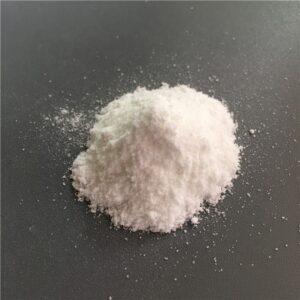
MSG CRYSTALS / POWDER
In Stock
Highlights:
MSG Crystals/Powder
Food Grade MSG 99% Purity – Premium Umami Flavor Enhancer
Monosodium glutamate (MSG) is a highly effective flavor enhancer extensively utilized in food processing, restaurant cooking, seasoning blends, processed foods, and culinary applications. Our food-grade MSG crystals and powder deliver exceptional umami taste enhancement with neutral appearance and high solubility for demanding flavor applications.
✅ 99% Food Grade Purity – Superior Flavor Enhancement Performance
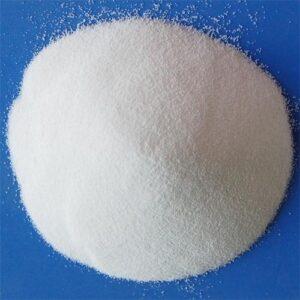
✅ White Crystalline Powder/Crystals – Odorless & Highly Soluble
✅ Food, Restaurant & Industrial Grades Available
✅ E621 Food Additive & CAS 142-47-2/6106-04-3 Certified
✅ Used in Food Processing, Seasoning Blends, Restaurant Cooking, Processed Foods, and Flavor Enhancement
Description
MSG Crystals & Powder for Food Processing & Culinary Applications
Monosodium glutamate (C₅H₈NNaO₄·H₂O) presents as white crystalline powder or fine crystals with exceptional umami flavor-enhancing properties, serving critical functions across food manufacturing, restaurant operations, seasoning production, processed food applications, and culinary flavor development. MSG is a white, odorless powder that has a strong salty, meaty, earthy, umami flavor, providing unique taste enhancement capabilities essential for savory food applications requiring intensified meaty and savory flavor profiles.
At Chemicals & Process Equipment Limited, we supply food-grade MSG Crystals and Powder (99% minimum purity) manufactured under FDA-approved Good Manufacturing Practices (GMP) standards and food safety specifications. Our product portfolio meets stringent quality requirements for food processing, restaurant applications, and industrial flavor enhancement across global markets.
✅ Food Grade Standards – E621 Food Additive & FDA Compliance
✅ Restaurant Quality Control – Professional Culinary Applications
✅ Industrial Grade Certification – Food Manufacturing Quality
✅ Multi-Application Platform – Versatile Flavor Enhancement Performance
✅ Complete Documentation – Comprehensive Quality Assurance Package
Technical Specifications & Chemical Properties
| Property | Specification |
|---|---|
| Chemical Formula | C₅H₈NNaO₄·H₂O |
| CAS Number | 142-47-2 (anhydrous) / 6106-04-3 (monohydrate) |
| E Number | E621 |
| Molecular Weight | 169.11 g/mol (anhydrous) / 187.13 g/mol (monohydrate) |
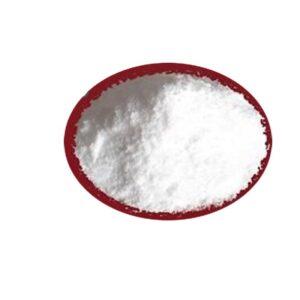
| Appearance | White crystalline powder or crystals |
| Purity | ≥ 99.0% (Food Grade) |
| pH (5% Solution) | 6.7-7.2 |
| Loss on Drying | ≤ 0.5% |
| Heavy Metals | ≤ 10 ppm (as Pb) |
| Mesh Size | 20-120 mesh (customizable) |
| Bulk Density | 0.6-0.8 g/mL |
| Solubility | 740 g/L in water at 25°C |
| Packaging Options | 25kg bags, 500kg big bags, 1000kg containers |
Specialized Packaging Solutions:
- 25kg kraft paper bags with food-grade polyethylene liner
- 500kg bulk bags with moisture-resistant barrier protection
- Consumer packaging options from 100g to 5kg containers
- Restaurant and foodservice packaging solutions
Food Processing & Manufacturing Applications
Umami Flavor Enhancement MSG is used in the food industry as a flavor enhancer with an umami taste that intensifies the meaty, savory flavor of food, as naturally occurring glutamate does in foods such as stews and meat soups. Kikunae Ikeda isolated glutamic acid as a taste substance in 1908 from seaweed, calling its taste umami (“delicious taste”).
Processed Meat Applications MSG is used in the production of processed meats such as sausages, hot dogs, and deli meats to enhance their meaty and savory flavor. It provides enhanced palatability and improved flavor profiles in meat processing applications.
Instant Food Products MSG is added to many instant noodle products, such as Mr. Noodles, to increase the savory flavor of their soups. It enables rapid flavor development in convenience food manufacturing and instant meal production.
Commercial Food Production MSG is used commercially in broths, soups, canned and frozen vegetables, flavoring and spice blends, gravies, meats, poultry, and sauces and in other combinations. It provides consistent flavor enhancement across diverse commercial food applications.
For comprehensive information on MSG applications in food processing, refer to this detailed umami flavor guide by ScienceDirect. Our food flavor enhancers provides specialized guidance for optimal taste enhancement performance.
Restaurant & Culinary Applications
Professional Cooking Enhancement MSG is used to enhance savory foods and works most successfully with meaty or sour flavors. It does not have much positive effect on sweet or bitter foods. Professional chefs utilize MSG to intensify savory profiles in soups, stews, gravies, and meat-based dishes.
Asian Cuisine Applications MSG is an important ingredient in the cuisines of China and Japan, serving as a fundamental flavor enhancer in traditional and contemporary Asian cooking applications requiring authentic umami taste development.
Flavor Balance & Enhancement MSG as a flavor enhancer balances, blends, and rounds the perception of other tastes, enabling chefs to create more complex and satisfying flavor profiles in professional culinary applications.
Salt Reduction Applications Despite having “sodium” in its name, monosodium glutamate contains only 12.28 grams of sodium per 100 grams, allowing for sodium reduction in recipes while maintaining flavor intensity and consumer satisfaction.
Seasoning & Spice Blend Applications
Commercial Seasoning Production Sodium glutamate has a strong umami taste of meat, and the umami taste can still be felt when MSG is diluted to 3000 times with water. This exceptional potency makes MSG ideal for seasoning blend formulations requiring concentrated flavor impact.
Spice Blend Enhancement MSG enhances the effectiveness of other spices and herbs in seasoning blends, enabling manufacturers to create more intense and satisfying flavor profiles with reduced quantities of expensive spice ingredients.
Dry Seasoning Applications The crystalline powder is ideal for soups and stews, providing excellent dispersibility and rapid flavor release in dry seasoning applications and instant soup mixes.
Custom Mesh Size Options Mesh range: 20~120mesh, Customized packaging Acceptable, enabling optimized particle size selection for specific seasoning applications requiring controlled dissolution rates and flavor release characteristics.
Industrial & Specialty Applications
Food Manufacturing Processing It is widely used in household cooking, catering industry, food processing industry, etc. Industrial applications include large-scale food manufacturing where consistent flavor enhancement is required across production batches.
Snack Food Production MSG enables enhanced flavor profiles in snack food manufacturing, particularly for savory snacks, crackers, and processed grain products requiring intensified taste characteristics.
Baking & Confectionery While primarily used for savory applications, MSG can enhance certain baked goods and confectionery products requiring umami undertones to balance sweetness and create complex flavor profiles.
Specialty Food Applications This is used to enhance the taste of foods and now well used in the bait industry, it intensifies the taste of amino acids making it a great addition to any bait, demonstrating versatility in specialized applications requiring taste enhancement.
Manufacturing & Production Methods
Fermentation Production Process Monosodium glutamate (MSG) is a kind of seasoning, which is made of grain as raw material and purified by fermentation of monosodium glutamate. Modern MSG production utilizes microbial fermentation processes ensuring consistent quality and purity.
Quality Specifications Our MSG is food grade, 99.99% pure, fine crystals. Purity:99%, 90%, 80%, 50% or as customer’s requirements, enabling specification matching for diverse application requirements.
Crystal Form Options It is marketed as a white crystalline salt used to enhance flavor as the monohydrate, C5H8NNaO4 H2O. Both anhydrous and monohydrate forms are available depending on application requirements.
Chemical Forms Available There are two forms of glutamic acid: L-glutamic acid and D-glutamic acid. Food-grade MSG utilizes the L-glutamic acid form for optimal taste enhancement properties.
Storage & Handling Specifications
Optimal Storage Requirements
- This item does not need to be refrigerated or frozen
- Store in cool, dry conditions between 15-30°C with controlled humidity
- Protect from moisture absorption to prevent caking and maintain flow properties
- Maintain in sealed containers to preserve flavor potency and prevent contamination
- Implement proper inventory rotation for optimal product freshness
Professional Handling Guidelines
- Use appropriate dust control measures during material handling and processing operations
- Maintain clean, sanitary conditions for food-grade applications
- Follow Good Manufacturing Practices (GMP) for food processing environments
- Implement traceability systems for food safety and quality assurance
- Provide adequate ventilation to prevent dust accumulation in work areas
Quality Control & Analytical Testing
Comprehensive Quality Assurance Every production batch undergoes extensive testing to ensure compliance with food-grade, restaurant, and industrial specifications. Our quality control laboratory employs advanced analytical techniques including HPLC analysis, amino acid analysis, and microbiological testing to verify purity and flavor enhancement properties.
Quality testing procedures include:
- Purity determination via high-performance liquid chromatography
- Glutamate content analysis through amino acid analysis
- Heavy metals testing by atomic absorption spectroscopy
- Moisture content analysis using Karl Fischer titration
- pH measurement using calibrated electrode systems
- Microbiological testing for food safety compliance
Application Guidelines & Dosage Recommendations
Recommended Usage Levels Recommended inclusion level is 0.4% to 0.5% (4-5g) per Kg of base mix. We advise not going over the recommend levels. Professional applications typically use 0.1-0.5% by weight depending on food type and desired flavor intensity.
Optimal Application Methods MSG dissolves readily in water and integrates effectively into both wet and dry food systems. For maximum effectiveness, incorporate during cooking processes or blend thoroughly into dry seasoning applications.
Synergistic Flavor Combinations MSG works synergistically with salt, enhancing overall flavor perception while enabling sodium reduction. It complements herbs, spices, and natural flavors without masking their characteristics.
Regulatory & Safety Information
Food Safety Compliance MSG meets FDA regulations for food additives, EU food safety standards (E621), and international food safety requirements. Complete regulatory documentation ensures compliance for food processing applications worldwide.
Nutritional Information MSG provides umami taste enhancement with minimal caloric contribution. It contains naturally occurring glutamic acid, an amino acid present in many protein-containing foods including tomatoes, cheese, and mushrooms.
International Approval Status MSG is approved for use in food applications by regulatory agencies worldwide, including FDA (USA), EFSA (EU), Health Canada, and other international food safety authorities.
Why Choose Chemicals & Process Equipment Limited?
✔ Multi-Grade Excellence – Food, restaurant, and industrial specifications available ✔ Purity Leadership – 99%+ purity ensures consistent flavor enhancement performance ✔ Application Expertise – Technical support across diverse food and culinary applications ✔ Regulatory Assurance – Complete documentation for food safety and international compliance ✔ Global Distribution – Reliable supply chain supporting international food manufacturing operations
Our MSG crystals and powder products represent the highest standards in flavor enhancement chemistry, specifically formulated for demanding food processing, restaurant, and culinary applications. We provide comprehensive technical support, application guidance, and quality assurance to ensure optimal performance across your specialized flavor enhancement operations.
For detailed specifications, application protocols, or regulatory documentation, contact our specialized food ingredients team. We provide comprehensive support including dosage optimization, flavor development guidance, and regulatory compliance assistance to maximize effectiveness in your food processing, restaurant, or culinary applications.
Related products
Reviews
There are no reviews yet.