
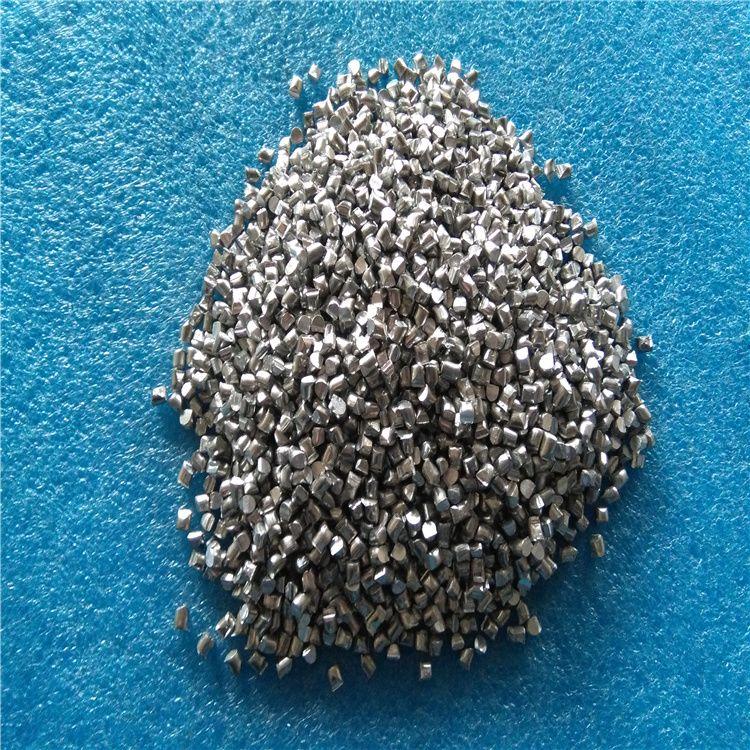
Magnesium granule 99.99%

In Stock
Highlights:
Magnesium Granule 99.99%
Premium Quality High Purity Magnesium Granule 99.99% – Ultra-High Purity Reactive Metal & Versatile Chemical Intermediate for Aerospace Applications, Pyrotechnics, Metal Production, Chemical Synthesis & Advanced Manufacturing Processes
✅ Ultra-High Purity – 99.99% Purity Level with Superior Quality Control
✅ Multiple Particle Size Options – Various Granule Sizes for Specific Applications
✅ Excellent Reactivity Properties – High Chemical Activity, Superior Reducing Power, Controlled Reaction Rates
✅ Multi-Industry Compatible – Enhanced Aerospace, Defense, Metallurgical & Chemical Applications
✅ Safety Compliant – Established Handling Protocols Supporting Safe Operations
Description
High-Quality Magnesium Granule 99.99%
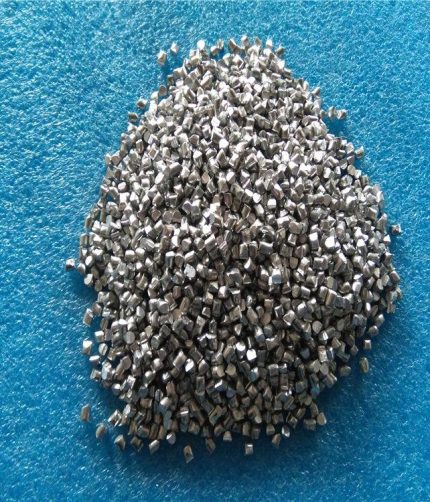
High Purity Magnesium Granule 99.99%, with CAS number 7439-95-4, is a silvery-white alkaline earth metal appearing as uniform granules with controlled particle size distribution. Magnesium represents the eighth most abundant element in Earth’s crust and provides exceptional strength-to-weight ratio, high chemical reactivity, and excellent thermal conductivity, making it essential for aerospace manufacturing, pyrotechnic formulations, metallurgical processes, and chemical synthesis requiring ultra-high purity and consistent performance characteristics.
At Chemicals & Process Equipment Limited, we supply high-performance Magnesium Granule 99.99% manufactured under stringent quality control standards and international aerospace, defense, metallurgical, and chemical specifications. Our comprehensive product range includes various particle sizes, surface treatments, and specialized formulations meeting diverse requirements for aerospace applications, defense manufacturing, metal production processes, chemical synthesis, and specialized industrial applications across global aerospace, defense, metallurgical, and chemical markets.
✅ Advanced Metal Technology – Optimized Purity Levels & Multi-Industry Performance
✅ Consistent Quality Standards – Multiple Grade Classifications with Comprehensive Documentation
✅ Essential Reducing Agent – Superior Aerospace, Defense & Metallurgical Performance
✅ Multi-Industry Applications – Aerospace, Defense, Metallurgical, Chemical & Specialty Systems
✅ Technical Support Package – Complete Application Guidance & Safety Optimization
The global high purity magnesium market was valued at approximately USD 1.8 billion in 2023 and is projected to reach USD 2.7 billion by 2030, growing at a CAGR of 5.8% during the forecast period. Market expansion is driven by increasing aerospace applications, growing defense requirements, expanding automotive lightweighting, rising chemical synthesis demand, and advanced manufacturing applications requiring ultra-high purity metals.
Technical Specifications & High Purity Magnesium Granule Properties
| Property | Aerospace Grade | Defense Grade | Metallurgical Grade | Chemical Grade | Research Grade | Industrial Grade |
|---|---|---|---|---|---|---|
| Purity (%) | 99.99+ | 99.99 | 99.95 | 99.98 | 99.999 | 99.9 |
| Atomic Weight | 24.305 | 24.305 | 24.305 | 24.305 | 24.305 | 24.305 |
| Particle Size (mm) | 0.5-2.0 | 1.0-3.0 | 2.0-5.0 | 0.3-1.5 | 0.1-1.0 | 1.0-8.0 |
| Bulk Density (g/cm³) | 0.9-1.1 | 0.8-1.2 | 0.7-1.3 | 0.9-1.1 | 1.0-1.2 | 0.6-1.4 |
| True Density (g/cm³) | 1.738 | 1.738 | 1.738 | 1.738 | 1.738 | 1.738 |
| Melting Point (°C) | 650 | 650 | 650 | 650 | 650 | 650 |
| Boiling Point (°C) | 1090 | 1090 | 1090 | 1090 | 1090 | 1090 |
| Thermal Conductivity (W/m·K) | 156 | 156 | 156 | 156 | 156 | 156 |
| Electrical Resistivity (µΩ·cm) | 4.45 | 4.45 | 4.45 | 4.45 | 4.45 | 4.45 |
| Tensile Strength (MPa) | 290 | 290 | 290 | 290 | 290 | 290 |
| Yield Strength (MPa) | 200 | 200 | 200 | 200 | 200 | 200 |
| Elastic Modulus (GPa) | 45 | 45 | 45 | 45 | 45 | 45 |
| Poisson’s Ratio | 0.29 | 0.29 | 0.29 | 0.29 | 0.29 | 0.29 |
| Hardness (HB) | 30-40 | 30-40 | 30-40 | 30-40 | 30-40 | 30-40 |
| Crystal Structure | HCP | HCP | HCP | HCP | HCP | HCP |
| Lattice Parameters (Å) | a=3.21, c=5.21 | a=3.21, c=5.21 | a=3.21, c=5.21 | a=3.21, c=5.21 | a=3.21, c=5.21 | a=3.21, c=5.21 |
| Oxidation Resistance | Fair | Fair | Fair | Fair | Fair | Fair |
| Corrosion Resistance | Poor to Fair | Poor to Fair | Poor to Fair | Poor to Fair | Poor to Fair | Poor to Fair |
| Surface Area (m²/g) | 0.1-0.5 | 0.05-0.3 | 0.02-0.2 | 0.2-0.8 | 0.3-1.0 | 0.01-0.15 |
| Moisture Content (ppm) | <100 | <200 | <500 | <150 | <50 | <1000 |
| Oxygen Content (ppm) | <500 | <800 | <2000 | <600 | <300 | <5000 |
| Nitrogen Content (ppm) | <100 | <200 | <500 | <150 | <50 | <1000 |
| Carbon Content (ppm) | <200 | <300 | <800 | <250 | <100 | <1500 |
| Silicon (ppm) | <50 | <100 | <300 | <75 | <25 | <500 |
| Iron (ppm) | <50 | <100 | <300 | <75 | <25 | <500 |
| Aluminum (ppm) | <50 | <100 | <300 | <75 | <25 | <500 |
| Calcium (ppm) | <20 | <50 | <150 | <30 | <10 | <300 |
| Copper (ppm) | <10 | <20 | <50 | <15 | <5 | <100 |
| Zinc (ppm) | <20 | <50 | <150 | <30 | <10 | <300 |
| Manganese (ppm) | <20 | <50 | <150 | <30 | <10 | <300 |
| Nickel (ppm) | <10 | <20 | <50 | <15 | <5 | <100 |
| Lead (ppm) | <5 | <10 | <30 | <8 | <3 | <50 |
| Chloride (ppm) | <10 | <20 | <50 | <15 | <5 | <100 |
| Sulfur (ppm) | <10 | <20 | <50 | <15 | <5 | <100 |
| Phosphorus (ppm) | <10 | <20 | <50 | <15 | <5 | <100 |
| Reactivity Index | Very High | Very High | Very High | Very High | Very High | Very High |
| Ignition Temperature (°C) | 473-623 | 473-623 | 473-623 | 473-623 | 473-623 | 473-623 |
| Burning Rate | Fast | Fast | Fast | Fast | Fast | Fast |
| Flame Temperature (°C) | 3100 | 3100 | 3100 | 3100 | 3100 | 3100 |
| Heat of Combustion (kJ/g) | 25.0 | 25.0 | 25.0 | 25.0 | 25.0 | 25.0 |
| Reducing Power | Excellent | Excellent | Excellent | Excellent | Excellent | Excellent |
| Electrochemical Potential (V) | -2.37 | -2.37 | -2.37 | -2.37 | -2.37 | -2.37 |
| Stability in Air | Poor | Poor | Poor | Poor | Poor | Poor |
| Stability in Dry Conditions | Good | Good | Good | Good | Good | Good |
| Stability in Inert Atmosphere | Excellent | Excellent | Excellent | Excellent | Excellent | Excellent |
| Appearance | Bright metallic | Bright metallic | Bright metallic | Bright metallic | Bright metallic | Bright metallic |
| Color | Silvery-white | Silvery-white | Silvery-white | Silvery-white | Silvery-white | Silvery-white |
| Odor | Odorless | Odorless | Odorless | Odorless | Odorless | Odorless |
| Magnetic Properties | Paramagnetic | Paramagnetic | Paramagnetic | Paramagnetic | Paramagnetic | Paramagnetic |
| Radioactivity | None | None | None | None | None | None |
| Toxicity | Low | Low | Low | Low | Low | Low |
| Environmental Impact | Moderate | Moderate | Moderate | Moderate | Moderate | Moderate |
| CAS Number | 7439-95-4 | 7439-95-4 | 7439-95-4 | 7439-95-4 | 7439-95-4 | 7439-95-4 |
| EINECS Number | 231-104-6 | 231-104-6 | 231-104-6 | 231-104-6 | 231-104-6 | 231-104-6 |
| HS Code | 81043000 | 81043000 | 81043000 | 81043000 | 81043000 | 81043000 |
| Storage Atmosphere | Inert gas | Inert gas | Inert gas | Inert gas | Inert gas | Dry air |
| Storage Temperature | 15-25°C | 10-30°C | 5-35°C | 15-25°C | 15-25°C | 0-40°C |
| Relative Humidity | <10% RH | <15% RH | <20% RH | <10% RH | <5% RH | <30% RH |
| Shelf Life | 2 years | 2 years | 18 months | 2 years | 3 years | 12 months |
| Packaging Options | Sealed drums | Sealed containers | Bulk drums | Small containers | Research vials | Industrial drums |
Available Grade Types:
- Aerospace Grade for aircraft and spacecraft applications
- Defense Grade for military and pyrotechnic applications
- Metallurgical Grade for metal production and alloy manufacturing
- Chemical Grade for synthesis and research applications
- Research Grade for laboratory and analytical applications
- Industrial Grade for general manufacturing processes
- Ultra-High Purity Grade for semiconductor applications
- Electronic Grade for electronics manufacturing
- Pharmaceutical Grade for medical applications
- Specialty Grade for custom applications
- Powder Form for specific processing requirements
- Ribbon Form for specialized applications
Specialized Processing Solutions:
- Particle size optimization for specific applications
- Surface treatment for enhanced properties
- Purity enhancement for critical applications
- Atmosphere control for storage and handling
- Quality testing and certification programs
- Safety protocol development
- Application development assistance
- Technical consultation services
Aerospace Applications
Aircraft Structural Components Aerospace manufacturers utilize High Purity Magnesium Granule 99.99% for aircraft parts, structural components, and aerospace assemblies requiring aerospace specifications. Aviation companies employ magnesium for weight reduction, structural strength, and aerospace applications requiring excellent strength-to-weight ratio and corrosion resistance.
Spacecraft & Satellite Manufacturing Space industry manufacturers use magnesium granules for spacecraft components, satellite structures, and space equipment requiring space specifications. Aerospace companies employ magnesium for satellite frames, instrument housings, and space applications requiring lightweight design and thermal management.
Engine Components & Gearboxes Aircraft engine manufacturers utilize magnesium granules for engine parts, gearbox housings, and transmission components requiring engine specifications. Aerospace companies employ magnesium for transmission cases, engine blocks, and engine applications requiring heat dissipation and weight reduction.
Helicopter & Rotorcraft Applications Rotorcraft manufacturers use magnesium granules for helicopter components, rotor assemblies, and flight control systems requiring helicopter specifications. Aviation companies employ magnesium for transmission housings, control components, and helicopter applications requiring vibration resistance and weight optimization.
Defense & Military Applications
Pyrotechnic Formulations Defense manufacturers utilize High Purity Magnesium Granule 99.99% for flares, illumination devices, and pyrotechnic systems requiring military specifications. Pyrotechnic companies employ magnesium for signal flares, countermeasures, and defense applications requiring high-intensity illumination and controlled burning characteristics.
Incendiary Devices & Ammunition Military manufacturers use magnesium granules for incendiary ammunition, tracer rounds, and explosive devices requiring ordnance specifications. Defense contractors employ magnesium for ignition systems, incendiary charges, and military applications requiring reliable ignition and high-temperature generation.
Emergency Signaling Equipment Safety equipment manufacturers utilize magnesium granules for emergency flares, survival equipment, and rescue devices requiring safety specifications. Emergency equipment companies employ magnesium for distress signals, emergency lighting, and safety applications requiring visibility and reliability.
Chaff & Countermeasure Systems Electronic warfare manufacturers use magnesium granules for radar countermeasures, chaff dispensers, and defensive systems requiring EW specifications. Defense companies employ magnesium for radar jamming, signature reduction, and countermeasure applications requiring electromagnetic properties and deployment characteristics.
Metallurgical Applications
Steel Production & Desulfurization Steel manufacturers utilize High Purity Magnesium Granule 99.99% for steel desulfurization, metal refining, and quality improvement requiring metallurgical specifications. Iron and steel companies employ magnesium for sulfur removal, inclusion modification, and steelmaking applications requiring purity enhancement and mechanical property improvement.
Aluminum Alloy Production Aluminum producers use magnesium granules for alloy manufacturing, grain refinement, and property enhancement requiring aluminum specifications. Alloy manufacturers employ magnesium for strength improvement, corrosion resistance, and aluminum applications requiring lightweight structural properties.
Titanium Production & Processing Titanium manufacturers utilize magnesium granules for titanium reduction, metal extraction, and purification requiring titanium specifications. Reactive metal companies employ magnesium for Kroll process, titanium sponge production, and titanium applications requiring high-purity feedstock and controlled reduction.
Rare Earth Metal Extraction Rare earth processors use magnesium granules for metal reduction, rare earth extraction, and purification requiring rare earth specifications. Specialty metal companies employ magnesium for neodymium production, rare earth separation, and extraction applications requiring selective reduction and high purity.
Chemical Synthesis Applications
Grignard Reagent Preparation Chemical manufacturers utilize High Purity Magnesium Granule 99.99% for Grignard reagents, organometallic synthesis, and chemical intermediates requiring synthesis specifications. Pharmaceutical companies employ magnesium for carbon-carbon bond formation, organic synthesis, and chemical applications requiring reactive metal centers and controlled reactivity.
Reduction Reactions & Metal Recovery Chemical processors use magnesium granules for reduction reactions, metal recovery, and hydrometallurgical processes requiring reduction specifications. Recycling companies employ magnesium for metal extraction, oxide reduction, and recovery applications requiring effective reducing power and process efficiency.
Catalyst Preparation Catalyst manufacturers utilize magnesium granules for catalyst synthesis, support preparation, and catalytic systems requiring catalyst specifications. Chemical companies employ magnesium for heterogeneous catalysts, catalyst supports, and catalytic applications requiring high surface area and chemical stability.
Research & Development Research institutions use magnesium granules for experimental work, material development, and scientific studies requiring research specifications. Universities employ magnesium for fundamental research, material science, and research applications requiring controlled compositions and reproducible results.
Industrial Applications
Automotive Components Automotive manufacturers utilize High Purity Magnesium Granule 99.99% for engine blocks, transmission cases, and structural components requiring automotive specifications. Car manufacturers employ magnesium for weight reduction, fuel efficiency, and automotive applications requiring crash safety and corrosion protection.
Electronics & Semiconductors Electronics manufacturers use magnesium granules for electronic components, semiconductor processing, and device manufacturing requiring electronics specifications. Technology companies employ magnesium for heat sinks, electromagnetic shielding, and electronics applications requiring thermal management and electrical properties.
Medical Device Manufacturing Medical device manufacturers utilize magnesium granules for implants, surgical instruments, and biomedical applications requiring medical specifications. Healthcare companies employ magnesium for biodegradable implants, orthopedic devices, and medical applications requiring biocompatibility and controlled degradation.
Photography & Lighting Photography equipment manufacturers use magnesium granules for flash powder, photographic lighting, and illumination systems requiring photography specifications. Lighting companies employ magnesium for high-intensity lighting, flash photography, and lighting applications requiring bright white light and controlled ignition.
Specialized Applications
Fireworks & Entertainment Pyrotechnics Fireworks manufacturers utilize High Purity Magnesium Granule 99.99% for fireworks, special effects, and entertainment pyrotechnics requiring entertainment specifications. Pyrotechnic companies employ magnesium for white light effects, brilliant illumination, and fireworks applications requiring spectacular visual effects and safety compliance.
Welding & Metal Joining Welding supply manufacturers use magnesium granules for welding rods, filler materials, and joining applications requiring welding specifications. Fabrication companies employ magnesium for lightweight welding, repair applications, and metal joining requiring compatibility and strength characteristics.
Hydrogen Storage & Energy Energy storage companies utilize magnesium granules for hydrogen storage, energy applications, and fuel cell systems requiring energy specifications. Renewable energy companies employ magnesium for hydrogen generation, energy storage, and energy applications requiring reversible hydrogen absorption and controlled release.
Environmental Remediation Environmental companies use magnesium granules for water treatment, soil remediation, and pollution control requiring environmental specifications. Remediation contractors employ magnesium for heavy metal removal, pH adjustment, and environmental applications requiring effective treatment and regulatory compliance.
Quality Control & Testing Procedures
Comprehensive Quality Assurance Every production batch undergoes extensive testing to ensure compliance with aerospace standards, defense requirements, metallurgical specifications, and international quality specifications. Our quality control laboratory employs advanced analytical techniques including ICP-MS analysis, X-ray fluorescence, and comprehensive purity testing.
Quality assurance procedures include:
- Purity analysis using inductively coupled plasma mass spectrometry (ICP-MS)
- Elemental composition determination using X-ray fluorescence spectroscopy
- Particle size distribution analysis using laser diffraction methods
- Bulk density measurement using standardized procedures
- True density determination using helium pycnometry
- Surface area analysis using BET nitrogen adsorption
- Moisture content determination using Karl Fischer titration
- Oxygen content analysis using inert gas fusion
- Nitrogen content testing using combustion analysis
- Carbon content determination using LECO analyzers
- Metallic impurities testing using ICP-MS techniques
- Halide content analysis using ion chromatography
- Crystal structure verification using X-ray diffraction
- Thermal properties testing using differential scanning calorimetry
- Mechanical properties evaluation using standardized test methods
- Oxidation resistance testing using thermogravimetric analysis
- Reactivity assessment using controlled ignition tests
- Electrochemical potential measurement using standard methods
- Magnetic properties evaluation using magnetometry
- Appearance and color assessment using standardized procedures
- Particle morphology analysis using scanning electron microscopy
- Chemical stability testing under various atmospheric conditions
- Storage stability monitoring using accelerated aging studies
- Packaging integrity evaluation using leak testing
- Transportation stability assessment using vibration testing
- Aerospace compliance verification for aviation applications
- Defense compliance testing for military specifications
- Metallurgical performance evaluation for alloy applications
- Chemical synthesis compatibility testing for reagent applications
- Safety parameter verification using standard protocols
- Environmental impact assessment using established methods
- Quality consistency monitoring using statistical process control
Storage & Handling Procedures Implement proper storage conditions including inert atmosphere protection, moisture control below 10% RH, temperature control between 15-25°C, and proper handling procedures for maintaining Magnesium Granule 99.99% quality and preventing oxidation throughout storage periods.
For comprehensive information about magnesium properties, chemical data, physical characteristics, and safety considerations, you can reference this detailed NIST Chemistry WebBook database for Magnesium which provides extensive coverage of thermodynamic properties, spectroscopic data, and chemical information from the National Institute of Standards and Technology.
Market Applications & Industry Trends
Aerospace Industry Growth Growing commercial aviation, expanding space exploration, and increasing defense spending drive continued demand for high-purity magnesium as a lightweight structural material in aerospace applications requiring excellent strength-to-weight ratio and performance reliability.
Defense Applications Expansion Developing military technologies, increasing defense budgets, and growing pyrotechnic requirements drive adoption of ultra-pure magnesium for defense applications, military systems, and specialized ordnance requiring consistent performance and reliability.
Automotive Lightweighting Demand Growing fuel efficiency requirements, increasing electric vehicle production, and expanding lightweight design drive growth in magnesium applications for automotive components, structural parts, and weight reduction requiring performance and safety compliance.
Advanced Manufacturing Requirements Expanding high-tech manufacturing, increasing precision requirements, and growing specialized applications support demand for ultra-high purity magnesium in electronics, semiconductors, and advanced materials requiring exceptional purity and consistency.
Environmental & Regulatory Compliance
Aerospace Standards & Certifications High Purity Magnesium Granule 99.99% complies with aerospace quality standards, aviation safety regulations, and international aerospace guidelines ensuring safe use in aircraft applications with established performance criteria and comprehensive safety assessments.
Defense Compliance Standards Adherence to military specifications, defense quality standards, and ordnance safety regulations ensures appropriate use in defense applications with established performance requirements and safety protocols for military systems.
Metallurgical Industry Standards Compliance with metallurgical quality standards, metal production guidelines, and international alloy specifications ensures safe use in metal production with established composition limits and processing parameters.
Environmental Standards & Safety Environmental compliance includes proper handling procedures, waste management protocols, and worker safety standards ensuring responsible production with minimal environmental impact and comprehensive safety measures for reactive metal handling.
Chemical Safety Compliance Compliance with chemical safety standards, laboratory safety guidelines, and handling regulations ensures safe use in chemical applications with established exposure limits and comprehensive safety data sheets.
Performance Advantages & Technical Benefits
✔ Ultra-High Purity – 99.99% purity level for critical applications
✔ Excellent Strength-to-Weight Ratio – Superior mechanical properties with lightweight design
✔ High Reactivity – Effective reducing power for chemical applications
✔ Controlled Particle Size – Optimized granule size for specific applications
✔ Superior Thermal Properties – Excellent heat conduction and thermal management
✔ Aerospace Qualified – Meets demanding aerospace quality requirements
✔ Defense Approved – Complies with military specifications and standards
✔ Consistent Quality – Reliable performance across production batches
✔ Multi-Industry Applications – Suitable for aerospace, defense, and industrial uses
✔ Environmental Compatibility – Proper handling ensures minimal environmental impact
✔ Storage Stable – Extended shelf life under proper inert conditions
✔ Processing Versatile – Suitable for various manufacturing processes
✔ Safety Compliant – Established handling protocols and safety procedures
✔ Regulatory Approved – Meets international quality and safety standards
✔ Technical Support – Complete application guidance and safety consultation
✔ Traceability – Full documentation and certification support
Our High Purity Magnesium Granule 99.99% products represent industry-leading standards in reactive metal chemistry and multi-industry structural solutions, specifically manufactured for demanding aerospace applications, defense requirements, metallurgical processes, and specialized chemical synthesis requiring exceptional purity levels, reliable performance, and comprehensive safety compliance. We provide complete technical support, application guidance, and safety consultation to ensure optimal results across your specialized aerospace, defense, metallurgical, or chemical applications.
For detailed specifications, technical data sheets, or application-specific recommendations, contact our specialized high-purity metals division. We offer complete support including purity verification, application testing, safety protocol development, and technical assistance to maximize effectiveness in your aerospace, defense, metallurgical, or chemical applications.
For more information about our products, feel free to Contact Us today.
Related products



Recently Viewed
Reviews
There are no reviews yet.