
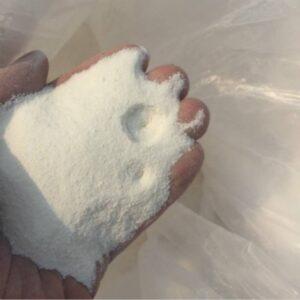
Fumaric Acid
In Stock
Highlights:
Food Grade Fumaric Acid E297
Premium Quality Food Grade Fumaric Acid E297 – High-Performance Organic Acid & Versatile Acidulant for Food Processing, Beverage Manufacturing, Pharmaceutical Applications, Animal Feed Supplements & Industrial Chemical Processes
Food Grade Fumaric Acid E297 is a naturally occurring organic dicarboxylic acid with exceptional acidifying properties, extensively utilized in food processing, beverage manufacturing, pharmaceutical formulations, animal nutrition, and industrial applications requiring superior acidity control, antimicrobial activity, and excellent solubility characteristics.
✅ Superior Organic Acidulant – Natural Dicarboxylic Acid with Excellent Performance
✅ Multiple Grade Options – Food, Pharmaceutical, Feed, and Technical Grades Available
✅ Excellent Stability Properties – Heat Stable, pH Control, Extended Shelf Life
✅ Multi-Industry Compatible – Enhanced Food, Beverage, Pharmaceutical, Feed & Industrial Applications
✅ Natural Origin – Naturally Occurring Acid Supporting Clean Label Formulations
Description
High-Quality Food Grade Fumaric Acid E297
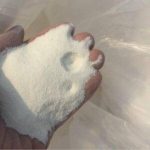
Food Grade Fumaric Acid (E297), chemically known as trans-butenedioic acid with molecular formula C₄H₄O₄ and CAS number 110-17-8, is a white, crystalline organic dicarboxylic acid that occurs naturally in many plants and fungi, including bolete mushrooms, lichen, and Iceland moss. First discovered in 1832 by French chemist Louis Jacques Thénard, fumaric acid plays a crucial role in the citric acid cycle (Krebs cycle) of cellular metabolism. With European food additive designation E297, fumaric acid provides effective acidification with approximately 1.5 times the sourness intensity of citric acid while offering superior stability, lower hygroscopicity, and enhanced antimicrobial properties, making it essential for food preservation, beverage formulations, pharmaceutical applications, and industrial processes requiring reliable pH control and microbial stability.
At Chemicals & Process Equipment Limited, we supply high-performance Food Grade Fumaric Acid E297 manufactured under stringent quality control standards and international food safety, pharmaceutical, feed, and industrial specifications. Our comprehensive product range includes various purity grades, particle sizes, and specialized formulations meeting diverse requirements for food processing, beverage manufacturing, pharmaceutical applications, animal nutrition, and industrial chemical processes across global food, pharmaceutical, agricultural, and manufacturing markets.
✅ Advanced Organic Acid Technology – Optimized Acidification Properties & Multi-Industry Performance
✅ Consistent Quality Standards – Multiple Grade Classifications with Comprehensive Documentation
✅ Essential Acidifying Agent – Superior Food, Beverage, Pharmaceutical & Industrial Performance
✅ Multi-Industry Applications – Food, Beverage, Pharmaceutical, Animal Feed, Chemical & Specialty Systems
✅ Technical Support Package – Complete Application Guidance & Performance Optimization
The global fumaric acid market was valued at approximately USD 320 million in 2023 and is projected to reach USD 485 million by 2030, growing at a CAGR of 6.1% during the forecast period. Market expansion is driven by increasing demand for natural food preservatives, growing animal feed industry, expanding pharmaceutical applications, rising bakery and confectionery markets, and industrial applications requiring bio-based chemical intermediates.
Technical Specifications & Food Grade Fumaric Acid E297 Properties
| Property | Food Grade Standard | Food Grade Premium | Pharmaceutical Grade | Feed Grade | Technical Grade | Industrial Grade |
|---|---|---|---|---|---|---|
| Purity (%) | ≥99.5 | ≥99.8 | ≥99.9 | ≥99.0 | ≥98.5 | ≥98.0 |
| Molecular Formula | C₄H₄O₄ | C₄H₄O₄ | C₄H₄O₄ | C₄H₄O₄ | C₄H₄O₄ | C₄H₄O₄ |
| Molecular Weight (g/mol) | 116.07 | 116.07 | 116.07 | 116.07 | 116.07 | 116.07 |
| Melting Point (°C) | 287-302 | 287-302 | 287-302 | 285-305 | 285-310 | 280-310 |
| pH (1% Solution) | 3.0-3.5 | 3.0-3.3 | 3.1-3.3 | 3.0-3.8 | 2.8-3.8 | 2.5-4.0 |
| Loss on Drying (%) | ≤0.5 | ≤0.3 | ≤0.2 | ≤0.8 | ≤1.0 | ≤1.5 |
| Sulfated Ash (%) | ≤0.1 | ≤0.05 | ≤0.02 | ≤0.2 | ≤0.3 | ≤0.5 |
| Chloride (%) | ≤0.018 | ≤0.010 | ≤0.005 | ≤0.030 | ≤0.050 | ≤0.100 |
| Sulfate (%) | ≤0.020 | ≤0.015 | ≤0.010 | ≤0.040 | ≤0.060 | ≤0.100 |
| Maleic Acid (%) | ≤0.1 | ≤0.05 | ≤0.02 | ≤0.2 | ≤0.3 | ≤0.5 |
| Total Plate Count (cfu/g) | ≤1,000 | ≤500 | ≤100 | ≤2,000 | ≤5,000 | ≤10,000 |
| Yeast & Mold (cfu/g) | ≤100 | ≤50 | ≤10 | ≤200 | ≤500 | ≤1,000 |
| E.coli (per g) | Negative | Negative | Negative | Negative | ≤10 | ≤100 |
| Salmonella (per 25g) | Negative | Negative | Negative | Negative | Negative | Negative |
| Heavy Metals (as Pb) (ppm) | ≤10 | ≤5 | ≤2 | ≤20 | ≤30 | ≤50 |
| Arsenic (As) (ppm) | ≤3 | ≤2 | ≤1 | ≤5 | ≤8 | ≤15 |
| Lead (Pb) (ppm) | ≤5 | ≤3 | ≤1 | ≤10 | ≤15 | ≤25 |
| Cadmium (Cd) (ppm) | ≤1 | ≤0.5 | ≤0.2 | ≤2 | ≤3 | ≤5 |
| Mercury (Hg) (ppm) | ≤1 | ≤0.5 | ≤0.1 | ≤2 | ≤3 | ≤5 |
| Iron (Fe) (ppm) | ≤10 | ≤5 | ≤2 | ≤20 | ≤50 | ≤100 |
| Particle Size (µm) | 20-250 | 50-200 | 75-150 | 20-300 | 10-500 | 10-1000 |
| Bulk Density (g/cm³) | 0.85-1.05 | 0.90-1.05 | 0.90-1.00 | 0.80-1.10 | 0.75-1.15 | 0.70-1.20 |
| Solubility (g/100ml H₂O at 20°C) | 0.63 | 0.63 | 0.63 | 0.63 | 0.63 | 0.63 |
| Solubility (g/100ml H₂O at 100°C) | 9.8 | 9.8 | 9.8 | 9.8 | 9.8 | 9.8 |
| Acid Value | 965-975 | 968-975 | 970-975 | 960-980 | 955-985 | 950-990 |
| Neutralization Equivalent | 58.0 | 58.0 | 58.0 | 58.0 | 58.0 | 58.0 |
| Heat Stability | Up to 200°C | Up to 200°C | Up to 200°C | Up to 200°C | Up to 250°C | Up to 300°C |
| pH Buffering Range | 2.8-4.2 | 2.8-4.2 | 2.8-4.2 | 2.8-4.2 | 2.5-4.5 | 2.0-5.0 |
| Hygroscopicity | Low | Low | Low | Low | Low | Low |
| Antimicrobial Activity | Good | Good | Good | Good | Fair | Fair |
| Taste Profile | Tart, acidic | Tart, clean | Clean, acidic | Tart | Acidic | Sharp |
| Sourness Intensity | 1.5x citric acid | 1.5x citric acid | 1.5x citric acid | 1.5x citric acid | 1.5x citric acid | 1.5x citric acid |
| Color | White | White | White | White to off-white | Off-white | Off-white to tan |
| Odor | Odorless | Odorless | Odorless | Slight | Slight | Slight |
| Crystal Form | Monoclinic | Monoclinic | Monoclinic | Monoclinic | Monoclinic | Monoclinic |
| Storage Stability | Excellent | Excellent | Excellent | Excellent | Good | Good |
| Light Stability | Excellent | Excellent | Excellent | Excellent | Good | Good |
| Oxidation Resistance | Good | Good | Good | Good | Fair | Fair |
| Biodegradability | Excellent | Excellent | Excellent | Excellent | Excellent | Excellent |
| E-Number | E297 | E297 | E297 | E297 | – | – |
| CAS Number | 110-17-8 | 110-17-8 | 110-17-8 | 110-17-8 | 110-17-8 | 110-17-8 |
| EINECS Number | 203-743-0 | 203-743-0 | 203-743-0 | 203-743-0 | 203-743-0 | 203-743-0 |
| HS Code | 29171990 | 29171990 | 29171990 | 29171990 | 29171990 | 29171990 |
| Storage Temperature | 15-25°C | 15-25°C | 15-25°C | 10-30°C | 5-35°C | 0-40°C |
| Relative Humidity | <65% RH | <65% RH | <60% RH | <70% RH | <75% RH | <80% RH |
| Shelf Life | 3 years | 3 years | 5 years | 2 years | 2 years | 2 years |
| Packaging Options | 25kg bags | 25kg bags | 25kg drums | 25kg bags | 25kg bags | 25kg bags, 500kg bags |
Available Grade Types:
- Food Grade Standard (E297) for general food applications
- Food Grade Premium (E297) for high-end food products
- Pharmaceutical Grade (USP/EP) for drug formulations
- Feed Grade for animal nutrition applications
- Technical Grade for industrial chemical processes
- Industrial Grade for manufacturing applications
- Organic Process Compatible for organic certifications
- Kosher/Halal Certified Grade for religious compliance
- High Purity Grade for specialized applications
- Fine Mesh Grade for rapid dissolution
- Coarse Grade for controlled release applications
Specialized Processing Solutions:
- Particle size optimization for dissolution characteristics
- pH control formulations for specific applications
- Antimicrobial enhancement for preservation
- Stability improvement for processing conditions
- Quality testing and certification programs
- Regulatory documentation support
- Application development assistance
- Technical consultation services
Food & Beverage Applications
Bakery & Confectionery Products Food manufacturers utilize Food Grade Fumaric Acid E297 for bread improvers, cake mixes, and baked goods requiring food grade specifications. Bakery companies employ fumaric acid for dough conditioning, shelf life extension, and bakery applications requiring pH control and antimicrobial activity for improved texture and preservation.
Beverage Industry Applications Beverage manufacturers use Food Grade Fumaric Acid E297 for fruit drinks, flavored waters, and acidified beverages requiring beverage specifications. Drink companies employ fumaric acid for tartness enhancement, pH adjustment, and beverage applications requiring stability and microbial control with clean taste profiles.
Meat Processing & Preservation Meat processors utilize Food Grade Fumaric Acid E297 for processed meats, sausages, and meat products requiring meat processing specifications. Food companies employ fumaric acid for pH reduction, pathogen control, and meat applications requiring extended shelf life and food safety enhancement.
Dairy Products Applications Dairy manufacturers use Food Grade Fumaric Acid E297 for cheese production, fermented dairy products, and dairy processing requiring dairy specifications. Cheese companies employ fumaric acid for pH control, culture optimization, and dairy applications requiring consistent fermentation and quality improvement.
Fruit Processing & Preservation Food processors utilize Food Grade Fumaric Acid E297 for fruit preparations, jams, and preserved fruits requiring fruit processing specifications. Canning companies employ fumaric acid for acidity adjustment, color retention, and fruit applications requiring natural preservation and flavor enhancement.
Pharmaceutical & Nutraceutical Applications
Oral Solid Dosage Forms Pharmaceutical manufacturers utilize Food Grade Fumaric Acid E297 for tablet formulations, effervescent tablets, and solid dosage forms requiring pharmaceutical specifications. Drug companies employ fumaric acid for pH adjustment, taste masking, and pharmaceutical applications requiring controlled release and stability enhancement.
Topical Applications Pharma companies use Food Grade Fumaric Acid E297 for dermatological preparations, anti-psoriatic treatments, and topical formulations requiring topical specifications. Medical manufacturers employ fumaric acid for therapeutic activity, skin pH adjustment, and dermatological applications requiring clinical efficacy.
Dietary Supplements Supplement manufacturers utilize Food Grade Fumaric Acid E297 for mineral supplements, effervescent formulations, and nutritional products requiring supplement specifications. Health companies employ fumaric acid for mineral chelation, bioavailability enhancement, and nutraceutical applications requiring absorption improvement.
Veterinary Applications Animal health manufacturers use Food Grade Fumaric Acid E297 for veterinary medicines, animal health products, and livestock treatments requiring veterinary specifications. Veterinary companies employ fumaric acid for pH control, antimicrobial activity, and animal health applications requiring safety and efficacy.
Animal Feed & Nutrition Applications
Swine Feed Applications Feed manufacturers utilize Food Grade Fumaric Acid E297 for pig starter feeds, growth promoter alternatives, and swine nutrition requiring feed specifications. Animal nutrition companies employ fumaric acid for gut health improvement, pathogen control, and swine applications requiring performance enhancement and antibiotic alternatives.
Poultry Feed Supplements Poultry feed manufacturers use Food Grade Fumaric Acid E297 for broiler feeds, layer rations, and poultry nutrition requiring poultry specifications. Feed companies employ fumaric acid for intestinal health, feed conversion improvement, and poultry applications requiring growth promotion and disease prevention.
Ruminant Feed Additives Livestock feed manufacturers utilize Food Grade Fumaric Acid E297 for cattle feeds, dairy cow rations, and ruminant nutrition requiring ruminant specifications. Feed additive companies employ fumaric acid for rumen pH control, fiber digestion, and ruminant applications requiring metabolic enhancement.
Aquaculture Feed Applications Fish feed manufacturers use Food Grade Fumaric Acid E297 for fish feeds, shrimp nutrition, and aquaculture applications requiring aquaculture specifications. Marine feed companies employ fumaric acid for feed preservation, gut health, and aquaculture applications requiring water quality and fish performance.
Industrial & Technical Applications
Chemical Manufacturing Chemical manufacturers utilize Food Grade Fumaric Acid E297 for resin production, polymer synthesis, and chemical intermediates requiring chemical specifications. Plastics companies employ fumaric acid for unsaturated polyester resins, alkyd resins, and chemical applications requiring polymerization and crosslinking.
Paper & Pulp Industry Paper manufacturers use Food Grade Fumaric Acid E297 for paper sizing, retention aids, and pulp processing requiring paper specifications. Pulp companies employ fumaric acid for pH control, fiber bonding, and paper applications requiring strength improvement and processing enhancement.
Textile Industry Applications Textile manufacturers utilize Food Grade Fumaric Acid E297 for fabric finishing, dyeing processes, and textile treatments requiring textile specifications. Clothing companies employ fumaric acid for pH adjustment, color fastness, and textile applications requiring processing optimization and quality improvement.
Water Treatment Applications Water treatment companies use Food Grade Fumaric Acid E297 for pH adjustment, scale inhibition, and water processing requiring water treatment specifications. Municipal utilities employ fumaric acid for corrosion control, bacterial control, and water applications requiring system maintenance and water quality.
Specialized Applications
Cosmetic & Personal Care Personal care manufacturers utilize Food Grade Fumaric Acid E297 for skincare products, anti-aging formulations, and cosmetic applications requiring cosmetic specifications. Beauty companies employ fumaric acid for exfoliation, pH adjustment, and cosmetic applications requiring skin renewal and product stability.
Agricultural Applications Agricultural companies use Food Grade Fumaric Acid E297 for soil amendments, fertilizer acidulants, and crop nutrition requiring agricultural specifications. Farm supply companies employ fumaric acid for pH adjustment, nutrient availability, and agricultural applications requiring soil health and crop performance.
Pharmaceutical Intermediates Chemical manufacturers utilize Food Grade Fumaric Acid E297 for drug synthesis, API production, and pharmaceutical intermediates requiring pharmaceutical specifications. Drug companies employ fumaric acid for chemical synthesis, purification processes, and pharmaceutical applications requiring quality and purity standards.
Quality Control & Testing Procedures
Comprehensive Quality Assurance Every production batch undergoes extensive testing to ensure compliance with food safety standards, pharmaceutical requirements, feed safety guidelines, and international quality specifications. Our quality control laboratory employs advanced analytical techniques including HPLC analysis, titration methods, and comprehensive microbiological testing.
Quality assurance procedures include:
- Purity analysis using High-Performance Liquid Chromatography (HPLC)
- Melting point determination using capillary method
- pH measurement using calibrated pH meters (1% solution)
- Loss on drying determination using halogen moisture analyzer
- Sulfated ash analysis using muffle furnace at 800°C
- Chloride content determination using ion chromatography
- Sulfate analysis using gravimetric methods
- Maleic acid content testing using HPLC analysis
- Microbiological testing using standard plate count methods
- Yeast and mold counting using sabouraud dextrose agar
- E.coli detection using selective media and confirmation
- Salmonella screening using enrichment and selective isolation
- Heavy metals testing using ICP-MS analysis
- Arsenic analysis using atomic absorption spectroscopy
- Lead content determination using ICP-MS methods
- Cadmium and mercury analysis using specialized techniques
- Iron content analysis using atomic absorption spectroscopy
- Particle size distribution analysis using sieve analysis
- Bulk density measurement using standardized methods
- Solubility testing in water at controlled temperatures
- Acid value determination using titration methods
- Neutralization equivalent calculation
- Heat stability testing under processing conditions
- pH buffering capacity evaluation
- Hygroscopicity measurement using moisture sorption
- Antimicrobial activity testing using challenge tests
- Taste profile evaluation using sensory analysis
- Color and odor assessment using standard procedures
- Crystal form identification using X-ray diffraction
- Storage stability monitoring using accelerated aging
- Light stability evaluation using photostability chambers
- Food safety compliance verification for food grades
- Pharmaceutical compliance testing for pharma grades
- Feed safety evaluation for feed grades
- Quality consistency monitoring using statistical process control
Storage & Handling Procedures Implement proper storage conditions including temperature control between 15-25°C, humidity management below 65% RH, and protection from moisture and contamination for maintaining Food Grade Fumaric Acid E297 quality and preventing degradation throughout storage periods.
For comprehensive information about fumaric acid applications, metabolic pathways, industrial uses, and safety considerations, you can reference this detailed scientific overview of fumaric acid from the National Center for Biotechnology Information which provides extensive coverage of chemical properties, biological functions, industrial applications, and safety data across multiple industries.
Market Applications & Industry Trends
Natural Food Preservation Demand Growing consumer preference for natural preservatives, clean label ingredients, and organic food products drives continued demand for fumaric acid as a natural acidulant and preservation enhancer in food formulations requiring chemical-free preservation methods.
Animal Feed Industry Growth Expanding global livestock industry, increasing meat consumption, and growing focus on antibiotic alternatives support significant growth in fumaric acid applications for animal nutrition, gut health improvement, and performance enhancement in feed formulations.
Pharmaceutical Applications Expansion Developing pharmaceutical industry, increasing focus on topical dermatological treatments, and growing demand for excipients drive adoption of fumaric acid for drug formulations, therapeutic applications, and pharmaceutical intermediate production.
Industrial Chemical Demand Growing plastics and resins industry, expanding polymer applications, and increasing demand for bio-based chemicals support growth in fumaric acid applications for unsaturated polyester resins, chemical synthesis, and industrial processing.
Environmental & Regulatory Compliance
Food Safety Standards & Certifications Food Grade Fumaric Acid E297 complies with FDA food additive regulations, EU food additive directives (E297), and international food safety guidelines ensuring safe use in food processing applications with established usage levels and comprehensive safety assessments.
Feed Safety Compliance Standards Adherence to feed safety regulations, AAFCO guidelines, and international feed standards supports safe use in animal nutrition applications with established inclusion levels and comprehensive animal safety evaluations.
Pharmaceutical Compliance Standards Compliance with USP/EP pharmaceutical standards, drug manufacturing guidelines, and therapeutic goods regulations ensures appropriate use in pharmaceutical applications with established quality specifications and safety profiles.
Environmental Standards & Sustainability Environmental compliance includes biodegradable properties, renewable resource potential, and sustainable manufacturing practices ensuring responsible production with minimal environmental impact and ecological compatibility through natural occurrence and metabolic pathways.
Performance Advantages & Technical Benefits
✔ Natural Origin – Naturally occurring organic acid supporting clean label formulations
✔ Superior Sourness – 1.5 times more sour than citric acid with excellent taste profile
✔ Excellent Heat Stability – Stable up to 200°C for high-temperature processing
✔ Low Hygroscopicity – Minimal moisture absorption for improved handling
✔ Antimicrobial Properties – Natural preservation enhancement and pathogen control
✔ pH Control Capability – Effective acidification and buffering properties
✔ Feed Performance – Growth promotion and gut health improvement in animals
✔ Chemical Versatility – Valuable intermediate for polymer and resin production
✔ Regulatory Approved – FDA and EU approved with global market acceptance
✔ Cost Effective – Economical acidulant with multiple functional benefits
✔ Processing Stable – Maintains properties under various processing conditions
✔ Quality Consistent – Reliable performance across production batches
✔ Multiple Applications – Suitable for food, feed, pharmaceutical, and industrial uses
✔ Biodegradable – Environmentally friendly with natural degradation pathways
✔ Safety Established – Comprehensive safety data and established usage levels
✔ Technical Support – Complete application guidance and optimization services
Our Food Grade Fumaric Acid E297 products represent industry-leading standards in organic acid chemistry and multi-industry acidulant solutions, specifically formulated for demanding food operations, animal nutrition, pharmaceutical applications, and specialized industrial processes requiring exceptional pH control, antimicrobial activity, and processing stability. We provide comprehensive technical support, formulation guidance, and regulatory consultation to ensure optimal performance across your specialized food, feed, pharmaceutical, or industrial applications.
For detailed specifications, technical data sheets, or application-specific recommendations, contact our specialized organic acid products division. We offer complete support including formulation optimization, regulatory guidance, and technical assistance to maximize effectiveness in your food, feed, pharmaceutical, or industrial applications.
For more information about our products, feel free to Contact Us today.
Related products

Recently Viewed
Reviews
There are no reviews yet.