
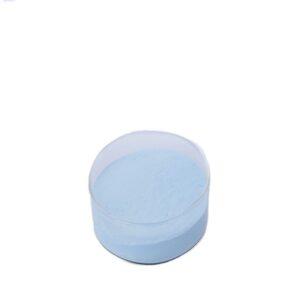
Copper pyrophosphate
In Stock
Highlights:
Copper Pyrophosphate
High-Quality Copper Pyrophosphate (Cu2P2O7) – Premium Grade Chemical Compound for Electronics Manufacturing, Ceramic Production, Catalysts & Specialized Industrial Applications
Copper Pyrophosphate is a versatile inorganic compound extensively utilized in electronics manufacturing, ceramic production systems, catalyst preparation, and specialized industrial applications.
✅ High Purity Copper Content – Superior Chemical Properties & Processing Performance
✅ Consistent Quality Standards – Reliable Chemical Composition & Industrial Performance
✅ Electronics Grade Specifications – Manufacturing, Ceramics & Catalyst Applications
✅ Chemical Synthesis Compatible – Efficient Processing & Reaction Performance
✅ Electronics, Ceramics, Chemical Processing & Industrial Manufacturing Applications
Description
High-Quality Copper Pyrophosphate for Electronics Manufacturing & Advanced Industrial Applications
Copper Pyrophosphate represents advanced inorganic chemistry technology specifically formulated for electronics manufacturing systems, ceramic production operations, catalyst preparation, and industrial applications requiring precise copper content and exceptional chemical purity. This essential chemical compound serves critical functions across electronic component production procedures, ceramic manufacturing processes, catalytic systems, and chemical synthesis operations requiring controlled copper composition, thermal stability, and industrial processing compatibility with exceptional quality consistency.
At Chemicals & Process Equipment Limited, we supply high-grade Copper Pyrophosphate manufactured under stringent quality control standards and international chemical specifications. Our comprehensive product range includes electronics grade copper pyrophosphate, ceramic grade compounds, and specialty formulations meeting diverse requirements for electronic manufacturing, ceramic production, catalyst preparation, and specialized industrial applications across global electronics, ceramics, and chemical manufacturing markets.
✅ Advanced Inorganic Chemistry Technology – Optimized Copper Content & Chemical Performance
✅ Consistent Quality Standards – Multiple Grade Classifications with Comprehensive Documentation
✅ Essential Chemical Properties – Superior Purity, Thermal Stability & Processing Performance
✅ Multi-Industrial Applications – Electronics, Ceramics, Catalysts & Chemical Manufacturing Industries
✅ Technical Support Package – Complete Processing Guidance & Industrial Optimization
The Global Copper Compounds Market is expected to grow from USD 2.8 Billion in 2024 to USD 3.9 Billion by 2031, at a CAGR of 4.9% during the forecast period, while the electronics chemicals market achieved a valuation of USD 58.4 billion in 2024 and is forecasted to climb to USD 89.2 billion by 2033, advancing at a CAGR of 4.8% from 2026 to 2033. This growth is driven by increasing electronics production demand, expanding ceramic applications, growing catalyst requirements, and rising specialty chemical adoption across global industrial markets.
Technical Specifications & Copper Pyrophosphate Properties
| Property | Electronics Grade | Ceramic Grade | Catalyst Grade | Premium Grade |
|---|---|---|---|---|
| Copper Content (Cu) | 38.5-39.5% | 37.0-40.0% | 38.0-40.0% | 39.0-39.8% |
| Phosphorus Content (P) | 11.8-12.2% | 11.0-13.0% | 11.5-12.5% | 11.9-12.1% |
| Purity (Cu2P2O7) | ≥99.5% | ≥98.0% | ≥99.0% | ≥99.8% |
| Iron (Fe) | ≤50 ppm | ≤200 ppm | ≤100 ppm | ≤20 ppm |
| Lead (Pb) | ≤20 ppm | ≤100 ppm | ≤50 ppm | ≤10 ppm |
| Zinc (Zn) | ≤30 ppm | ≤150 ppm | ≤80 ppm | ≤15 ppm |
| Nickel (Ni) | ≤25 ppm | ≤100 ppm | ≤60 ppm | ≤10 ppm |
| Cadmium (Cd) | ≤5 ppm | ≤20 ppm | ≤10 ppm | ≤2 ppm |
| Chloride (Cl) | ≤100 ppm | ≤500 ppm | ≤300 ppm | ≤50 ppm |
| Sulfate (SO4) | ≤200 ppm | ≤800 ppm | ≤500 ppm | ≤100 ppm |
| Moisture Content | ≤0.5% | ≤1.0% | ≤0.8% | ≤0.3% |
| Loss on Ignition | ≤1.0% | ≤2.0% | ≤1.5% | ≤0.8% |
| Particle Size (-325 mesh) | ≥95% | ≥85% | ≥90% | ≥98% |
| Bulk Density | 2.4-2.8 g/cm³ | 2.2-2.6 g/cm³ | 2.3-2.7 g/cm³ | 2.5-2.9 g/cm³ |
| Appearance | Blue-green fine powder | |||
| Crystal Structure | Monoclinic | Monoclinic | Monoclinic | Monoclinic |
| Melting Point | ~1000°C | ~1000°C | ~1000°C | ~1000°C |
| Decomposition Temp | >800°C | >800°C | >800°C | >800°C |
| pH (5% suspension) | 6.5-8.0 | 6.0-8.5 | 6.2-8.2 | 7.0-8.0 |
| Solubility in Water | Insoluble | Insoluble | Insoluble | Insoluble |
| Solubility in Acid | Soluble | Soluble | Soluble | Soluble |
| Thermal Stability | Excellent | Good | Very Good | Excellent |
| Chemical Stability | Stable | Stable | Stable | Very Stable |
| Surface Area (BET) | 5-15 m²/g | 3-12 m²/g | 4-14 m²/g | 8-18 m²/g |
| Electrical Conductivity | Low | Low | Low | Very Low |
| Storage Stability | 36 months | 24 months | 30 months | 48 months |
| Storage Conditions | Dry, cool, ventilated | Climate controlled | ||
| Packaging Options | 25kg drums, 500kg containers, 1000kg bulk |
Available Grade Types:
- Electronics grade copper pyrophosphate for semiconductor and electronic applications
- Ceramic grade compound for pottery, tiles, and ceramic manufacturing
- Catalyst grade copper pyrophosphate for chemical synthesis and catalytic processes
- Premium grade material for specialized high-performance applications
- Custom formulations for specific industrial requirements and processing conditions
Specialized Packaging Solutions:
- 25kg fiber drums with moisture-proof inner liners
- 500kg intermediate bulk containers for industrial operations
- 1000kg bulk containers for large-scale manufacturing processes
- Anti-static packaging for electronics industry applications
- Contamination-free packaging for high-purity requirements
- Vacuum-sealed packaging for extended storage stability
- Custom packaging for specific transport and handling requirements
Electronics Manufacturing Applications
Semiconductor Production Electronics manufacturers utilize copper pyrophosphate for semiconductor wafer processing, electronic component fabrication, and microelectronics systems requiring precise copper deposition and electrical properties. Chip manufacturers employ copper compounds for integrated circuit production and advanced electronics.
Printed Circuit Board Manufacturing PCB manufacturers use copper pyrophosphate for circuit board production, conductive trace formation, and electronic assembly requiring copper conductivity and processing reliability. Electronics assemblers employ copper compounds for PCB fabrication and electronic device manufacturing.
Electronic Component Production Electronic component manufacturers utilize copper pyrophosphate for capacitor production, resistor manufacturing, and component systems requiring controlled copper content and electrical performance. Specialty electronics producers employ copper compounds for precision components and electronic parts.
Display Technology Applications Display manufacturers use copper pyrophosphate for LCD production, OLED manufacturing, and display systems requiring copper electrodes and transparent conductive layers. Advanced display technology companies employ copper compounds for next-generation display applications.
Ceramic Production Applications
Technical Ceramics Manufacturing Ceramic manufacturers utilize copper pyrophosphate for advanced ceramics, structural ceramics, and technical applications requiring copper-enhanced properties and thermal performance. Industrial ceramics producers employ copper compounds for high-performance ceramic systems.
Electronic Ceramics Production Electronic ceramics manufacturers use copper pyrophosphate for capacitor ceramics, piezoelectric materials, and electronic ceramic systems requiring controlled electrical properties and copper functionality. Specialty ceramics producers employ copper compounds for electronic component applications.
Decorative Ceramics Applications Pottery and decorative ceramics manufacturers utilize copper pyrophosphate for glazes, ceramic pigments, and artistic applications requiring copper coloration and aesthetic properties. Art ceramics producers employ copper compounds for creative and decorative ceramic works.
Refractory Materials Production Refractory manufacturers use copper pyrophosphate for high-temperature ceramics, furnace linings, and thermal systems requiring copper-enhanced thermal properties and structural stability. Industrial refractory producers employ copper compounds for extreme temperature applications.
Catalyst Applications
Chemical Synthesis Catalysts Chemical manufacturers utilize copper pyrophosphate for organic synthesis, catalytic reactions, and chemical processing requiring copper catalytic activity and reaction efficiency. Specialty chemical producers employ copper compounds for advanced catalytic systems.
Hydrogenation Processes Hydrogenation facilities use copper pyrophosphate for catalyst preparation, hydrogen reactions, and chemical reduction requiring copper catalytic properties and process optimization. Chemical processing plants employ copper compounds for hydrogenation applications.
Oxidation Catalysts Oxidation process manufacturers utilize copper pyrophosphate for oxidation catalysts, air pollution control, and environmental systems requiring copper oxidation activity and emission control. Environmental technology companies employ copper compounds for catalytic oxidation.
Polymerization Catalysts Polymer manufacturers use copper pyrophosphate for polymerization catalysts, plastic production, and polymer systems requiring controlled molecular weight and polymer properties. Advanced polymer producers employ copper compounds for specialty polymerization processes.
Chemical Processing Applications
Copper Salt Production Chemical manufacturers utilize copper pyrophosphate for copper sulfate production, copper compounds manufacturing, and copper chemistry requiring copper source materials and chemical conversion. Specialty chemical producers employ copper compounds for copper salt synthesis.
Analytical Chemistry Applications Laboratory and analytical facilities use copper pyrophosphate for analytical standards, reference materials, and testing applications requiring precise copper content and analytical accuracy. Quality control laboratories employ copper compounds for chemical analysis.
Research & Development Applications Research institutions utilize copper pyrophosphate for materials research, chemical studies, and development applications requiring high-purity copper compounds and experimental protocols. University and industrial research facilities employ copper compounds for scientific investigation.
Specialty Chemical Production Specialty chemical manufacturers use copper pyrophosphate for custom formulations, niche applications, and specialized products requiring unique copper properties and performance characteristics. Advanced chemical producers employ copper compounds for innovative applications.
Industrial Manufacturing Applications
Metal Treatment Processes Metal treatment facilities utilize copper pyrophosphate for surface treatment, metal finishing, and coating applications requiring copper deposition and surface modification. Metal processing companies employ copper compounds for industrial metal treatment.
Pigment & Dye Production Pigment manufacturers use copper pyrophosphate for copper-based pigments, colorants, and dye applications requiring copper coloration and color stability. Specialty color producers employ copper compounds for advanced pigment systems.
Agricultural Chemical Production Agricultural chemical manufacturers utilize copper pyrophosphate for fungicide production, plant nutrition, and crop protection requiring copper antimicrobial properties and agricultural effectiveness. Agrochemical producers employ copper compounds for plant health applications.
Glass Manufacturing Applications Glass manufacturers use copper pyrophosphate for specialty glass, optical glass, and glass coloration requiring copper-enhanced properties and optical characteristics. Advanced glass producers employ copper compounds for technical glass applications.
Quality Control & Testing Procedures
Comprehensive Quality Assurance Every production batch undergoes extensive testing to ensure compliance with chemical standards, industrial specifications, and international quality requirements. Our quality control laboratory employs advanced analytical techniques including copper content analysis, purity determination, and chemical composition verification. For comprehensive information about copper compounds properties, applications, and research findings, visit RSC’s Copper Chemistry Database which provides detailed research data about copper effects on industrial processes, chemical applications, and materials science.
Quality assurance procedures include:
- Copper content determination using atomic absorption spectroscopy
- Phosphorus analysis using ICP-OES and colorimetric methods
- Purity assessment using X-ray diffraction and chemical analysis
- Heavy metals screening using ICP-MS and XRF techniques
- Moisture content determination using thermogravimetric analysis
- Particle size distribution analysis using laser diffraction methods
- Crystal structure verification using X-ray crystallography
- Thermal properties testing using differential scanning calorimetry
- Chemical stability evaluation under various environmental conditions
- Contamination screening using advanced analytical techniques
- Processing performance validation using standardized test methods
- Quality documentation and batch traceability systems
Application Guidelines & Best Practices
Processing Parameters & Optimization Establish optimal processing conditions for copper pyrophosphate including temperature control, reaction parameters, and system optimization for maximum copper utilization efficiency and processing performance.
Handling & Safety Procedures Implement appropriate safety protocols including personal protective equipment, ventilation systems, and emergency procedures for safe copper compound handling and processing operations.
Storage & Preservation Methods Develop proper storage techniques including moisture protection, contamination prevention, and quality maintenance for preserving copper pyrophosphate properties throughout storage periods.
System Integration Guidelines Ensure proper equipment compatibility, process integration, and operational optimization for effective copper pyrophosphate utilization in industrial processing systems.
Market Applications & Industry Trends
Electronics Industry Growth Expanding electronics manufacturing and semiconductor production drive continued growth in copper pyrophosphate applications for electronic components, PCB manufacturing, and advanced electronics across global technology markets.
Ceramic Industry Expansion Growing technical ceramics and advanced materials demand support increased adoption of copper pyrophosphate for ceramic manufacturing, electronic ceramics, and specialized ceramic applications.
Catalyst Technology Development Rising catalyst technology and environmental regulations drive growth in copper pyrophosphate applications for catalytic processes, emission control, and sustainable chemical manufacturing.
Specialty Chemical Innovation Increasing specialty chemical development and custom formulations support continued adoption of copper pyrophosphate for niche applications and high-performance chemical systems.
Environmental & Regulatory Compliance
Chemical Safety Standards Copper Pyrophosphate complies with chemical safety regulations, industrial hygiene standards, and workplace safety guidelines ensuring appropriate handling and use in industrial applications.
Environmental Protection Standards Compliance with environmental protection regulations, waste management standards, and pollution prevention guidelines supports responsible use and environmental stewardship in industrial operations.
Quality Control Regulations Adherence to quality control standards, chemical specifications, and international quality requirements ensures consistent performance and regulatory compliance across global markets.
Transportation Safety Standards Compliance with hazardous material transportation regulations, packaging requirements, and shipping safety guidelines ensures safe transport and delivery of copper pyrophosphate products.
Performance Advantages & Technical Benefits
✔ High Purity Content – Superior copper content and chemical performance
✔ Consistent Quality – Reliable chemical composition and processing properties
✔ Excellent Stability – Thermal and chemical stability under processing conditions
✔ Versatile Applications – Multiple industrial and manufacturing applications
✔ Cost-Effective Processing – Efficient copper utilization and resource optimization
✔ Environmental Benefits – Sustainable processing and waste reduction
✔ Quality Assurance – Comprehensive testing and quality control systems
✔ Technical Support – Expert guidance and application assistance
✔ Global Availability – Reliable supply chain and distribution network
✔ Custom Solutions – Tailored products for specific industrial requirements
✔ Storage Stability – Extended shelf life under proper storage conditions
✔ Safety Compliance – Meeting industrial safety and regulatory standards
Our Copper Pyrophosphate products represent industry-leading standards in inorganic chemistry technology and industrial chemical solutions, specifically formulated for demanding electronics manufacturing, ceramic production, catalyst preparation, and specialized industrial applications. We provide comprehensive technical support, processing guidance, and application consultation to ensure optimal performance across your specialized chemical processing, electronics manufacturing, or industrial production applications.
For detailed specifications, certificates of analysis, or application-specific recommendations, contact our specialized chemical products division. We offer complete support including processing optimization, handling protocol development, and technical guidance to maximize effectiveness in your electronics manufacturing, ceramic production, or chemical processing applications.
For more information about our products, feel free to Contact Us today.
Related products
Featured
Featured
Featured
Recently Viewed
Reviews
There are no reviews yet.