
Copper Oxide
In Stock
Highlights:
COPPER OXIDE – Premium Ceramic Colorant & Electronic Materials Catalyst
Advanced Copper Oxide – Technical Grade Ceramic Pigment, Electronic Component Material, Glass Colorant & Industrial Catalyst for Ceramic Manufacturing, Electronics Production, Glass Industry, Metal Processing & Specialized Chemical Applications
✅ Technical Grade Ceramic Colorant – Superior Glazing & Color Development Properties
✅ Electronic Component Material – Excellent Semiconductor & Conductive Performance
✅ Outstanding Catalytic Activity – Thermal Stability for Multiple Applications
✅ Multi-Industry Applications – Ceramic, Electronics, Glass & Chemical Processing
✅ Quality Assured – Technical & Industrial Standards Supporting Optimal Performance Results
Description
Premium Copper Oxide Technology
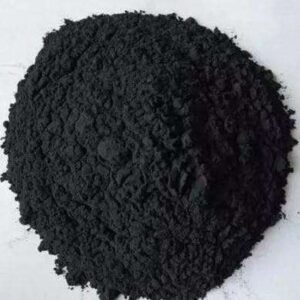
Copper oxide, featuring cupric oxide (CuO) and cuprous oxide (Cu2O) crystalline structures with CAS numbers 1317-38-0 and 1317-39-1 respectively, appearing as black to reddish-brown fine powder with exceptional particle size distribution, outstanding thermal conductivity, and superior chemical stability compared to other copper compounds, is a specialized transition metal oxide with excellent semiconductor properties, improved catalytic efficiency, and superior performance in high-temperature applications. Copper oxide is specifically processed to provide enhanced surface area, improved electrical properties, and superior performance in applications requiring effective copper functionality, reliable thermal management, stable semiconductor behavior, and industrial-grade processing in ceramic manufacturing, electronics production, glass processing, and chemical synthesis operations. The compound functions through multiple mechanisms including electron transfer reactions enabling semiconductor performance, catalytic surface interactions providing oxidation activity, and thermal conduction ensuring heat management, providing broad-spectrum copper functionality, effective thermal control, excellent chemical compatibility under processing conditions, and outstanding stability profile during handling and application. Copper oxide represents one of the most versatile and essential copper sources in modern ceramic, electronics, glass, and chemical processing sectors, providing exceptional color development efficiency, superior electrical performance, excellent thermal stability without degradation, and outstanding processing compatibility during manufacturing and application, making it essential for ceramic glazes, electronic components, glass coloration, antimicrobial treatments, and specialized applications requiring high-performance copper oxide technology and regulatory compliance with industrial and safety standards.
At Chemicals & Process Equipment Limited, we supply advanced Copper Oxide manufactured under stringent quality control standards and international ceramic, electronics, glass, chemical, and safety specifications. Our comprehensive product range includes various particle sizes, purity levels, and specialized grades meeting diverse requirements for ceramic applications, electronics manufacturing, glass production, chemical processing, and specialized applications across global ceramic, electronics, glass, and industrial markets.
✅ Advanced Copper Technology – Optimized Performance & Multi-Industry Applications
✅ Consistent Quality Standards – Multiple Product Classifications with Comprehensive Documentation
✅ Essential Copper Source – Superior Properties, Thermal Stability & Chemical Compatibility
✅ Multi-Industry Applications – Ceramic, Electronics, Glass, Chemical, Antimicrobial Processing
✅ Technical Support Package – Complete Application Guidance & Performance Optimization
The global copper oxide market was valued at approximately USD 450 million in 2023 and is projected to reach USD 620 million by 2030, growing at a CAGR of 4.7% during the forecast period. Market expansion is driven by increasing ceramic production, growing electronics demand, expanding glass manufacturing, and rising antimicrobial applications in healthcare and consumer products.
Technical Specifications & Properties
| Property | Ceramic Grade | Electronics Grade | Glass Grade | Chemical Grade | Technical Grade | Research Grade |
|---|---|---|---|---|---|---|
| CuO Content (%) | 95-99 | 98-99.5 | 92-97 | 90-96 | 85-95 | 99-99.8 |
| Cu2O Content (%) | 0.5-3 | <0.5 | 1-5 | 2-8 | 3-10 | <0.2 |
| Total Copper (%) | 74-79 | 78-79.5 | 72-77 | 70-76 | 66-74 | 78.5-79.2 |
| Moisture Content (%) | <0.5 | <0.2 | <1.0 | <1.5 | <2.0 | <0.1 |
| pH (10% suspension) | 8.0-10.5 | 8.5-10.0 | 7.5-11.0 | 8.0-11.5 | 7.0-12.0 | 8.8-9.5 |
| Particle Size D50 (μm) | 1-10 | 0.5-3 | 5-25 | 10-50 | 20-100 | 2-5 |
| Specific Surface Area (m²/g) | 5-25 | 15-40 | 3-15 | 2-12 | 1-8 | 20-35 |
| Bulk Density (g/cm³) | 1.5-2.5 | 2.0-3.0 | 1.2-2.2 | 1.0-2.0 | 0.8-1.8 | 2.2-2.8 |
| True Density (g/cm³) | 6.0-6.4 | 6.3-6.4 | 5.8-6.2 | 5.5-6.0 | 5.2-5.8 | 6.3-6.4 |
| Tap Density (g/cm³) | 2.0-3.2 | 2.8-4.0 | 1.8-3.0 | 1.5-2.8 | 1.2-2.5 | 3.0-3.5 |
| Oil Absorption (ml/100g) | 15-35 | 10-25 | 20-45 | 25-55 | 30-70 | 12-20 |
| Electrical Resistivity (Ω·cm) | 10²-10⁵ | 10¹-10³ | 10³-10⁶ | 10²-10⁷ | 10¹-10⁸ | 10¹-10² |
| Thermal Conductivity (W/m·K) | 20-40 | 30-50 | 15-35 | 10-30 | 5-25 | 35-45 |
| Iron (Fe) Content (%) | <0.1 | <0.05 | <0.2 | <0.5 | <1.0 | <0.02 |
| Nickel (Ni) Content (%) | <0.05 | <0.02 | <0.1 | <0.2 | <0.5 | <0.01 |
| Zinc (Zn) Content (%) | <0.1 | <0.05 | <0.2 | <0.3 | <0.8 | <0.02 |
| Lead (Pb) Content (ppm) | <50 | <10 | <100 | <200 | <500 | <5 |
| Cadmium (Cd) Content (ppm) | <10 | <5 | <20 | <50 | <100 | <2 |
| Chloride (Cl) Content (%) | <0.1 | <0.05 | <0.2 | <0.5 | <1.0 | <0.02 |
| Sulfate (SO4) Content (%) | <0.2 | <0.1 | <0.5 | <1.0 | <2.0 | <0.05 |
| Insoluble in HCl (%) | <0.5 | <0.2 | <1.0 | <2.0 | <5.0 | <0.1 |
| Loss on Ignition (%) | 1-4 | 0.5-2 | 2-6 | 3-8 | 4-12 | 0.8-1.5 |
| Crystal Structure | Monoclinic | Monoclinic | Mixed | Variable | Variable | Monoclinic |
| Appearance | Black Powder | Fine Black | Dark Brown | Black/Brown | Variable | Fine Black |
| Melting Point (°C) | 1326 | 1326 | 1326/1235 | 1235-1326 | Variable | 1326 |
| Decomposition Temp (°C) | >1000 | >1000 | >800 | >600 | >400 | >1000 |
| Magnetic Properties | Paramagnetic | Paramagnetic | Variable | Variable | Variable | Paramagnetic |
| Application Concentration (%) | 2-15 | 5-95 | 1-10 | 0.5-20 | 1-50 | Variable |
| Storage Temperature (°C) | 10-40 | 15-30 | 5-45 | 0-50 | -10-55 | 18-25 |
| Shelf Life (years) | 5 | 3 | 5 | 5 | 5 | 2 |
| Regulatory Status | Ceramic | Electronics | Glass | Chemical | Industrial | Analytical |
Available Product Types:
- Ceramic Grade for glazing and ceramic colorant applications
- Electronics Grade for semiconductor and conductive applications
- Glass Grade for glass coloration and optical applications
- Chemical Grade for synthesis and processing applications
- Technical Grade for general industrial applications
- Research Grade for laboratory and analytical applications
- Nano Copper Oxide with enhanced surface area properties
- High-Purity Grade for specialized electronic applications
- Fine Powder for smooth processing and uniform distribution
- Micronized Grade for advanced ceramic applications
- Antimicrobial Grade for healthcare and hygiene applications
- Catalyst Grade for chemical processing and oxidation
- Pigment Grade for coloration and coating applications
- Battery Grade for energy storage applications
- Custom Specifications for specific application requirements
Specialized Application Solutions:
- Ceramic glaze formulation and firing optimization
- Electronic component design and manufacturing support
- Glass coloration development and quality enhancement
- Chemical catalyst preparation and performance testing
- Antimicrobial efficacy testing and application development
- Quality control method development and validation
- Thermal analysis and conductivity measurement
- Electrical property characterization and testing
- Regulatory compliance assistance and documentation support
- Custom application development and performance optimization
Ceramic Applications
Ceramic Glazes Ceramic manufacturers utilize Ceramic Grade Copper Oxide for glaze formulations, ceramic coloring, and surface finishing requiring ceramic specifications. Ceramic technologists employ copper oxide for color development, glaze chemistry, and firing optimization providing distinctive green to red colors, enhanced surface properties, and superior ceramic performance with typical additions of 2-8% depending on desired color intensity and firing atmosphere.
Pottery Applications Pottery studios use Copper Oxide for artistic ceramics, decorative glazes, and specialty finishes requiring pottery specifications. Ceramic artists employ copper oxide for color variation, reduction effects, and aesthetic enhancement providing beautiful copper-red colors in reduction firing, metallic lusters, and superior artistic results with excellent color response to firing conditions.
Porcelain Manufacturing Porcelain producers utilize Copper Oxide for fine ceramics, dinnerware, and decorative applications requiring porcelain specifications. Porcelain technologists employ copper oxide for subtle coloration, glaze modification, and quality enhancement providing elegant color effects, improved glaze properties, and superior porcelain quality.
Industrial Ceramics Technical ceramic manufacturers use Copper Oxide for advanced ceramics, electronic substrates, and high-performance applications requiring industrial ceramic specifications. Ceramic engineers employ copper oxide for electrical properties, thermal management, and functional enhancement providing improved conductivity, enhanced thermal performance, and superior technical ceramics.
For comprehensive information about copper oxide applications in ceramic technology, you can reference this detailed research paper on nanostructured copper oxide semiconductors which provides extensive coverage of copper oxide materials, synthesis methods, semiconductor applications, and performance characteristics from the Journal of Materials Chemistry C.
Electronics Applications
Semiconductor Devices Electronics manufacturers utilize Electronics Grade Copper Oxide for semiconductor fabrication, electronic components, and device manufacturing requiring electronics specifications. Electronics engineers employ copper oxide for p-type semiconductor applications, photovoltaic cells, and electronic device fabrication providing excellent electrical properties, reliable semiconductor behavior, and superior device performance with precise doping levels and controlled electrical characteristics.
Printed Circuit Boards PCB manufacturers use Copper Oxide for circuit board production, conductive traces, and electronic assembly requiring PCB specifications. PCB technologists employ copper oxide for surface treatment, adhesion promotion, and conductivity enhancement providing improved electrical connection, enhanced bond strength, and superior PCB performance.
Solar Cell Technology Solar panel manufacturers utilize Copper Oxide for photovoltaic applications, thin-film technology, and renewable energy systems requiring solar specifications. Solar engineers employ copper oxide for light absorption, electron transport, and energy conversion providing improved solar efficiency, enhanced durability, and superior photovoltaic performance.
Electronic Components Electronic component manufacturers use Copper Oxide for resistors, capacitors, and specialized components requiring component specifications. Component engineers employ copper oxide for electrical properties, thermal management, and performance optimization providing reliable electrical characteristics, improved thermal stability, and superior component performance.
Glass Manufacturing
Glass Coloration Glass manufacturers utilize Glass Grade Copper Oxide for colored glass, decorative applications, and specialty glass requiring glass specifications. Glass technologists employ copper oxide for color development, optical properties, and aesthetic enhancement providing distinctive ruby red colors in reduction, turquoise blue in oxidation, and superior glass coloration with typical concentrations of 0.5-3% depending on desired color intensity.
Art Glass Production Art glass studios use Copper Oxide for artistic glasswork, stained glass, and decorative applications requiring art glass specifications. Glass artists employ copper oxide for color effects, metallic lusters, and creative applications providing beautiful color variations, striking visual effects, and superior artistic glass quality.
Optical Glass Optical glass manufacturers utilize Copper Oxide for specialized optical applications, filters, and precision optics requiring optical specifications. Optical engineers employ copper oxide for light absorption, wavelength filtering, and optical properties providing precise light transmission, controlled absorption characteristics, and superior optical performance.
Industrial Glass Industrial glass producers use Copper Oxide for technical glass, laboratory glassware, and specialized applications requiring industrial glass specifications. Glass engineers employ copper oxide for thermal properties, chemical resistance, and functional enhancement providing improved performance characteristics, enhanced durability, and superior industrial glass quality.
Chemical Processing
Catalytic Applications Chemical manufacturers utilize Chemical Grade Copper Oxide for catalytic processes, oxidation reactions, and chemical synthesis requiring catalyst specifications. Process chemists employ copper oxide for heterogeneous catalysis, oxidation reactions, and chemical processing providing enhanced reaction rates, improved selectivity, and superior catalytic performance with excellent thermal stability and reusability.
Chemical Synthesis Chemical companies use Copper Oxide for organic synthesis, intermediate production, and chemical manufacturing requiring synthesis specifications. Synthetic chemists employ copper oxide for oxidation reactions, coupling reactions, and specialized synthesis providing effective chemical transformation, improved yields, and superior product quality.
Analytical Chemistry Analytical laboratories utilize Copper Oxide for analytical methods, standard preparation, and quality control requiring analytical specifications. Analytical chemists employ copper oxide for reference standards, method validation, and analytical procedures providing accurate analysis, reliable results, and superior analytical performance.
Research Applications Research institutions use Copper Oxide for scientific research, material development, and experimental applications requiring research specifications. Research scientists employ copper oxide for fundamental studies, application development, and innovation research providing scientific advancement, technology development, and superior research outcomes.
Antimicrobial Applications
Healthcare Materials Healthcare manufacturers utilize Copper Oxide for antimicrobial surfaces, medical devices, and hygiene products requiring healthcare specifications. Healthcare engineers employ copper oxide for infection control, surface treatment, and antimicrobial enhancement providing effective pathogen elimination, reduced infection risk, and superior healthcare safety.
Consumer Products Consumer product manufacturers use Copper Oxide for antimicrobial textiles, coatings, and personal care items requiring consumer specifications. Product developers employ copper oxide for antimicrobial protection, odor control, and hygiene enhancement providing long-lasting antimicrobial effects, improved product performance, and superior consumer benefits.
Water Treatment Water treatment companies utilize Copper Oxide for antimicrobial water systems, filtration media, and disinfection applications requiring water treatment specifications. Water treatment engineers employ copper oxide for microbial control, water purification, and system protection providing effective disinfection, improved water quality, and superior treatment performance.
Food Processing Food processing facilities use Copper Oxide for antimicrobial surfaces, equipment treatment, and food safety applications requiring food processing specifications. Food safety engineers employ copper oxide for contamination prevention, surface sanitization, and hygiene maintenance providing enhanced food safety, reduced contamination risk, and superior processing hygiene.
Quality Control & Testing
Comprehensive Quality Assurance Every production batch undergoes extensive testing to ensure compliance with copper oxide standards, ceramic requirements, electronics specifications, and international quality standards. Our quality control laboratory employs advanced analytical techniques including atomic absorption spectroscopy, X-ray diffraction, and comprehensive performance evaluation.
Quality assurance procedures include:
- CuO content determination using gravimetric analysis
- Cu2O content testing using iodometric titration
- Total copper analysis using atomic absorption spectroscopy
- Moisture content measurement using Karl Fischer titration
- pH measurement using calibrated electrode systems
- Particle size analysis using laser diffraction techniques
- Specific surface area testing using BET method
- Bulk density determination using standardized procedures
- True density measurement using pycnometer methods
- Tap density testing using standard protocols
- Oil absorption measurement using rub-out procedures
- Electrical resistivity testing using four-point probe
- Thermal conductivity measurement using laser flash
- Iron content analysis using atomic absorption spectroscopy
- Nickel determination using ICP-OES techniques
- Zinc analysis using atomic absorption methods
- Lead testing using graphite furnace techniques
- Cadmium determination using electrothermal atomization
- Chloride content testing using ion chromatography
- Sulfate analysis using gravimetric methods
- HCl insoluble matter determination using filtration
- Loss on ignition testing using high-temperature treatment
- Crystal structure analysis using X-ray diffraction
- Appearance evaluation using visual inspection standards
- Melting point determination using differential thermal analysis
- Decomposition temperature testing using thermogravimetry
- Magnetic property evaluation using magnetometry
- Performance testing using application-specific methods
- Stability testing using accelerated aging protocols
Storage & Handling Procedures Implement proper storage conditions including controlled humidity and temperature, protection from moisture absorption and contamination, appropriate industrial-grade packaging materials, segregation from incompatible substances, and comprehensive safety procedures for maintaining Copper Oxide quality and ensuring safe handling throughout storage and application periods.
Environmental & Regulatory Compliance
Industrial Standards Technical Grade Copper Oxide complies with industrial quality standards, manufacturing specifications, and international technical regulations ensuring appropriate use in industrial applications with established safety criteria and performance specifications for manufacturing processes.
Ceramic Standards Ceramic Grade Copper Oxide adheres to ceramic industry standards, colorant specifications, and international ceramic regulations ensuring safe use in ceramic applications with established safety protocols and regulatory compliance for ceramic manufacturing operations.
Electronics Standards Electronics Grade Copper Oxide meets electronics industry standards, semiconductor specifications, and international electronics regulations ensuring appropriate use in electronic applications with established performance criteria and safety requirements for electronics manufacturing.
Environmental Standards All grades comply with environmental regulations, disposal requirements, and workplace safety standards ensuring appropriate environmental management with established protocols and regulatory compliance for industrial operations.
Performance Advantages & Benefits
✔ Superior Color Development – Excellent ceramic and glass coloration properties
✔ Outstanding Electrical Properties – Reliable semiconductor and conductive performance
✔ Industrial Compatibility – Technical compliance with manufacturing specifications
✔ Thermal Stability – Stable performance under high-temperature conditions
✔ Multiple Applications – Suitable for ceramic, electronics, glass, and chemical use
✔ Antimicrobial Activity – Natural antimicrobial properties for hygiene applications
✔ Processing Efficiency – Easy incorporation and excellent manufacturing compatibility
✔ Catalytic Activity – Effective catalyst for oxidation and synthesis reactions
✔ Quality Consistency – Uniform performance across production batches
✔ Regulatory Compliance – Approved for industrial, ceramic, and electronics use
✔ Cost Effectiveness – Economic copper source with superior performance
✔ Storage Stability – Extended shelf life under proper storage conditions
✔ Global Availability – Reliable supply chains and worldwide distribution networks
✔ Technical Versatility – Multiple industry applications and processing systems
✔ Technical Support – Complete application guidance and optimization services
Our Copper Oxide products represent industry-leading standards in copper chemistry and multi-industry processing solutions, specifically manufactured for demanding ceramic manufacturing, electronics production, glass processing, and advanced industrial applications requiring exceptional color development characteristics, reliable electrical performance, and comprehensive technical optimization. We provide complete technical support, process guidance, and performance consultation to ensure optimal results across your specialized ceramic, electronics, glass, or industrial processing applications.
For detailed specifications, technical data sheets, or application-specific recommendations, contact our specialized copper chemistry division. We offer complete support including product selection, process optimization, compatibility testing, regulatory guidance, performance monitoring, and technical assistance to maximize effectiveness in your ceramic, electronics, glass, or industrial processing applications.
For more information about our products, feel free to Contact Us today.
Related products
Reviews
There are no reviews yet.