
Coconut shell Activated Charcoal
In Stock
Highlights:
COCONUT SHELL ACTIVATED CHARCOAL
Premium Quality Coconut Shell Activated Charcoal – High-Purity Natural Carbon, Advanced Adsorption Agent & Food-Grade Purification Material for Water Treatment, Food Processing, Pharmaceutical Applications, Air Purification & Specialized Industrial Uses
✅ Natural Origin Carbon – Superior Adsorption & High Purity Properties
✅ Multiple Mesh Options – Food, Pharmaceutical, Water Treatment & Air Grades
✅ Excellent Purification Properties – Fast Adsorption, Superior Filtration Performance
✅ Multi-Industry Compatible – Food, Water, Pharmaceutical & Environmental Applications
✅ Quality Assured – Established Performance Standards Supporting Optimal Purification Results
Description
High-Quality Coconut Shell Activated Charcoal
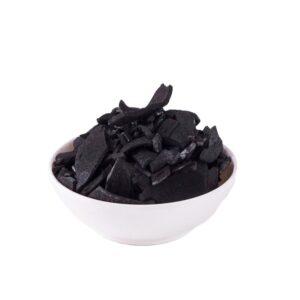
Coconut Shell Activated Charcoal, with chemical formula C and CAS number 7440-44-0, commonly known as Activated Carbon, Vegetable Carbon, Natural Adsorbent, or Coconut Carbon, available in various specifications including food grade (mesh 6×12, 8×30, 12×40, 20×50), pharmaceutical grade (USP powder, granular forms), water treatment grade (mesh 4×8, 6×12, 8×30, 12×30), air purification grade (pellets 2-4mm, granules 1-3mm), technical grade (various mesh sizes), analytical grade (high purity), and industrial grade (bulk specifications), is a black to dark gray highly porous material with exceptional adsorption capacity and outstanding purification characteristics appearing as irregular granules or fine powder with excellent surface area properties and superior processing control. Coconut Shell Activated Charcoal is specifically manufactured to provide reliable contaminant removal, effective purification performance, superior adsorption capacity, and controlled filtration characteristics, making it ideal for applications requiring water purification, food decolorization, pharmaceutical processing, air treatment, and environmental remediation in water treatment plants, food processing facilities, pharmaceutical companies, and environmental control systems. The material works through several mechanisms including physical adsorption for contaminant removal, chemical adsorption for specific compounds, micropore filtration for molecular separation, and surface interactions for selective binding, providing superior purification performance, reliable processing characteristics, effective contaminant removal, and outstanding quality consistency. Coconut Shell Activated Charcoal represents one of the most effective natural adsorbents across multiple industries, providing exceptional surface area, superior adsorption capacity, excellent chemical stability, and outstanding processing reliability, making it essential for water treatment operators, food processors, pharmaceutical manufacturers, and environmental engineers requiring high-performance natural purification solutions and comprehensive technical support.
At Chemicals & Process Equipment Limited, we supply high-performance Coconut Shell Activated Charcoal manufactured under stringent quality control standards and international water treatment, food grade, pharmaceutical, and environmental application specifications. Our comprehensive product range includes various mesh sizes, surface area specifications, and specialized grades meeting diverse requirements for water treatment, food processing, pharmaceutical manufacturing, and environmental applications across global water, food, pharmaceutical, and environmental markets.
✅ Advanced Natural Carbon Technology – Optimized Adsorption Performance & Multi-Industry Applications
✅ Consistent Quality Standards – Multiple Product Classifications with Comprehensive Documentation
✅ Essential Natural Adsorbent – Superior Functional, Processing & Performance Characteristics
✅ Multi-Industry Applications – Water Treatment, Food, Pharmaceutical, Environmental Processing
✅ Technical Support Package – Complete Application Guidance & Performance Optimization
The global activated carbon market was valued at approximately USD 5.1 billion in 2023 and is projected to reach USD 8.9 billion by 2030, growing at a CAGR of 8.3% during the forecast period. Market expansion is driven by increasing water treatment demand, growing food safety requirements, expanding pharmaceutical applications, and rising environmental regulations.
Technical Specifications & Coconut Shell Activated Charcoal Properties
| Property | Food Grade | Pharmaceutical Grade | Water Treatment Grade | Air Purification Grade | Technical Grade | Analytical Grade | Industrial Grade |
|---|---|---|---|---|---|---|---|
| Iodine Number (mg/g) | 1000-1200 | 1100-1300 | 900-1100 | 800-1000 | 600-1000 | 1200-1400 | 500-900 |
| Methylene Blue (mL/g) | 18-25 | 20-28 | 15-22 | 12-18 | 10-20 | 25-30 | 8-15 |
| Surface Area (m²/g) | 900-1200 | 1000-1300 | 800-1100 | 700-950 | 500-900 | 1200-1500 | 400-800 |
| Pore Volume (cm³/g) | 0.8-1.2 | 0.9-1.3 | 0.7-1.1 | 0.6-0.9 | 0.5-0.8 | 1.0-1.4 | 0.4-0.7 |
| Micropore Volume (cm³/g) | 0.4-0.6 | 0.45-0.65 | 0.35-0.55 | 0.3-0.5 | 0.25-0.45 | 0.5-0.7 | 0.2-0.4 |
| Average Pore Diameter (nm) | 1.8-2.2 | 1.7-2.1 | 1.9-2.3 | 2.0-2.5 | 2.2-2.8 | 1.6-2.0 | 2.5-3.5 |
| Mesh Size Range | 6×12, 8×30, 12×40 | Powder, 20×50 | 4×8, 6×12, 8×30 | 2-4mm pellets | Various | 100-325 mesh | 4×8 to 30×60 |
| Particle Size (mm) | 0.6-3.4 | 0.074-1.7 | 0.6-4.8 | 2.0-4.0 | 0.5-5.0 | 0.045-0.15 | 0.3-6.0 |
| Apparent Density (g/cm³) | 0.45-0.55 | 0.35-0.50 | 0.48-0.58 | 0.50-0.65 | 0.40-0.60 | 0.30-0.45 | 0.35-0.65 |
| Hardness Number | 95-98 | 90-95 | 95-99 | 98-99 | 85-95 | 85-95 | 80-95 |
| Abrasion Number | 75-85 | 70-80 | 80-90 | 85-95 | 65-85 | 60-80 | 60-85 |
| Moisture Content (%) | ≤5 | ≤3 | ≤8 | ≤5 | ≤10 | ≤2 | ≤12 |
| Ash Content (%) | ≤3 | ≤2 | ≤5 | ≤4 | ≤8 | ≤1.5 | ≤10 |
| pH Value | 6.5-8.5 | 7.0-8.0 | 6.0-9.0 | 6.5-8.5 | 5.0-10.0 | 7.0-8.5 | 5.0-11.0 |
| Volatile Matter (%) | ≤5 | ≤3 | ≤8 | ≤6 | ≤12 | ≤2 | ≤15 |
| Fixed Carbon (%) | ≥85 | ≥90 | ≥80 | ≥85 | ≥75 | ≥95 | ≥70 |
| Total Acid Groups (meq/g) | 0.2-0.8 | 0.1-0.6 | 0.3-1.0 | 0.2-0.7 | 0.1-1.2 | 0.1-0.5 | 0.1-1.5 |
| Total Basic Groups (meq/g) | 0.1-0.5 | 0.1-0.4 | 0.2-0.8 | 0.1-0.6 | 0.1-1.0 | 0.1-0.3 | 0.1-1.2 |
| Iron Content (ppm) | ≤300 | ≤200 | ≤500 | ≤400 | ≤800 | ≤150 | ≤1000 |
| Chloride (ppm) | ≤200 | ≤100 | ≤500 | ≤300 | ≤800 | ≤50 | ≤1000 |
| Sulfate (ppm) | ≤300 | ≤200 | ≤600 | ≤400 | ≤1000 | ≤100 | ≤1500 |
| Heavy Metals (ppm) | ≤10 | ≤5 | ≤50 | ≤20 | ≤100 | ≤3 | ≤150 |
| Phosphate (ppm) | ≤50 | ≤30 | ≤100 | ≤70 | ≤200 | ≤20 | ≤300 |
| Arsenic (ppm) | ≤2 | ≤1 | ≤10 | ≤5 | ≤20 | ≤0.5 | ≤50 |
| Lead (ppm) | ≤5 | ≤3 | ≤20 | ≤10 | ≤50 | ≤1 | ≤100 |
| Mercury (ppm) | ≤1 | ≤0.5 | ≤5 | ≤2 | ≤10 | ≤0.2 | ≤20 |
| Cadmium (ppm) | ≤2 | ≤1 | ≤10 | ≤5 | ≤20 | ≤0.5 | ≤50 |
| Chromium (ppm) | ≤5 | ≤3 | ≤25 | ≤10 | ≤50 | ≤1 | ≤100 |
| Benzene Adsorption (%) | ≥25 | ≥30 | ≥20 | ≥35 | ≥15 | ≥35 | ≥10 |
| Toluene Adsorption (%) | ≥30 | ≥35 | ≥25 | ≥40 | ≥20 | ≥40 | ≥15 |
| CCl₄ Activity (%) | ≥60 | ≥70 | ≥50 | ≥80 | ≥40 | ≥75 | ≥30 |
| Phenol Adsorption (mg/g) | 180-250 | 200-280 | 150-220 | 120-180 | 100-200 | 250-350 | 80-150 |
| Decolorization Power (%) | ≥95 | ≥98 | ≥90 | ≥85 | ≥80 | ≥99 | ≥75 |
| Filterability | Excellent | Excellent | Good | Good | Fair | Excellent | Fair |
| Regeneration Capability | Good | Good | Excellent | Good | Good | Good | Fair |
| Chemical Resistance | Excellent | Excellent | Good | Good | Good | Excellent | Good |
| Thermal Stability (°C) | 400-500 | 450-550 | 350-450 | 400-500 | 300-450 | 500-600 | 250-400 |
| Ignition Temperature (°C) | 450-500 | 450-500 | 400-450 | 450-500 | 350-450 | 500-550 | 300-400 |
| Operating Temperature (°C) | 5-80 | 10-60 | 5-90 | 5-80 | 0-100 | 15-50 | 0-120 |
| Pressure Drop (kPa/m) | 2-8 | 3-10 | 1.5-6 | 2-7 | 1-10 | 5-15 | 1-12 |
| Attrition Loss (%/year) | ≤5 | ≤3 | ≤8 | ≤4 | ≤10 | ≤2 | ≤15 |
| Uniformity Coefficient | 1.2-1.8 | 1.1-1.6 | 1.3-2.0 | 1.2-1.7 | 1.1-2.5 | 1.1-1.5 | 1.2-3.0 |
| Effective Size (mm) | 0.8-1.2 | 0.1-0.8 | 0.9-1.5 | 2.5-3.5 | 0.5-2.0 | 0.05-0.12 | 0.4-2.5 |
| Backwash Expansion (%) | 25-40 | N/A | 30-50 | N/A | 20-60 | N/A | 15-70 |
| Contact Time (minutes) | 10-30 | 5-20 | 15-45 | 20-60 | 5-60 | 5-15 | 5-120 |
| Bed Depth (m) | 0.5-2.0 | 0.1-0.5 | 1.0-3.0 | 0.3-1.5 | 0.2-4.0 | 0.05-0.3 | 0.2-5.0 |
| Flow Rate (m³/m²/h) | 5-15 | 2-8 | 8-25 | 3-12 | 2-30 | 1-5 | 2-40 |
| Service Life (months) | 12-24 | 6-18 | 18-36 | 12-30 | 6-48 | 3-12 | 12-60 |
| Breakthrough Capacity (%) | 80-95 | 85-98 | 75-90 | 70-85 | 60-90 | 90-99 | 50-85 |
| Saturation Capacity (mg/g) | 200-400 | 250-500 | 150-350 | 100-250 | 80-300 | 300-600 | 50-200 |
| Working Capacity (mg/g) | 100-200 | 125-250 | 75-175 | 50-125 | 40-150 | 150-300 | 25-100 |
| Adsorption Rate (mg/g/min) | 5-15 | 8-20 | 3-12 | 2-8 | 1-10 | 10-25 | 1-8 |
| Equilibrium Time (hours) | 2-8 | 1-6 | 4-12 | 6-18 | 2-24 | 0.5-4 | 4-48 |
| Desorption Efficiency (%) | 80-95 | 85-98 | 75-90 | 70-85 | 60-90 | 90-99 | 50-85 |
| Packaging Material | HDPE Bags | USP Containers | HDPE/PP Bags | HDPE Bags | PP/HDPE Bags | Glass/HDPE | HDPE/PP Bags |
| Package Sizes (kg) | 25, 500, 1000 | 1, 5, 25 | 25, 500, 1000 | 25, 500 | 25, 500, 1000 | 1, 5, 25 | 500, 1000 |
| Shelf Life (months) | Indefinite | 60 | Indefinite | Indefinite | Indefinite | 36 | Indefinite |
| Storage Conditions | Dry, Ventilated | Dry, Cool | Dry, Covered | Dry, Ventilated | Dry, Covered | Dry, Dark | Dry, Covered |
| Transportation Class | General Cargo | General Cargo | General Cargo | General Cargo | General Cargo | General Cargo | General Cargo |
| Regulatory Approval | FDA GRAS | USP Compliant | NSF Certified | EPA Listed | Industrial | ACS Grade | Industrial |
| Kosher Certification | Available | Available | N/A | N/A | N/A | N/A | N/A |
| Halal Certification | Available | Available | N/A | N/A | N/A | N/A | N/A |
| Organic Certification | Available | Limited | N/A | N/A | N/A | N/A | N/A |
| Non-GMO Status | N/A | N/A | N/A | N/A | N/A | N/A | N/A |
| Allergen Status | None | None | None | None | None | None | None |
| Testing Frequency | Per Batch | Per Batch | Per Lot | Per Lot | Per Shipment | Per Batch | Per Shipment |
| Quality Certificates | COA, MSDS | COA, USP, MSDS | COA, NSF, MSDS | COA, EPA, MSDS | COA, MSDS | COA, ACS, MSDS | COA, MSDS |
| Cost per Kg (USD) | 3.50-5.50 | 8.00-12.00 | 2.50-4.00 | 4.00-6.50 | 1.50-3.00 | 15.00-25.00 | 1.20-2.50 |
| Minimum Order (kg) | 500 | 25 | 1000 | 500 | 2000 | 10 | 5000 |
| Lead Time (days) | 7-14 | 10-20 | 5-12 | 7-15 | 3-10 | 14-28 | 2-8 |
| Global Availability | Regional | Limited | Worldwide | Regional | Worldwide | Limited | Worldwide |
| Technical Support | Enhanced | Premium | Standard | Enhanced | Basic | Premium | Basic |
| Application Training | Yes | Yes | Limited | Yes | Limited | Yes | No |
| Regeneration Service | Available | Limited | Available | Available | Limited | No | Limited |
| Custom Specification | Yes | Yes | Yes | Yes | Limited | Yes | Limited |
| Performance Guarantee | Yes | Yes | Yes | Yes | Limited | Yes | Limited |
Available Product Types:
- Food Grade Coconut Shell Activated Charcoal for food processing and beverage applications
- Pharmaceutical Grade Activated Carbon for drug manufacturing and medical applications
- Water Treatment Grade for municipal and industrial water purification systems
- Air Purification Grade for environmental and indoor air quality applications
- Technical Grade for industrial processing and chemical applications
- Analytical Grade for laboratory and research applications
- Industrial Grade for bulk processing and manufacturing operations
- Powder Form for direct mixing and processing applications
- Granular Form for filtration and adsorption columns
- Pellet Form for gas phase applications and air treatment
- Custom Mesh Sizes for specific application requirements
- Impregnated Grades for specialized contaminant removal
Specialized Application Solutions:
- Water treatment and purification system design
- Food and beverage decolorization processes
- Pharmaceutical purification and processing applications
- Air pollution control and odor elimination systems
- Environmental remediation and contamination cleanup
- Gold recovery and precious metal extraction
- Chemical processing and solvent recovery
- Gas separation and purification applications
- Quality control systems and performance testing
- Process optimization and efficiency improvement consulting
- Technical training and application development programs
- Regeneration and reactivation services
Water Treatment Applications
Municipal Water Treatment Water treatment facilities utilize Coconut Shell Activated Charcoal for chlorine removal, taste improvement, and contaminant adsorption requiring water treatment grade specifications. Water treatment operators employ activated carbon for drinking water purification, taste and odor control applications requiring water quality, safety standards, and regulatory compliance in municipal water systems.
Industrial Water Processing Industrial water users use Coconut Shell Activated Charcoal for process water treatment, wastewater remediation, and water recycling requiring technical grade specifications. Water treatment specialists employ activated carbon for heavy metal removal, organic contaminant elimination applications requiring treatment efficiency, discharge compliance, and environmental protection in industrial water treatment.
Swimming Pool Treatment Pool service companies utilize Coconut Shell Activated Charcoal for chloramine removal, water clarification, and chemical balance requiring water treatment grade specifications. Pool maintenance professionals employ activated carbon for water polishing, chemical reduction applications requiring water clarity, swimmer comfort, and equipment protection in pool maintenance.
Groundwater Remediation Environmental companies use Coconut Shell Activated Charcoal for contaminated groundwater treatment, soil remediation, and environmental cleanup requiring environmental grade specifications. Environmental engineers employ activated carbon for PFAS removal, petroleum contamination applications requiring cleanup efficiency, regulatory compliance, and environmental restoration in remediation projects.
For comprehensive information about activated carbon water treatment applications, regulatory guidelines, and performance standards, visit the EPA Drinking Water Treatment Technology Database which provides detailed guidance on activated carbon properties, water treatment applications, and regulatory requirements for water treatment professionals.
Food & Beverage Applications
Food Processing Food manufacturers utilize Coconut Shell Activated Charcoal for decolorization, purification, and contaminant removal requiring food grade specifications. Food technologists employ activated carbon for sugar refining, oil processing applications requiring product purity, color improvement, and quality enhancement in food manufacturing.
Beverage Production Beverage manufacturers use Coconut Shell Activated Charcoal for water treatment, taste improvement, and impurity removal requiring food grade specifications. Beverage specialists employ activated carbon for alcoholic beverage processing, soft drink production applications requiring taste quality, product clarity, and consumer appeal in beverage production.
Edible Oil Refining Oil refining companies utilize Coconut Shell Activated Charcoal for oil bleaching, impurity removal, and quality improvement requiring food grade specifications. Oil processing specialists employ activated carbon for vegetable oil purification, animal fat processing applications requiring color removal, taste improvement, and product quality in oil refining.
Food Supplement Manufacturing Supplement manufacturers use Coconut Shell Activated Charcoal for ingredient purification, detoxification products, and health applications requiring food grade specifications. Supplement formulators employ activated carbon for digestive health products, cleansing formulations applications requiring safety standards, efficacy requirements, and regulatory compliance in supplement production.
Pharmaceutical Applications
Drug Manufacturing Pharmaceutical companies utilize Coconut Shell Activated Charcoal for API purification, solvent recovery, and process purification requiring pharmaceutical grade specifications. Pharmaceutical chemists employ activated carbon for drug synthesis, purification applications requiring purity standards, contaminant removal, and product quality in pharmaceutical production.
Medical Applications Medical device manufacturers use Coconut Shell Activated Charcoal for poisoning treatment, detoxification therapy, and emergency medicine requiring pharmaceutical grade specifications. Medical professionals employ activated carbon for gastrointestinal decontamination, overdose treatment applications requiring safety standards, therapeutic efficacy, and medical protocols in healthcare applications.
Laboratory Applications Research laboratories utilize Coconut Shell Activated Charcoal for sample preparation, analytical testing, and research applications requiring analytical grade specifications. Laboratory technicians employ activated carbon for chromatography, extraction applications requiring precision results, method development, and analytical accuracy in laboratory operations.
Biotechnology Processing Biotechnology companies use Coconut Shell Activated Charcoal for biopharmaceutical purification, fermentation processing, and downstream applications requiring pharmaceutical grade specifications. Biotech specialists employ activated carbon for protein purification, cell culture applications requiring biocompatibility, process efficiency, and product quality in biotechnology manufacturing.
Environmental Applications
Air Pollution Control Environmental control systems utilize Coconut Shell Activated Charcoal for volatile organic compound removal, odor control, and air purification requiring air grade specifications. Environmental engineers employ activated carbon for industrial emission control, indoor air quality applications requiring removal efficiency, regulatory compliance, and environmental protection in air treatment systems.
Soil Remediation Environmental remediation companies use Coconut Shell Activated Charcoal for contaminated soil treatment, in-situ remediation, and environmental cleanup requiring environmental grade specifications. Remediation specialists employ activated carbon for petroleum contamination, chemical spill cleanup applications requiring cleanup efficiency, environmental restoration, and regulatory compliance in soil remediation.
Gas Processing Gas processing facilities utilize Coconut Shell Activated Charcoal for gas purification, solvent recovery, and emissions control requiring technical grade specifications. Gas processing operators employ activated carbon for natural gas treatment, biogas purification applications requiring gas quality, processing efficiency, and environmental compliance in gas processing operations.
Waste Management Waste management companies use Coconut Shell Activated Charcoal for landfill gas treatment, leachate processing, and odor control requiring environmental grade specifications. Waste management specialists employ activated carbon for emission control, environmental protection applications requiring regulatory compliance, odor elimination, and environmental safety in waste management operations.
Industrial Applications
Chemical Processing Chemical manufacturers utilize Coconut Shell Activated Charcoal for solvent recovery, catalyst support, and purification processes requiring technical grade specifications. Chemical engineers employ activated carbon for distillation enhancement, product purification applications requiring process efficiency, cost reduction, and product quality in chemical manufacturing.
Gold Mining & Recovery Mining companies use Coconut Shell Activated Charcoal for gold extraction, precious metal recovery, and mineral processing requiring specialized grade specifications. Mining engineers employ activated carbon for carbon-in-pulp processes, heap leaching applications requiring recovery efficiency, process optimization, and metal purity in mining operations.
Automotive Applications Automotive manufacturers utilize Coconut Shell Activated Charcoal for fuel vapor recovery, emission control, and cabin air filtration requiring automotive grade specifications. Automotive engineers employ activated carbon for EVAP systems, air filter applications requiring emission compliance, passenger comfort, and environmental protection in automotive manufacturing.
Electronics Manufacturing Electronics manufacturers use Coconut Shell Activated Charcoal for cleanroom air filtration, solvent recovery, and contamination control requiring electronic grade specifications. Electronics specialists employ activated carbon for semiconductor processing, PCB manufacturing applications requiring clean environment, product quality, and process control in electronics manufacturing.
Quality Control & Testing
Comprehensive Quality Assurance Every production batch undergoes extensive testing to ensure compliance with activated carbon standards, food grade requirements, pharmaceutical specifications, and international quality standards. Our quality control laboratory employs advanced analytical techniques including surface area measurement, adsorption capacity testing, and comprehensive purity evaluation.
Quality assurance procedures include:
- Iodine number determination using standardized methods
- Methylene blue adsorption using colorimetric analysis
- Surface area measurement using BET nitrogen adsorption
- Pore volume determination using mercury porosimetry
- Particle size distribution using sieve analysis
- Apparent density measurement using standardized apparatus
- Hardness testing using ball-pan hardness method
- Abrasion number determination using standardized procedures
- Moisture content analysis using gravimetric methods
- Ash content determination using muffle furnace methods
- pH measurement using standardized electrode methods
- Volatile matter testing using thermogravimetric analysis
- Fixed carbon calculation using analytical methods
- Heavy metals analysis using ICP-MS methods
- Iron content determination using atomic absorption
- Chloride analysis using ion chromatography
- Sulfate testing using gravimetric methods
- Phenol adsorption using spectrophotometric methods
- Benzene activity using dynamic adsorption methods
- CCl₄ activity testing using standardized protocols
- Decolorization power using molasses number test
- Filterability testing using pressure drop measurement
- Chemical resistance using acid/base exposure tests
- Thermal stability using TGA analysis
- Microbiological testing for food and pharmaceutical grades
- Endotoxin testing using LAL methods for pharmaceutical applications
- Performance testing using pilot scale evaluations
- Regeneration testing using thermal reactivation
- Breakthrough testing using dynamic column studies
- Kinetic testing using batch adsorption studies
- Equilibrium testing using isotherm analysis
- Selectivity testing using competitive adsorption
- Quality system compliance using ISO and USP standards
- Customer application support using pilot testing
- Technical consultation using expert evaluation
- Continuous improvement using statistical process control
Storage & Handling Procedures Implement proper storage conditions including moisture control, contamination prevention, proper ventilation, temperature management, and comprehensive handling procedures for maintaining Coconut Shell Activated Charcoal quality and ensuring safe processing throughout storage and application periods while following all best practices for carbon material handling.
Market Applications & Industry Trends
Water Treatment Industry Growth Growing global water scarcity, increasing water quality standards, expanding municipal treatment capacity, and rising environmental regulations drive continued demand for activated carbon in water applications requiring purification, contaminant removal, and quality improvement.
Food Processing Market Expansion Increasing food safety requirements, growing processed food demand, expanding beverage manufacturing, and rising quality standards drive adoption of activated carbon for food applications requiring decolorization, purification, and quality enhancement.
Environmental Regulations Development Advancing environmental regulations, increasing emission control requirements, expanding remediation projects, and growing air quality concerns drive development of activated carbon applications requiring pollution control, environmental protection, and regulatory compliance.
Healthcare Industry Growth Growing pharmaceutical manufacturing, increasing medical applications, expanding biotechnology processing, and rising healthcare demand drive adoption of activated carbon for pharmaceutical applications requiring purification, detoxification, and therapeutic uses.
Environmental & Regulatory Compliance
Safety Management Coconut Shell Activated Charcoal is generally safe requiring standard safety practices including dust control, proper ventilation, and handling procedures ensuring worker protection with consideration for carbon dust exposure and established safety procedures from handling and processing operations.
Transportation Safety Standards Compliance with general cargo shipping requirements and standard material handling guidelines ensures safe transportation and handling in industrial operations with established procedures for carbon material management and safety protocols during transport operations.
Environmental Protection Standards Adherence to environmental regulations, waste management requirements, and sustainable production practices ensures responsible use in industrial applications with established environmental protection measures and renewable resource utilization for coconut shell activated carbon manufacturing.
Food Safety Regulations Compliance with food safety standards, FDA GRAS status, NSF certification, and international food grade requirements ensures safe use in food applications with established food safety documentation and quality assurance systems for food grade applications.
Performance Advantages & Technical Benefits
✔ Natural & Renewable – Derived from sustainable coconut shells with excellent environmental profile
✔ High Adsorption Capacity – Superior surface area and pore structure for maximum contaminant removal
✔ Excellent Purity – Low ash content and high-quality specifications for demanding applications
✔ Multiple Grade Options – Various mesh sizes and grades for specific application requirements
✔ Multi-Application Versatility – Suitable for water, food, pharmaceutical, and environmental applications
✔ Cost Effectiveness – Excellent performance and regeneration capabilities for economic operation
✔ Processing Efficiency – Fast adsorption kinetics and high capacity for optimal processing
✔ Quality Consistency – Reliable performance characteristics and specifications across batches
✔ Safety Profile – Non-toxic material with established handling procedures and safety protocols
✔ Technical Support – Complete application guidance and process optimization services
✔ Regulatory Compliance – Industry compliant grades with comprehensive documentation
✔ Global Availability – Reliable supply chains and worldwide distribution network
✔ Proven Performance – Decades of successful use in water treatment, food, and industrial applications
✔ Environmental Compatibility – Biodegradable and environmentally sustainable characteristics
✔ Regeneration Capability – Thermal reactivation potential for extended service life and cost savings
Our Coconut Shell Activated Charcoal products represent industry-leading standards in natural carbon technology and adsorption applications, specifically manufactured for demanding water treatment, food processing, pharmaceutical manufacturing, and environmental control applications requiring exceptional adsorption capacity, superior purification performance, excellent chemical purity, and comprehensive quality assurance. We provide complete technical support, application guidance, and process consultation to ensure optimal results across your specialized water treatment, food processing, pharmaceutical, or environmental applications.
For detailed specifications, technical data sheets, or application-specific recommendations, contact our specialized materials division. We offer complete support including product selection, system design, application consulting, performance testing, regeneration services, and technical assistance to maximize effectiveness in your water treatment, food processing, pharmaceutical, or environmental applications.
For more information about our products, feel free to Contact Us today.
Related products
Recently Viewed
Featured
Reviews
There are no reviews yet.