
CITRIC ACID ANHYDROUS
In Stock
Highlights:
Citric Acid Anhydrous (E330)
Food Grade Citric Acid Anhydrous – Premium Quality Natural Acidulant & Preservative for Food Processing, Beverage Manufacturing & Industrial Applications
Citric Acid Anhydrous (E330) is a vital natural acidulant extensively utilized in food processing, beverage production, pharmaceutical manufacturing, and industrial applications. Our technical-grade citric acid anhydrous delivers exceptional acidification performance and preservation effectiveness with superior purity for demanding food processing operations, product formulation, and industrial processes requiring safe, effective pH control and natural preservation solutions.
✅ High-Performance Natural Acidulant – Superior pH Control & Preservation Capability
✅ Multiple Grade Formulations – Food Grade, FCC, USP, BP & Industrial Specifications
✅ Essential Acidification Properties – Natural Preservative & Antioxidant Synergist
✅ Safe for Food Applications – FDA Approved & Internationally Recognized E330 Standard
✅ Food Processing, Beverage Manufacturing, Pharmaceutical & Industrial Applications
Description
High-Performance Citric Acid Anhydrous for Food Processing & Manufacturing Operations
Citric Acid Anhydrous (E330) represents advanced natural acidification technology specifically formulated for food processing operations, beverage manufacturing applications, pharmaceutical production, and industrial processes requiring consistent pH control and preservation effectiveness. This essential organic acid serves critical functions across food acidification procedures, product manufacturing applications, beverage production, and industrial processes requiring controlled acidity levels and natural preservation.
At Chemicals & Process Equipment Limited, we supply high-grade Citric Acid Anhydrous manufactured under stringent quality control standards and international food safety specifications. Our comprehensive product range includes food-grade, FCC-grade, USP-grade, BP-grade, and industrial-grade formulations meeting diverse requirements for food processing, pharmaceutical manufacturing, and specialized applications across global food processing, beverage, and industrial markets.
✅ Advanced Natural Acidification Technology – Optimized pH Control & Preservation Performance
✅ Consistent Quality Standards – Multiple Grade Classifications with Comprehensive Documentation
✅ Essential Acidification Properties – Natural Preservation & Antioxidant Enhancement Support
✅ Multi-Industry Applications – Food Processing, Beverage, Pharmaceutical & Industrial Uses
✅ Technical Support Package – Complete Application Guidance & Process Optimization
For comprehensive information on citric acid applications in food processing and acidification, refer to this detailed citric acid industrial applications review by Taylor & Francis Online. Our acidulants and pH control solutions provides specialized guidance for optimal acidification performance and preservation effectiveness across diverse food processing applications.
The Citric Acid Market is expected to grow from USD 3.2 Billion in 2024 to USD 4.8 Billion by 2031, at a CAGR of 5.9% during the forecast period, while the market achieved a valuation of USD 2.9 billion in 2024 and is forecasted to climb to USD 5.2 billion by 2033, advancing at a CAGR of 8.1% from 2026 to 2033. This growth is driven by increasing demand for natural preservatives, expanding food and beverage industries, growing pharmaceutical applications, and rising consumer preference for clean-label acidification solutions across global markets.
Technical Specifications & Citric Acid Anhydrous Properties
| Property | Food Grade FCC | Food Grade USP | Pharmaceutical BP | Industrial Grade |
|---|---|---|---|---|
| Chemical Formula | C6H8O7 | C6H8O7 | C6H8O7 | C6H8O7 |
| Molecular Weight | 192.12 g/mol | 192.12 g/mol | 192.12 g/mol | 192.12 g/mol |
| Assay (Dried Basis) | 99.5-100.5% | 99.5-100.5% | 99.5-101.0% | 98.0-101.0% |
| Water Content | ≤0.5% | ≤0.5% | ≤0.5% | ≤1.0% |
| pH (1% solution) | 2.1-2.6 | 2.1-2.6 | 2.1-2.6 | 2.0-2.8 |
| Sulfated Ash | ≤0.05% | ≤0.05% | ≤0.05% | ≤0.1% |
| Oxalic Acid | ≤0.01% | ≤0.01% | ≤0.01% | ≤0.02% |
| Heavy Metals (Pb) | ≤0.5 ppm | ≤0.5 ppm | ≤0.5 ppm | ≤2 ppm |
| Arsenic (As) | ≤1 ppm | ≤1 ppm | ≤1 ppm | ≤3 ppm |
| Mercury (Hg) | ≤1 ppm | ≤1 ppm | ≤1 ppm | ≤2 ppm |
| Calcium | ≤75 ppm | ≤75 ppm | ≤75 ppm | ≤200 ppm |
| Total Plate Count | ≤1000 cfu/g | ≤1000 cfu/g | ≤100 cfu/g | ≤3000 cfu/g |
| Yeast & Mold | ≤100 cfu/g | ≤100 cfu/g | ≤10 cfu/g | ≤300 cfu/g |
| E.Coli | Absent/g | Absent/g | Absent/g | Absent/g |
| Salmonella | Absent/10g | Absent/10g | Absent/10g | Absent/10g |
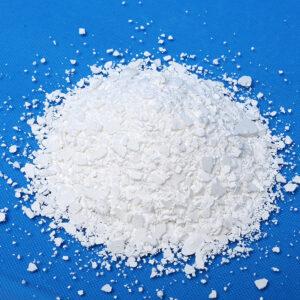
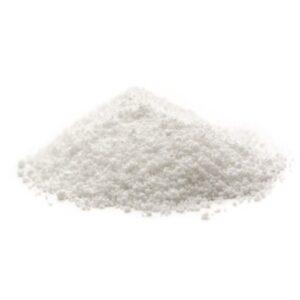
| Appearance | Colorless to white crystalline powder | Colorless to white crystalline powder | White crystalline powder | White to off-white powder |
| Solubility (Water) | 1330g/L at 20°C | 1330g/L at 20°C | 1330g/L at 20°C | 1300g/L at 20°C |
| Clarity of Solution | Clear and colorless | Clear and colorless | Clear and colorless | Clear to slightly turbid |
| Melting Point | 153-159°C | 153-159°C | 153-159°C | 150-160°C |
| Bulk Density | 0.8-1.0 g/mL | 0.8-1.0 g/mL | 0.9-1.1 g/mL | 0.7-0.9 g/mL |
| Particle Size | 8-80 mesh | 8-80 mesh | 20-80 mesh | 8-100 mesh |
| Storage Conditions | Cool, dry place | Cool, dry place | Cool, dry place | Room temperature |
| Packaging Options | 25kg bags, 500kg big bags, bulk containers |
Available Grade Types:
- Food Grade FCC citric acid anhydrous for food processing applications
- Food Grade USP citric acid anhydrous meeting pharmacopeial standards
- Pharmaceutical BP citric acid anhydrous for drug manufacturing
- Industrial grade citric acid anhydrous for technical applications
- Custom formulations for specific processing requirements
Specialized Packaging Solutions:
- 25kg multi-layer paper bags with PE lining
- 500kg FIBC big bags for bulk operations
- 1000kg bulk containers for large-scale processing
- Food-safe storage containers for processing facilities
- Moisture-controlled packaging for anhydrous stability
- Dust-controlled packaging for handling safety
Food Processing Applications
Beverage Acidification Beverage manufacturers utilize citric acid anhydrous as the primary acidulant in soft drinks, fruit juices, and flavored beverages requiring precise pH control and natural tartness enhancement. Carbonated drink producers employ citric acid for cola formulations, lemon-lime sodas, and specialty beverage applications.
Confectionery & Candy Manufacturing Confectionery producers use citric acid anhydrous in sour candies, gummy products, and hard candies requiring intense tartness and flavor enhancement. Chocolate manufacturers employ citric acid for flavor balancing and preservation in specialty chocolate applications.
Fruit Processing & Preservation Fruit processors utilize citric acid anhydrous in canned fruits, fruit preserves, and dried fruit products requiring natural preservation and color retention. Jam manufacturers employ citric acid for pectin activation and product stability in fruit spreads.
Dairy Product Applications Dairy processors use citric acid anhydrous in cheese manufacturing, cultured dairy products, and specialty dairy applications requiring pH adjustment and preservation enhancement. Ice cream manufacturers employ citric acid for flavor balancing and texture improvement.
Beverage Industry Applications
Soft Drinks & Carbonated Beverages Soft drink manufacturers utilize citric acid anhydrous in cola products, citrus beverages, and flavored sodas requiring natural acidity and flavor enhancement. Energy drink producers employ citric acid for taste balancing and preservation in functional beverages.
Wine & Alcoholic Beverages Wineries use citric acid anhydrous for wine acidification, pH adjustment, and flavor balancing in grape processing and fermentation operations. Brewery manufacturers employ citric acid for beer production and specialty alcoholic beverage applications.
Sports & Functional Drinks Sports drink manufacturers utilize citric acid anhydrous in electrolyte beverages, isotonic drinks, and performance beverages requiring natural acidity and flavor enhancement. Functional beverage producers employ citric acid for health drinks and nutritional beverages.
Juice & Concentrate Production Juice manufacturers use citric acid anhydrous in fresh juices, concentrate products, and fruit beverage applications requiring natural preservation and flavor standardization. Concentrate producers employ citric acid for beverage bases and flavor systems.
Pharmaceutical Applications
Effervescent Tablets Pharmaceutical manufacturers utilize citric acid anhydrous in effervescent tablets, vitamin formulations, and soluble medications requiring controlled reaction with carbonates for fizzing action. Drug companies employ citric acid for patient-friendly medication delivery systems.
Liquid Formulations Pharmaceutical companies use citric acid anhydrous in liquid medications, syrups, and oral solutions requiring pH adjustment and stability enhancement. Pediatric medication manufacturers employ citric acid for taste improvement and palatability.
Topical Preparations Dermatological manufacturers utilize citric acid anhydrous in skin care products, cosmetic formulations, and topical treatments requiring pH adjustment and preservation enhancement. Cosmetic companies employ citric acid for anti-aging and exfoliation applications.
Buffer Systems Pharmaceutical manufacturers use citric acid anhydrous in buffer systems, stability formulations, and controlled-release applications requiring precise pH control and drug stability enhancement.
Industrial Applications
Cleaning & Detergent Manufacturing Detergent manufacturers utilize citric acid anhydrous in household cleaners, industrial detergents, and specialty cleaning formulations requiring natural acidification and scale removal properties. Chemical companies employ citric acid for descaling and metal cleaning applications.
Water Treatment Applications Water treatment companies use citric acid anhydrous in cooling tower treatments, boiler cleaning, and industrial water systems requiring scale prevention and metal ion control. Municipal water facilities employ citric acid for iron and manganese removal.
Metal Processing & Electroplating Metal processing companies utilize citric acid anhydrous in electroplating baths, metal finishing, and surface treatment applications requiring chelation and pH control. Electronics manufacturers employ citric acid for circuit board cleaning and metal preparation.
Textile & Leather Processing Textile manufacturers use citric acid anhydrous in fabric finishing, dyeing operations, and textile processing requiring pH control and metal ion sequestration. Leather processing companies employ citric acid for tanning and finishing applications.
Personal Care & Cosmetics Applications
Skin Care Products Cosmetic manufacturers utilize citric acid anhydrous in anti-aging creams, exfoliating products, and skin care formulations requiring pH adjustment and alpha hydroxy acid benefits. Beauty companies employ citric acid for professional and consumer skin care applications.
Hair Care Applications Hair care manufacturers use citric acid anhydrous in shampoos, conditioners, and styling products requiring pH balancing and clarifying properties. Salon product companies employ citric acid for professional hair care formulations.
Bath & Body Products Personal care manufacturers utilize citric acid anhydrous in bath bombs, effervescent products, and specialty bath applications requiring fizzing action and skin conditioning benefits.
Quality Control & Testing Procedures
Comprehensive Quality Assurance Every production batch undergoes extensive testing to ensure compliance with food safety and pharmaceutical specifications. Our quality control laboratory employs advanced analytical techniques including titration methods, HPLC analysis, and microbiological testing.
Quality assurance procedures include:
- Assay determination via acid-base titration and HPLC analysis
- Water content analysis using Karl Fischer titration
- pH measurement of standard solutions
- Heavy metals testing using ICP-MS procedures
- Microbiological testing including total plate count and pathogen screening
- Oxalic acid content analysis using ion chromatography
- Sulfated ash determination using gravimetric methods
- Calcium content analysis using complexometric titration
- Clarity testing of aqueous solutions
- Particle size distribution analysis using sieve methods
Application Guidelines & Best Practices
Dosage Optimization Develop standardized dosage guidelines based on product types, pH requirements, and taste preferences to ensure optimal acidification effectiveness and consumer acceptance. Typical usage levels range from 0.1% to 2.0% depending on application and desired acidity level.
pH Management Establish proper pH control procedures for incorporating citric acid anhydrous into various formulations, considering buffering capacity and interaction with other ingredients for optimal product performance.
Handling Considerations Implement proper handling and storage procedures including moisture control, dust management, and corrosion prevention to maintain product quality and processing equipment integrity.
Market Applications & Industry Trends
Natural Ingredient Demand Growing consumer preference for natural ingredients and clean-label formulations drives increased adoption of citric acid anhydrous as a naturally-derived acidulant and preservative across food and beverage industries.
Functional Food Growth Expanding functional food market and health-conscious consumer trends support continued growth in citric acid applications for fortified foods, nutritional products, and wellness-focused formulations.
Industrial Cleaning Market Increasing demand for environmentally-friendly cleaning solutions and natural descaling agents drives growth in citric acid applications for industrial and household cleaning products.
Environmental & Regulatory Compliance
FDA & International Standards Citric acid anhydrous is approved by the FDA and granted GRAS status for food applications. Our citric acid products comply with FDA, E330, and international food safety standards, ensuring regulatory acceptance across global markets.
E330 European Approval European E330 designation supports widespread use in EU food applications with comprehensive safety documentation and regulatory acceptance for food processing operations throughout European markets.
Natural Origin Status Citric acid occurs naturally in citrus fruits and is produced through fermentation processes, supporting clean-label formulations and natural product applications across diverse industries.
Performance Advantages & Technical Benefits
✔ Superior Acidification – Effective pH control and natural tartness enhancement across applications
✔ Natural Origin – Derived from citrus fruits supporting clean-label and natural formulations
✔ Antioxidant Synergist – Enhances effectiveness of other antioxidants and preservatives
✔ Multi-Application Versatility – Food processing, pharmaceutical, and industrial acidification uses
✔ Regulatory Compliance – FDA approved and internationally recognized E330 food additive
✔ Cost-Effective Performance – Efficient acidification activity with optimal dosage requirements
✔ Quality Consistency – Reliable performance with comprehensive analytical documentation
Our Citric Acid Anhydrous products represent industry-leading standards in natural acidification technology and pH control solutions, specifically formulated for demanding food processing operations, pharmaceutical manufacturing procedures, and industrial applications. We provide comprehensive technical support, application guidance, and regulatory consultation to ensure optimal performance across your specialized food processing, pharmaceutical, or industrial acidification applications.
For detailed specifications, certificates of analysis, or application-specific recommendations, contact our specialized food additives division. We offer complete support including formulation development, dosage optimization, and regulatory guidance to maximize effectiveness in your food processing, beverage manufacturing, or pharmaceutical production applications.
Related products
Recently Viewed
Featured
Reviews
There are no reviews yet.