
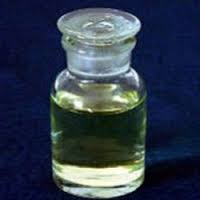
Chlorosulphonic acid
In Stock
Highlights:
Chlorosulphonic Acid (Chlorosulfuric Acid)
Premium Quality Chlorosulphonic Acid (Chlorosulfuric Acid) – High-Purity Chemical Reagent & Industrial Chemical for Pharmaceutical Manufacturing, Dye Production, Surfactant Synthesis, Sulfonation Processes & Chemical Manufacturing Applications
✅ Premium Chemical Reagent – Superior Purity & Reactive Properties
✅ Multiple Purity Grades – Various Concentration Levels for Specific Applications
✅ Excellent Reactivity Properties – Superior Sulfonating Power, Controlled Composition, Precise Processing
✅ Multi-Industry Compatible – Enhanced Pharmaceutical, Chemical, Industrial & Manufacturing Applications
✅ Quality Assured – Established Handling Guidelines Supporting Optimal Performance
Description
High-Quality Chlorosulphonic Acid (Chlorosulfuric Acid)
Chlorosulphonic Acid (Chlorosulfuric Acid), with CAS number 7790-94-5, is a colorless to pale yellow fuming liquid appearing as highly reactive acid with characteristic pungent odor and exceptional sulfonating properties. Chlorosulphonic Acid represents one of the most powerful sulfonating agents, providing exceptional reactivity, excellent chemical versatility, superior synthetic utility, and outstanding industrial performance, making it essential for pharmaceutical synthesis, dye manufacturing, surfactant production, chemical processing, and industrial applications requiring high-performance chemical reagent characteristics and consistent reactive behavior.
At Chemicals & Process Equipment Limited, we supply high-performance Chlorosulphonic Acid (Chlorosulfuric Acid) manufactured under stringent quality control standards and international pharmaceutical, chemical, industrial, and manufacturing specifications. Our comprehensive product range includes various purity grades, concentration levels, and specialized formulations meeting diverse requirements for pharmaceutical synthesis, chemical manufacturing, industrial processing, surfactant production, and specialized chemical processing across global pharmaceutical, chemical, industrial, and manufacturing markets.
✅ Advanced Chemical Technology – Optimized Purity Levels & Multi-Industry Applications
✅ Consistent Quality Standards – Multiple Grade Classifications with Comprehensive Documentation
✅ Essential Chemical Reagent – Superior Pharmaceutical, Chemical & Industrial Performance
✅ Multi-Industry Applications – Pharmaceutical, Chemical, Industrial, Surfactant & Manufacturing Systems
✅ Technical Support Package – Complete Processing Guidance & Application Optimization
The global chlorosulphonic acid market was valued at approximately USD 425 million in 2023 and is projected to reach USD 650 million by 2030, growing at a CAGR of 6.2% during the forecast period. Market expansion is driven by increasing pharmaceutical demand, growing chemical manufacturing, expanding industrial applications, rising surfactant production, and advanced chemical synthesis requiring high-performance sulfonating agents.
Technical Specifications & Chlorosulphonic Acid Properties
| Property | Technical Grade | Pharmaceutical Grade | Reagent Grade | Industrial Grade | Synthesis Grade | Purified Grade |
|---|---|---|---|---|---|---|
| Purity (%) | 96-98 | 98-99.5 | 99-99.8 | 94-97 | 97-99 | 99.5-99.9 |
| Chlorosulphonic Acid (%) | 96-98 | 98-99.5 | 99-99.8 | 94-97 | 97-99 | 99.5-99.9 |
| Free SO₃ (%) | <2 | <1 | <0.5 | <3 | <1.5 | <0.2 |
| HCl (%) | <1 | <0.5 | <0.2 | <2 | <1 | <0.1 |
| H₂SO₄ (%) | <1 | <0.5 | <0.2 | <2 | <1 | <0.1 |
| Water (%) | <0.5 | <0.2 | <0.1 | <1 | <0.3 | <0.05 |
| Iron (Fe) (ppm) | <50 | <20 | <10 | <100 | <30 | <5 |
| Heavy Metals (ppm) | <100 | <50 | <20 | <200 | <75 | <10 |
| Arsenic (As) (ppm) | <10 | <5 | <2 | <20 | <8 | <1 |
| Lead (Pb) (ppm) | <10 | <5 | <2 | <20 | <8 | <1 |
| Density (g/mL at 20°C) | 1.75-1.77 | 1.76-1.77 | 1.765-1.770 | 1.74-1.78 | 1.755-1.770 | 1.768-1.772 |
| Molecular Weight | 116.52 | 116.52 | 116.52 | 116.52 | 116.52 | 116.52 |
| Boiling Point (°C) | 151-152 | 151-152 | 151.8 | 150-155 | 151-152 | 151.8 |
| Melting Point (°C) | -80 to -85 | -80 to -85 | -80 | -75 to -90 | -80 to -85 | -80 |
| Flash Point (°C) | Non-flammable | Non-flammable | Non-flammable | Non-flammable | Non-flammable | Non-flammable |
| Vapor Pressure (mmHg at 20°C) | 10-15 | 12-14 | 13 | 8-18 | 11-15 | 13-14 |
| Viscosity (cP at 20°C) | 1.8-2.2 | 1.9-2.1 | 2.0 | 1.5-2.5 | 1.8-2.2 | 1.95-2.05 |
| Surface Tension (mN/m) | 35-40 | 37-39 | 38 | 30-45 | 36-40 | 37-39 |
| pH (1% solution) | <1 | <1 | <1 | <1 | <1 | <1 |
| Electrical Conductivity (S/cm) | High | High | High | High | High | High |
| Thermal Stability (°C) | 150 | 150 | 150 | 140 | 150 | 150 |
| Decomposition Temperature (°C) | >200 | >200 | >200 | >200 | >200 | >200 |
| Solubility in Water | Complete | Complete | Complete | Complete | Complete | Complete |
| Solubility in Alcohol | Reacts | Reacts | Reacts | Reacts | Reacts | Reacts |
| Color (APHA) | <50 | <20 | <10 | <100 | <30 | <5 |
| Appearance | Clear liquid | Clear liquid | Clear liquid | Pale yellow | Clear liquid | Water clear |
| Odor | Pungent | Pungent | Pungent | Strong | Pungent | Sharp |
| Fuming Tendency | Strong | Strong | Strong | Very strong | Strong | Moderate |
| Corrosivity | Very high | Very high | Very high | Very high | Very high | Very high |
| Oxidizing Properties | Strong | Strong | Strong | Strong | Strong | Strong |
| Hygroscopicity | High | High | High | High | High | High |
| Storage Stability | Good | Good | Excellent | Fair | Good | Excellent |
| Moisture Sensitivity | Very high | Very high | Very high | Very high | Very high | Very high |
| Light Sensitivity | Low | Low | Low | Low | Low | Low |
| Thermal Expansion Coefficient | 1.2×10⁻³/°C | 1.2×10⁻³/°C | 1.2×10⁻³/°C | 1.1-1.3×10⁻³/°C | 1.2×10⁻³/°C | 1.2×10⁻³/°C |
| Dielectric Constant | High | High | High | High | High | High |
| Refractive Index (nD20) | 1.430-1.435 | 1.432-1.434 | 1.433 | 1.425-1.440 | 1.431-1.435 | 1.4325-1.4335 |
| Specific Heat (J/g·K) | 0.8-1.0 | 0.85-0.95 | 0.90 | 0.7-1.1 | 0.8-1.0 | 0.88-0.92 |
| Heat of Vaporization (kJ/mol) | 35-40 | 37-39 | 38 | 32-42 | 36-40 | 37-39 |
| Critical Temperature (°C) | 310 | 310 | 310 | 310 | 310 | 310 |
| Critical Pressure (bar) | 75 | 75 | 75 | 75 | 75 | 75 |
| Autoignition Temperature | N/A | N/A | N/A | N/A | N/A | N/A |
| Explosion Limits | N/A | N/A | N/A | N/A | N/A | N/A |
| Vapor Density (Air=1) | 4.0 | 4.0 | 4.0 | 4.0 | 4.0 | 4.0 |
| Partition Coefficient | N/A | N/A | N/A | N/A | N/A | N/A |
| Bioaccumulation | None | None | None | None | None | None |
| Biodegradability | Hydrolysis | Hydrolysis | Hydrolysis | Hydrolysis | Hydrolysis | Hydrolysis |
| Acute Toxicity (LD50) | Corrosive | Corrosive | Corrosive | Corrosive | Corrosive | Corrosive |
| Skin/Eye Irritation | Severe | Severe | Severe | Severe | Severe | Severe |
| Respiratory Effects | Severe | Severe | Severe | Severe | Severe | Severe |
| Environmental Impact | Acidifying | Acidifying | Acidifying | Acidifying | Acidifying | Acidifying |
| UN Number | UN1754 | UN1754 | UN1754 | UN1754 | UN1754 | UN1754 |
| DOT Classification | 8, 6.1 | 8, 6.1 | 8, 6.1 | 8, 6.1 | 8, 6.1 | 8, 6.1 |
| Packing Group | I | I | I | I | I | I |
| Proper Shipping Name | Corrosive liquid, n.o.s. | Corrosive liquid, n.o.s. | Corrosive liquid, n.o.s. | Corrosive liquid, n.o.s. | Corrosive liquid, n.o.s. | Corrosive liquid, n.o.s. |
| CAS Number | 7790-94-5 | 7790-94-5 | 7790-94-5 | 7790-94-5 | 7790-94-5 | 7790-94-5 |
| EINECS Number | 232-234-6 | 232-234-6 | 232-234-6 | 232-234-6 | 232-234-6 | 232-234-6 |
| RTECS Number | FX5730000 | FX5730000 | FX5730000 | FX5730000 | FX5730000 | FX5730000 |
| HS Code | 28061000 | 28061000 | 28061000 | 28061000 | 28061000 | 28061000 |
| Storage Temperature (°C) | 5-25 | 10-20 | 15-20 | 0-30 | 5-25 | 10-20 |
| Relative Humidity (%) | <50 | <40 | <30 | <60 | <45 | <35 |
| Shelf Life (months) | 12 | 18 | 24 | 6 | 15 | 24 |
| Container Material | Glass/PTFE | Glass/PTFE | Borosilicate glass | HDPE/SS | Glass/PTFE | Borosilicate glass |
| Packaging Sizes | 250g-25kg | 100g-5kg | 100mL-1L | 25-200kg | 500g-10kg | 100mL-500mL |
| Inert Atmosphere | Recommended | Required | Required | Optional | Recommended | Required |
| Quality Certification | ISO/GMP | Pharmaceutical | ACS/Reagent | Industrial | Synthesis | Ultra-pure |
Available Grade Types:
- Technical Grade for general industrial applications
- Pharmaceutical Grade for drug synthesis and manufacturing
- Reagent Grade for analytical and laboratory applications
- Industrial Grade for bulk chemical processing
- Synthesis Grade for organic synthesis applications
- Purified Grade for specialized research applications
- ACS Grade for analytical chemistry standards
- Electronic Grade for semiconductor applications
- Custom Grade for specific application requirements
- Anhydrous Grade for moisture-sensitive reactions
- Stabilized Grade for extended storage applications
- Ultra-pure Grade for critical applications
- Research Grade for academic institutions
- Bulk Grade for large-scale industrial use
Specialized Processing Solutions:
- Purity optimization for specific applications
- Water content minimization procedures
- Impurity removal and purification
- Custom concentration preparations
- Packaging optimization consultation
- Quality testing and validation programs
- Application development assistance
- Technical consultation services
Pharmaceutical Applications
Drug Synthesis & API Manufacturing Pharmaceutical manufacturers utilize Chlorosulphonic Acid for active pharmaceutical ingredient synthesis, drug intermediate production, and pharmaceutical manufacturing requiring pharmaceutical specifications. Pharmaceutical companies employ Chlorosulphonic Acid for sulfonation reactions, API synthesis, and pharmaceutical applications requiring high purity, consistent reactivity, and regulatory compliance for drug manufacturing processes.
Antibiotic & Antimicrobial Production Pharmaceutical manufacturers use Chlorosulphonic Acid for antibiotic synthesis, antimicrobial production, and therapeutic compound manufacturing requiring pharmaceutical specifications. Drug companies employ Chlorosulphonic Acid for sulfonamide synthesis, antibiotic intermediates, and pharmaceutical applications requiring sterile processing, pharmaceutical grade purity, and quality assurance.
Peptide & Protein Modification Biotechnology companies utilize Chlorosulphonic Acid for peptide synthesis, protein modification, and biochemical research requiring biotechnology specifications. Research institutions employ Chlorosulphonic Acid for amino acid derivatives, peptide coupling, and biochemical applications requiring analytical purity, research grade quality, and safety protocols.
Veterinary Pharmaceutical Manufacturing Veterinary pharmaceutical manufacturers use Chlorosulphonic Acid for animal drug synthesis, veterinary API production, and animal health applications requiring veterinary specifications. Animal health companies employ Chlorosulphonic Acid for livestock medications, companion animal drugs, and veterinary applications requiring pharmaceutical standards and animal safety compliance.
Chemical Manufacturing Applications
Dye & Pigment Production Dye manufacturers utilize Chlorosulphonic Acid for synthetic dye production, pigment synthesis, and colorant manufacturing requiring dye specifications. Chemical companies employ Chlorosulphonic Acid for azo dye synthesis, reactive dyes, and colorant applications requiring color consistency, chemical reactivity, and industrial scale processing.
Surfactant & Detergent Manufacturing Surfactant manufacturers use Chlorosulphonic Acid for detergent synthesis, cleaning agent production, and surface-active compound manufacturing requiring surfactant specifications. Chemical companies employ Chlorosulphonic Acid for sulfonated surfactants, anionic detergents, and cleaning applications requiring surface activity, biodegradability, and consumer safety.
Polymer & Resin Synthesis Polymer manufacturers utilize Chlorosulphonic Acid for polymer modification, resin synthesis, and plastic manufacturing requiring polymer specifications. Chemical companies employ Chlorosulphonic Acid for sulfonated polymers, ion exchange resins, and polymer applications requiring chemical modification, functional properties, and industrial performance.
Specialty Chemical Production Specialty chemical manufacturers use Chlorosulphonic Acid for fine chemical synthesis, intermediate production, and custom chemical manufacturing requiring specialty specifications. Chemical companies employ Chlorosulphonic Acid for pharmaceutical intermediates, agrochemical synthesis, and specialty applications requiring precise chemistry, quality control, and application-specific properties.
Industrial Applications
Textile Chemical Processing Textile manufacturers utilize Chlorosulphonic Acid for fabric treatment, textile processing, and fiber modification requiring textile specifications. Textile companies employ Chlorosulphonic Acid for fabric finishing, dye fixation, and textile applications requiring colorfastness, fabric properties, and processing efficiency for textile production.
Leather & Tanning Industry Leather manufacturers use Chlorosulphonic Acid for hide processing, tanning agent synthesis, and leather chemical production requiring leather specifications. Tannery companies employ Chlorosulphonic Acid for chrome-free tanning, leather finishing, and leather applications requiring environmental compliance, leather quality, and processing efficiency.
Metal Treatment & Surface Processing Metal processing companies utilize Chlorosulphonic Acid for metal surface treatment, electroplating preparation, and metal finishing requiring metal processing specifications. Surface treatment companies employ Chlorosulphonic Acid for acid etching, metal cleaning, and metal applications requiring corrosion resistance, surface preparation, and metal compatibility.
Water Treatment & Purification Water treatment companies use Chlorosulphonic Acid for ion exchange resin production, water treatment chemicals, and purification systems requiring water treatment specifications. Environmental companies employ Chlorosulphonic Acid for wastewater treatment, industrial water processing, and water applications requiring purification efficiency, environmental compliance, and treatment effectiveness.
Laboratory & Research Applications
Analytical Chemistry & Testing Analytical laboratories utilize Chlorosulphonic Acid for chemical analysis, laboratory reagents, and analytical procedures requiring analytical specifications. Testing laboratories employ Chlorosulphonic Acid for sample preparation, analytical methods, and testing applications requiring analytical accuracy, reagent purity, and laboratory safety protocols.
Organic Synthesis Research Research institutions use Chlorosulphonic Acid for organic synthesis, academic research, and chemical development requiring research specifications. Universities employ Chlorosulphonic Acid for student experiments, research projects, and academic applications requiring educational safety, research grade purity, and academic protocols.
Material Science & Development Material science laboratories utilize Chlorosulphonic Acid for material modification, property enhancement, and material research requiring material science specifications. Research facilities employ Chlorosulphonic Acid for composite materials, advanced materials, and material applications requiring innovative properties, research validation, and development protocols.
Quality Control & Testing Services Quality control laboratories use Chlorosulphonic Acid for product testing, quality assurance, and analytical services requiring QC specifications. Testing services employ Chlorosulphonic Acid for method validation, reference standards, and QC applications requiring testing accuracy, regulatory compliance, and quality standards.
Agrochemical Applications
Pesticide & Herbicide Synthesis Agrochemical manufacturers utilize Chlorosulphonic Acid for pesticide production, herbicide synthesis, and crop protection chemical manufacturing requiring agrochemical specifications. Agricultural companies employ Chlorosulphonic Acid for active ingredient synthesis, formulation chemistry, and agrochemical applications requiring environmental safety, crop effectiveness, and regulatory approval.
Fertilizer & Nutrient Production Fertilizer manufacturers use Chlorosulphonic Acid for specialty fertilizers, micronutrient production, and soil amendment manufacturing requiring fertilizer specifications. Agricultural companies employ Chlorosulphonic Acid for sulfur-containing fertilizers, plant nutrition, and agricultural applications requiring soil compatibility, plant uptake, and environmental sustainability.
Plant Growth Regulators Agricultural chemical companies utilize Chlorosulphonic Acid for plant hormone synthesis, growth regulator production, and agricultural biotechnology requiring plant science specifications. Crop science companies employ Chlorosulphonic Acid for auxin derivatives, cytokinin synthesis, and plant applications requiring biological activity, crop enhancement, and agricultural productivity.
Soil Treatment & Conditioning Soil treatment companies use Chlorosulphonic Acid for soil conditioner production, pH adjustment chemicals, and agricultural amendments requiring soil science specifications. Agricultural suppliers employ Chlorosulphonic Acid for soil acidification, nutrient availability, and soil applications requiring crop compatibility, environmental safety, and sustainable agriculture.
Electronic & Semiconductor Applications
Electronic Chemical Processing Electronics manufacturers utilize Chlorosulphonic Acid for semiconductor processing, electronic component manufacturing, and microelectronics requiring electronic specifications. Semiconductor companies employ Chlorosulphonic Acid for wafer etching, surface cleaning, and electronic applications requiring ultra-high purity, contamination control, and electronic grade quality.
Circuit Board Manufacturing PCB manufacturers use Chlorosulphonic Acid for printed circuit board production, electronic assembly, and electronic manufacturing requiring PCB specifications. Electronics companies employ Chlorosulphonic Acid for copper etching, surface preparation, and PCB applications requiring precision processing, electronic compatibility, and manufacturing reliability.
Battery & Energy Storage Battery manufacturers utilize Chlorosulphonic Acid for electrolyte production, battery component synthesis, and energy storage applications requiring battery specifications. Energy storage companies employ Chlorosulphonic Acid for ion conductors, electrode materials, and battery applications requiring electrochemical performance, safety standards, and energy efficiency.
Solar Cell & Photovoltaic Production Solar manufacturers use Chlorosulphonic Acid for solar cell processing, photovoltaic manufacturing, and renewable energy applications requiring solar specifications. Solar companies employ Chlorosulphonic Acid for silicon processing, surface texturing, and solar applications requiring energy conversion efficiency, durability, and environmental performance.
Quality Control & Testing Procedures
Comprehensive Quality Assurance Every production batch undergoes extensive testing to ensure compliance with pharmaceutical standards, chemical manufacturing requirements, industrial specifications, and international chemical processing specifications. Our quality control laboratory employs advanced analytical techniques including titration analysis, ICP-MS spectroscopy, and comprehensive purity testing.
Quality assurance procedures include:
- Purity determination using acid-base titration methods
- Free SO₃ content analysis using iodometric methods
- HCl content determination using argentometric titration
- Water content analysis using Karl Fischer titration
- Heavy metals testing using ICP-MS methods
- Iron content determination using colorimetric methods
- Arsenic testing using atomic absorption spectroscopy
- Density measurement using calibrated pycnometers
- Viscosity testing using rotational viscometers
- Color assessment using APHA color standards
- pH measurement using calibrated pH meters
- Conductivity testing using conductivity meters
- Thermal analysis using differential scanning calorimetry
- Spectroscopic identification using FTIR methods
- Corrosivity assessment using standard test methods
- Stability studies under controlled storage conditions
- Packaging compatibility testing using migration methods
- Transportation stability evaluation
- Moisture sensitivity assessment
- Container compatibility testing
- Shelf life determination using accelerated aging
- Microbial contamination screening (where applicable)
- Particulate matter analysis using microscopy
- Trace organic impurities using GC-MS methods
- Crystallinity evaluation using X-ray diffraction
- Thermal stability assessment using TGA methods
- Oxidation state verification using redox titration
- Volatile content determination using headspace analysis
- Surface tension measurement using tensiometry
- Electrical properties testing using impedance methods
- Pharmaceutical compliance verification for drug synthesis
- Chemical manufacturing quality assessment for industrial use
- Laboratory reagent certification for analytical applications
- Research grade validation for academic institutions
- Electronic grade testing for semiconductor applications
- Environmental compliance assessment for waste management
- Safety data validation for hazard classification
- Quality consistency monitoring using statistical process control
Storage & Handling Procedures Implement proper storage conditions including protection from moisture below 50% RH, temperature control between 5-25°C, protection from incompatible materials, and proper handling procedures using appropriate PPE for maintaining Chlorosulphonic Acid quality and preventing hazardous reactions throughout storage periods.
For comprehensive information about chlorosulphonic acid properties, safety data, handling procedures, and industry applications, you can reference this detailed Chemical Database resource for Chlorosulphonic Acid which provides extensive coverage of chemical properties, safety protocols, application data, and technical information from leading chemical research institutions and industry sources.
Market Applications & Industry Trends
Pharmaceutical Industry Growth Growing drug development activities, increasing API manufacturing, expanding generic drug production, and rising therapeutic applications drive continued demand for high-purity chlorosulphonic acid in pharmaceutical applications requiring reliable synthetic chemistry, regulatory compliance, and quality assurance.
Chemical Manufacturing Expansion Developing specialty chemical markets, increasing industrial chemical demand, expanding surfactant production, and growing dye manufacturing drive adoption of technical-grade chlorosulphonic acid for chemical applications requiring cost-effectiveness, reliable supply, and industrial scale processing.
Research & Development Demand Growing academic research, increasing R&D investments, expanding laboratory activities, and rising analytical testing drive growth in reagent-grade chlorosulphonic acid applications requiring analytical purity, research reliability, and safety protocols for scientific advancement.
Environmental & Safety Requirements Expanding safety regulations, increasing environmental awareness, and growing handling requirements support demand for purified chlorosulphonic acid and safer handling practices in various applications requiring environmental responsibility and worker safety protection.
Environmental & Regulatory Compliance
Chemical Safety Standards & Regulations Chlorosulphonic Acid complies with chemical safety regulations, occupational exposure limits, and international handling standards ensuring safe use in industrial applications with established safety protocols and comprehensive hazard assessments for worker protection and environmental safety.
Pharmaceutical Manufacturing Standards Adherence to pharmaceutical manufacturing standards, GMP guidelines, and international pharmaceutical guidelines ensures appropriate use in pharmaceutical applications with established purity criteria and quality protocols for drug manufacturing.
Laboratory Safety Standards Compliance with laboratory safety regulations, chemical handling guidelines, and institutional safety standards ensures reliable use in research applications with established safety margins and protective measures for laboratory personnel.
Environmental Protection Standards Environmental compliance includes waste management protocols, emission control procedures, and environmental protection initiatives ensuring responsible handling with consideration for environmental impact and regulatory compliance for chemical applications.
Transportation & Storage Safety Compliance with hazardous materials regulations, DOT guidelines, and international shipping standards ensures safe transportation and storage with established safety requirements and emergency procedures for chemical logistics.
Performance Advantages & Technical Benefits
✔ Exceptional Reactivity – Outstanding sulfonating power and chemical reactivity for demanding applications
✔ High Purity Levels – Superior purity grades for pharmaceutical and research applications
✔ Consistent Quality – Reliable composition and performance across production batches
✔ Versatile Applications – Multi-industry compatibility across pharmaceutical, chemical, and industrial sectors
✔ Technical Excellence – Proven performance in synthesis and manufacturing applications
✔ Regulatory Compliance – Comprehensive safety data and regulatory documentation
✔ Quality Assurance – Advanced analytical testing and quality control procedures
✔ Expert Support – Complete technical guidance and application consultation
✔ Reliable Supply – Consistent availability and dependable delivery schedules
✔ Safety Focus – Comprehensive safety protocols and handling guidelines
✔ Custom Solutions – Tailored grades and specifications for unique applications
✔ Global Standards – International quality standards and certification programs
✔ Cost Effectiveness – Competitive pricing for premium chemical quality
✔ Environmental Responsibility – Sustainable manufacturing and waste management practices
✔ Innovation Support – Research and development collaboration opportunities
✔ Technical Documentation – Complete analytical certificates and technical data
Our Chlorosulphonic Acid (Chlorosulfuric Acid) products represent industry-leading standards in chemical reagent technology and multi-industry chemical solutions, specifically manufactured for demanding pharmaceutical applications, chemical manufacturing requirements, industrial processing, and specialized research applications requiring exceptional purity characteristics, reliable reactive behavior, and comprehensive safety compliance. We provide complete technical support, safety guidance, and application consultation to ensure optimal results across your specialized pharmaceutical, chemical, industrial, or research applications.
For detailed specifications, technical data sheets, or application-specific recommendations, contact our specialized chemical reagent division. We offer complete support including grade selection, safety protocols, handling procedures, and technical assistance to maximize effectiveness in your pharmaceutical, chemical, industrial, or research applications.
For more information about our products, feel free to Contact Us today.
Related products
Reviews
There are no reviews yet.