
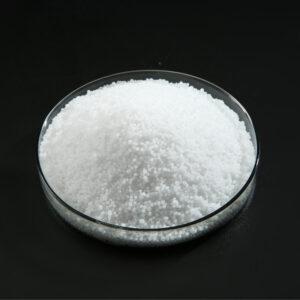
CAUSTIC SODA PEARLS
In Stock
Highlights:
CAUSTIC SODA PEARLS
Premium Quality Caustic Soda Pearls – High-Purity Sodium Hydroxide, Advanced Alkali Chemical & Superior Performance Industrial Base for Chemical Manufacturing, Pulp & Paper Production, Water Treatment, Soap Manufacturing & Industrial Processing Operations
✅ Premium Industrial Chemical – Superior Alkalinity & High Chemical Purity
✅ Multiple Grade Options – Technical, Food, Pharmaceutical & Industrial Grades
✅ Excellent Processing Properties – Pearl Form, Controlled Dissolution, Superior Results
✅ Multi-Industry Compatible – Chemical, Pulp & Paper, Water Treatment & Manufacturing
✅ Quality Assured – Established Performance Standards Supporting Optimal Industrial Results
Description
High-Quality Caustic Soda Pearls
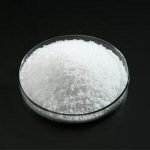
Caustic Soda Pearls, with chemical formula NaOH and CAS number 1310-73-2, commonly known as Sodium Hydroxide Pearls, Lye Pearls, or Solid Caustic Soda, available in various grades including technical grade (98-99% NaOH), food grade (99-99.2% NaOH), pharmaceutical grade (99.5-99.8% NaOH), and membrane grade (99.0-99.5% NaOH), is a white crystalline solid in pearl form with exceptional water solubility and outstanding alkaline properties appearing as uniform white pearls with excellent handling characteristics and superior chemical stability. Caustic Soda Pearls is specifically manufactured to provide reliable alkaline action, effective chemical reactivity, and controlled dissolution, making it ideal for applications requiring chemical synthesis, pH adjustment, neutralization reactions, and industrial processing in chemical manufacturing, pulp and paper production, water treatment facilities, and soap manufacturing operations. The compound works through several mechanisms including hydroxide ion release for alkaline reactions, neutralization of acids for pH control, saponification for soap production, and chemical synthesis for industrial processing, providing superior chemical performance, reliable pH adjustment, effective neutralization, and outstanding processing efficiency. Caustic Soda Pearls represents one of the most important industrial chemicals across multiple industries, providing exceptional purity levels, superior dissolution characteristics, excellent chemical reactivity, and outstanding processing reliability, making it essential for chemical manufacturers, pulp and paper mills, water treatment facilities, and industrial processors requiring high-performance alkali solutions and comprehensive technical support.
At Chemicals & Process Equipment Limited, we supply high-performance Caustic Soda Pearls manufactured under stringent quality control standards and international industrial, food, pharmaceutical, and specialty application specifications. Our comprehensive product range includes various purity levels, pearl sizes, and specialized grades meeting diverse requirements for chemical processing, industrial manufacturing, water treatment, and specialty applications across global chemical, industrial, environmental, and manufacturing markets.
✅ Advanced Chemical Technology – Optimized Purity Levels & Multi-Industry Applications
✅ Consistent Quality Standards – Multiple Product Classifications with Comprehensive Documentation
✅ Essential Industrial Chemical – Superior Alkaline, Processing & Manufacturing Performance
✅ Multi-Industry Applications – Chemical Manufacturing, Water Treatment, Pulp & Paper, Industrial Processing
✅ Technical Support Package – Complete Application Guidance & Performance Optimization
The global caustic soda market was valued at approximately USD 43.8 billion in 2023 and is projected to reach USD 62.1 billion by 2030, growing at a CAGR of 5.1% during the forecast period. Market expansion is driven by increasing chemical production, growing pulp and paper demand, expanding water treatment requirements, and rising industrial processing applications.
Technical Specifications & Caustic Soda Pearls Properties
| Property | Technical Grade | Food Grade | Pharmaceutical Grade | Membrane Grade | Rayon Grade | High Purity Grade |
|---|---|---|---|---|---|---|
| NaOH Content (%) | 98-99 | 99-99.2 | 99.5-99.8 | 99.0-99.5 | 98.5-99.2 | 99.5-99.9 |
| Sodium (Na) Content (%) | 57.4-58.0 | 57.6-57.9 | 57.8-58.1 | 57.5-58.0 | 57.3-57.8 | 57.8-58.1 |
| Moisture Content (%) | 0.5-1.0 | 0.3-0.8 | 0.2-0.5 | 0.4-0.9 | 0.6-1.1 | 0.1-0.4 |
| Sodium Carbonate (%) | 0.8-1.5 | 0.5-1.0 | 0.2-0.5 | 0.6-1.2 | 1.0-1.8 | 0.1-0.3 |
| Sodium Chloride (%) | 0.05-0.2 | 0.01-0.05 | 0.005-0.02 | 0.03-0.15 | 0.08-0.25 | 0.002-0.01 |
| pH (1% solution) | 13.5-14.0 | 13.6-13.9 | 13.7-13.9 | 13.5-13.9 | 13.4-13.8 | 13.7-14.0 |
| Bulk Density (kg/m³) | 1000-1200 | 1050-1150 | 1100-1200 | 1020-1180 | 980-1160 | 1120-1220 |
| True Density (g/cm³) | 2.13 | 2.13 | 2.13 | 2.13 | 2.13 | 2.13 |
| Pearl Size (mm) | 0.7-1.2 | 0.8-1.0 | 0.7-0.9 | 0.7-1.1 | 0.8-1.3 | 0.6-0.8 |
| Particle Size Distribution | ±0.3mm | ±0.2mm | ±0.15mm | ±0.25mm | ±0.4mm | ±0.1mm |
| Solubility @ 20°C (g/100g H₂O) | 109 | 109 | 109 | 109 | 109 | 109 |
| Solubility @ 100°C (g/100g H₂O) | 347 | 347 | 347 | 347 | 347 | 347 |
| Dissolution Rate (min) | 3-8 | 2-6 | 1-4 | 3-7 | 4-10 | 1-3 |
| Melting Point (°C) | 318 | 318 | 318 | 318 | 318 | 318 |
| Boiling Point (°C) | 1388 | 1388 | 1388 | 1388 | 1388 | 1388 |
| Specific Heat (J/g·K) | 1.46 | 1.46 | 1.46 | 1.46 | 1.46 | 1.46 |
| Heat of Solution (kJ/mol) | -44.5 | -44.5 | -44.5 | -44.5 | -44.5 | -44.5 |
| Thermal Conductivity (W/m·K) | 8.8 | 8.8 | 8.8 | 8.8 | 8.8 | 8.8 |
| Viscosity @ 20°C (cP) | 1.0 | 1.0 | 1.0 | 1.0 | 1.0 | 1.0 |
| Surface Tension (mN/m) | 85.0 | 85.0 | 85.0 | 85.0 | 85.0 | 85.0 |
| Electrical Conductivity (S/m) | Very High | Very High | Very High | Very High | Very High | Very High |
| Color | White | Pure White | Pure White | White | Off-White | Pure White |
| Appearance | Pearl/Bead | Pearl | Pearl | Pearl | Pearl | Pearl |
| Odor | Odorless | Odorless | Odorless | Odorless | Odorless | Odorless |
| Crystal System | Orthorhombic | Orthorhombic | Orthorhombic | Orthorhombic | Orthorhombic | Orthorhombic |
| Hygroscopicity | High | High | High | High | High | High |
| Deliquescence | Yes | Yes | Yes | Yes | Yes | Yes |
| Stability | Stable | Stable | Stable | Stable | Stable | Stable |
| Chemical Reactivity | Very High | Very High | Very High | Very High | Very High | Very High |
| Corrosiveness | Severe | Severe | Severe | Severe | Severe | Severe |
| Iron (Fe) (ppm) | <10 | <5 | <2 | <8 | <15 | <1 |
| Aluminum (Al) (ppm) | <10 | <5 | <2 | <8 | <15 | <1 |
| Silicon (Si) (ppm) | <20 | <10 | <5 | <15 | <30 | <3 |
| Calcium (Ca) (ppm) | <50 | <20 | <10 | <40 | <80 | <5 |
| Magnesium (Mg) (ppm) | <20 | <10 | <5 | <15 | <30 | <3 |
| Potassium (K) (ppm) | <100 | <50 | <20 | <80 | <150 | <10 |
| Sulfate (SO₄²⁻) (ppm) | <100 | <50 | <20 | <80 | <150 | <10 |
| Phosphate (PO₄³⁻) (ppm) | <20 | <10 | <5 | <15 | <30 | <3 |
| Heavy Metals (as Pb) (ppm) | <10 | <5 | <2 | <8 | <15 | <1 |
| Lead (Pb) (ppm) | <5 | <2 | <1 | <4 | <8 | <0.5 |
| Arsenic (As) (ppm) | <2 | <1 | <0.5 | <1.5 | <3 | <0.2 |
| Mercury (Hg) (ppm) | <1 | <0.5 | <0.2 | <0.8 | <1.5 | <0.1 |
| Cadmium (Cd) (ppm) | <1 | <0.5 | <0.2 | <0.8 | <1.5 | <0.1 |
| Chromium (Cr) (ppm) | <5 | <2 | <1 | <4 | <8 | <0.5 |
| Copper (Cu) (ppm) | <5 | <2 | <1 | <4 | <8 | <0.5 |
| Zinc (Zn) (ppm) | <10 | <5 | <2 | <8 | <15 | <1 |
| Nickel (Ni) (ppm) | <5 | <2 | <1 | <4 | <8 | <0.5 |
| Nitrogen (N) (ppm) | <50 | <20 | <10 | <40 | <80 | <5 |
| Carbon (C) (ppm) | <100 | <50 | <20 | <80 | <150 | <10 |
| Organic Matter (%) | <0.1 | <0.05 | <0.02 | <0.08 | <0.15 | <0.01 |
| Insoluble Matter (%) | <0.05 | <0.02 | <0.01 | <0.04 | <0.08 | <0.005 |
| Residue on Ignition (%) | <0.1 | <0.05 | <0.02 | <0.08 | <0.15 | <0.01 |
| Bacterial Count (CFU/g) | <1000 | <100 | <10 | <500 | <2000 | <5 |
| Yeast & Mold (CFU/g) | <100 | <10 | <5 | <50 | <200 | <2 |
| E. coli | Negative | Negative | Negative | Negative | Negative | Negative |
| Salmonella | Negative | Negative | Negative | Negative | Negative | Negative |
| Storage Temperature (°C) | 15-30 | 15-25 | 15-25 | 15-30 | 10-35 | 15-25 |
| Storage Humidity (%) | <60 | <50 | <40 | <55 | <65 | <35 |
| Packaging | Bags/Drums | Bags | Drums/Boxes | Bags/Drums | Bags/Bulk | Drums/Bottles |
| Shelf Life (months) | 24 | 18 | 12 | 20 | 30 | 15 |
| Container Material | HDPE/PP | HDPE/PP | HDPE/Glass | HDPE/PP | HDPE/Steel | HDPE/Glass |
| Transport Class | 8 | 8 | 8 | 8 | 8 | 8 |
| UN Number | UN1823 | UN1823 | UN1823 | UN1823 | UN1823 | UN1823 |
| Packing Group | II | II | II | II | II | II |
| Hazard Label | Corrosive | Corrosive | Corrosive | Corrosive | Corrosive | Corrosive |
| GHS Signal Word | Danger | Danger | Danger | Danger | Danger | Danger |
| H-Statements | H314, H290 | H314, H290 | H314, H290 | H314, H290 | H314, H290 | H314, H290 |
| P-Statements | P280, P305+P351+P338 | P280, P305+P351+P338 | P280, P305+P351+P338 | P280, P305+P351+P338 | P280, P305+P351+P338 | P280, P305+P351+P338 |
| OSHA PEL (mg/m³) | 2 | 2 | 2 | 2 | 2 | 2 |
| NIOSH REL (mg/m³) | 2 | 2 | 2 | 2 | 2 | 2 |
| ACGIH TLV (mg/m³) | 2 | 2 | 2 | 2 | 2 | 2 |
| LC₅₀ (inhalation) | 10 mg/L | 10 mg/L | 10 mg/L | 10 mg/L | 10 mg/L | 10 mg/L |
| LD₅₀ (oral, rat) (mg/kg) | 325 | 325 | 325 | 325 | 325 | 325 |
| Skin Corrosion | Category 1A | Category 1A | Category 1A | Category 1A | Category 1A | Category 1A |
| Eye Damage | Category 1 | Category 1 | Category 1 | Category 1 | Category 1 | Category 1 |
| STOT-SE | Category 3 | Category 3 | Category 3 | Category 3 | Category 3 | Category 3 |
| Application Temperature (°C) | 20-100 | 20-80 | 20-60 | 20-95 | 20-120 | 20-70 |
| Working Concentration (%) | 1-50 | 0.5-25 | 0.1-10 | 2-45 | 5-60 | 0.1-15 |
| Contact Time (hours) | 0.1-24 | 0.5-12 | 0.25-8 | 0.2-20 | 0.5-48 | 0.1-6 |
| Processing pH Range | 12-14 | 12.5-13.5 | 13-13.8 | 12-13.8 | 11.5-14 | 13-14 |
| Neutralization Capacity (meq/g) | 25.0 | 25.0 | 25.0 | 24.8 | 24.6 | 25.0 |
| Alkalinity (as CaCO₃) | 1350 | 1350 | 1350 | 1340 | 1330 | 1350 |
| Buffering Capacity | High | High | High | High | High | High |
| Cleaning Efficiency (%) | 95-99 | 97-99.5 | 98-99.8 | 95-98 | 93-97 | 98.5-99.9 |
| Saponification Value | Complete | Complete | Complete | Complete | Complete | Complete |
| Fat Splitting Capacity | Excellent | Excellent | Excellent | Excellent | Excellent | Excellent |
| Protein Hydrolysis | High | High | High | High | High | High |
| Metal Compatibility | Poor | Poor | Poor | Poor | Poor | Poor |
| Stainless Steel 316 | Fair | Fair | Fair | Fair | Fair | Fair |
| Stainless Steel 304 | Poor | Poor | Poor | Poor | Poor | Poor |
| Carbon Steel | Very Poor | Very Poor | Very Poor | Very Poor | Very Poor | Very Poor |
| Aluminum | Very Poor | Very Poor | Very Poor | Very Poor | Very Poor | Very Poor |
| Copper | Very Poor | Very Poor | Very Poor | Very Poor | Very Poor | Very Poor |
| Brass | Very Poor | Very Poor | Very Poor | Very Poor | Very Poor | Very Poor |
| PVC | Good | Good | Good | Good | Good | Good |
| CPVC | Fair | Fair | Fair | Fair | Fair | Fair |
| HDPE | Excellent | Excellent | Excellent | Excellent | Excellent | Excellent |
| Polypropylene | Excellent | Excellent | Excellent | Excellent | Excellent | Excellent |
| PTFE | Excellent | Excellent | Excellent | Excellent | Excellent | Excellent |
| Concrete | Poor | Poor | Poor | Poor | Poor | Poor |
| Glass | Good | Good | Good | Good | Good | Good |
| Environmental Persistence | Low | Low | Low | Low | Low | Low |
| Biodegradation | Fast | Fast | Fast | Fast | Fast | Fast |
| Aquatic Toxicity LC₅₀ (mg/L) | 45-100 | 45-100 | 45-100 | 45-100 | 45-100 | 45-100 |
| Bioaccumulation | None | None | None | None | None | None |
| Soil Impact | High pH | High pH | High pH | High pH | High pH | High pH |
| Groundwater Impact | pH Change | pH Change | pH Change | pH Change | pH Change | pH Change |
| Regulatory Compliance | OSHA/EPA | FDA/USDA | USP/EP | OSHA/EPA | OSHA/EPA | USP/ICH |
| Quality Standards | ASTM D2105 | FCC/USP | USP/BP/EP | ASTM D2105 | ASTM D2105 | USP/ACS |
| International Standards | ISO 11078 | Codex | ICH Q3D | ISO 11078 | ISO 11078 | ICH Q3D |
| Certification Available | Yes | Yes | Yes | Yes | Yes | Yes |
| Technical Support | Standard | Enhanced | Premium | Standard | Basic | Premium |
| Application Training | Yes | Yes | Yes | Yes | Limited | Yes |
| Safety Training | Critical | Critical | Critical | Critical | Critical | Critical |
| Performance Testing | Available | Required | Required | Available | Optional | Required |
| Cost per Ton | Low | Medium | High | Low-Medium | Low | Very High |
| Bulk Pricing | Available | Limited | Premium | Available | Available | Premium |
| Contract Terms | Standard | Specialized | Specialized | Standard | Flexible | Specialized |
| Supply Reliability | Excellent | Very Good | Good | Excellent | Excellent | Good |
| Global Availability | Worldwide | Regional | Regional | Worldwide | Worldwide | Limited |
Available Product Types:
- Technical Grade Caustic Soda Pearls for general industrial applications
- Food Grade for food processing and beverage applications
- Pharmaceutical Grade for drug manufacturing and synthesis
- Membrane Grade for high-purity industrial applications
- Rayon Grade for textile and fiber production
- High Purity Grade for electronics and specialty applications
- Pearl Form for controlled dissolution and handling
- Low Chloride Grade for sensitive applications
- Low Iron Grade for color-critical applications
- Ultra-Pure Grade for semiconductor applications
- Custom Grades for specific application requirements
- Analytical Grade for laboratory and research applications
Specialized Application Solutions:
- Chemical process design and reaction optimization
- Water treatment system engineering and pH control
- Pulp and paper process consulting and efficiency improvement
- Soap and detergent formulation development
- Metal processing and surface treatment optimization
- Environmental remediation and neutralization systems
- Quality control systems and analytical testing protocols
- Safety management and handling procedure development
- Equipment selection and material compatibility assessment
- Process automation and dosing system design
- Technical training and safety education programs
- Performance monitoring and process optimization services
Chemical Manufacturing Applications
Chemical Synthesis Operations Chemical manufacturers utilize Caustic Soda Pearls for intermediate production, chemical synthesis, and process chemistry requiring technical grade specifications. Process chemists employ caustic soda pearls for neutralization reactions, pH adjustment applications requiring controlled alkalinity, reaction control, and product purity in specialty chemical manufacturing with established reaction protocols and safety procedures.
Pharmaceutical Manufacturing Pharmaceutical facilities use Caustic Soda Pearls for drug synthesis, API production, and chemical processing requiring pharmaceutical grade specifications. Pharmaceutical chemists employ caustic soda pearls for synthetic pathways, purification processes applications requiring regulatory compliance, product quality, and manufacturing excellence in pharmaceutical production operations.
Petrochemical Processing Petrochemical plants utilize Caustic Soda Pearls for refining operations, catalyst regeneration, and process optimization requiring petrochemical grade specifications. Process engineers employ caustic soda pearls for desulfurization, neutralization applications requiring corrosion control, process efficiency, and environmental compliance in petrochemical manufacturing operations.
Aluminum Production Aluminum smelting facilities use Caustic Soda Pearls for alumina refining, Bayer process operations, and metal production requiring aluminum grade specifications. Metallurgical engineers employ caustic soda pearls for bauxite digestion, precipitation control applications requiring process optimization, yield improvement, and quality enhancement in aluminum production processes. For comprehensive information about sodium hydroxide safety guidelines, workplace exposure limits, and handling procedures, visit the CDC NIOSH Chemical Hazards Guide which provides detailed guidance on caustic soda properties, safety protocols, and occupational health standards for sodium hydroxide applications.
Pulp and Paper Applications
Pulping Operations Pulp and paper mills utilize Caustic Soda Pearls for kraft pulping, lignin removal, and fiber liberation requiring pulping grade specifications. Pulp technologists employ caustic soda pearls for cooking liquor preparation, delignification processes requiring fiber quality, yield optimization, and environmental compliance in pulp production operations.
Bleaching Sequences Paper bleaching facilities use Caustic Soda Pearls for alkaline extraction, bleaching optimization, and brightness enhancement requiring bleaching grade specifications. Bleaching specialists employ caustic soda pearls for oxygen delignification, peroxide bleaching applications requiring brightness development, fiber protection, and chemical efficiency in paper bleaching operations.
Paper Recycling Recycled paper facilities utilize Caustic Soda Pearls for deinking operations, contaminant removal, and fiber cleaning requiring recycling grade specifications. Recycling engineers employ caustic soda pearls for flotation deinking, washing processes applications requiring ink removal, brightness improvement, and fiber recovery in recycled paper production.
Specialty Paper Production Specialty paper manufacturers use Caustic Soda Pearls for surface treatment, coating preparation, and quality enhancement requiring specialty grade specifications. Paper technologists employ caustic soda pearls for barrier coating, surface modification applications requiring printability, surface properties, and performance characteristics in specialty paper manufacturing.
Water Treatment Applications
Municipal Water Treatment Water treatment facilities utilize Caustic Soda Pearls for pH adjustment, alkalinity control, and water conditioning requiring water treatment grade specifications. Water treatment operators employ caustic soda pearls for corrosion control, coagulation optimization applications requiring water quality, regulatory compliance, and system protection in municipal water treatment operations.
Industrial Water Treatment Industrial facilities use Caustic Soda Pearls for boiler water treatment, cooling tower management, and system maintenance requiring industrial grade specifications. Water treatment engineers employ caustic soda pearls for scale prevention, corrosion control applications requiring equipment protection, efficiency optimization, and operational reliability in industrial water systems.
Wastewater Treatment Wastewater treatment plants utilize Caustic Soda Pearls for neutralization, pH control, and effluent treatment requiring wastewater grade specifications. Environmental engineers employ caustic soda pearls for acid neutralization, precipitation enhancement applications requiring discharge compliance, environmental protection, and treatment efficiency in wastewater treatment operations.
Drinking Water Processing Drinking water facilities use Caustic Soda Pearls for pH stabilization, corrosion control, and water quality management requiring potable water grade specifications. Water quality specialists employ caustic soda pearls for distribution system protection, taste improvement applications requiring consumer safety, regulatory compliance, and water quality standards in potable water treatment.
Soap and Detergent Manufacturing
Soap Production Soap manufacturers utilize Caustic Soda Pearls for saponification reactions, soap making, and product formulation requiring soap grade specifications. Soap chemists employ caustic soda pearls for fat splitting, glycerin recovery applications requiring product quality, process efficiency, and manufacturing optimization in soap production operations.
Detergent Manufacturing Detergent producers use Caustic Soda Pearls for surfactant synthesis, cleaning agent production, and formulation enhancement requiring detergent grade specifications. Formulation chemists employ caustic soda pearls for builder systems, pH adjustment applications requiring cleaning performance, stability, and consumer safety in detergent manufacturing.
Personal Care Products Personal care manufacturers utilize Caustic Soda Pearls for cosmetic formulation, product synthesis, and quality control requiring cosmetic grade specifications. Cosmetic chemists employ caustic soda pearls for emulsification, pH balancing applications requiring skin compatibility, product stability, and regulatory compliance in personal care product development.
Industrial Cleaning Products Industrial cleaner producers use Caustic Soda Pearls for heavy-duty formulations, degreasing agents, and specialized cleaners requiring industrial cleaning grade specifications. Product developers employ caustic soda pearls for alkaline cleaning, surface preparation applications requiring cleaning efficiency, material compatibility, and worker safety in industrial cleaning product manufacturing.
Food Processing Applications
Food Manufacturing Food processing facilities utilize Caustic Soda Pearls for equipment cleaning, surface sanitization, and process hygiene requiring food grade specifications. Food safety specialists employ caustic soda pearls for CIP cleaning, sterilization procedures applications requiring pathogen elimination, residue removal, and food safety compliance in food manufacturing operations.
Beverage Production Beverage manufacturers use Caustic Soda Pearls for bottle washing, equipment cleaning, and sanitation requiring beverage grade specifications. Quality control managers employ caustic soda pearls for cleaning validation, contamination prevention applications requiring product purity, shelf life, and consumer safety in beverage production facilities.
Dairy Processing Dairy facilities utilize Caustic Soda Pearls for pasteurizer cleaning, pipeline sanitation, and equipment maintenance requiring dairy grade specifications. Dairy technologists employ caustic soda pearls for protein removal, fat elimination applications requiring bacterial control, product quality, and regulatory compliance in dairy processing operations.
Meat Processing Meat processing plants use Caustic Soda Pearls for equipment sanitization, surface cleaning, and facility hygiene requiring meat processing grade specifications. Food safety inspectors employ caustic soda pearls for pathogen control, contamination prevention applications requiring HACCP compliance, product safety, and public health protection in meat processing facilities.
Quality Control & Testing Procedures
Comprehensive Quality Assurance Every production batch undergoes extensive testing to ensure compliance with caustic soda standards, industrial requirements, food grade specifications, and international quality standards. Our quality control laboratory employs advanced analytical techniques including titration analysis, ion chromatography, and comprehensive chemical evaluation.
Quality assurance procedures include:
- Sodium hydroxide content determination using hydrochloric acid titration
- Sodium carbonate analysis using double indicator titration
- Sodium chloride content determination using potentiometric titration
- Moisture content analysis using Karl Fischer titration
- Heavy metals testing using ICP-MS and atomic absorption spectroscopy
- Iron content determination using colorimetric methods
- Aluminum analysis using complexometric titration
- Particle size distribution analysis using sieve analysis
- Pearl uniformity assessment using visual inspection
- Solubility testing using standardized dissolution methods
- pH measurement using calibrated electrodes
- Bulk density determination using standardized procedures
- Thermal analysis using DSC and TGA methods
- Microbiological testing using standard culture methods
- Residue analysis using gravimetric methods
- Organic impurities testing using TOC analysis
- Crystalline structure analysis using X-ray diffraction
- Surface area measurement using BET analysis
- Color assessment using spectrophotometry
- Stability testing using accelerated aging protocols
- Environmental compliance verification using standard methods
- Quality system compliance using ISO standards
- Performance testing using application-specific protocols
- Customer application support using pilot testing
- Technical consultation using expert evaluation
- Continuous improvement using statistical process control
Storage & Handling Procedures Implement proper storage conditions including moisture protection, temperature control, protection from acids, proper ventilation, and comprehensive safety procedures for maintaining Caustic Soda Pearls quality and ensuring safe handling throughout storage and application periods while following all safety regulations for corrosive materials.
Market Applications & Industry Trends
Chemical Industry Growth Growing global chemical production, increasing synthetic materials demand, expanding pharmaceutical manufacturing, and rising specialty chemical requirements drive continued demand for caustic soda pearls in chemical processing applications requiring reliable alkalinity, process control, and manufacturing efficiency.
Environmental Compliance Increasing environmental regulations, growing water treatment demands, expanding wastewater processing, and rising environmental protection requirements drive adoption of caustic soda pearls for environmental applications requiring pH control, neutralization, and compliance with discharge standards.
Pulp and Paper Industry Development Advancing pulp and paper technology, increasing recycled content requirements, expanding packaging demands, and growing sustainable forestry practices drive development of caustic soda pearls applications requiring efficient pulping, bleaching optimization, and environmental sustainability.
Food Safety Enhancement Growing food safety regulations, increasing hygiene standards, expanding food processing operations, and rising consumer safety expectations drive adoption of caustic soda pearls for food processing applications requiring effective cleaning, sanitization, and pathogen elimination.
Environmental & Regulatory Compliance
Health and Safety Management Caustic Soda Pearls requires strict safety protocols including personal protective equipment, exposure monitoring, and emergency procedures ensuring worker protection with consideration for severe corrosive risks and established safety procedures from handling and processing operations under UN1823 classification.
Transportation Safety Standards Compliance with DOT regulations, international shipping requirements, and hazardous material guidelines ensures safe transportation and handling in industrial operations with established safety protocols and emergency response procedures for corrosive material management.
Environmental Protection Standards Adherence to environmental regulations, discharge controls, and waste management requirements ensures responsible use in manufacturing applications with established environmental protection measures and pH neutralization procedures for caustic waste streams.
Workplace Safety Regulations Compliance with OSHA standards, industrial hygiene requirements, and safety management systems ensures safe workplace conditions with established safety protocols, exposure limits, and comprehensive safety training for personnel handling corrosive materials.
Performance Advantages & Technical Benefits
✔ Exceptional Alkalinity – Superior pH adjustment and neutralization with reliable performance
✔ High Chemical Purity – Consistent quality ensuring reliable processing and application results
✔ Excellent Solubility – Complete dissolution for uniform application and processing convenience
✔ Pearl Form Handling – Controlled dissolution and reduced dust for improved safety
✔ Multi-Application Versatility – Suitable for chemical, water treatment, pulp & paper applications
✔ Chemical Reactivity – Predictable reaction behavior for process optimization
✔ Process Efficiency – High neutralization capacity and rapid reaction rates
✔ Quality Consistency – Reliable chemical composition and performance across batches
✔ Storage Stability – Extended shelf life with minimal performance degradation
✔ Technical Support – Complete application guidance and process optimization services
✔ Regulatory Compliance – Industry compliant formulations with comprehensive documentation
✔ Global Availability – Reliable supply chains and worldwide distribution network
✔ Cost Effectiveness – Economical solution with proven industrial performance
✔ Processing Compatibility – Suitable for various manufacturing and application systems
✔ Safety Protocols – Well-established handling procedures and comprehensive safety guidelines
Our Caustic Soda Pearls products represent industry-leading standards in industrial chemical technology and alkali applications, specifically manufactured for demanding chemical processing operations, water treatment systems, pulp and paper production, and advanced manufacturing applications requiring exceptional chemical purity, reliable alkaline properties, and comprehensive process optimization. We provide complete technical support, application guidance, and performance consultation to ensure optimal results across your specialized chemical, environmental, or industrial processing applications.
For detailed specifications, technical data sheets, or application-specific recommendations, contact our specialized chemicals division. We offer complete support including product selection, process optimization, safety consulting, performance monitoring, regulatory guidance, and technical assistance to maximize effectiveness in your chemical processing, water treatment, pulp and paper, or manufacturing applications.
For more information about our products, feel free to Contact Us today.
Related products
Recently Viewed
Reviews
There are no reviews yet.