
CATIONIC POLYACRYLAMIDE
In Stock
Highlights:
CATIONIC POLYACRYLAMIDE
Premium Quality Cationic Polyacrylamide – High-Efficiency Water Treatment Polymer, Advanced Flocculation Agent & Superior Performance Coagulant for Water Clarification, Wastewater Treatment, Sludge Dewatering & Industrial Processing Applications
✅ Premium Water Treatment Polymer – Superior Flocculation & Clarification With High Molecular Weight
✅ Variable Charge Density – 10-60% Cationicity for Diverse Water Treatment & Industrial Applications
✅ Excellent Performance Properties – Rapid Dissolution, Strong Bridging, Superior Results
✅ Multi-Application Compatible – Advanced Water Treatment, Sludge Dewatering & Industrial Processing
✅ Quality Assured – Established Performance Guidelines Supporting Optimal Clarification Results
Description
High-Quality Cationic Polyacrylamide
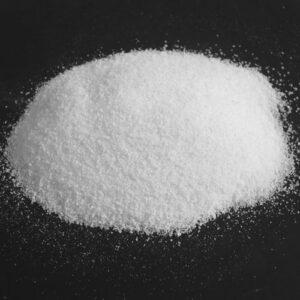
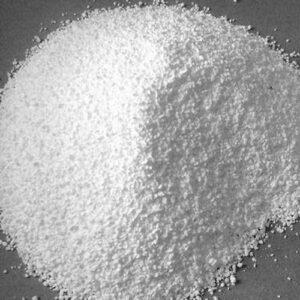
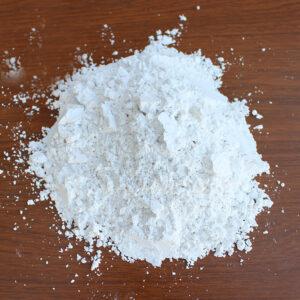
Cationic Polyacrylamide, with chemical formula (C3H5NO)n and CAS number 9003-05-8, commonly known as Cationic PAM, CPAM, or Polyelectrolyte, featuring molecular weights ranging from 3-15 million Daltons and charge densities from 10-60%, is a specialized high-performance water-soluble synthetic polymer appearing as white to off-white granular or powder form with excellent water solubility and outstanding flocculation properties. Cationic Polyacrylamide is specifically manufactured to provide reliable particle aggregation characteristics, making it ideal for applications requiring effective solid-liquid separation, water clarification, sludge dewatering, and industrial processing in municipal water treatment, wastewater processing, paper manufacturing, and mining applications. The compound works through charge neutralization and polymer bridging mechanisms, where cationic sites neutralize negatively charged particles while high molecular weight chains create bridges between particles, providing powerful flocculation action, enhanced settling rates, improved filtration characteristics, and superior dewatering efficiency. Cationic Polyacrylamide represents one of the most widely used and effective polymeric flocculants in water treatment and industrial processing industries, providing exceptional clarification efficiency, superior solid-liquid separation, excellent process optimization, and outstanding performance consistency, making it essential for municipal water systems, industrial wastewater treatment, paper mills, mining operations, and specialized applications requiring high-performance flocculation and dewatering characteristics.
At Chemicals & Process Equipment Limited, we supply high-performance Cationic Polyacrylamide manufactured under stringent quality control standards and international water treatment, industrial processing, environmental, and specialty application specifications. Our comprehensive product range includes various molecular weights, charge densities, and specialized formulations meeting diverse requirements for water clarification, sludge dewatering, industrial processing, and specialized polymer applications across global water treatment, industrial, environmental, and processing markets.
✅ Advanced Flocculation Technology – Optimized Molecular Weight & Multi-Industry Applications
✅ Consistent Quality Standards – Multiple Product Classifications with Comprehensive Documentation
✅ Essential Treatment Polymer – Superior Water Treatment, Sludge Dewatering & Industrial Performance
✅ Multi-Industry Applications – Water Treatment, Paper Manufacturing, Mining, Industrial Processing
✅ Technical Support Package – Complete Application Guidance & Performance Optimization
The global polyacrylamide market was valued at approximately USD 4.2 billion in 2023 and is projected to reach USD 5.8 billion by 2030, growing at a CAGR of 4.7% during the forecast period. Market expansion is driven by increasing water treatment requirements, growing industrial wastewater discharge, expanding municipal infrastructure, and rising demand for efficient solid-liquid separation technologies in municipal and industrial applications.
Technical Specifications & Cationic Polyacrylamide Properties
| Property | Low Charge | Medium Charge | High Charge | Very High Charge | Ultra High MW | Food Grade |
|---|---|---|---|---|---|---|
| Molecular Weight (Million Da) | 8-12 | 10-15 | 6-10 | 3-8 | 15-20 | 8-12 |
| Charge Density (%) | 10-20 | 25-35 | 40-50 | 55-65 | 15-25 | 15-25 |
| Cationicity (meq/g) | 1.0-2.0 | 2.5-3.5 | 4.0-5.0 | 5.5-6.5 | 1.5-2.5 | 1.5-2.5 |
| Solid Content (%) | 88-92 | 88-92 | 88-92 | 88-92 | 88-92 | 90-94 |
| Moisture Content (%) | 8-12 | 8-12 | 8-12 | 8-12 | 8-12 | 6-10 |
| pH (0.1% solution) | 4.0-6.0 | 3.5-5.5 | 3.0-5.0 | 2.5-4.5 | 4.5-6.5 | 5.0-7.0 |
| Viscosity @ 0.1% (mPa·s) | 800-1200 | 1000-1500 | 600-1000 | 400-800 | 1500-2500 | 900-1300 |
| Residual Monomer (ppm) | <500 | <500 | <500 | <500 | <300 | <100 |
| Acrylamide Monomer (ppm) | <200 | <200 | <200 | <200 | <150 | <50 |
| Dissolution Time (min) | 30-60 | 45-75 | 60-90 | 75-120 | 45-90 | 30-60 |
| Solution Stability (hours) | 48-72 | 24-48 | 12-24 | 6-12 | 72-96 | 24-48 |
| Bulk Density (g/cm³) | 0.7-0.9 | 0.7-0.9 | 0.7-0.9 | 0.7-0.9 | 0.6-0.8 | 0.8-1.0 |
| Particle Size (mesh) | 20-80 | 20-80 | 20-80 | 20-80 | 10-60 | 40-100 |
| Average Particle Size (μm) | 300-800 | 300-800 | 300-800 | 300-800 | 500-1200 | 200-400 |
| Color | White | Off-white | Light yellow | Yellow | White | Pure white |
| Appearance | Granular | Granular | Granular | Granular | Granular | Fine granular |
| Odor | Slight amine | Slight amine | Amine | Strong amine | Odorless | Odorless |
| Solubility @ 25°C (%) | Complete | Complete | Complete | Complete | Complete | Complete |
| Glass Transition Temp (°C) | 165-185 | 160-180 | 155-175 | 150-170 | 170-190 | 165-185 |
| Decomposition Temp (°C) | 210-230 | 210-230 | 210-230 | 210-230 | 215-235 | 220-240 |
| Thermal Stability | Good | Good | Fair | Fair | Excellent | Very Good |
| UV Stability | Fair | Fair | Poor | Poor | Good | Good |
| Hydrolysis Resistance | Good | Fair | Poor | Very Poor | Very Good | Excellent |
| Shear Stability | Fair | Good | Very Good | Excellent | Poor | Fair |
| Salt Tolerance (ppm) | 1000-5000 | 2000-8000 | 5000-15000 | 10000-25000 | 500-3000 | 1000-5000 |
| pH Stability Range | 3-9 | 2-8 | 1-7 | 1-6 | 4-10 | 5-9 |
| Temperature Range (°C) | 5-60 | 5-65 | 5-70 | 5-75 | 5-55 | 10-50 |
| Optimal pH Range | 6.0-8.0 | 5.5-7.5 | 4.5-6.5 | 3.5-5.5 | 6.5-8.5 | 6.0-8.0 |
| Optimal Temperature (°C) | 20-40 | 25-45 | 30-50 | 35-55 | 15-35 | 20-40 |
| Dosage Range (ppm) | 0.5-5 | 1-10 | 2-15 | 5-25 | 0.2-3 | 0.5-5 |
| Mixing Intensity (G value) | 50-150 | 100-250 | 200-400 | 300-500 | 25-100 | 50-150 |
| Mixing Time (seconds) | 30-120 | 60-180 | 120-300 | 180-450 | 15-60 | 30-120 |
| Floc Formation Time (min) | 2-5 | 3-8 | 5-12 | 8-20 | 1-3 | 2-5 |
| Settling Velocity (m/h) | 5-15 | 8-25 | 15-40 | 25-60 | 3-12 | 5-15 |
| Turbidity Removal (%) | 85-95 | 90-98 | 95-99.5 | 98-99.9 | 80-92 | 85-95 |
| TSS Removal (%) | 80-90 | 85-95 | 90-98 | 95-99 | 75-88 | 80-90 |
| Color Removal (%) | 70-85 | 80-92 | 85-95 | 90-98 | 65-80 | 70-85 |
| COD Reduction (%) | 20-40 | 30-50 | 40-65 | 50-75 | 15-35 | 20-40 |
| BOD Reduction (%) | 15-35 | 25-45 | 35-60 | 45-70 | 10-30 | 15-35 |
| Phosphorus Removal (%) | 60-80 | 70-90 | 80-95 | 85-98 | 55-75 | 60-80 |
| Sludge Volume Index | 50-80 | 40-70 | 30-60 | 25-50 | 60-90 | 50-80 |
| Cake Solid Content (%) | 15-25 | 20-30 | 25-35 | 30-40 | 12-22 | 15-25 |
| Filtration Rate (L/m²/h) | 200-500 | 300-800 | 500-1200 | 800-1800 | 150-400 | 200-500 |
| Specific Resistance (s²/g) | 1E12-5E12 | 5E11-2E12 | 1E11-8E11 | 3E10-3E11 | 2E12-1E13 | 1E12-5E12 |
| Capillary Suction Time (s) | 20-50 | 15-40 | 10-30 | 8-25 | 25-60 | 20-50 |
| Water Release Rate (mL/min) | 5-15 | 8-25 | 15-40 | 25-60 | 3-12 | 5-15 |
| Polymer Retention (%) | 85-95 | 80-92 | 75-88 | 70-85 | 90-98 | 85-95 |
| Floc Strength | Medium | Good | Very Good | Excellent | Poor | Medium |
| Floc Size (mm) | 2-8 | 3-12 | 5-20 | 8-30 | 1-5 | 2-8 |
| Filterability Index | 50-100 | 30-80 | 20-60 | 15-45 | 70-150 | 50-100 |
| Enzyme Resistance | Good | Fair | Poor | Very Poor | Excellent | Very Good |
| Bacterial Resistance | Fair | Good | Very Good | Excellent | Poor | Good |
| Heavy Metal Removal (%) | 40-60 | 50-70 | 60-80 | 70-90 | 35-55 | 40-60 |
| Oil Removal (%) | 60-80 | 70-88 | 80-95 | 85-98 | 55-75 | 60-80 |
| Protein Removal (%) | 50-70 | 60-80 | 70-88 | 80-95 | 45-65 | 50-70 |
| Starch Removal (%) | 70-85 | 80-92 | 85-95 | 90-98 | 65-80 | 70-85 |
| Cellulose Retention (%) | 60-80 | 70-88 | 80-95 | 85-98 | 55-75 | 65-85 |
| Fiber Recovery (%) | 85-95 | 90-97 | 93-99 | 95-99.5 | 80-92 | 85-95 |
| Storage Temperature (°C) | 5-40 | 5-40 | 5-40 | 5-40 | 5-35 | 10-30 |
| Storage Humidity (%) | <80 | <80 | <80 | <80 | <70 | <70 |
| Shelf Life (months) | 24 | 24 | 18 | 12 | 36 | 18 |
| Container Material | HDPE/PP | HDPE/PP | HDPE/PP | HDPE/PP | HDPE/Paper | HDPE/PP |
| Packaging Size (kg) | 25/750/1000 | 25/750/1000 | 25/750/1000 | 25/750/1000 | 25/500 | 25/500 |
| Hazard Classification | Non-hazardous | Non-hazardous | Non-hazardous | Irritant | Non-hazardous | GRAS |
| Transport Class | Non-regulated | Non-regulated | Non-regulated | Class 9 | Non-regulated | Non-regulated |
| Biodegradability | Slow | Slow | Very Slow | Very Slow | Slow | Moderate |
| Aquatic Toxicity LC₅₀ (mg/L) | >100 | >100 | 50-100 | 25-50 | >100 | >500 |
| Bioaccumulation | Low | Low | Medium | High | Low | None |
| Environmental Fate | Hydrolysis | Hydrolysis | Persistent | Persistent | Hydrolysis | Biodegradable |
| Regulatory Status | Approved | Approved | Approved | Restricted | Approved | FDA approved |
| NSF Approval | Yes | Yes | Limited | No | Yes | Yes |
| EPA Registration | TSCA listed | TSCA listed | TSCA listed | TSCA listed | TSCA listed | GRAS |
| EU Approval | REACH compliant | REACH compliant | REACH compliant | REACH compliant | REACH compliant | Food contact |
| Cost per kg | Medium | Medium-High | High | Very High | High | Premium |
| Application Method | Continuous | Continuous | Batch/Continuous | Batch | Continuous | Precise dosing |
| Equipment Type | Polymer feeder | Polymer feeder | High shear mixer | Intensive mixer | Gentle mixer | Precision pump |
| Dilution Ratio | 0.1-0.5% | 0.1-0.5% | 0.2-1.0% | 0.5-2.0% | 0.05-0.3% | 0.1-0.5% |
| Aging Time (hours) | 1-4 | 2-6 | 4-12 | 6-24 | 0.5-2 | 1-4 |
| Working Concentration (%) | 0.01-0.1 | 0.02-0.2 | 0.05-0.5 | 0.1-1.0 | 0.005-0.05 | 0.01-0.1 |
| Injection Point | Flash mix | Flocculation | Rapid mix | High intensity | Gentle mix | Pre-treatment |
| Mixing Requirements | Medium | High | Very High | Extreme | Low | Medium |
| Contact Time (min) | 5-20 | 10-30 | 15-45 | 20-60 | 3-15 | 5-20 |
| System Compatibility | Excellent | Very Good | Good | Fair | Excellent | Excellent |
| Quality Control | Enhanced | Strict | Critical | Extreme | Premium | Analytical |
| Technical Support | Complete | Enhanced | Specialized | Expert | Premium | Dedicated |
Available Product Types:
- Low Charge Cationic Polyacrylamide for general water treatment applications
- Medium Charge CPAM for municipal wastewater treatment and sludge dewatering
- High Charge Cationic PAM for industrial wastewater and difficult separations
- Very High Charge for oil and gas drilling fluids and specialized applications
- Ultra High Molecular Weight for enhanced bridging and superior floc strength
- Food Grade Cationic Polyacrylamide for food processing and potable water treatment
- Emulsion Cationic PAM for enhanced dissolution and rapid activation
- Dry Powder Form for long-term storage and controlled dissolution
- Liquid Solutions for immediate use and continuous feed systems
- Specialty Grades for paper manufacturing and mineral processing
- Custom Formulations for specific application requirements
- Co-polymer Blends for enhanced performance characteristics
Specialized Application Solutions:
- Water treatment system design and flocculation optimization
- Sludge dewatering programs and solids handling improvement
- Industrial wastewater treatment design and compliance assistance
- Paper mill process optimization and retention aid programs
- Mining and mineral processing flotation and thickening systems
- Oil and gas drilling fluid formulation and performance enhancement
- Food processing clarification and separation optimization
- Municipal water treatment upgrade and performance improvement
- Custom polymer synthesis and application-specific development
- Process troubleshooting and performance optimization services
- Regulatory compliance support and environmental permitting assistance
- Training programs and technical education services
Water Treatment Applications
Municipal Water Treatment Municipal water treatment facilities utilize Cationic Polyacrylamide for primary clarification, turbidity removal, and drinking water production requiring water treatment grade specifications. Water treatment operators employ cationic polyacrylamide for particle aggregation, enhanced settling, and filter aid applications requiring clean water production, regulatory compliance, and consistent clarification with typical dosage rates of 0.5-5.0 ppm depending on raw water quality and treatment requirements.
Potable Water Clarification Drinking water treatment plants use Cationic Polyacrylamide for coagulation aid, floc strengthening, and filtration enhancement requiring potable water specifications. Water utility operators employ cationic polyacrylamide for suspended solids removal, color reduction applications requiring safe drinking water, taste and odor improvement, and consumer satisfaction while maintaining strict regulatory compliance for public water systems.
Surface Water Treatment Surface water treatment facilities utilize Cationic Polyacrylamide for seasonal water quality variations, algae removal, and natural organic matter reduction requiring surface water specifications. Treatment plant operators employ cationic polyacrylamide for enhanced coagulation, improved settling applications requiring consistent water quality, reduced chemical usage, and operational efficiency in variable raw water conditions.
Groundwater Treatment Groundwater treatment systems use Cationic Polyacrylamide for iron and manganese removal, well water clarification, and mineral precipitation requiring groundwater specifications. Well water treatment operators employ cationic polyacrylamide for oxidized metal removal, filtration aid applications requiring clear water production, equipment protection, and reliable operation in mineral-rich groundwater sources. For comprehensive information about polymer use in drinking water treatment and regulatory requirements, visit the EPA’s Drinking Water Treatment Technologies which provides detailed guidance on treatment chemicals, approval processes, and safety standards for public water systems.
Wastewater Treatment Applications
Municipal Wastewater Treatment Municipal wastewater treatment plants utilize Cationic Polyacrylamide for primary clarification, activated sludge settling, and effluent polishing requiring municipal wastewater specifications. Wastewater treatment operators employ cationic polyacrylamide for biomass separation, clarifier performance applications requiring discharge compliance, operational efficiency, and consistent treatment performance across varying influent conditions.
Industrial Wastewater Treatment Industrial wastewater treatment facilities use Cationic Polyacrylamide for process-specific contaminant removal, metals precipitation, and discharge compliance requiring industrial specifications. Industrial operators employ cationic polyacrylamide for oil separation, suspended solids removal applications requiring permit compliance, cost-effective treatment, and reliable performance in complex industrial waste streams.
Sludge Dewatering Applications Sludge dewatering operations utilize Cationic Polyacrylamide for enhanced water removal, cake solid content improvement, and volume reduction requiring dewatering specifications. Sludge handling operators employ cationic polyacrylamide for centrifuge optimization, belt press enhancement applications requiring maximum dewatering, disposal cost reduction, and operational efficiency in biosolids management.
Membrane Bioreactor Systems MBR treatment facilities use Cationic Polyacrylamide for membrane fouling control, sludge conditioning, and system optimization requiring MBR specifications. MBR operators employ cationic polyacrylamide for viscosity reduction, filtration improvement applications requiring membrane protection, system longevity, and consistent permeate quality in advanced biological treatment systems.
Industrial Processing Applications
Paper Manufacturing Paper manufacturing facilities utilize Cationic Polyacrylamide for fiber retention, drainage aid, and formation improvement requiring paper industry specifications. Paper mill operators employ cationic polyacrylamide for filler retention, strength enhancement applications requiring improved paper quality, reduced raw material usage, and enhanced production efficiency in papermaking processes.
Textile Processing Textile manufacturing facilities use Cationic Polyacrylamide for dye removal, process water clarification, and color recovery requiring textile specifications. Textile processors employ cationic polyacrylamide for wastewater treatment, color separation applications requiring water reuse, environmental compliance, and cost-effective treatment in textile dyeing and finishing operations.
Food Processing Applications Food processing facilities utilize Cationic Polyacrylamide for protein recovery, starch separation, and process water clarification requiring food grade specifications where approved. Food processors employ cationic polyacrylamide for solid-liquid separation, product recovery applications requiring food safety, process efficiency, and waste reduction in approved food processing operations.
Chemical Manufacturing Chemical manufacturing facilities use Cationic Polyacrylamide for product purification, catalyst recovery, and process optimization requiring chemical industry specifications. Chemical manufacturers employ cationic polyacrylamide for separation processes, waste minimization applications requiring product quality, environmental compliance, and operational efficiency in chemical production processes.
Mining and Mineral Processing
Mineral Processing Operations Mining operations utilize Cationic Polyacrylamide for ore beneficiation, tailings treatment, and water recycling requiring mining specifications. Mining engineers employ cationic polyacrylamide for solid-liquid separation, thickening operations applications requiring mineral recovery, water conservation, and environmental compliance in extraction and processing operations.
Coal Processing Plants Coal preparation facilities use Cationic Polyacrylamide for fine coal recovery, thickener operations, and process water treatment requiring coal processing specifications. Coal plant operators employ cationic polyacrylamide for particle settling, water clarification applications requiring product recovery, water reuse, and environmental protection in coal cleaning and preparation.
Sand and Gravel Operations Aggregate processing facilities utilize Cationic Polyacrylamide for wash water clarification, fine particle recovery, and settling pond management requiring aggregate specifications. Aggregate producers employ cationic polyacrylamide for water recycling, sedimentation control applications requiring environmental compliance, water conservation, and operational efficiency in sand and gravel production.
Tailings Management Mine tailings facilities use Cationic Polyacrylamide for tailings consolidation, water recovery, and storage optimization requiring tailings management specifications. Environmental engineers employ cationic polyacrylamide for dewatering enhancement, stability improvement applications requiring environmental protection, water recovery, and long-term tailings storage security.
Oil and Gas Applications
Drilling Fluid Systems Oil and gas drilling operations utilize Cationic Polyacrylamide for shale stabilization, fluid loss control, and hole cleaning requiring drilling fluid specifications. Drilling fluid engineers employ cationic polyacrylamide for rheology modification, cuttings removal applications requiring wellbore stability, drilling efficiency, and formation protection in oil and gas drilling operations.
Enhanced Oil Recovery EOR operations use Cationic Polyacrylamide for polymer flooding, mobility control, and reservoir management requiring EOR specifications. Reservoir engineers employ cationic polyacrylamide for viscosity enhancement, sweep efficiency applications requiring increased oil recovery, reservoir optimization, and economic viability in mature oil field development.
Produced Water Treatment Oil and gas production facilities utilize Cationic Polyacrylamide for produced water clarification, oil removal, and water recycling requiring produced water specifications. Production operators employ cationic polyacrylamide for emulsion breaking, suspended solids removal applications requiring water reuse, environmental compliance, and operational cost reduction in upstream operations.
Fracturing Fluid Applications Hydraulic fracturing operations use Cationic Polyacrylamide for friction reduction, proppant transport, and flowback treatment requiring fracturing specifications. Completion engineers employ cationic polyacrylamide for fluid optimization, environmental protection applications requiring fracturing efficiency, formation damage prevention, and environmental compliance in unconventional resource development.
Quality Control & Testing Procedures
Comprehensive Quality Assurance Every production batch undergoes extensive testing to ensure compliance with cationic polyacrylamide standards, water treatment requirements, industrial processing specifications, and international polymer standards. Our quality control laboratory employs advanced analytical techniques including molecular weight determination, charge density measurement, and comprehensive performance evaluation.
Quality assurance procedures include:
- Molecular weight determination using gel permeation chromatography
- Charge density measurement using colloid titration methods
- Viscosity measurement using rotational viscometers
- Dissolution rate testing using standardized procedures
- Residual monomer analysis using gas chromatography
- Moisture content determination using Karl Fischer titration
- pH measurement using calibrated electrodes
- Particle size analysis using laser diffraction methods
- Bulk density measurement using standardized procedures
- Thermal analysis using DSC and TGA methods
- Flocculation testing using jar test procedures
- Settling rate determination using cylinder tests
- Filtration testing using standard filtration apparatus
- Sludge dewatering evaluation using CST and SRF tests
- Stability testing using accelerated aging protocols
- Performance optimization using pilot-scale testing
- Application testing using customer samples
- Regulatory compliance verification using official methods
- Quality system compliance using ISO standards
- Environmental testing using standard protocols
- Container compatibility testing using migration studies
- Storage stability monitoring using real-time analysis
- Technical consultation using expert evaluation
- Customer support using application specialists
- Continuous improvement using statistical process control
Storage & Handling Procedures Implement proper storage conditions including temperature control, moisture protection, protection from UV light, proper ventilation, and comprehensive safety procedures for maintaining Cationic Polyacrylamide quality and ensuring safe handling throughout storage and application periods.
Market Applications & Industry Trends
Water Treatment Market Growth Growing global water scarcity, increasing wastewater discharge volumes, expanding municipal infrastructure development, and rising water quality standards drive continued demand for efficient flocculation polymers in water treatment applications requiring enhanced clarification, improved solid-liquid separation, and cost-effective treatment solutions.
Industrial Processing Expansion Expanding manufacturing operations, increasing process efficiency requirements, growing environmental regulations, and rising sustainability demands drive adoption of cationic polyacrylamide for industrial processing applications requiring waste reduction, product recovery, and environmental compliance.
Environmental Compliance Enhancement Strengthening environmental regulations, increasing discharge standards, expanding monitoring requirements, and rising sustainability awareness drive development of advanced polymer applications requiring effective treatment, regulatory compliance, and environmental protection.
Technology Advancement Advancing polymer chemistry, improving manufacturing processes, expanding application knowledge, and increasing performance requirements drive innovation in cationic polyacrylamide applications requiring enhanced efficiency, improved performance, and specialized solutions.
Environmental & Regulatory Compliance
Drinking Water Standards Cationic Polyacrylamide complies with EPA drinking water regulations, NSF standards, WHO guidelines, and international water quality requirements ensuring safe and effective use in potable water treatment applications with established safety criteria and comprehensive toxicological assessments.
Wastewater Discharge Regulations Adherence to NPDES permit requirements, state discharge standards, and international wastewater guidelines ensures appropriate use in wastewater treatment applications with established environmental protection measures and aquatic safety protocols.
Industrial Safety Standards Compliance with OSHA regulations, industrial safety requirements, and international workplace safety guidelines ensures safe handling in industrial applications with established safety protocols and worker protection measures including proper handling procedures and engineering controls.
Environmental Protection Standards Environmental compliance includes aquatic toxicity assessment, bioaccumulation studies, and environmental fate analysis ensuring responsible use with consideration for environmental protection and minimal ecological impact from polymer applications.
Performance Advantages & Technical Benefits
✔ High Molecular Weight – Superior bridging and flocculation with excellent particle aggregation
✔ Variable Charge Density – Customizable performance for diverse water chemistry conditions
✔ Excellent Dissolution – Rapid hydration and activation for immediate effectiveness
✔ Superior Flocculation – Strong floc formation with enhanced settling characteristics
✔ Cost-Effective Treatment – Low dosage requirements with high performance efficiency
✔ Multi-Application Versatility – Suitable for diverse water treatment and industrial applications
✔ Proven Performance – Established effectiveness across multiple industries and applications
✔ Regulatory Compliance – NSF approved and EPA compliant formulations available
✔ Quality Consistency – Reliable molecular weight and charge density across batches
✔ Technical Support – Complete application guidance and system optimization services
✔ Environmental Compatibility – Biodegradable polymer with acceptable environmental profile
✔ Process Flexibility – Excellent integration with existing treatment systems
✔ Storage Stability – Extended shelf life with minimal performance degradation
✔ Global Availability – Reliable supply chains and worldwide distribution network
✔ Custom Formulations – Specialized grades for specific application requirements
✔ Enhanced Dewatering – Superior sludge dewatering and volume reduction capabilities
Our Cationic Polyacrylamide products represent industry-leading standards in flocculation technology and water treatment solutions, specifically manufactured for demanding municipal water treatment applications, industrial wastewater processing operations, specialized separation systems, and advanced applications requiring exceptional polymer performance, reliable solid-liquid separation, and comprehensive treatment optimization. We provide complete technical support, application guidance, and performance consultation to ensure optimal results across your specialized water treatment, industrial processing, or separation applications.
For detailed specifications, technical data sheets, or application-specific recommendations, contact our specialized polymers division. We offer complete support including product selection, dosage optimization, system design, performance monitoring, regulatory guidance, and technical assistance to maximize effectiveness in your water treatment, sludge dewatering, or industrial processing applications.
For more information about our products, feel free to Contact Us today.
Related products
Reviews
There are no reviews yet.