
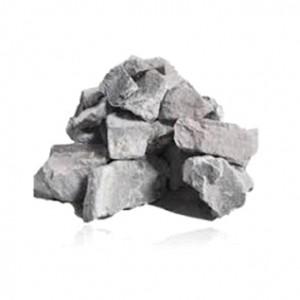
CALCIUM CARBIDE
In Stock
Highlights:
CALCIUM CARBIDE
Premium Quality Calcium Carbide – High-Purity Calcium Acetylide, Advanced Chemical Intermediate & Superior Performance Industrial Reagent for Acetylene Production, Steel Manufacturing, Chemical Synthesis, Welding Applications & Industrial Processing Operations
✅ Premium Industrial Chemical – Superior Acetylene Generation & High Chemical Purity
✅ Multiple Grade Options – Technical, Industrial, High-Purity & Specialty Grades
✅ Excellent Processing Properties – Controlled Gas Generation, Superior Performance
✅ Multi-Industry Compatible – Steel, Welding, Chemical Synthesis & Manufacturing
✅ Quality Assured – Established Performance Standards Supporting Optimal Industrial Results
Description
High-Quality Calcium Carbide
Calcium Carbide, with chemical formula CaC₂ and CAS number 75-20-7, commonly known as Calcium Acetylide, Acetylenogen, or Carbide, available in various grades including technical grade (80-85% CaC₂), industrial grade (75-80% CaC₂), high-purity grade (85-90% CaC₂), and specialty grades (90-95% CaC₂), is a grayish-black to dark gray crystalline solid with exceptional water reactivity and outstanding acetylene generation properties appearing as hard crystalline lumps with excellent storage characteristics and superior chemical stability under dry conditions. Calcium Carbide is specifically manufactured to provide reliable acetylene production, effective chemical reduction, and controlled gas generation, making it ideal for applications requiring steel desulfurization, welding gas production, chemical synthesis, and industrial processing in steel manufacturing, welding operations, chemical plants, and specialty manufacturing facilities. The compound works through several mechanisms including acetylene gas generation upon contact with water, carbothermic reduction for metallurgical applications, chemical synthesis for organic compound production, and desulfurization for steel purification, providing superior gas production, reliable chemical performance, effective reduction capability, and outstanding processing efficiency. Calcium Carbide represents one of the most important industrial chemicals across multiple sectors, providing exceptional purity levels, superior gas generation characteristics, excellent chemical reactivity, and outstanding processing reliability, making it essential for steel manufacturers, welding suppliers, chemical processors, and industrial manufacturers requiring high-performance carbide solutions and comprehensive technical support.
At Chemicals & Process Equipment Limited, we supply high-performance Calcium Carbide manufactured under stringent quality control standards and international industrial, metallurgical, and specialty application specifications. Our comprehensive product range includes various purity levels, particle sizes, and specialized grades meeting diverse requirements for steel processing, welding applications, chemical synthesis, and industrial manufacturing across global steel, welding, chemical, and manufacturing markets.
✅ Advanced Chemical Technology – Optimized Purity Levels & Multi-Industry Applications
✅ Consistent Quality Standards – Multiple Product Classifications with Comprehensive Documentation
✅ Essential Industrial Chemical – Superior Acetylene Generation, Reduction & Manufacturing Performance
✅ Multi-Industry Applications – Steel Manufacturing, Welding, Chemical Synthesis, Industrial Processing
✅ Technical Support Package – Complete Application Guidance & Performance Optimization
The global calcium carbide market was valued at approximately USD 18.2 billion in 2023 and is projected to reach USD 24.8 billion by 2030, growing at a CAGR of 4.5% during the forecast period. Market expansion is driven by increasing steel production, growing welding applications, expanding chemical synthesis demand, and rising industrial manufacturing requirements.
Technical Specifications & Calcium Carbide Properties
| Property | Technical Grade | Industrial Grade | High-Purity Grade | Specialty Grade | Steel Grade | Chemical Grade |
|---|---|---|---|---|---|---|
| CaC₂ Content (%) | 80-85 | 75-80 | 85-90 | 90-95 | 82-87 | 88-93 |
| Calcium (Ca) Content (%) | 58.5-62.0 | 54.8-58.5 | 62.0-65.7 | 65.7-69.4 | 59.9-63.6 | 64.3-68.0 |
| Acetylene Generation (L/kg) | 280-300 | 260-280 | 300-320 | 320-340 | 290-310 | 310-330 |
| Gas Purity (%) | 98.0-99.0 | 97.5-98.5 | 99.0-99.5 | 99.5-99.8 | 98.5-99.2 | 99.2-99.7 |
| Moisture Content (%) | 0.2-0.8 | 0.3-1.0 | 0.1-0.5 | 0.05-0.3 | 0.2-0.6 | 0.1-0.4 |
| Total Carbon (%) | 26.5-29.0 | 25.0-27.5 | 29.0-31.0 | 31.0-32.5 | 27.5-29.5 | 30.0-31.8 |
| Free Carbon (%) | 0.5-2.0 | 1.0-3.0 | 0.2-1.0 | 0.1-0.5 | 0.3-1.5 | 0.2-0.8 |
| Silicon (Si) (%) | 1.0-3.0 | 1.5-4.0 | 0.5-2.0 | 0.2-1.0 | 0.8-2.5 | 0.3-1.5 |
| Iron (Fe) (%) | 0.5-2.0 | 1.0-3.0 | 0.2-1.0 | 0.1-0.5 | 0.3-1.5 | 0.2-0.8 |
| Aluminum (Al) (%) | 0.3-1.5 | 0.5-2.0 | 0.1-0.8 | 0.05-0.3 | 0.2-1.0 | 0.1-0.5 |
| Magnesium (Mg) (%) | 0.2-1.0 | 0.3-1.5 | 0.1-0.5 | 0.05-0.2 | 0.15-0.8 | 0.08-0.3 |
| Phosphorus (P) (%) | 0.02-0.08 | 0.03-0.12 | 0.01-0.05 | 0.005-0.02 | 0.015-0.06 | 0.01-0.03 |
| Sulfur (S) (%) | 0.02-0.10 | 0.03-0.15 | 0.01-0.06 | 0.005-0.03 | 0.015-0.08 | 0.01-0.04 |
| Nitrogen (N) (%) | 0.01-0.05 | 0.02-0.08 | 0.005-0.03 | 0.002-0.015 | 0.008-0.04 | 0.005-0.02 |
| Ash Content (%) | 2.0-5.0 | 3.0-7.0 | 1.0-3.0 | 0.5-2.0 | 1.5-4.0 | 1.0-2.5 |
| Bulk Density (kg/m³) | 1000-1200 | 950-1150 | 1100-1300 | 1200-1400 | 1050-1250 | 1150-1350 |
| True Density (g/cm³) | 2.22 | 2.22 | 2.22 | 2.22 | 2.22 | 2.22 |
| Particle Size (mm) | 4-25 | 5-50 | 4-15 | 2-10 | 5-25 | 3-12 |
| Size Distribution | 80% 4-25mm | 75% 5-50mm | 85% 4-15mm | 90% 2-10mm | 80% 5-25mm | 85% 3-12mm |
| Hardness (Mohs) | 2.5 | 2.5 | 2.5 | 2.5 | 2.5 | 2.5 |
| Melting Point (°C) | 2160 | 2160 | 2160 | 2160 | 2160 | 2160 |
| Decomposition Temperature (°C) | >300 | >300 | >300 | >300 | >300 | >300 |
| Specific Heat (J/g·K) | 0.92 | 0.92 | 0.92 | 0.92 | 0.92 | 0.92 |
| Thermal Conductivity (W/m·K) | 1.85 | 1.85 | 1.85 | 1.85 | 1.85 | 1.85 |
| Electrical Conductivity | Poor | Poor | Poor | Poor | Poor | Poor |
| Color | Gray-Black | Gray-Black | Dark Gray | Gray | Gray-Black | Dark Gray |
| Appearance | Crystalline Lumps | Crystalline Lumps | Crystalline Lumps | Crystalline Lumps | Crystalline Lumps | Crystalline Lumps |
| Odor | Slight Garlic | Slight Garlic | Slight Garlic | Slight Garlic | Slight Garlic | Slight Garlic |
| Crystal System | Tetragonal | Tetragonal | Tetragonal | Tetragonal | Tetragonal | Tetragonal |
| Hygroscopicity | Low | Low | Low | Low | Low | Low |
| Water Reactivity | Very High | Very High | Very High | Very High | Very High | Very High |
| Air Stability | Stable | Stable | Stable | Stable | Stable | Stable |
| Chemical Reactivity | High | High | High | High | High | High |
| Flammability | Non-Flammable | Non-Flammable | Non-Flammable | Non-Flammable | Non-Flammable | Non-Flammable |
| Gas Generation Rate | Fast | Fast | Very Fast | Very Fast | Fast | Very Fast |
| Reaction Temperature | Ambient | Ambient | Ambient | Ambient | Ambient | Ambient |
| Acetylene Yield | 95-98% | 93-96% | 98-99% | 99-99.5% | 96-98% | 98.5-99.2% |
| Calcium Hydroxide Byproduct | Yes | Yes | Yes | Yes | Yes | Yes |
| Heat of Reaction (kJ/mol) | -128.9 | -128.9 | -128.9 | -128.9 | -128.9 | -128.9 |
| Solubility in Water | Reacts | Reacts | Reacts | Reacts | Reacts | Reacts |
| Solubility in Acids | Reacts | Reacts | Reacts | Reacts | Reacts | Reacts |
| Compatibility with Metals | Variable | Variable | Variable | Variable | Variable | Variable |
| Storage Atmosphere | Dry Air | Dry Air | Dry Air | Dry Air | Dry Air | Dry Air |
| Packaging Moisture Limit | <0.1% | <0.2% | <0.05% | <0.03% | <0.08% | <0.05% |
| Storage Temperature (°C) | 5-35 | 5-40 | 10-30 | 15-25 | 10-35 | 15-30 |
| Storage Humidity (%) | <50 | <60 | <40 | <30 | <45 | <35 |
| Packaging | Drums/Cans | Drums/Bags | Drums/Cans | Cans/Bottles | Drums/Cans | Drums/Bottles |
| Shelf Life (months) | 12 | 18 | 10 | 8 | 15 | 12 |
| Container Material | Steel/HDPE | Steel/PP | Steel/HDPE | Steel/Glass | Steel/HDPE | Steel/Glass |
| Transport Class | 4.3 | 4.3 | 4.3 | 4.3 | 4.3 | 4.3 |
| UN Number | UN1402 | UN1402 | UN1402 | UN1402 | UN1402 | UN1402 |
| Packing Group | II | II | II | II | II | II |
| Hazard Label | Dangerous when Wet | Dangerous when Wet | Dangerous when Wet | Dangerous when Wet | Dangerous when Wet | Dangerous when Wet |
| GHS Signal Word | Danger | Danger | Danger | Danger | Danger | Danger |
| H-Statements | H260, H315 | H260, H315 | H260, H315 | H260, H315 | H260, H315 | H260, H315 |
| P-Statements | P223, P231+P232 | P223, P231+P232 | P223, P231+P232 | P223, P231+P232 | P223, P231+P232 | P223, P231+P232 |
| Emergency Response | Water Prohibition | Water Prohibition | Water Prohibition | Water Prohibition | Water Prohibition | Water Prohibition |
| Fire Suppression | Dry Sand/Powder | Dry Sand/Powder | Dry Sand/Powder | Dry Sand/Powder | Dry Sand/Powder | Dry Sand/Powder |
| Spill Control | Dry Collection | Dry Collection | Dry Collection | Dry Collection | Dry Collection | Dry Collection |
| Waste Disposal | Controlled Hydrolysis | Controlled Hydrolysis | Controlled Hydrolysis | Controlled Hydrolysis | Controlled Hydrolysis | Controlled Hydrolysis |
| Environmental Impact | Moderate | Moderate | Moderate | Moderate | Moderate | Moderate |
| Aquatic Toxicity | Moderate | Moderate | Moderate | Moderate | Moderate | Moderate |
| Biodegradation | Inorganic | Inorganic | Inorganic | Inorganic | Inorganic | Inorganic |
| Bioaccumulation | None | None | None | None | None | None |
| Soil Impact | pH Increase | pH Increase | pH Increase | pH Increase | pH Increase | pH Increase |
| Groundwater Impact | Alkalinity | Alkalinity | Alkalinity | Alkalinity | Alkalinity | Alkalinity |
| Manufacturing Process | Electric Arc | Electric Arc | Electric Arc | Electric Arc | Electric Arc | Electric Arc |
| Raw Materials | Lime + Coke | Lime + Coke | Lime + Coke | Lime + Coke | Lime + Coke | Lime + Coke |
| Production Temperature (°C) | 2000-2200 | 2000-2200 | 2000-2200 | 2000-2200 | 2000-2200 | 2000-2200 |
| Energy Consumption (kWh/kg) | 3.2-3.8 | 3.0-3.6 | 3.4-4.0 | 3.6-4.2 | 3.3-3.9 | 3.5-4.1 |
| Quality Testing | Standard | Basic | Enhanced | Premium | Standard | Enhanced |
| Certification Available | Yes | Limited | Yes | Yes | Yes | Yes |
| Technical Support | Standard | Basic | Enhanced | Premium | Standard | Enhanced |
| Application Training | Yes | Limited | Yes | Yes | Yes | Yes |
| Safety Training | Critical | Critical | Critical | Critical | Critical | Critical |
| Performance Testing | Available | Optional | Required | Required | Available | Required |
| Custom Specifications | Limited | No | Available | Yes | Limited | Available |
| Bulk Availability | Yes | Yes | Limited | No | Yes | Limited |
| Sample Quantities | Yes | Yes | Yes | Limited | Yes | Yes |
| Cost per Ton | Medium | Low | High | Very High | Medium-High | High |
| Volume Discounts | Available | Available | Limited | No | Available | Limited |
| Contract Terms | Standard | Flexible | Specialized | Premium | Standard | Specialized |
| Supply Reliability | Excellent | Excellent | Very Good | Good | Very Good | Very Good |
| Global Availability | Worldwide | Worldwide | Regional | Limited | Worldwide | Regional |
| Lead Time (days) | 7-14 | 5-10 | 14-21 | 21-30 | 10-17 | 14-21 |
| Minimum Order (kg) | 500 | 100 | 1000 | 100 | 500 | 500 |
| Maximum Order (tons) | 1000 | 2000 | 500 | 50 | 800 | 300 |
Available Product Types:
- Technical Grade Calcium Carbide for general industrial applications
- Industrial Grade for steel manufacturing and welding applications
- High-Purity Grade for chemical synthesis and specialty processes
- Specialty Grade for precision applications and research
- Steel Grade for metallurgical processing and desulfurization
- Chemical Grade for pharmaceutical and fine chemical synthesis
- Welding Grade for acetylene gas generation and cutting
- Laboratory Grade for analytical and research applications
- Custom Specifications for specific application requirements
- Size-Classified Grades for controlled reaction rates
- Low-Impurity Grade for sensitive applications
- High-Yield Grade for maximum acetylene production
Specialized Application Solutions:
- Acetylene generation system design and optimization
- Steel desulfurization process engineering and efficiency improvement
- Welding gas production consulting and safety management
- Chemical synthesis process development and optimization
- Metallurgical process consulting and performance enhancement
- Industrial safety system design and emergency procedures
- Quality control systems and analytical testing protocols
- Safety management and handling procedure development
- Equipment selection and material compatibility assessment
- Process automation and safety system design
- Technical training and safety education programs
- Performance monitoring and process optimization services
Steel Manufacturing Applications
Steel Desulfurization Operations Steel manufacturers utilize Calcium Carbide for desulfurization processes, steel purification, and quality enhancement requiring metallurgical grade specifications. Metallurgical engineers employ calcium carbide for sulfur removal, steel chemistry control applications requiring steel quality, mechanical properties, and manufacturing excellence in steel production operations.
Electric Arc Furnace Operations Steel plants use Calcium Carbide for slag conditioning, furnace operations, and steel refining requiring electric furnace grade specifications. Furnace operators employ calcium carbide for slag chemistry, temperature control applications requiring energy efficiency, steel quality, and operational optimization in electric arc furnace operations.
Ladle Metallurgy Steel facilities utilize Calcium Carbide for secondary steelmaking, ladle treatment, and steel composition adjustment requiring ladle grade specifications. Steel technologists employ calcium carbide for inclusion modification, steel cleanliness applications requiring metallurgical performance, steel properties, and quality enhancement in ladle metallurgy operations.
Continuous Casting Casting operations use Calcium Carbide for mold flux preparation, casting optimization, and surface quality enhancement requiring casting grade specifications. Casting specialists employ calcium carbide for lubrication improvement, heat transfer applications requiring casting quality, surface finish, and operational efficiency in continuous casting processes. For comprehensive information about calcium carbide safety guidelines, handling procedures, and industrial applications, visit the International Labour Organization Chemical Safety Guide which provides detailed guidance on calcium carbide properties, safety protocols, and occupational health standards for industrial carbide applications.
Welding and Cutting Applications
Acetylene Gas Production Welding suppliers utilize Calcium Carbide for acetylene generation, welding gas production, and cutting gas supply requiring welding grade specifications. Gas technicians employ calcium carbide for gas purity, pressure control applications requiring welding performance, gas quality, and safety compliance in acetylene generation operations.
Oxy-Acetylene Welding Welding operations use Calcium Carbide for high-temperature welding, metal joining, and fabrication requiring high-purity grade specifications. Welding specialists employ calcium carbide for flame temperature, welding characteristics applications requiring joint quality, penetration depth, and welding efficiency in oxy-acetylene welding operations.
Metal Cutting Operations Cutting facilities utilize Calcium Carbide for flame cutting, metal separation, and demolition requiring cutting grade specifications. Cutting operators employ calcium carbide for cutting speed, edge quality applications requiring precision cutting, surface finish, and operational safety in metal cutting operations.
Portable Welding Systems Field welding operations use Calcium Carbide for portable gas generation, remote welding, and maintenance applications requiring portable grade specifications. Field technicians employ calcium carbide for gas availability, system portability applications requiring welding capability, operational flexibility, and safety management in portable welding systems.
Chemical Synthesis Applications
Organic Chemical Production Chemical manufacturers utilize Calcium Carbide for acetylene chemistry, organic synthesis, and intermediate production requiring chemical grade specifications. Organic chemists employ calcium carbide for vinyl compound synthesis, polymer precursor applications requiring product purity, reaction selectivity, and manufacturing efficiency in organic chemical production.
Pharmaceutical Intermediates Pharmaceutical facilities use Calcium Carbide for drug intermediate synthesis, API production, and pharmaceutical manufacturing requiring pharmaceutical grade specifications. Pharmaceutical chemists employ calcium carbide for acetylene chemistry, synthetic pathways applications requiring regulatory compliance, product quality, and manufacturing excellence in pharmaceutical intermediate production.
Polymer Manufacturing Polymer producers utilize Calcium Carbide for monomer synthesis, polymer precursor production, and specialty polymer manufacturing requiring polymer grade specifications. Polymer chemists employ calcium carbide for vinyl acetate, PVC precursor applications requiring polymer properties, processing characteristics, and quality standards in polymer manufacturing operations.
Fine Chemical Synthesis Specialty chemical manufacturers use Calcium Carbide for fine chemical production, specialty synthesis, and custom manufacturing requiring specialty grade specifications. Chemical engineers employ calcium carbide for complex synthesis, multi-step reactions applications requiring product purity, yield optimization, and process efficiency in fine chemical synthesis.
Agricultural Applications
Fruit Ripening Operations Food processing facilities utilize Calcium Carbide for fruit ripening, post-harvest processing, and agricultural applications requiring food-safe grade specifications. Agricultural specialists employ calcium carbide for ethylene generation, ripening control applications requiring fruit quality, ripening uniformity, and food safety compliance in fruit ripening operations.
Plant Growth Regulation Agricultural operations use Calcium Carbide for plant hormone production, growth regulation, and crop management requiring agricultural grade specifications. Agricultural researchers employ calcium carbide for ethylene production, plant physiology applications requiring crop yield, quality enhancement, and sustainable agriculture in plant growth regulation.
Soil Treatment Agricultural facilities utilize Calcium Carbide for soil pH adjustment, calcium supplementation, and soil conditioning requiring soil treatment grade specifications. Soil scientists employ calcium carbide for alkalinity increase, nutrient availability applications requiring soil health, crop productivity, and environmental sustainability in soil treatment operations.
Pest Control Systems Pest management operations use Calcium Carbide for fumigation gas generation, pest control, and agricultural protection requiring pest control grade specifications. Pest control specialists employ calcium carbide for acetylene production, fumigation applications requiring pest elimination, crop protection, and environmental safety in pest control systems.
Industrial Manufacturing Applications
Carbide Tool Production Tool manufacturers utilize Calcium Carbide for tungsten carbide production, cutting tool manufacturing, and industrial tooling requiring tool grade specifications. Tool engineers employ calcium carbide for carbide synthesis, tool hardness applications requiring cutting performance, tool life, and manufacturing precision in carbide tool production.
Refractory Manufacturing Refractory producers use Calcium Carbide for high-temperature materials, furnace lining, and thermal protection requiring refractory grade specifications. Refractory specialists employ calcium carbide for thermal shock resistance, chemical stability applications requiring furnace performance, thermal efficiency, and operational reliability in refractory manufacturing.
Metal Processing Metal processing facilities utilize Calcium Carbide for reduction reactions, metal purification, and metallurgical processing requiring metallurgical grade specifications. Process engineers employ calcium carbide for oxide reduction, metal recovery applications requiring metal purity, recovery efficiency, and process optimization in metal processing operations.
Glass Manufacturing Glass producers use Calcium Carbide for glass melting, furnace operations, and glass quality enhancement requiring glass grade specifications. Glass technologists employ calcium carbide for reducing atmosphere, glass chemistry applications requiring glass clarity, thermal properties, and manufacturing efficiency in glass manufacturing operations.
Quality Control & Testing Procedures
Comprehensive Quality Assurance Every production batch undergoes extensive testing to ensure compliance with calcium carbide standards, industrial requirements, acetylene generation specifications, and international quality standards. Our quality control laboratory employs advanced analytical techniques including gas generation testing, chemical analysis, and comprehensive performance evaluation.
Quality assurance procedures include:
- Calcium carbide content determination using gas generation analysis
- Acetylene yield testing using standardized water reaction protocols
- Gas purity analysis using gas chromatography
- Moisture content determination using Karl Fischer titration
- Particle size distribution analysis using sieve analysis
- Chemical composition analysis using ICP-OES and combustion methods
- Carbon content determination using combustion analysis
- Silicon analysis using gravimetric and instrumental methods
- Iron content testing using colorimetric and atomic absorption methods
- Aluminum analysis using complexometric and instrumental methods
- Phosphorus and sulfur determination using combustion methods
- Ash content analysis using high-temperature ignition
- Bulk density measurement using standardized procedures
- Hardness testing using Mohs scale comparison
- Thermal analysis using TGA and DSC methods
- Crystal structure analysis using X-ray diffraction
- Surface area measurement using BET analysis
- Reactivity testing using controlled water exposure
- Gas generation rate measurement using dynamic testing
- Storage stability testing using accelerated aging protocols
- Environmental compliance verification using standard methods
- Quality system compliance using ISO standards
- Performance testing using application-specific protocols
- Customer application support using pilot testing
- Technical consultation using expert evaluation
- Continuous improvement using statistical process control
Storage & Handling Procedures Implement proper storage conditions including moisture protection, temperature control, dry atmosphere maintenance, proper ventilation, and comprehensive safety procedures for maintaining Calcium Carbide quality and ensuring safe handling throughout storage and application periods while following all safety regulations for water-reactive materials.
Market Applications & Industry Trends
Steel Industry Growth Growing global steel production, increasing infrastructure development, expanding automotive manufacturing, and rising construction demands drive continued demand for calcium carbide in steel processing applications requiring effective desulfurization, steel quality improvement, and manufacturing efficiency.
Welding Market Expansion Increasing welding applications, growing construction activities, expanding shipbuilding operations, and rising maintenance requirements drive adoption of calcium carbide for welding applications requiring reliable acetylene generation, gas purity, and operational safety.
Chemical Industry Development Advancing chemical synthesis, increasing specialty chemical production, expanding pharmaceutical manufacturing, and growing polymer demands drive development of calcium carbide applications requiring efficient acetylene chemistry, synthetic versatility, and process optimization.
Agricultural Technology Growing food processing demands, increasing post-harvest technology, expanding agricultural productivity, and rising food quality requirements drive adoption of calcium carbide for agricultural applications requiring controlled ripening, quality enhancement, and food safety compliance.
Environmental & Regulatory Compliance
Health and Safety Management Calcium Carbide requires strict safety protocols including personal protective equipment, moisture exclusion, and emergency procedures ensuring worker protection with consideration for water reactivity risks and established safety procedures from handling and processing operations under UN1402 classification.
Transportation Safety Standards Compliance with DOT regulations, international shipping requirements, and hazardous material guidelines ensures safe transportation and handling in industrial operations with established safety protocols and emergency response procedures for water-reactive material management.
Environmental Protection Standards Adherence to environmental regulations, waste management controls, and disposal requirements ensures responsible use in manufacturing applications with established environmental protection measures and controlled disposal procedures for carbide waste streams.
Workplace Safety Regulations Compliance with OSHA standards, industrial hygiene requirements, and safety management systems ensures safe workplace conditions with established safety protocols, exposure monitoring, and comprehensive safety training for personnel handling water-reactive materials.
Performance Advantages & Technical Benefits
✔ Superior Acetylene Generation – High-yield gas production with reliable performance
✔ High Chemical Purity – Consistent quality ensuring reliable processing and application results
✔ Excellent Reactivity – Controlled reaction rates for optimal gas generation
✔ Multiple Grade Options – Various specifications for specific application requirements
✔ Multi-Application Versatility – Suitable for steel, welding, chemical, and agricultural applications
✔ Chemical Stability – Stable under dry conditions with predictable performance
✔ Process Efficiency – High conversion rates and rapid gas generation
✔ Quality Consistency – Reliable chemical composition and performance across batches
✔ Storage Reliability – Extended shelf life under proper storage conditions
✔ Technical Support – Complete application guidance and process optimization services
✔ Regulatory Compliance – Industry compliant formulations with comprehensive documentation
✔ Global Availability – Reliable supply chains and worldwide distribution network
✔ Cost Effectiveness – Economical solution with proven industrial performance
✔ Safety Protocols – Well-established handling procedures and comprehensive safety guidelines
✔ Application Flexibility – Suitable for various industrial and manufacturing processes
Our Calcium Carbide products represent industry-leading standards in acetylene generation technology and industrial chemical applications, specifically manufactured for demanding steel processing operations, welding applications, chemical synthesis processes, and advanced manufacturing applications requiring exceptional chemical purity, reliable gas generation, and comprehensive process optimization. We provide complete technical support, application guidance, and performance consultation to ensure optimal results across your specialized steel, welding, chemical, or industrial processing applications.
For detailed specifications, technical data sheets, or application-specific recommendations, contact our specialized chemicals division. We offer complete support including product selection, process optimization, safety consulting, performance monitoring, regulatory guidance, and technical assistance to maximize effectiveness in your steel manufacturing, welding, chemical synthesis, or industrial processing applications.
For more information about our products, feel free to Contact Us today.
Related products
Reviews
There are no reviews yet.