
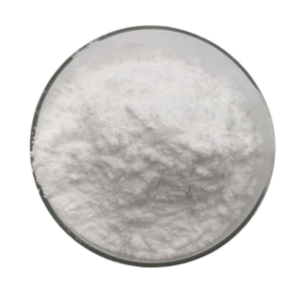
ASPARTAME
In Stock
Highlights:
Aspartame
Food Grade Artificial Sweetener & Low-Calorie Sugar Substitute – Specialized Non-Saccharide Sweetener for Food Processing & Beverage Applications
Aspartame is a versatile artificial sweetener extensively utilized in food manufacturing, beverage production, pharmaceutical formulations, and dietary supplement applications. Our technical-grade aspartame delivers exceptional sweetening performance and calorie reduction with superior purity for demanding food processing, pharmaceutical manufacturing, and commercial applications requiring high-intensity sweetening with excellent taste profiles.
✅ High-Intensity Sweetener – 200x Sweeter Than Sugar with Zero Calories
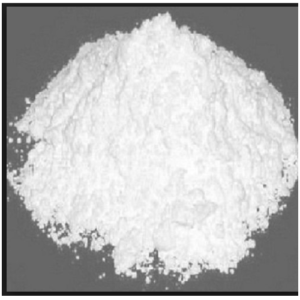
✅ White Crystalline Powder – Excellent Solubility & Consistent Quality
✅ Food Grade, Pharmaceutical & Technical Grades Available
✅ CAS 22839-47-0 Certified – International Quality Standards
✅ Food & Beverage, Pharmaceutical, Dietary Supplement Applications
Description
High-Performance Aspartame for Food Processing & Advanced Sweetening Operations
Aspartame (N-(L-α-Aspartyl)-L-phenylalanine 1-methyl ester) with the molecular formula C₁₄H₁₈N₂O₅ is a high-intensity artificial sweetener that provides sweetness approximately 200 times greater than sucrose. This versatile compound serves critical functions across food processing operations, beverage manufacturing, pharmaceutical production, and dietary supplement applications requiring low-calorie sweetening solutions with excellent organoleptic properties and stability characteristics.
At Chemicals & Process Equipment Limited, we supply high-grade Aspartame manufactured under stringent quality control standards and international specifications. Our comprehensive product range includes food grade, pharmaceutical grade, and technical grade formulations meeting diverse requirements for food and beverage manufacturing, pharmaceutical formulations, and specialized applications across global markets.
✅ Advanced Sweetening Technology – Superior Taste Profile & Calorie Reduction Performance
✅ Consistent Purity Standards – Multiple Grade Classifications with Comprehensive Quality Documentation
✅ Excellent Organoleptic Properties – Enhanced Consumer Acceptance & Product Performance
✅ Multi-Industry Applications – Food, Beverage, Pharmaceutical & Dietary Supplement Uses
✅ Technical Support Package – Complete Application Guidance & Formulation Optimization
For comprehensive information on aspartame applications in food processing and beverage manufacturing, refer to this detailed artificial sweeteners guide by ScienceDirect. Our food processing additives portfolio provides specialized guidance for optimal sweetening performance and formulation development across diverse applications.
The Global Aspartame market was valued at USD 9.0 billion in 2023. The global market size is expected to grow at a CAGR of 4.5% from 2024 to 2032 and be worth USD 13.38 billion by 2032, driven by increasing demand for low-calorie sweeteners, health-conscious consumer trends, and expanding applications in functional foods and beverages across multiple industries.
Technical Specifications & Chemical Properties
| Property | Food Grade ≥98% | Food Grade ≥99% | Pharmaceutical Grade |
|---|---|---|---|
| Chemical Formula | C₁₄H₁₈N₂O₅ | C₁₄H₁₈N₂O₅ | C₁₄H₁₈N₂O₅ |
| CAS Number | 22839-47-0 | 22839-47-0 | 22839-47-0 |
| IUPAC Name | (3S)-3-amino-4-[[(2S)-1-methoxy-1-oxo-3-phenylpropan-2-yl]amino]-4-oxobutanoic acid | (3S)-3-amino-4-[[(2S)-1-methoxy-1-oxo-3-phenylpropan-2-yl]amino]-4-oxobutanoic acid | (3S)-3-amino-4-[[(2S)-1-methoxy-1-oxo-3-phenylpropan-2-yl]amino]-4-oxobutanoic acid |
| Molecular Weight | 294.30 g/mol | 294.30 g/mol | 294.30 g/mol |
| Appearance | White crystalline powder | White crystalline powder | White crystalline powder |
| Purity (Dry Basis) | ≥98.0% | ≥99.0% | ≥99.5% |
| Sweetness Factor | 180-200x sucrose | 180-200x sucrose | 180-200x sucrose |
| Solubility in Water | 1 g/100 mL at 20°C | 1 g/100 mL at 20°C | 1 g/100 mL at 20°C |
| pH (1% Solution) | 4.5-6.0 | 4.5-6.0 | 4.5-6.0 |
| Loss on Drying | ≤4.5% | ≤4.0% | ≤3.0% |
| Residue on Ignition | ≤0.2% | ≤0.15% | ≤0.1% |
| 5-Benzyl-3,6-dioxo-2-piperazineacetic acid | ≤1.5% | ≤1.0% | ≤0.5% |
| Other Related Substances | ≤2.0% | ≤1.5% | ≤1.0% |
| Heavy Metals (as Pb) | ≤5 ppm | ≤2 ppm | ≤1 ppm |
| Arsenic (As) | ≤1 ppm | ≤0.5 ppm | ≤0.2 ppm |
| Transmittance (425 nm) | ≥95% | ≥97% | ≥98% |
| Packaging Options | 25kg fiber drums, 500kg bulk bags, custom packaging |
Available Grade Classifications:
- Commercial qualities with purities in the range of 90–94%, 95–98%, and ≥ 99% are available
- Food grade for commercial food and beverage applications
- Pharmaceutical grade for drug formulations and medical applications
- Technical grade for industrial and research applications
- Tabletop sweetener grade for consumer products
Specialized Packaging Solutions:
- 25kg fiber drums with aluminum inner linings
- 500kg flexible intermediate bulk containers (FIBCs)
- Custom packaging for specialized applications
- Moisture-resistant packaging for tropical climates
- Laboratory packaging from 100g to 5kg containers
- Consumer packaging for tabletop sweetener products
Food & Beverage Applications
Low-Calorie Beverage Manufacturing Aspartame is an artificial non-saccharide sweetener 200 times sweeter than sucrose, and is commonly used as a sugar substitute in foods and beverages. Beverage manufacturers utilize aspartame for producing diet sodas, low-calorie juices, sports drinks, and functional beverages requiring sugar reduction without compromising taste quality.
Sugar-Free Food Production Food processors employ aspartame in manufacturing sugar-free confectionery, baked goods, dairy products, and desserts providing sweetness without calories for diabetic-friendly and weight management food categories.
Chewing Gum & Confectionery Confectionery manufacturers use aspartame for producing sugar-free gums, mints, candies, and chocolate products requiring long-lasting sweetness and dental-safe formulations.
Breakfast Cereals & Snacks Food companies utilize aspartame in breakfast cereals, protein bars, snack foods, and nutritional products providing sweetness enhancement with calorie reduction for health-conscious consumers.
Yogurt & Dairy Products Dairy manufacturers employ aspartame in light yogurts, flavored milk products, and dairy desserts requiring sugar reduction while maintaining creamy texture and taste appeal.
Beverage Industry Applications
Carbonated Soft Drinks Aspartame, an artificial sweetener, is widely used in the food and beverage industry to provide a low-calorie sugar alternative. Soft drink manufacturers utilize aspartame for producing diet colas, flavored sodas, and carbonated beverages requiring consistent sweetness and fizz retention.
Sports & Energy Drinks Sports nutrition companies employ aspartame in energy drinks, electrolyte beverages, and performance drinks providing sweetness without interfering with athletic performance or hydration.
Powdered Drink Mixes Beverage mix manufacturers use aspartame in instant drink powders, flavoring sachets, and concentrated beverages requiring shelf-stable sweetening with excellent reconstitution properties.
Ready-to-Drink Teas & Coffees RTD beverage producers employ aspartame in bottled teas, coffee beverages, and flavored drinks providing natural taste enhancement without added calories or sugar content.
Pharmaceutical & Healthcare Applications
Pharmaceutical Formulations Aspartame (APM) is a widely used artificial sweetener employed in various food products and beverages. Being a low-calorie alternative, it possesses a sweetness that is approximately 200 times stronger than that of sugar. Pharmaceutical manufacturers utilize aspartame for masking bitter tastes in oral medications, syrups, and chewable tablets improving patient compliance and medication palatability.
Dietary Supplement Manufacturing Nutraceutical companies employ aspartame in protein powders, vitamin supplements, and nutritional drinks providing sweetness enhancement without interfering with active ingredient stability or bioavailability.
Medical Nutrition Products Healthcare manufacturers use aspartame in medical foods, therapeutic nutritional products, and specialized dietary formulations for patients requiring calorie-controlled nutrition management.
Oral Care Products Pharmaceutical companies employ aspartame in medicated lozenges, throat sprays, and oral healthcare products providing pleasant taste without promoting dental caries or bacterial growth.
Tabletop Sweetener Applications
Consumer Sweetener Products It is a methyl ester of the aspartic acid/phenylalanine dipeptide with the trade names, NutraSweet, Equal, and Canderel. Consumer product manufacturers utilize aspartame for producing tabletop sweetener packets, liquid sweeteners, and granulated sugar substitutes for household and foodservice applications.
Institutional Foodservice Foodservice suppliers employ aspartame in bulk sweetener systems, portion-controlled packets, and dispensing systems for restaurants, cafeterias, and hospitality establishments.
Retail Sugar Substitutes Retail manufacturers use aspartame in branded sweetener products, baking blends, and specialty formulations for consumers seeking calorie reduction and blood sugar management.
Food Ingredient Applications Ingredient suppliers utilize aspartame in sweetener blends, flavor enhancers, and functional ingredients for food manufacturers requiring consistent sweetening power and cost optimization.
Specialty Food Applications
Frozen Dessert Manufacturing Ice cream and frozen dessert producers employ aspartame for creating low-calorie frozen yogurts, sugar-free ice creams, and frozen novelties providing indulgent taste without excessive calories.
Baking & Pastry Applications Bakery manufacturers use aspartame in sugar-free cakes, cookies, muffins, and pastries requiring sweetness retention through baking processes and extended shelf life.
Sauce & Condiment Production Food processors employ aspartame in low-calorie salad dressings, barbecue sauces, and condiments providing flavor enhancement without adding significant calories or carbohydrates.
Canned & Preserved Foods Food manufacturers utilize aspartame in canned fruits, preserves, and processed foods requiring sweetness without contributing to osmotic pressure or preservation challenges.
Diet & Weight Management Applications
Weight Loss Products Diet product manufacturers employ aspartame in meal replacement shakes, weight management bars, and portion-controlled foods providing satiety and sweetness without caloric contribution.
Diabetic Food Products Specialty food producers use aspartame in diabetic-friendly foods, blood sugar management products, and therapeutic nutrition requiring glycemic impact minimization.
Functional Food Development Health food manufacturers utilize aspartame in functional beverages, enriched foods, and nutraceutical products combining sweetness with health-promoting ingredients.
Low-Carb Product Manufacturing Keto and low-carb food producers employ aspartame in specialized diet foods, ketogenic products, and carbohydrate-restricted formulations supporting specific dietary protocols.
International Quality Standards & Specifications
Food Grade Specifications Typical specifications for food use include a purity of not less than 98% and maximum limits for 5-benzyl-3,6-dioxo-2-piperazineacetic acid (not more than 1.5% expressed on dry weight basis), other related substances (not more than 2%), residue on ignition (not more than 0.2%).
Pharmaceutical Grade Standards Pharmaceutical grade aspartame meets USP, EP, and international pharmacopoeia standards ensuring compliance with drug manufacturing regulations and quality requirements for medicinal applications.
Food Safety Compliance Our aspartame products comply with FDA, EU, and international food safety regulations ensuring regulatory acceptance for food processing and manufacturing applications worldwide.
Storage & Handling Requirements
Environmental Controls
- Store aspartame in cool, dry conditions between 15-25°C
- Maintain relative humidity below 60% to prevent caking
- Protect from direct sunlight and UV radiation exposure
- Use moisture-resistant packaging and storage containers
- Implement proper environmental monitoring procedures
Stability Considerations
- Aspartame may decompose under high temperature and pH conditions
- Avoid prolonged exposure to temperatures above 30°C
- Monitor pH levels in liquid formulations (optimal pH 3-5)
- Consider stability in specific food matrices during formulation
- Implement accelerated stability testing for new applications
Quality Control & Analytical Testing
Comprehensive Quality Assurance Every production batch undergoes extensive analytical testing to ensure compliance with food grade and pharmaceutical specifications. Our quality control laboratory employs advanced analytical techniques including HPLC, mass spectrometry, and organoleptic evaluation.
Quality assurance procedures include:
- Purity determination via high-performance liquid chromatography
- Related substances analysis using gradient HPLC methods
- Water content determination through Karl Fischer titration
- Heavy metals testing via inductively coupled plasma spectroscopy
- Microbiological testing for food and pharmaceutical grades
- Sensory evaluation for taste profile and sweetness intensity
- Optical rotation measurement for stereochemical purity
- Particle size distribution analysis for powder characteristics
Application Guidelines & Best Practices
Formulation Optimization Select appropriate aspartame concentrations based on desired sweetness levels, typically ranging from 0.02-0.05% in beverages and 0.1-0.3% in solid foods depending on application requirements.
Stability Enhancement Consider encapsulation or protective formulation techniques for applications involving high temperatures, extended storage periods, or challenging pH conditions to maintain sweetness integrity.
Taste Modification Combine aspartame with other sweeteners or flavor enhancers to achieve optimal taste profiles and minimize any potential aftertaste in sensitive applications.
Market Applications & Industry Trends
Health-Conscious Consumer Growth The global aspartame market size reached a value of almost USD 423.60 Million in 2024. The market is further expected to grow at a CAGR of 4.10% in the forecast period of 2025-2034, to reach USD 633.09 Million by 2034. Growing consumer awareness of health and wellness drives increased demand for low-calorie sweetening solutions across food and beverage categories.
Diabetes Management Market Rising global diabetes prevalence supports continued growth in aspartame applications for blood sugar management products and diabetic-friendly food formulations.
Weight Management Industry Expanding obesity rates and weight management concerns drive increased utilization of aspartame in diet products, meal replacements, and calorie-controlled food categories.
Regulatory Compliance & Safety Information
Global Regulatory Approval Aspartame maintains approval from major regulatory authorities including FDA, EFSA, WHO/FAO, and national food safety agencies worldwide for use in food and beverage applications.
Acceptable Daily Intake (ADI) Regulatory authorities have established ADI levels ensuring safe consumption with significant safety margins based on comprehensive toxicological studies and clinical research.
Labeling Requirements Products containing aspartame must include appropriate labeling for phenylketonuria (PKU) warning due to phenylalanine content, ensuring consumer safety and regulatory compliance.
Performance Advantages & Technical Benefits
✔ High-Intensity Sweetening – 200x sweeter than sugar with zero calories
✔ Excellent Taste Profile – Clean, sugar-like sweetness without bitter aftertaste
✔ Cost-Effective Solution – Significant cost savings due to high sweetening power
✔ Versatile Applications – Food, beverage, pharmaceutical & consumer products
✔ Regulatory Acceptance – Global approval for food and pharmaceutical uses
✔ Consumer Preference – Established brand recognition and consumer acceptance
✔ Formulation Flexibility – Compatible with various ingredients and processing methods
Our Aspartame products represent industry-leading standards in artificial sweetening technology and calorie reduction solutions, specifically formulated for demanding food processing operations, beverage manufacturing, and pharmaceutical applications. We provide comprehensive technical support, formulation guidance, and regulatory compliance assistance to ensure optimal performance across your specialized food, beverage, or pharmaceutical applications.
For detailed specifications, regulatory compliance documentation, or formulation-specific data, contact our specialized food additives division. We offer complete support including taste optimization, stability testing, and process development to maximize effectiveness in your food processing, beverage manufacturing, or pharmaceutical formulation applications.
Related products
Recently Viewed
Featured
Featured
Reviews
There are no reviews yet.