
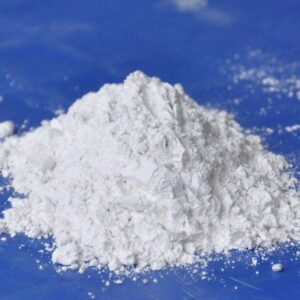
Antimony Trioxide
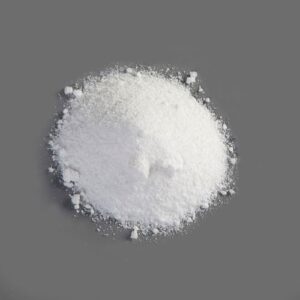
In Stock
Highlights:
ANTIMONY TRIOXIDE – Advanced Flame Retardant & Industrial Chemical Solution
Professional Antimony Trioxide – High-Performance Flame Retardant Synergist, Fire Safety Chemical, Polymer Additive, Glass Manufacturing Agent, Catalyst, Paint Additive & Specialized Chemical Solution for Plastics, Textiles, Electronics, Glass Production, Chemical Processing & Advanced Industrial Manufacturing
✅ Premium Flame Retardant – Superior Fire Safety & Synergistic Performance
✅ Industrial Excellence – Outstanding Chemical Purity & Processing Compatibility
✅ Fire Safety Proven – Exceptional Synergistic Effects with Halogenated Materials
✅ Multi-Industry Applications – Plastics, Textiles, Electronics, Glass & Paint Compatibility
✅ Quality Assured – Industrial, Safety & Global Standards Compliance Worldwide
Description
Best Grade Antimony Trioxide
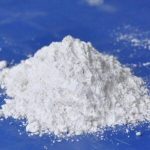
Antimony trioxide, featuring crystalline structure with molecular formula Sb₂O₃ and CAS number 1309-64-4, appearing as white crystalline powder with exceptional flame retardant synergistic properties, outstanding thermal stability characteristics, and superior industrial compatibility across diverse manufacturing applications, is a specialized inorganic compound with excellent fire safety enhancement, superior processing performance, and outstanding functionality in flame retardant systems, polymer additives, glass manufacturing, catalyst applications, and industrial chemical processing. Antimony trioxide (Sb₂O₃) is a white crystalline compound extensively used for flame retardant applications, industrial processing, glass manufacturing, and specialized chemical synthesis. Antimony trioxide itself has no flame retardant function, however, when it is used together with halogenated compounds, the synergistic effect of the mixture creates the flame retardant properties, making it essential for fire safety applications across multiple industries. The compound exhibits exceptional processing behavior and provides superior fire protection enhancement making it ideal for plastics manufacturing, textile treatment, electronics production, glass formulation, and specialized industrial operations. Antimony trioxide is specifically processed to provide enhanced fire safety performance, improved industrial efficiency, and superior results in applications requiring effective flame suppression, reliable thermal stability, stable chemical behavior, and industrial-grade performance in polymer processing, glass manufacturing, catalyst systems, and specialized applications. The compound functions as one of the most versatile flame retardant and industrial chemicals available, being highly effective in synergistic systems and providing excellent processing properties, delivering broad-spectrum industrial compatibility, effective fire safety performance, excellent chemical compatibility under manufacturing conditions, and outstanding safety profile during handling and application. Antimony trioxide represents one of the most essential and versatile chemicals in modern flame retardant systems, industrial processing, glass manufacturing, and specialized applications sectors, providing exceptional synergistic effects, superior processing properties, excellent environmental compatibility, and outstanding regulatory compliance during manufacturing and application, making it essential for fire safety systems, polymer processing, glass production, catalyst manufacturing, and specialized applications requiring high-performance chemical technology and regulatory approval with international industrial and safety standards.
At Chemicals & Process Equipment Limited, we supply advanced Antimony Trioxide manufactured under stringent quality control standards and international industrial, safety, and processing specifications. Our comprehensive product range includes various particle sizes, purity grades, and specialized formulations meeting diverse requirements for flame retardant applications, industrial processing, glass manufacturing, catalyst systems, and specialized applications across global plastics, textiles, electronics, glass, and chemical markets.
✅ Advanced Chemical Technology – Optimized Flame Retardant & Industrial Processing Performance
✅ Consistent Quality Standards – Multiple Product Classifications with Complete Documentation
✅ Essential Fire Safety Chemical – Superior Synergistic Properties & Safety Compatibility
✅ Multi-Industry Applications – Plastics, Textiles, Electronics, Glass, Paint & Chemical Processing
✅ Technical Support Package – Complete Application Guidance & Performance Optimization
The global sales of antimony trioxide reached USD 851.5 million in 2023, reflecting its critical role in flame retardants, catalysts, and specialty applications. Over the next decade, the market is poised to grow at a CAGR of 4.9%, with demand expected to reach USD 1,433.6 million by 2034, driven by increasing fire safety regulations and industrial applications.
Technical Specifications & Properties
| Property | Flame Retardant Grade | Industrial Grade | Glass Grade | Catalyst Grade | High Purity Grade | Ultra-Fine Grade |
|---|---|---|---|---|---|---|
| Sb₂O₃ Content (%) | 99.0-99.8 | 98.5-99.5 | 99.5-99.9 | 99.8-100.0 | 99.9-100.0 | 99.5-99.9 |
| Antimony (Sb) Content (%) | 83.0-83.5 | 82.5-83.2 | 83.2-83.6 | 83.5-83.8 | 83.6-83.9 | 83.0-83.4 |
| Oxygen (O) Content (%) | 16.5-17.0 | 16.8-17.5 | 16.4-16.8 | 16.2-16.5 | 16.1-16.4 | 16.6-17.0 |
| Moisture Content (%) | 0.05-0.2 | 0.1-0.5 | 0.02-0.1 | 0.01-0.05 | 0.005-0.02 | 0.02-0.1 |
| pH (5% suspension) | 6.0-8.0 | 5.5-8.5 | 6.5-7.5 | 7.0-8.0 | 7.0-7.5 | 6.0-7.5 |
| Average Particle Size (μm) | 1.0-3.0 | 2.0-5.0 | 0.5-2.0 | 0.3-1.5 | 0.2-0.8 | 0.1-0.5 |
| Specific Surface Area (m²/g) | 3-8 | 2-6 | 5-12 | 8-15 | 10-20 | 15-25 |
| Bulk Density (kg/m³) | 800-1200 | 600-1000 | 900-1300 | 1000-1400 | 1100-1500 | 400-800 |
| Tapped Density (kg/m³) | 1200-1600 | 1000-1400 | 1300-1700 | 1400-1800 | 1500-1900 | 800-1200 |
| Oil Absorption (g/100g) | 15-25 | 20-35 | 12-20 | 10-18 | 8-15 | 25-40 |
| Melting Point (°C) | 656 | 656 | 656 | 656 | 656 | 656 |
| Boiling Point (°C) | 1425 | 1425 | 1425 | 1425 | 1425 | 1425 |
| Density (g/cm³) | 5.2-5.7 | 5.3-5.8 | 5.4-5.9 | 5.5-6.0 | 5.6-6.1 | 5.2-5.6 |
| Refractive Index | 2.09-2.35 | 2.10-2.36 | 2.12-2.38 | 2.15-2.40 | 2.18-2.42 | 2.08-2.32 |
| Hardness (Mohs) | 2-3 | 2-3 | 2-3 | 2-3 | 2-3 | 2-3 |
| Heavy Metals (ppm) | <100 | <200 | <50 | <20 | <10 | <30 |
| Lead (Pb) Content (ppm) | <50 | <100 | <20 | <10 | <5 | <15 |
| Cadmium (Cd) Content (ppm) | <20 | <50 | <10 | <5 | <2 | <8 |
| Mercury (Hg) Content (ppm) | <5 | <15 | <3 | <1 | <0.5 | <2 |
| Arsenic (As) Content (ppm) | <30 | <80 | <15 | <8 | <3 | <12 |
| Iron (Fe) Content (%) | <0.05 | <0.15 | <0.02 | <0.01 | <0.005 | <0.03 |
| Copper (Cu) Content (ppm) | <30 | <80 | <15 | <8 | <3 | <20 |
| Zinc (Zn) Content (ppm) | <50 | <150 | <25 | <15 | <8 | <35 |
| Nickel (Ni) Content (ppm) | <30 | <80 | <15 | <8 | <3 | <20 |
| Aluminum (Al) Content (%) | <0.1 | <0.3 | <0.05 | <0.02 | <0.01 | <0.08 |
| Calcium (Ca) Content (%) | <0.05 | <0.15 | <0.02 | <0.01 | <0.005 | <0.03 |
| Magnesium (Mg) Content (%) | <0.05 | <0.15 | <0.02 | <0.01 | <0.005 | <0.03 |
| Sulfur (S) Content (%) | <0.02 | <0.08 | <0.01 | <0.005 | <0.002 | <0.015 |
| Chloride (Cl) Content (%) | <0.01 | <0.05 | <0.005 | <0.002 | <0.001 | <0.008 |
| Sodium (Na) Content (%) | <0.05 | <0.15 | <0.02 | <0.01 | <0.005 | <0.03 |
| Potassium (K) Content (%) | <0.05 | <0.15 | <0.02 | <0.01 | <0.005 | <0.03 |
| Solubility in Water (g/L) | <0.1 | <0.1 | <0.1 | <0.1 | <0.1 | <0.1 |
| Crystal Structure | Orthorhombic | Orthorhombic | Orthorhombic | Orthorhombic | Orthorhombic | Orthorhombic |
| Crystal Form | Senarmontite | Senarmontite | Senarmontite | Senarmontite | Senarmontite | Senarmontite |
| Color | White | White | Pure White | Crystal White | Ultra White | Pure White |
| Appearance | Fine Powder | Powder | Fine Powder | Ultra-Fine | Micro Powder | Nano Powder |
| Thermal Stability | Excellent | Good | Excellent | Excellent | Outstanding | Very Good |
| Chemical Stability | Excellent | Very Good | Excellent | Outstanding | Excellent | Good |
| Processing Temperature (°C) | 150-300 | 100-400 | 200-600 | 250-500 | 300-650 | 120-250 |
| Decomposition Temp (°C) | >650 | >650 | >650 | >650 | >650 | >650 |
| Volatility at 100°C (%) | <0.01 | <0.05 | <0.005 | <0.002 | <0.001 | <0.008 |
| Heat Capacity (J/g·K) | 0.26 | 0.26 | 0.26 | 0.26 | 0.26 | 0.26 |
| Thermal Conductivity | Low | Low | Low | Low | Low | Low |
| Electrical Conductivity | Insulator | Insulator | Insulator | Insulator | Insulator | Insulator |
| Dispersibility | Good | Fair | Excellent | Outstanding | Very Good | Excellent |
| Particle Shape | Angular | Irregular | Spherical | Uniform | Controlled | Nano-spherical |
| Surface Treatment | None | None | Silane | Organic | Specialized | Functionalized |
| Agglomeration Tendency | Low | Moderate | Very Low | Minimal | Controlled | Managed |
| Flow Properties | Good | Fair | Excellent | Outstanding | Very Good | Managed |
| Dust Generation | Low | Moderate | Very Low | Minimal | Controlled | Managed |
| Storage Stability | Excellent | Good | Excellent | Outstanding | Excellent | Good |
| Hygroscopic Nature | Non-hygroscopic | Non-hygroscopic | Non-hygroscopic | Non-hygroscopic | Non-hygroscopic | Non-hygroscopic |
| UV Resistance | Good | Fair | Excellent | Very Good | Outstanding | Good |
| Weather Resistance | Good | Fair | Excellent | Very Good | Outstanding | Good |
| Chemical Compatibility | Excellent | Very Good | Excellent | Outstanding | Excellent | Good |
| Packaging | 25kg Bags | 50kg Bags | 25kg Drums | 20kg Containers | 10kg Bottles | 5kg Containers |
| Shelf Life (years) | 5 | 5 | 5 | 3 | 3 | 3 |
| Regulatory Status | Industrial | Commercial | Glass Industry | Catalyst | High Purity | Specialty |
Available Product Types:
- Flame Retardant Grade for plastics and textile fire safety applications
- Industrial Grade for general manufacturing and processing applications
- Glass Grade for glass manufacturing and optical applications
- Catalyst Grade for chemical synthesis and catalytic processes
- High Purity Grade for specialized electronic and pharmaceutical applications
- Ultra-Fine Grade for enhanced dispersion and processing efficiency
- Surface Modified Grade for improved compatibility and performance
- Pharmaceutical Grade for drug synthesis and medical applications
- Electronics Grade for semiconductor and electronic component manufacturing
- Nano Grade for advanced materials and nanotechnology applications
- Custom Formulations for specific application requirements and performance targets
- Stabilized Grade for enhanced storage stability and extended shelf life
- Technical Grade for general industrial and processing applications
- Research Grade for academic and scientific research purposes
- Custom Specifications for unique industrial and manufacturing requirements
Specialized Application Solutions:
- Flame retardant system optimization and fire safety performance enhancement
- Industrial chemical process improvement and manufacturing efficiency
- Glass manufacturing optimization and optical property enhancement
- Catalyst system development and reaction efficiency improvement
- Electronics manufacturing enhancement and component reliability
- Quality control method development and analytical validation procedures
- Regulatory compliance assistance and comprehensive technical documentation
- Custom application development and performance testing services
- Technical consultation and industrial process optimization
- Environmental impact assessment and sustainability consulting services
Flame Retardant Applications
Plastic Manufacturing Plastic manufacturers utilize Flame Retardant Grade Antimony Trioxide as synergistic agent for halogenated flame retardants, polymer fire safety, and plastic processing. Polymer engineers employ antimony trioxide for fire protection, flame suppression, and safety enhancement providing superior flame retardant performance, excellent fire safety properties, and outstanding plastic processing compatibility with typical loading levels of 2-15% depending on polymer type and fire safety requirements.
Textile Treatment Textile companies use Flame Retardant Grade Antimony Trioxide for fabric fire treatment, protective clothing, and textile safety applications. Textile specialists employ antimony trioxide for fire resistance, safety enhancement, and fabric protection providing improved fire safety, enhanced textile durability, and superior protective performance.
Electronics Manufacturing Electronics companies utilize Flame Retardant Grade Antimony Trioxide for circuit board manufacturing, electronic component protection, and device safety. Electronics engineers employ antimony trioxide for fire prevention, component protection, and safety enhancement providing effective electronics fire safety, enhanced device reliability, and superior electronic component protection.
Cable & Wire Production Cable manufacturers use Flame Retardant Grade Antimony Trioxide for wire insulation, cable sheathing, and electrical safety applications. Electrical engineers employ antimony trioxide for fire protection, electrical safety, and insulation enhancement providing superior cable fire safety, enhanced electrical performance, and outstanding wire protection applications.
For comprehensive information about antimony trioxide applications in flame retardant systems, this detailed flame retardant mechanism guide from Nihon Seiko provides extensive coverage of Sb₂O₃ synergistic effects, fire safety applications, and optimization techniques for modern flame retardant systems.
Glass Manufacturing Applications
Optical Glass Production Glass manufacturers utilize Glass Grade Antimony Trioxide for optical glass manufacturing, lens production, and specialty glass applications. Glass engineers employ antimony trioxide for clarity enhancement, optical properties, and glass quality providing superior optical performance, enhanced glass properties, and outstanding optical glass manufacturing results.
Container Glass Manufacturing Glass companies use Glass Grade Antimony Trioxide for bottle production, container manufacturing, and commercial glass applications. Glass technicians employ antimony trioxide for fining agent applications, bubble removal, and glass quality providing effective glass processing, enhanced container quality, and superior glass manufacturing performance.
Specialty Glass Applications Specialty glass manufacturers utilize Glass Grade Antimony Trioxide for technical glass, laboratory glassware, and precision glass components. Glass specialists employ antimony trioxide for specialized applications, precision manufacturing, and quality enhancement providing exceptional specialty glass results, enhanced precision properties, and outstanding technical glass performance.
Glass Ceramics Production Advanced materials companies use Glass Grade Antimony Trioxide for glass-ceramic manufacturing, crystallization control, and advanced glass materials. Materials engineers employ antimony trioxide for nucleation control, crystallization enhancement, and property optimization providing superior glass-ceramic performance, enhanced material properties, and outstanding advanced glass applications.
Catalyst Applications
Chemical Synthesis Chemical manufacturers utilize Catalyst Grade Antimony Trioxide for organic synthesis, polymerization reactions, and chemical processing. Chemical engineers employ antimony trioxide for reaction catalysis, process enhancement, and synthesis optimization providing effective chemical processing, enhanced reaction efficiency, and superior synthesis performance.
Polyester Production Polymer manufacturers use Catalyst Grade Antimony Trioxide for polyester synthesis, PET production, and polymer manufacturing. Polymer engineers employ antimony trioxide for polymerization catalysis, process control, and product quality providing superior polyester properties, enhanced production efficiency, and outstanding polymer manufacturing results.
Oxidation Catalysis Chemical companies utilize Catalyst Grade Antimony Trioxide for oxidation reactions, selective oxidation, and chemical transformations. Process engineers employ antimony trioxide for catalytic enhancement, reaction selectivity, and process optimization providing effective oxidation catalysis, enhanced reaction control, and superior chemical processing results.
Specialty Chemical Manufacturing Specialty chemical manufacturers use Catalyst Grade Antimony Trioxide for custom synthesis, intermediate production, and specialized reactions. Specialty chemists employ antimony trioxide for unique applications, process development, and product enhancement providing exceptional specialty results, enhanced chemical properties, and outstanding specialty manufacturing performance.
Paint & Coating Applications
Fire Retardant Coatings Paint manufacturers utilize Industrial Grade Antimony Trioxide for fire retardant paint formulations, protective coatings, and safety applications. Paint formulators employ antimony trioxide for fire protection, coating enhancement, and safety improvement providing superior fire retardant coatings, enhanced protection properties, and outstanding paint performance.
Industrial Coatings Coating companies use Industrial Grade Antimony Trioxide for industrial paint systems, protective coatings, and specialized applications. Coating engineers employ antimony trioxide for performance enhancement, durability improvement, and coating optimization providing effective industrial coatings, enhanced protection capabilities, and superior coating applications.
Automotive Paints Automotive manufacturers utilize Industrial Grade Antimony Trioxide for vehicle coatings, automotive paints, and safety applications. Automotive engineers employ antimony trioxide for fire safety, coating durability, and performance enhancement providing superior automotive coatings, enhanced vehicle safety, and outstanding automotive paint systems.
Marine Coatings Marine coating companies use Industrial Grade Antimony Trioxide for ship coatings, marine paints, and offshore applications. Marine engineers employ antimony trioxide for fire protection, corrosion resistance, and safety enhancement providing effective marine coatings, enhanced vessel protection, and superior marine paint performance.
Electronics Applications
Semiconductor Processing Semiconductor manufacturers utilize High Purity Grade Antimony Trioxide for chip production, electronic device manufacturing, and semiconductor applications. Electronics engineers employ antimony trioxide for specialized processing, component enhancement, and device performance providing superior semiconductor properties, enhanced electronic performance, and outstanding semiconductor manufacturing results.
Circuit Board Manufacturing Electronics companies use Electronics Grade Antimony Trioxide for PCB production, circuit board manufacturing, and electronic component safety. PCB manufacturers employ antimony trioxide for fire protection, component safety, and manufacturing enhancement providing effective circuit board fire safety, enhanced electronic reliability, and superior PCB manufacturing performance.
Electronic Component Protection Component manufacturers utilize Electronics Grade Antimony Trioxide for component encapsulation, device protection, and electronic safety. Component engineers employ antimony trioxide for fire prevention, component reliability, and safety enhancement providing superior electronic protection, enhanced device performance, and outstanding component safety applications.
Consumer Electronics Electronics manufacturers use Electronics Grade Antimony Trioxide for consumer device production, electronic appliances, and safety applications. Product engineers employ antimony trioxide for fire safety, device protection, and consumer safety providing exceptional consumer electronics safety, enhanced device reliability, and superior consumer product performance.
Specialized Applications
Pharmaceutical Manufacturing Pharmaceutical companies utilize Pharmaceutical Grade Antimony Trioxide for drug synthesis, API production, and pharmaceutical applications. Pharmaceutical chemists employ antimony trioxide for synthetic pathways, intermediate production, and pharmaceutical development providing effective drug synthesis, enhanced pharmaceutical properties, and superior medical applications.
Research & Development Research institutions use Research Grade Antimony Trioxide for scientific research, material development, and academic studies. Research scientists employ antimony trioxide for experimental procedures, material science, and scientific investigation providing reliable research results, enhanced experimental accuracy, and superior research quality.
Specialty Chemical Manufacturing Chemical manufacturers utilize Technical Grade Antimony Trioxide for specialty chemical production, custom formulations, and niche applications. Specialty chemists employ antimony trioxide for unique synthesis, product development, and specialized manufacturing providing effective specialty processing, enhanced product properties, and superior specialty chemical results.
Nanotechnology Applications Advanced materials companies use Nano Grade Antimony Trioxide for nanomaterial production, advanced composites, and cutting-edge applications. Nanotechnology engineers employ antimony trioxide for nanostructure development, advanced materials, and innovative applications providing exceptional nanotechnology results, enhanced material properties, and outstanding advanced material performance.
Quality Control & Testing
Comprehensive Quality Assurance Every production batch undergoes extensive testing to ensure compliance with antimony trioxide standards, flame retardant requirements, industrial specifications, and international quality standards. Our quality control laboratory employs advanced analytical techniques including X-ray fluorescence spectroscopy, particle size analysis, and comprehensive performance evaluation.
Quality assurance procedures include:
- Sb₂O₃ content determination using XRF analysis
- Antimony content testing using atomic absorption spectroscopy
- Particle size analysis using laser diffraction techniques
- Surface area measurement using BET methods
- Moisture content testing using thermogravimetric analysis
- pH measurement using calibrated electrode systems
- Heavy metals analysis using ICP-MS techniques
- Iron content testing using spectrophotometric methods
- Crystal structure analysis using X-ray diffraction
- Thermal stability evaluation using thermal analysis methods
- Color assessment using spectrophotometric methods
- Bulk density determination using standardized methods
- Oil absorption testing using standard procedures
- Purity analysis using chemical methods
- Performance testing using flame retardant evaluation
- Chemical compatibility testing using stability studies
Storage & Handling Procedures Implement proper storage conditions including controlled humidity and temperature, protection from moisture contamination and chemical incompatibilities, appropriate moisture-resistant packaging materials, segregation from incompatible substances, and comprehensive safety procedures for maintaining Antimony Trioxide quality and ensuring safe handling throughout storage and application periods.
Environmental & Regulatory Compliance
Industrial Standards Industrial Grade Antimony Trioxide complies with manufacturing regulations, industrial processing standards, and workplace safety requirements ensuring safe use in industrial applications with established processing protocols and regulatory compliance for manufacturing operations.
Fire Safety Standards Flame Retardant Grade products adhere to fire safety regulations, flame retardant standards, and safety requirements ensuring appropriate use in fire protection applications with established safety protocols and regulatory compliance for flame retardant operations.
Glass Industry Standards Glass Grade Antimony Trioxide meets glass manufacturing regulations, optical standards, and quality requirements ensuring safe use in glass applications with established manufacturing protocols and regulatory compliance for glass production operations.
Environmental Safety Antimony Trioxide demonstrates controlled environmental impact with established safety protocols, responsible usage guidelines, and environmental management procedures ensuring sustainable applications with comprehensive environmental safety measures.
Performance Advantages & Benefits
✔ Premium Flame Retardant – Superior synergistic effects and fire safety performance
✔ Outstanding Processing – Excellent dispersion properties and manufacturing compatibility
✔ Fire Safety Proven – Exceptional performance with halogenated flame retardants
✔ Chemical Stability – Stable performance under various processing conditions
✔ Multiple Applications – Suitable for plastics, textiles, electronics, glass, and catalyst use
✔ Processing Excellence – Superior particle properties and manufacturing compatibility
✔ Quality Consistency – Uniform performance across production batches
✔ Thermal Stability – Proven performance under high-temperature conditions
✔ Industrial Compatibility – Excellent processing and formulation properties
✔ Regulatory Compliance – Approved for industrial, flame retardant, and specialized applications
✔ Cost Effectiveness – Economic solution with superior performance characteristics
✔ Storage Compatibility – Good stability under proper storage conditions
✔ Global Availability – Reliable supply chains and worldwide distribution networks
✔ Technical Versatility – Multiple grade options and processing compatibility
✔ Technical Support – Complete application guidance and optimization services
Our Antimony Trioxide products represent industry-leading standards in flame retardant and industrial chemical technology, specifically manufactured for demanding fire safety applications, industrial processing, glass manufacturing, and specialized applications requiring exceptional purity characteristics, reliable performance, and comprehensive regulatory compliance. We provide complete technical support, application guidance, and performance consultation to ensure optimal results across your specialized flame retardant, industrial, glass, or catalyst applications.
For detailed specifications, technical data sheets, or application-specific recommendations, contact our specialized antimony trioxide division. We offer complete support including product selection, application optimization, compatibility testing, regulatory guidance, performance monitoring, and technical assistance to maximize effectiveness in your flame retardant, industrial, glass, or catalyst applications.
For more information about our products, feel free to Contact Us today.
Related products

Recently Viewed
Reviews
There are no reviews yet.