
Ammonium Zinc Chloride
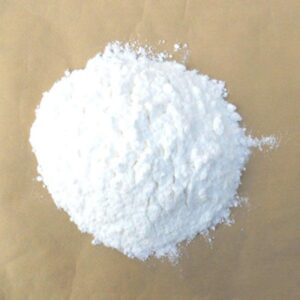
In Stock
Highlights:
AMMONIUM ZINC CHLORIDE – Advanced Flux & Multi-Purpose Industrial Chemical Solution
Professional Ammonium Zinc Chloride – High-Performance Soldering Flux, Metal Treatment Chemical, Galvanizing Agent, Battery Electrolyte & Specialized Industrial Compound for Electronics Manufacturing, Metal Finishing Operations, Electroplating Industries, Battery Production, Chemical Synthesis & Advanced Processing Applications
✅ Superior Flux Performance – Excellent Soldering Properties & Clean Joint Formation
✅ Multi-Industry Chemical – Outstanding Performance in Electronics, Galvanizing & Manufacturing
✅ Exceptional Conductivity – High Ionic Strength & Electrochemical Compatibility
✅ Versatile Applications – Flux, Galvanizing, Battery, Electroplating & Chemical Synthesis
✅ Quality Assured – Technical Standards & Safety Compliance Ensuring Reliable Performance
Description
Premium Ammonium Zinc Chloride Technology
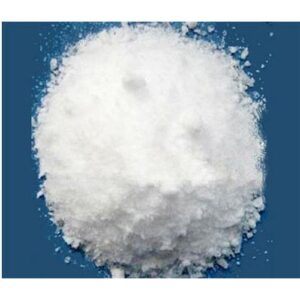
Ammonium zinc chloride, featuring complex ionic structure with molecular formula (NH4)2ZnCl4 and CAS number 14639-97-5, appearing as white crystalline solid with exceptional water solubility properties, outstanding ionic conductivity characteristics, and superior industrial compatibility across diverse applications, is a specialized inorganic compound with excellent flux properties, enhanced electrochemical performance, and superior functionality in soldering flux, galvanizing operations, battery electrolyte, and industrial processing applications. Ammonium zinc chloride ((NH4)2ZnCl4) is a white crystalline compound that is commonly used for a wide range of industrial, electronics, and chemical processing purposes. Ammonium zinc chloride is a complex compound that contains zinc and ammonium ions in chloride matrix. The compound is highly water-soluble and provides excellent ionic conductivity making it ideal for electrochemical applications. Ammonium zinc chloride is specifically processed to provide enhanced flux performance, improved galvanizing efficiency, and superior results in applications requiring effective metal treatment, reliable electrochemical processing, stable ionic behavior, and technical-grade performance in electronics manufacturing, metal finishing, battery production, and specialized industrial applications. The compound functions as one of the most effective flux agents available, being highly water soluble and providing excellent wetting properties, delivering broad-spectrum functionality, effective metal surface preparation, excellent chemical compatibility under processing conditions, and outstanding safety profile during handling and application. Ammonium zinc chloride represents one of the most versatile and essential zinc-bearing chemicals in modern electronics manufacturing, metal finishing, galvanizing operations, and industrial processing sectors, providing exceptional flux efficiency, superior electrochemical properties, excellent environmental compatibility, and outstanding regulatory compliance during manufacturing and application, making it essential for electronic soldering, metal surface treatment, galvanizing processes, battery manufacturing, and specialized applications requiring high-performance flux technology and regulatory approval with international safety standards.
At Chemicals & Process Equipment Limited, we supply advanced Ammonium Zinc Chloride manufactured under stringent quality control standards and international electronics, industrial, galvanizing, electroplating, and safety specifications. Our comprehensive product range includes various purity grades, particle sizes, and specialized formulations meeting diverse requirements for flux applications, galvanizing operations, battery manufacturing, electroplating processes, and specialized applications across global electronics, metal finishing, chemical, and industrial markets.
✅ Advanced Flux Technology – Optimized Metal Treatment & Cross-Industry Applications
✅ Consistent Quality Standards – Multiple Product Classifications with Comprehensive Documentation
✅ Essential Ionic Source – Superior Conductivity Properties, Safety Profile & Compatibility
✅ Multi-Industry Applications – Electronics, Galvanizing, Batteries, Electroplating, Chemical Manufacturing
✅ Technical Support Package – Complete Application Guidance & Performance Optimization
The global ammonium zinc chloride market was valued at approximately USD 180 million in 2023 and is projected to reach USD 265 million by 2030, growing at a CAGR of 5.8% during the forecast period. Market expansion is driven by increasing electronics manufacturing demand, growing galvanizing industry requirements, expanding battery production, and rising electroplating applications across multiple sectors.
Technical Specifications & Properties
| Property | Electronics Grade | Flux Grade | Galvanizing Grade | Battery Grade | Electroplating Grade | Technical Grade |
|---|---|---|---|---|---|---|
| (NH4)2ZnCl4 Content (%) | 99-99.8 | 96-98 | 94-97 | 98-99.5 | 97-99 | 92-96 |
| Zinc (Zn) Content (%) | 28-30 | 26-28 | 24-27 | 27-29 | 26-28 | 22-26 |
| Ammonium (NH4) Content (%) | 15-17 | 14-16 | 13-15 | 15-16 | 14-16 | 12-15 |
| Chloride (Cl) Content (%) | 48-52 | 46-50 | 44-48 | 47-51 | 46-50 | 42-48 |
| Water Content (%) | 0.1-0.5 | 0.5-2.0 | 1.0-3.0 | 0.2-1.0 | 0.5-1.5 | 2.0-5.0 |
| pH (5% solution) | 4.5-6.0 | 4.0-6.5 | 3.5-6.0 | 4.8-5.8 | 4.2-6.2 | 3.0-7.0 |
| Particle Size (mesh) | 80-200 | 40-100 | 20-80 | 60-150 | 50-120 | 10-60 |
| Water Solubility (g/100ml, 20°C) | 72-78 | 68-75 | 65-72 | 74-80 | 70-76 | 60-70 |
| Bulk Density (kg/m³) | 1200-1500 | 1100-1400 | 1000-1300 | 1250-1550 | 1150-1450 | 900-1200 |
| Tapped Density (kg/m³) | 1500-1900 | 1400-1800 | 1300-1700 | 1550-1950 | 1450-1850 | 1200-1600 |
| Dissolution Time (min) | 1-3 | 2-5 | 3-8 | 1-4 | 2-6 | 5-12 |
| Ionic Conductivity (mS/cm) | 85-95 | 75-85 | 65-80 | 88-98 | 78-88 | 55-75 |
| Flux Activity | Excellent | Excellent | Good | N/A | Good | Fair |
| Galvanizing Efficiency | N/A | Good | Excellent | N/A | Good | Good |
| Electrochemical Performance | Excellent | Good | Good | Excellent | Excellent | Fair |
| Heavy Metals (ppm) | <10 | <30 | <50 | <15 | <25 | <100 |
| Iron (Fe) Content (%) | <0.003 | <0.01 | <0.02 | <0.005 | <0.008 | <0.05 |
| Lead (Pb) Content (ppm) | <2 | <8 | <15 | <5 | <10 | <30 |
| Cadmium (Cd) Content (ppm) | <1 | <3 | <8 | <2 | <5 | <20 |
| Arsenic (As) Content (ppm) | <1 | <2 | <5 | <1.5 | <3 | <10 |
| Mercury (Hg) Content (ppm) | <0.2 | <0.5 | <1.5 | <0.3 | <0.8 | <3 |
| Copper (Cu) Content (ppm) | <5 | <15 | <30 | <8 | <20 | <50 |
| Nickel (Ni) Content (ppm) | <5 | <15 | <30 | <8 | <20 | <50 |
| Chromium (Cr) Content (ppm) | <5 | <15 | <30 | <8 | <20 | <50 |
| Aluminum (Al) Content (%) | <0.01 | <0.03 | <0.08 | <0.02 | <0.05 | <0.15 |
| Calcium (Ca) Content (%) | <0.02 | <0.05 | <0.15 | <0.03 | <0.08 | <0.25 |
| Magnesium (Mg) Content (%) | <0.02 | <0.05 | <0.15 | <0.03 | <0.08 | <0.25 |
| Potassium (K) Content (%) | <0.01 | <0.02 | <0.08 | <0.015 | <0.03 | <0.12 |
| Sodium (Na) Content (%) | <0.02 | <0.05 | <0.15 | <0.03 | <0.08 | <0.25 |
| Manganese (Mn) Content (ppm) | <8 | <20 | <50 | <12 | <25 | <80 |
| Sulfate (SO4) Content (%) | <0.005 | <0.02 | <0.08 | <0.01 | <0.03 | <0.15 |
| Nitrate (NO3) Content (%) | <0.002 | <0.01 | <0.03 | <0.005 | <0.015 | <0.08 |
| Phosphate (PO4) Content (%) | <0.001 | <0.005 | <0.02 | <0.002 | <0.008 | <0.05 |
| Insoluble Matter (%) | <0.02 | <0.05 | <0.15 | <0.03 | <0.08 | <0.25 |
| Free Acid (as HCl) (%) | <0.1 | <0.3 | <0.8 | <0.15 | <0.5 | <1.5 |
| Organic Matter (%) | <0.02 | <0.05 | <0.15 | <0.03 | <0.08 | <0.25 |
| Fineness (% through 100 mesh) | 95-100 | 90-100 | 85-98 | 92-100 | 88-98 | 75-90 |
| Whiteness Index | 90-98 | 85-95 | 80-90 | 88-96 | 82-92 | 70-85 |
| Color | Pure White | White | Off-White | White | Light Gray | Variable |
| Odor | Slight Ammonia | Mild Ammonia | Ammonia | Slight | Mild | Variable |
| Taste | Bitter | Bitter | Metallic | Bitter | Astringent | Metallic |
| Crystal Structure | Tetragonal | Variable | Variable | Tetragonal | Variable | Variable |
| Melting Point (°C) | 150 (decomp) | 150 | 150 | 150 | 150 | 150 |
| Decomposition Temp (°C) | 280 | 280 | 280 | 280 | 280 | 280 |
| Hygroscopic Nature | Moderate | Moderate | High | Low | Moderate | High |
| Thermal Stability | Good | Good | Fair | Good | Good | Fair |
| Chemical Compatibility | Excellent | Very Good | Good | Excellent | Very Good | Good |
| Storage Stability | Excellent | Good | Fair | Good | Good | Fair |
| Corrosion Inhibition | Good | Excellent | Good | Fair | Good | Fair |
| Wetting Properties | Excellent | Excellent | Good | Good | Good | Fair |
| Surface Tension (mN/m) | 45-55 | 40-50 | 35-45 | 48-58 | 42-52 | 30-50 |
| Electrical Resistivity (Ω·cm) | 0.8-1.2 | 1.0-1.8 | 1.5-2.5 | 0.7-1.1 | 1.2-2.0 | 2.0-4.0 |
| Flux Spread Test (mm) | 18-25 | 15-22 | 12-18 | N/A | 14-20 | 10-16 |
| Galvanic Compatibility | Excellent | Good | Excellent | Good | Excellent | Fair |
| Battery Performance | Excellent | N/A | N/A | Excellent | Good | N/A |
| Electronics Grade | USP/ACS | N/A | N/A | N/A | N/A | N/A |
| Soldering Temperature (°C) | 180-250 | 180-280 | N/A | N/A | 200-300 | N/A |
| Application Concentration (%) | 5-25 | 10-40 | 15-50 | 8-30 | 12-35 | 5-60 |
| Storage Temperature (°C) | 15-25 | 10-35 | 5-40 | 18-28 | 10-30 | 0-45 |
| Relative Humidity (%) | <60 | <70 | <75 | <65 | <70 | <80 |
| Shelf Life (years) | 3 | 5 | 5 | 2 | 3 | 5 |
| Regulatory Status | Electronics | Flux | Galvanizing | Battery | Electroplating | Technical |
Available Product Types:
- Electronics Grade for precision soldering and electronic manufacturing
- Flux Grade for metal joining and soldering applications
- Galvanizing Grade for hot-dip galvanizing and metal coating operations
- Battery Grade for electrolyte solutions and energy storage applications
- Electroplating Grade for metal finishing and surface treatment
- Technical Grade for industrial processing and chemical synthesis
- High Purity Grade for specialized electronic applications
- Anhydrous Grade for moisture-sensitive applications
- Solution Grade for liquid processing systems
- Reagent Grade for analytical and laboratory applications
- Custom Blends for specific industrial requirements
- Stabilized Grade for extended storage applications
- Marine Grade for corrosive environment applications
- Pharmaceutical Grade for specialized medical applications
- Custom Specifications for unique application requirements
Specialized Application Solutions:
- Electronic soldering process optimization and flux performance enhancement
- Galvanizing operation efficiency improvement and coating quality control
- Battery electrolyte formulation and performance optimization
- Electroplating process development and surface treatment enhancement
- Chemical synthesis pathway optimization and reaction control
- Corrosion protection system design and performance evaluation
- Quality control method development and analytical validation
- Regulatory compliance assistance and technical documentation
- Custom application development and performance testing
- Technical consultation and process optimization services
Electronics Manufacturing Applications
Precision Soldering Operations Electronics manufacturers utilize Electronics Grade Ammonium Zinc Chloride as high-performance flux for precision soldering, circuit board assembly, and electronic component joining. Soldering specialists employ ammonium zinc chloride for flux applications, joint quality enhancement, and manufacturing process optimization providing superior wetting properties, clean joint formation, and excellent soldering performance with typical application concentrations of 5-25% depending on soldering requirements and component specifications.
PCB Assembly Systems Circuit board manufacturers use Flux Grade Ammonium Zinc Chloride for printed circuit board assembly, surface mount technology, and electronic manufacturing processes. Electronics engineers employ ammonium zinc chloride for flux preparation, soldering enhancement, and manufacturing efficiency providing improved component adhesion, reduced void formation, and superior electronic assembly quality.
Component Manufacturing Electronic component producers utilize Electronics Grade Ammonium Zinc Chloride for semiconductor manufacturing, electronic device production, and precision assembly operations. Component specialists employ ammonium zinc chloride for surface preparation, joining processes, and quality enhancement providing enhanced conductivity, improved reliability, and superior component performance.
Microelectronics Applications Microelectronics manufacturers use High Purity Ammonium Zinc Chloride for miniaturized component assembly, precision soldering, and advanced electronic manufacturing. Microelectronics engineers employ ammonium zinc chloride for ultra-fine pitch soldering, component interconnection, and manufacturing precision providing exceptional joint quality, enhanced reliability, and superior microelectronic performance.
For detailed information about flux applications and soldering chemistry, this comprehensive guide to soldering flux for electronics applications provides extensive coverage of flux mechanisms, soldering processes, electronic manufacturing applications, and performance optimization techniques.
Metal Finishing Applications
Hot-Dip Galvanizing Operations Galvanizing companies utilize Galvanizing Grade Ammonium Zinc Chloride for hot-dip galvanizing processes, steel coating operations, and corrosion protection systems. Galvanizing specialists employ ammonium zinc chloride for flux preparation, metal surface conditioning, and coating quality enhancement providing superior zinc adhesion, uniform coating thickness, and excellent corrosion resistance.
Electroplating Systems Electroplating facilities use Electroplating Grade Ammonium Zinc Chloride for zinc electroplating, metal finishing, and surface treatment operations. Electroplating technicians employ ammonium zinc chloride for electrolyte preparation, plating efficiency improvement, and coating quality control providing enhanced current efficiency, uniform metal deposition, and superior surface finish quality.
Metal Surface Treatment Metal finishing companies utilize Technical Grade Ammonium Zinc Chloride for surface preparation, metal cleaning, and pre-treatment operations. Surface treatment specialists employ ammonium zinc chloride for oxide removal, surface activation, and coating preparation providing improved adhesion properties, enhanced coating durability, and superior metal finishing performance.
Corrosion Protection Systems Corrosion protection specialists use Galvanizing Grade Ammonium Zinc Chloride for protective coating applications, barrier layer formation, and long-term protection systems. Corrosion engineers employ ammonium zinc chloride for galvanic protection, sacrificial coating systems, and environmental protection providing effective corrosion inhibition, extended service life, and superior protection performance.
Battery Manufacturing Applications
Electrolyte Solutions Battery manufacturers utilize Battery Grade Ammonium Zinc Chloride for electrolyte formulations, energy storage systems, and electrochemical applications. Battery engineers employ ammonium zinc chloride for ionic conductivity enhancement, electrolyte optimization, and battery performance improvement providing superior conductivity, enhanced energy density, and excellent electrochemical stability.
Zinc-Carbon Battery Production Primary battery manufacturers use Battery Grade Ammonium Zinc Chloride for zinc-carbon battery electrolytes, dry cell applications, and portable power systems. Battery technologists employ ammonium zinc chloride for electrolyte preparation, performance optimization, and manufacturing efficiency providing improved discharge characteristics, enhanced shelf life, and superior battery performance.
Secondary Battery Systems Rechargeable battery producers utilize Battery Grade Ammonium Zinc Chloride for secondary battery applications, energy storage systems, and advanced electrochemical devices. Energy storage specialists employ ammonium zinc chloride for electrolyte development, cycling performance enhancement, and system optimization providing excellent reversibility, enhanced cycle life, and superior energy storage performance.
Specialty Battery Applications Specialty battery manufacturers use High Purity Ammonium Zinc Chloride for custom battery systems, specialized energy storage applications, and advanced electrochemical devices. Battery development engineers employ ammonium zinc chloride for electrolyte customization, performance enhancement, and application-specific optimization providing tailored performance characteristics, improved reliability, and superior specialty battery functionality.
Chemical Manufacturing Applications
Chemical Synthesis Operations Chemical manufacturers utilize Technical Grade Ammonium Zinc Chloride for chemical synthesis, intermediate production, and process chemistry applications. Chemical engineers employ ammonium zinc chloride for zinc salt production, catalyst preparation, and chemical transformation providing controlled reaction conditions, improved synthesis efficiency, and superior chemical processing performance.
Catalyst Preparation Catalyst manufacturers use Technical Grade Ammonium Zinc Chloride for catalyst synthesis, support preparation, and catalytic system development. Catalyst specialists employ ammonium zinc chloride for active site formation, catalyst modification, and performance enhancement providing improved catalytic activity, enhanced selectivity, and superior catalyst performance.
Analytical Chemistry Analytical laboratories utilize Reagent Grade Ammonium Zinc Chloride for analytical procedures, standard preparation, and quality control testing. Analytical chemists employ ammonium zinc chloride for reference standards, analytical methods, and measurement procedures providing accurate analytical results, reliable measurements, and superior analytical performance.
Research Applications Research facilities use High Purity Ammonium Zinc Chloride for research studies, material development, and scientific investigations. Research scientists employ ammonium zinc chloride for experimental procedures, material synthesis, and fundamental studies providing reliable research data, consistent results, and superior research outcomes.
Specialty Applications
Textile Processing Textile manufacturers utilize Technical Grade Ammonium Zinc Chloride for fabric processing, dyeing operations, and textile finishing applications. Textile technologists employ ammonium zinc chloride for mordanting, color fastness improvement, and fabric treatment providing enhanced dye uptake, improved color stability, and superior textile processing results.
Water Treatment Systems Water treatment facilities use Technical Grade Ammonium Zinc Chloride for water conditioning, coagulation processes, and treatment enhancement applications. Water treatment engineers employ ammonium zinc chloride for phosphate removal, algae control, and water quality improvement providing effective treatment performance, enhanced clarity, and superior water quality management.
Wood Preservation Wood treatment companies utilize Technical Grade Ammonium Zinc Chloride for wood preservation, fungicide applications, and timber protection systems. Wood preservation specialists employ ammonium zinc chloride for decay prevention, fungal control, and wood protection providing enhanced wood durability, improved preservation effectiveness, and superior wood treatment performance.
Photography Applications Photographic chemical suppliers use Technical Grade Ammonium Zinc Chloride for photographic processing, developer solutions, and image enhancement applications. Photography specialists employ ammonium zinc chloride for image development, contrast enhancement, and photographic chemistry providing improved image quality, enhanced contrast, and superior photographic processing results.
Quality Control & Testing
Comprehensive Quality Assurance Every production batch undergoes extensive testing to ensure compliance with ammonium zinc chloride standards, electronics requirements, galvanizing specifications, and international quality standards. Our quality control laboratory employs advanced analytical techniques including atomic absorption spectroscopy, ion chromatography, and comprehensive performance evaluation.
Quality assurance procedures include:
- (NH4)2ZnCl4 content determination using gravimetric analysis
- Zinc content testing using atomic absorption spectroscopy
- Ammonium analysis using Kjeldahl method
- Chloride determination using potentiometric titration
- Water content measurement using Karl Fischer titration
- pH measurement using calibrated electrode systems
- Particle size analysis using sieve analysis techniques
- Water solubility testing using dissolution procedures
- Bulk density determination using standardized methods
- Tapped density measurement using tap density apparatus
- Dissolution time testing using stirred vessel methods
- Ionic conductivity measurement using conductivity meters
- Flux activity evaluation using spread testing
- Galvanizing efficiency assessment using coating tests
- Electrochemical performance testing using cell analysis
- Heavy metals analysis using ICP-MS techniques
- Iron content testing using atomic absorption spectroscopy
- Lead determination using graphite furnace methods
- Cadmium analysis using electrothermal atomization
- Arsenic testing using hydride generation
- Mercury determination using cold vapor techniques
- Copper analysis using atomic absorption procedures
- Nickel testing using ICP-OES methods
- Chromium determination using atomic absorption spectroscopy
- Aluminum analysis using ICP-OES techniques
- Calcium testing using complexometric titration
- Magnesium determination using atomic absorption methods
- Potassium analysis using flame photometry
- Sodium testing using flame emission spectroscopy
- Manganese determination using atomic absorption procedures
- Sulfate analysis using ion chromatography
- Nitrate testing using spectrophotometric methods
- Phosphate determination using colorimetric analysis
- Insoluble matter testing using filtration procedures
- Free acid analysis using acid-base titration
- Organic matter determination using oxidation methods
- Fineness testing using sieve analysis procedures
- Whiteness index measurement using spectrophotometry
- Color assessment using visual comparison standards
- Odor evaluation using sensory analysis methods
- Taste testing using organoleptic procedures
- Crystal structure analysis using X-ray diffraction
- Melting point determination using thermal analysis
- Decomposition temperature testing using thermogravimetry
- Hygroscopic nature evaluation using moisture absorption testing
- Thermal stability assessment using differential thermal analysis
- Chemical compatibility testing using stability studies
- Storage stability evaluation using accelerated aging protocols
- Corrosion inhibition testing using electrochemical methods
- Wetting properties evaluation using contact angle measurement
- Surface tension determination using pendant drop method
- Electrical resistivity measurement using conductivity bridge
- Flux spread testing using standardized procedures
- Galvanic compatibility assessment using electrochemical analysis
- Battery performance evaluation using charge-discharge testing
Storage & Handling Procedures Implement proper storage conditions including controlled humidity and temperature, protection from moisture absorption and contamination, appropriate industrial-grade packaging materials, segregation from incompatible substances, and comprehensive safety procedures for maintaining Ammonium Zinc Chloride quality and ensuring safe handling throughout storage and application periods.
Environmental & Regulatory Compliance
Electronics Standards Electronics Grade Ammonium Zinc Chloride complies with electronic manufacturing regulations, RoHS directives, and international electronics standards ensuring safe use in electronic applications with established environmental compatibility and comprehensive ecological assessments for manufacturing operations.
Industrial Safety Standards All grades adhere to industrial safety regulations, chemical handling standards, and workplace safety requirements ensuring appropriate use in industrial applications with established safety protocols and regulatory compliance for manufacturing operations.
Galvanizing Standards Galvanizing Grade Ammonium Zinc Chloride meets galvanizing industry standards, coating specifications, and international galvanizing directives ensuring safe use in metal finishing applications with established quality criteria and regulatory compliance for coating operations.
Battery Standards Battery Grade Ammonium Zinc Chloride complies with battery industry regulations, electrochemical safety standards, and international battery directives ensuring safe use in energy storage applications with established performance criteria and regulatory compliance for battery manufacturing.
Performance Advantages & Benefits
✔ Superior Flux Properties – Excellent wetting and spreading characteristics
✔ Outstanding Conductivity – High ionic strength and electrochemical performance
✔ Industrial Versatility – Technical compliance across multiple industry applications
✔ Chemical Stability – Stable performance under various processing conditions
✔ Multiple Applications – Suitable for electronics, galvanizing, batteries, and industry
✔ Electrochemical Excellence – Superior performance in electrochemical systems
✔ Processing Efficiency – Easy handling and excellent manufacturing compatibility
✔ Performance Enhancement – Improved results in flux and galvanizing applications
✔ Quality Consistency – Uniform performance across production batches
✔ Regulatory Compliance – Approved for electronics, industrial, and chemical use
✔ Cost Effectiveness – Economic solution with superior performance characteristics
✔ Storage Stability – Extended shelf life under proper storage conditions
✔ Global Availability – Reliable supply chains and worldwide distribution networks
✔ Technical Versatility – Multiple grade options and processing compatibility
✔ Technical Support – Complete application guidance and optimization services
Our Ammonium Zinc Chloride products represent industry-leading standards in flux technology and multi-industry performance solutions, specifically manufactured for demanding electronics applications, galvanizing systems, battery manufacturing, and advanced industrial operations requiring exceptional ionic conductivity characteristics, reliable flux performance, and comprehensive regulatory compliance. We provide complete technical support, application guidance, and performance consultation to ensure optimal results across your specialized electronics, galvanizing, battery, or industrial processing applications.
For detailed specifications, technical data sheets, or application-specific recommendations, contact our specialized ammonium zinc chloride division. We offer complete support including product selection, application optimization, compatibility testing, regulatory guidance, performance monitoring, and technical assistance to maximize effectiveness in your electronics, galvanizing, battery, or industrial processing applications.
For more information about our products, feel free to Contact Us today.
Related products
Recently Viewed
Reviews
There are no reviews yet.