
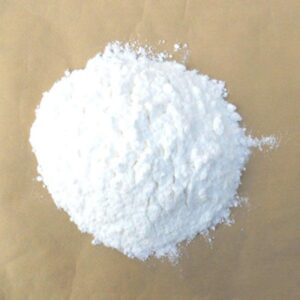
Ammonium Polyphosphate APP
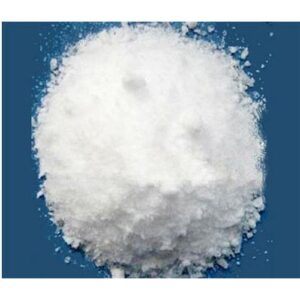
In Stock
Highlights:
AMMONIUM POLYPHOSPHATE APP – Advanced Intumescent Flame Retardant & Fire Safety Chemical Solution
Professional Ammonium Polyphosphate – High-Performance Flame Retardant, Intumescent Fire Protection, Polymer Additive, Coating Enhancement, Textile Treatment & Specialized Industrial Compound for Plastics Manufacturing, Paint Formulations, Foam Production, Textile Processing, Wire & Cable Applications & Advanced Fire Safety Systems
✅ Superior Flame Retardancy – Excellent Fire Protection & Intumescent Char Formation
✅ Multi-Industry Solution – Outstanding Performance in Polymers, Coatings & Textiles
✅ Exceptional Safety Profile – Non-Halogenated & Environmentally Friendly Formula
✅ Versatile Applications – Plastics, Paints, Foams, Textiles & Fire Protection Systems
✅ Quality Certified – Technical Standards & Regulatory Compliance for Global Markets
Description
Premium Flame Retardant Technology
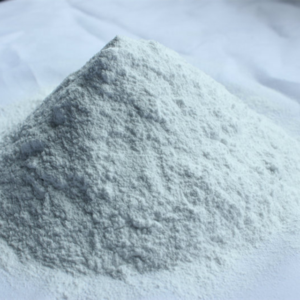
Ammonium polyphosphate, featuring complex polymer structure with general formula (NH4PO3)n and CAS number 68333-79-9, appearing as white crystalline powder with exceptional thermal stability properties, outstanding intumescent characteristics, and superior flame retardant compatibility across diverse applications, is a specialized phosphorus-nitrogen compound with excellent fire protection properties, enhanced char formation capability, and superior functionality in polymer flame retardancy, intumescent coatings, textile fire treatment, and industrial fire safety applications. Ammonium polyphosphate (APP) is a white crystalline compound that is commonly used for a wide range of flame retardant, fire protection, and safety enhancement purposes. Ammonium polyphosphate is a complex polymer that contains phosphorus and nitrogen elements in polymeric chain structure. The compound exhibits excellent thermal decomposition behavior and provides superior intumescent properties making it ideal for fire safety applications. Ammonium polyphosphate is specifically processed to provide enhanced flame retardant performance, improved fire protection efficiency, and superior results in applications requiring effective fire suppression, reliable thermal protection, stable char formation, and technical-grade performance in polymer processing, coating formulations, foam manufacturing, and specialized fire safety applications. The compound functions as one of the most effective flame retardants available, being environmentally friendly and providing excellent intumescent properties, delivering broad-spectrum fire protection, effective thermal barrier formation, excellent polymer compatibility under processing conditions, and outstanding safety profile during handling and application. Ammonium polyphosphate represents one of the most versatile and essential flame retardant chemicals in modern polymer manufacturing, coating industries, textile processing, and fire safety sectors, providing exceptional flame retardant efficiency, superior intumescent properties, excellent environmental compatibility, and outstanding regulatory compliance during manufacturing and application, making it essential for polymer flame retardancy, intumescent coatings, textile fire protection, foam fire safety, and specialized applications requiring high-performance flame retardant technology and regulatory approval with international safety standards.
At Chemicals & Process Equipment Limited, we supply advanced Ammonium Polyphosphate manufactured under stringent quality control standards and international flame retardant, fire safety, polymer processing, coating, and safety specifications. Our comprehensive product range includes various molecular weights, particle sizes, and specialized formulations meeting diverse requirements for flame retardant applications, intumescent systems, coating formulations, textile treatments, and specialized applications across global polymer, coating, textile, and fire safety markets.
✅ Advanced Fire Protection – Optimized Flame Retardancy & Multi-Industry Applications
✅ Consistent Quality Standards – Multiple Product Classifications with Comprehensive Documentation
✅ Essential Safety Enhancement – Superior Fire Protection Properties & Environmental Compatibility
✅ Multi-Industry Applications – Polymers, Coatings, Textiles, Foams, Fire Safety Systems
✅ Technical Support Package – Complete Application Guidance & Performance Optimization
The global ammonium polyphosphate market was valued at approximately USD 950 million in 2023 and is projected to reach USD 1.45 billion by 2030, growing at a CAGR of 6.2% during the forecast period. Market expansion is driven by increasing fire safety regulations, growing polymer manufacturing demand, expanding coating applications, and rising textile fire protection requirements across multiple sectors.
Technical Specifications & Properties
| Property | Form I Grade | Form II Grade | Coating Grade | Polymer Grade | Textile Grade | Technical Grade |
|---|---|---|---|---|---|---|
| (NH4PO3)n Content (%) | 99-99.8 | 98-99.5 | 96-98 | 97-99 | 94-97 | 92-96 |
| Phosphorus (P) Content (%) | 31-33 | 30-32 | 29-31 | 30-32 | 28-30 | 26-30 |
| Nitrogen (N) Content (%) | 14-16 | 13-15 | 12-14 | 13-15 | 11-13 | 10-14 |
| Polymerization Degree (n) | >1000 | 20-100 | 100-500 | 200-800 | 50-300 | 20-200 |
| Water Content (%) | 0.1-0.5 | 0.2-0.8 | 0.5-1.5 | 0.3-1.0 | 0.8-2.0 | 1.0-3.0 |
| pH (10% solution) | 5.5-7.0 | 5.0-6.8 | 4.8-6.5 | 5.2-6.8 | 4.5-6.2 | 4.0-7.0 |
| Particle Size (μm) | 15-25 | 10-20 | 5-15 | 8-18 | 12-22 | 20-40 |
| Water Solubility (g/100ml, 25°C) | <0.5 | 2-8 | 1-5 | <1.0 | 3-12 | 5-20 |
| Bulk Density (kg/m³) | 700-900 | 650-850 | 600-800 | 680-880 | 620-820 | 550-750 |
| Tapped Density (kg/m³) | 900-1200 | 850-1150 | 800-1100 | 880-1180 | 820-1120 | 750-1050 |
| Decomposition Temperature (°C) | 275-300 | 240-270 | 250-280 | 260-290 | 230-260 | 200-280 |
| Initial Decomposition (°C) | 240-260 | 200-230 | 220-250 | 230-260 | 190-220 | 180-240 |
| Thermal Stability (°C) | 200-240 | 180-220 | 190-230 | 200-240 | 170-210 | 150-200 |
| LOI Enhancement (%) | 25-35 | 20-30 | 22-32 | 24-34 | 18-28 | 15-25 |
| UL94 Rating | V-0 | V-1/V-0 | V-1 | V-0 | V-2/V-1 | V-2 |
| Char Yield (%, 600°C) | 35-45 | 30-40 | 32-42 | 34-44 | 28-38 | 25-35 |
| Intumescent Factor | 15-25 | 8-15 | 10-18 | 12-22 | 6-12 | 4-10 |
| Viscosity (mPa·s, 10%) | 50-150 | 10-50 | 20-80 | 30-120 | 8-40 | 5-30 |
| Heavy Metals (ppm) | <10 | <20 | <30 | <15 | <40 | <60 |
| Iron (Fe) Content (%) | <0.005 | <0.01 | <0.02 | <0.008 | <0.03 | <0.05 |
| Lead (Pb) Content (ppm) | <2 | <5 | <10 | <3 | <15 | <25 |
| Cadmium (Cd) Content (ppm) | <1 | <2 | <5 | <1.5 | <8 | <15 |
| Arsenic (As) Content (ppm) | <1 | <2 | <4 | <1.5 | <6 | <10 |
| Mercury (Hg) Content (ppm) | <0.1 | <0.3 | <0.8 | <0.2 | <1.2 | <2.0 |
| Copper (Cu) Content (ppm) | <5 | <10 | <20 | <8 | <30 | <50 |
| Aluminum (Al) Content (%) | <0.01 | <0.02 | <0.05 | <0.015 | <0.08 | <0.12 |
| Calcium (Ca) Content (%) | <0.02 | <0.05 | <0.1 | <0.03 | <0.15 | <0.25 |
| Magnesium (Mg) Content (%) | <0.01 | <0.03 | <0.08 | <0.02 | <0.12 | <0.2 |
| Potassium (K) Content (%) | <0.005 | <0.01 | <0.03 | <0.008 | <0.05 | <0.08 |
| Sodium (Na) Content (%) | <0.01 | <0.02 | <0.06 | <0.015 | <0.1 | <0.15 |
| Chloride (Cl) Content (%) | <0.005 | <0.01 | <0.02 | <0.008 | <0.03 | <0.05 |
| Sulfate (SO4) Content (%) | <0.005 | <0.01 | <0.03 | <0.008 | <0.05 | <0.08 |
| Fluoride (F) Content (ppm) | <10 | <20 | <50 | <15 | <80 | <120 |
| Insoluble Matter (%) | <0.1 | <0.2 | <0.5 | <0.15 | <0.8 | <1.2 |
| Free Acid (%) | <0.05 | <0.1 | <0.2 | <0.08 | <0.3 | <0.5 |
| Organic Matter (%) | <0.02 | <0.05 | <0.1 | <0.03 | <0.15 | <0.25 |
| Fineness (% through 325 mesh) | 95-100 | 90-98 | 85-95 | 92-100 | 80-95 | 75-90 |
| Whiteness Index | 90-98 | 85-95 | 80-90 | 88-96 | 75-88 | 70-85 |
| Color | Pure White | White | Off-White | White | Light Gray | Variable |
| Odor | Slight Ammonia | Mild Ammonia | Ammonia | Slight | Mild | Variable |
| Crystal Structure | Amorphous | Crystalline | Variable | Mixed | Variable | Variable |
| Specific Surface Area (m²/g) | 5-15 | 8-20 | 15-30 | 10-25 | 20-40 | 10-50 |
| Oil Absorption (ml/100g) | 25-40 | 30-50 | 40-65 | 35-55 | 50-80 | 40-90 |
| Refractive Index | 1.52-1.58 | 1.50-1.56 | 1.48-1.54 | 1.51-1.57 | 1.47-1.53 | 1.45-1.55 |
| Hardness (Mohs) | 2-3 | 2-3 | 2-3 | 2-3 | 2-3 | 2-3 |
| Thermal Conductivity (W/m·K) | 0.2-0.4 | 0.3-0.5 | 0.4-0.6 | 0.25-0.45 | 0.35-0.55 | 0.3-0.7 |
| Electrical Resistivity (Ω·cm) | 10¹²-10¹⁴ | 10¹¹-10¹³ | 10¹⁰-10¹² | 10¹¹-10¹³ | 10⁹-10¹¹ | 10⁸-10¹² |
| Flame Retardant Efficiency | Excellent | Very Good | Good | Excellent | Good | Fair |
| Intumescent Performance | Excellent | Good | Very Good | Excellent | Fair | Fair |
| Polymer Compatibility | Excellent | Good | Very Good | Excellent | Good | Good |
| Coating Compatibility | Good | Very Good | Excellent | Good | Good | Fair |
| Processing Temperature (°C) | 160-200 | 140-180 | 150-190 | 160-200 | 130-170 | 120-180 |
| Application Loading (%) | 15-30 | 10-25 | 12-28 | 18-35 | 8-20 | 5-40 |
| Storage Temperature (°C) | 10-30 | 5-35 | 0-40 | 15-30 | 0-35 | -5-45 |
| Relative Humidity (%) | <60 | <70 | <75 | <65 | <80 | <85 |
| Shelf Life (years) | 5 | 5 | 3 | 5 | 3 | 5 |
| Regulatory Status | Form I | Form II | Coatings | Polymers | Textiles | Technical |
Available Product Types:
- Form I Grade for high-performance flame retardant applications and premium polymers
- Form II Grade for standard flame retardant systems and general polymer applications
- Coating Grade for intumescent paints, protective coatings, and fire-resistant systems
- Polymer Grade for thermoplastics, thermosets, and composite flame retardancy
- Textile Grade for fabric treatment, fiber processing, and textile fire protection
- Technical Grade for industrial applications and specialized fire safety systems
- High Molecular Weight Grade for enhanced char formation and superior performance
- Low Solubility Grade for moisture-resistant applications and outdoor exposure
- Micronized Grade for high-performance systems and uniform dispersion
- Surface Modified Grade for improved polymer compatibility and processing
- Custom Formulations for specific application requirements and performance targets
- Stabilized Grade for enhanced thermal stability and processing conditions
- Marine Grade for harsh environment applications and corrosion resistance
- Food Contact Grade for food packaging and consumer product applications
- Custom Specifications for unique flame retardant system requirements
Specialized Application Solutions:
- Flame retardant system optimization and fire protection enhancement
- Intumescent coating formulation and performance development
- Polymer processing optimization and compatibility improvement
- Textile treatment development and fire safety enhancement
- Foam fire protection system design and performance evaluation
- Quality control method development and analytical validation
- Regulatory compliance assistance and technical documentation
- Custom application development and performance testing
- Technical consultation and flame retardant system optimization
- Fire safety assessment and protection system design services
Polymer Manufacturing Applications
Thermoplastic Flame Retardancy Polymer manufacturers utilize Form I Grade Ammonium Polyphosphate as high-performance flame retardant for thermoplastic processing, injection molding, and polymer compounding. Plastic specialists employ ammonium polyphosphate for flame retardant systems, fire protection enhancement, and polymer processing optimization providing superior flame retardancy, excellent char formation, and outstanding fire protection performance with typical application loadings of 15-30% depending on polymer type and fire safety requirements.
Thermoset Applications Composite manufacturers use Polymer Grade Ammonium Polyphosphate for thermoset processing, fiber reinforced plastics, and composite flame retardancy. Composite engineers employ ammonium polyphosphate for resin modification, fire protection systems, and processing enhancement providing improved fire resistance, enhanced char formation, and superior composite fire safety performance.
Polyurethane Foam Systems Foam manufacturers utilize Technical Grade Ammonium Polyphosphate for flexible foam, rigid foam, and specialty foam applications. Foam specialists employ ammonium polyphosphate for intumescent systems, fire protection enhancement, and foam processing providing superior flame retardancy, excellent intumescent properties, and outstanding foam fire safety performance.
Wire & Cable Applications Cable manufacturers use Form I Grade Ammonium Polyphosphate for wire insulation, cable jacketing, and electrical component flame retardancy. Electrical engineers employ ammonium polyphosphate for flame retardant compounding, fire safety enhancement, and electrical performance providing superior fire protection, excellent electrical properties, and enhanced cable fire safety performance.
For comprehensive information about intumescent flame retardant mechanisms and polymer applications, this detailed review of ammonium polyphosphate flame retardant systems provides extensive coverage of APP chemistry, intumescent mechanisms, polymer compatibility, and fire protection optimization techniques.
Coating Applications
Intumescent Paint Systems Paint manufacturers utilize Coating Grade Ammonium Polyphosphate for intumescent paints, fire-resistant coatings, and protective coating systems. Paint formulators employ ammonium polyphosphate for char formation enhancement, fire protection development, and coating performance providing superior intumescent properties, excellent fire barrier formation, and outstanding protective coating performance.
Structural Fire Protection Fire protection companies use Coating Grade Ammonium Polyphosphate for structural coatings, steel protection, and building fire safety systems. Fire protection engineers employ ammonium polyphosphate for intumescent coating systems, thermal barrier formation, and structural protection providing effective fire resistance, enhanced thermal protection, and superior structural fire safety performance.
Marine Coatings Marine coating manufacturers utilize Marine Grade Ammonium Polyphosphate for ship coatings, offshore platform protection, and marine fire safety systems. Marine engineers employ ammonium polyphosphate for fire-resistant coatings, corrosion protection, and environmental durability providing superior fire protection, excellent environmental resistance, and outstanding marine coating performance.
Industrial Coatings Industrial coating companies use Technical Grade Ammonium Polyphosphate for equipment coatings, pipeline protection, and industrial fire safety applications. Industrial engineers employ ammonium polyphosphate for protective coating systems, fire barrier formation, and equipment protection providing effective industrial fire protection, enhanced coating durability, and superior industrial safety performance.
Textile Applications
Fabric Fire Treatment Textile manufacturers utilize Textile Grade Ammonium Polyphosphate for fabric flame retardancy, fiber processing, and textile fire protection. Textile engineers employ ammonium polyphosphate for flame retardant finishing, fabric treatment, and fire safety enhancement providing superior textile flame retardancy, excellent wash fastness, and outstanding textile fire protection performance.
Carpet & Upholstery Carpet manufacturers use Textile Grade Ammonium Polyphosphate for carpet backing, upholstery foam, and furnishing fire safety. Textile specialists employ ammonium polyphosphate for flame retardant systems, fire protection enhancement, and textile processing providing improved fire resistance, enhanced safety compliance, and superior textile fire safety performance.
Technical Textiles Technical textile producers utilize Form II Grade Ammonium Polyphosphate for protective clothing, industrial textiles, and specialized fabric applications. Technical textile engineers employ ammonium polyphosphate for high-performance flame retardancy, protective systems, and advanced textile applications providing superior fire protection, excellent performance characteristics, and outstanding technical textile functionality.
Nonwoven Applications Nonwoven manufacturers use Technical Grade Ammonium Polyphosphate for nonwoven flame retardancy, filtration media, and specialty nonwoven applications. Nonwoven specialists employ ammonium polyphosphate for fire safety enhancement, performance improvement, and application optimization providing effective flame retardancy, enhanced safety properties, and superior nonwoven fire protection performance.
Building Materials Applications
Insulation Systems Insulation manufacturers utilize Technical Grade Ammonium Polyphosphate for foam insulation, fiber insulation, and building fire safety systems. Building specialists employ ammonium polyphosphate for fire resistance enhancement, thermal protection, and building safety providing superior fire protection, excellent thermal insulation, and outstanding building fire safety performance.
Composite Panels Panel manufacturers use Form I Grade Ammonium Polyphosphate for composite panels, sandwich structures, and architectural fire safety. Construction engineers employ ammonium polyphosphate for panel flame retardancy, fire protection systems, and structural enhancement providing improved fire resistance, enhanced safety compliance, and superior panel fire protection performance.
Sealants & Adhesives Sealant manufacturers utilize Technical Grade Ammonium Polyphosphate for fire-resistant sealants, structural adhesives, and building protection systems. Construction specialists employ ammonium polyphosphate for fire barrier systems, joint protection, and construction fire safety providing effective fire resistance, enhanced structural protection, and superior construction fire safety performance.
Roofing Materials Roofing manufacturers use Technical Grade Ammonium Polyphosphate for roofing membranes, insulation boards, and roof fire protection systems. Roofing engineers employ ammonium polyphosphate for fire resistance enhancement, thermal protection, and roofing safety providing superior fire protection, excellent weather resistance, and outstanding roofing fire safety performance.
Electronics Applications
Circuit Board Manufacturing Electronics manufacturers utilize Form I Grade Ammonium Polyphosphate for printed circuit boards, electronic assemblies, and component fire safety. Electronics engineers employ ammonium polyphosphate for flame retardant systems, fire protection enhancement, and electronic safety providing superior electronics fire protection, excellent processing compatibility, and outstanding electronic fire safety performance.
Encapsulation Materials Electronics companies use Polymer Grade Ammonium Polyphosphate for potting compounds, encapsulation materials, and electronic protection systems. Electronics specialists employ ammonium polyphosphate for flame retardant enhancement, fire protection systems, and electronic durability providing improved fire resistance, enhanced protection properties, and superior electronic fire safety performance.
Cable & Connector Systems Connector manufacturers utilize Technical Grade Ammonium Polyphosphate for connector housings, cable assemblies, and electronic component fire safety. Electronics engineers employ ammonium polyphosphate for flame retardant systems, fire protection enhancement, and connector safety providing effective fire protection, enhanced electrical properties, and superior connector fire safety performance.
Consumer Electronics Consumer electronics manufacturers use Form II Grade Ammonium Polyphosphate for device housings, internal components, and consumer product fire safety. Product engineers employ ammonium polyphosphate for flame retardant enhancement, safety compliance, and product protection providing superior consumer fire safety, excellent regulatory compliance, and outstanding product fire protection performance.
Quality Control & Testing
Comprehensive Quality Assurance Every production batch undergoes extensive testing to ensure compliance with ammonium polyphosphate standards, flame retardant requirements, fire safety specifications, and international quality standards. Our quality control laboratory employs advanced analytical techniques including thermal analysis, spectroscopy, and comprehensive flame retardant performance evaluation.
Quality assurance procedures include:
- (NH4PO3)n content determination using phosphorus analysis
- Phosphorus content testing using ICP-OES spectroscopy
- Nitrogen analysis using elemental analysis methods
- Polymerization degree measurement using viscometry
- Water content determination using Karl Fischer titration
- pH measurement using calibrated electrode systems
- Particle size analysis using laser diffraction techniques
- Water solubility testing using dissolution procedures
- Bulk density determination using standardized methods
- Decomposition temperature measurement using TGA analysis
- Thermal stability testing using DSC techniques
- LOI enhancement evaluation using oxygen index testing
- UL94 rating assessment using vertical burning tests
- Char yield determination using thermogravimetric analysis
- Intumescent factor measurement using expansion testing
- Heavy metals analysis using ICP-MS techniques
- Impurity testing using comprehensive analytical methods
- Fineness evaluation using sieve analysis procedures
- Color assessment using spectrophotometric methods
- Flame retardant efficiency testing using cone calorimetry
- Thermal decomposition analysis using evolved gas analysis
- Polymer compatibility testing using processing trials
- Coating compatibility assessment using formulation studies
- Processing performance evaluation using application testing
Storage & Handling Procedures Implement proper storage conditions including controlled humidity and temperature, protection from moisture absorption and contamination, appropriate flame retardant-grade packaging materials, segregation from incompatible substances, and comprehensive safety procedures for maintaining Ammonium Polyphosphate quality and ensuring safe handling throughout storage and application periods.
Environmental & Regulatory Compliance
Fire Safety Standards Ammonium Polyphosphate complies with international fire safety regulations, flame retardant standards, and building code requirements ensuring safe use in fire protection applications with established safety protocols and comprehensive fire safety assessments for protection operations.
Polymer Standards All grades adhere to polymer processing regulations, plastic safety standards, and manufacturing requirements ensuring appropriate use in polymer applications with established processing protocols and regulatory compliance for manufacturing operations.
Coating Standards Coating Grade Ammonium Polyphosphate meets coating industry standards, paint specifications, and international coating directives ensuring safe use in protective coating applications with established quality criteria and regulatory compliance for coating operations.
Environmental Safety Ammonium Polyphosphate demonstrates excellent environmental compatibility with non-halogenated formulation, biodegradable characteristics, and minimal environmental impact ensuring sustainable use in fire protection applications with established environmental safety protocols.
Performance Advantages & Benefits
✔ Superior Flame Retardancy – Excellent fire protection and intumescent properties
✔ Outstanding Safety Profile – Non-halogenated and environmentally friendly
✔ Industrial Versatility – Technical compliance across multiple fire safety applications
✔ Thermal Stability – Stable performance under various processing conditions
✔ Multiple Applications – Suitable for polymers, coatings, textiles, and fire safety
✔ Intumescent Excellence – Superior char formation and thermal barrier properties
✔ Processing Efficiency – Easy handling and excellent manufacturing compatibility
✔ Fire Protection Enhancement – Improved results in flame retardant applications
✔ Quality Consistency – Uniform performance across production batches
✔ Regulatory Compliance – Approved for fire safety, polymer, and coating use
✔ Cost Effectiveness – Economic solution with superior fire protection characteristics
✔ Storage Stability – Extended shelf life under proper storage conditions
✔ Global Availability – Reliable supply chains and worldwide distribution networks
✔ Technical Versatility – Multiple grade options and processing compatibility
✔ Technical Support – Complete application guidance and optimization services
Our Ammonium Polyphosphate products represent industry-leading standards in flame retardant technology and fire safety solutions, specifically manufactured for demanding polymer applications, coating systems, textile processing, and advanced fire protection operations requiring exceptional flame retardant characteristics, reliable fire protection performance, and comprehensive regulatory compliance. We provide complete technical support, application guidance, and performance consultation to ensure optimal results across your specialized polymer, coating, textile, or fire safety applications.
For detailed specifications, technical data sheets, or application-specific recommendations, contact our specialized ammonium polyphosphate division. We offer complete support including product selection, application optimization, compatibility testing, regulatory guidance, performance monitoring, and technical assistance to maximize effectiveness in your polymer, coating, textile, or fire safety applications.
For more information about our products, feel free to Contact Us today.
Related products
Recently Viewed
Featured
Featured
Featured
Reviews
There are no reviews yet.