
ALUMINUM SULFATE (NON-FERRIC / NON-FERROUS)
In Stock
Highlights:
ALUMINUM SULFATE (NON-FERRIC / NON-FERROUS)
Premium Quality Aluminum Sulfate Non-Ferric/Non-Ferrous – High-Efficiency Aluminum-Based Coagulant & Advanced Inorganic Flocculant for Water Treatment, Municipal Systems, Industrial Applications & Drinking Water Processing
✅ Premium Iron-Free Coagulant – Superior Turbidity & Particle Removal Without Iron Contamination
✅ High Purity Formula – Non-Ferric/Non-Ferrous Specifications for Critical Applications
✅ Excellent Performance Properties – Wide pH Range Effectiveness, Low Residual Aluminum, Superior Results
✅ Multi-Application Compatible – Enhanced Drinking Water Treatment, Municipal Systems, Industrial Processing & Paper Manufacturing
✅ Quality Assured – Established Performance Guidelines Supporting Optimal Coagulation Results
Description
High-Quality Aluminum Sulfate (Non-Ferric/Non-Ferrous)
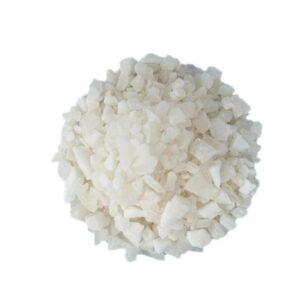
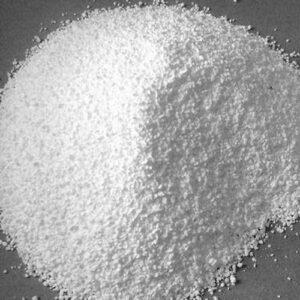
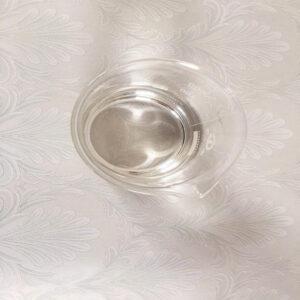
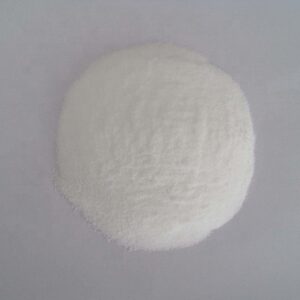
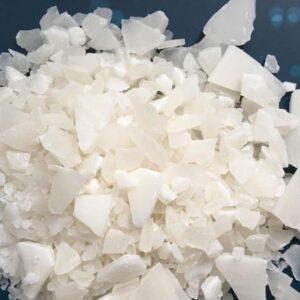
Aluminum Sulfate (Non-Ferric/Non-Ferrous), with chemical formula Al₂(SO₄)₃·14-18H₂O and CAS number 10043-01-3 for anhydrous form, containing high-purity aluminum sulfate without iron contamination, is a specialized high-performance aluminum-based coagulant appearing as white to off-white crystalline solid or liquid solution with excellent solubility and outstanding coagulation properties. Non-ferric/non-ferrous aluminum sulfate is specifically manufactured to contain minimal iron content (typically <0.75% Fe₂O₃), making it ideal for applications where iron contamination must be avoided, such as drinking water treatment, paper manufacturing, and food-grade applications. The compound works through charge neutralization and sweep flocculation mechanisms, where aluminum ions hydrolyze in water to form positively charged aluminum hydroxide species that neutralize negatively charged particles and form large, settleable flocs. Aluminum Sulfate (Non-Ferric/Non-Ferrous) represents one of the most widely used and cost-effective coagulants in the water treatment industry, providing exceptional turbidity removal, superior color reduction, excellent suspended solids elimination, and outstanding pH buffering capacity, making it essential for municipal drinking water plants, industrial water treatment, paper manufacturing facilities, wastewater treatment operations, and specialized applications requiring high-performance coagulation characteristics and iron-free water quality.
At Chemicals & Process Equipment Limited, we supply high-performance Aluminum Sulfate (Non-Ferric/Non-Ferrous) manufactured under stringent quality control standards and international water treatment, municipal processing, industrial, and food-grade specifications. Our comprehensive product range includes various concentrations, purity grades, and specialized formulations meeting diverse requirements for drinking water treatment, municipal water processing, industrial water clarification, paper manufacturing, and specialized chemical applications across global water treatment, municipal, industrial, and manufacturing markets.
✅ Advanced Aluminum Coagulation Technology – Optimized Purity & Multi-Industry Applications
✅ Consistent Quality Standards – Multiple Product Classifications with Comprehensive Documentation
✅ Essential Water Treatment Chemical – Superior Municipal, Industrial & Manufacturing Performance
✅ Multi-Industry Applications – Water Treatment, Municipal Systems, Industrial Processing, Paper Manufacturing
✅ Technical Support Package – Complete Application Guidance & Performance Optimization
The global aluminum sulfate market was valued at approximately USD 1.8 billion in 2023 and is projected to reach USD 2.4 billion by 2030, growing at a CAGR of 4.2% during the forecast period. Market expansion is driven by increasing municipal water treatment requirements, growing paper manufacturing activities, expanding industrial wastewater processing needs, and advanced coagulation technologies requiring high-purity aluminum-based coagulants.
Technical Specifications & Aluminum Sulfate (Non-Ferric/Non-Ferrous) Properties
| Property | Standard Grade | Municipal Grade | Drinking Water | Paper Grade | Industrial Grade | Food Grade |
|---|---|---|---|---|---|---|
| Al₂O₃ Content (%) | 15.5-17.5 | 16.0-17.0 | 16.5-17.5 | 15.0-17.0 | 14.0-18.0 | 17.0-17.5 |
| Fe₂O₃ Content (%) | <0.75 | <0.50 | <0.30 | <1.00 | <1.50 | <0.20 |
| SO₄²⁻ Content (%) | 50-55 | 52-54 | 53-55 | 48-56 | 45-60 | 54-56 |
| Water Insoluble (%) | <0.5 | <0.2 | <0.15 | <1.0 | <2.0 | <0.10 |
| pH (1% solution) | 3.0-4.0 | 3.2-3.8 | 3.3-3.7 | 2.8-4.2 | 2.5-4.5 | 3.4-3.6 |
| Specific Gravity (liquid) | 1.30-1.35 | 1.32-1.34 | 1.33-1.35 | 1.28-1.36 | 1.25-1.40 | 1.34-1.35 |
| Bulk Density (kg/m³) | 900-1100 | 950-1050 | 980-1020 | 850-1150 | 800-1200 | 1000-1050 |
| Particle Size (mesh) | 6-50 | 10-40 | 20-40 | 6-60 | 4-80 | 20-30 |
| Moisture Content (%) | <1.0 | <0.5 | <0.3 | <2.0 | <3.0 | <0.2 |
| Color | White/Off-white | White | White | Off-white | Light gray | White |
| Appearance | Crystalline | Crystalline | Fine crystals | Crystalline | Variable | Fine crystals |
| Solubility (g/L at 20°C) | 370-430 | 380-420 | 390-410 | 360-450 | 340-480 | 400-420 |
| Heavy Metals (ppm) | <50 | <20 | <10 | <100 | <200 | <5 |
| Arsenic (ppm) | <5 | <2 | <1 | <10 | <20 | <0.5 |
| Lead (ppm) | <10 | <5 | <2 | <20 | <50 | <1 |
| Cadmium (ppm) | <5 | <2 | <1 | <10 | <20 | <0.5 |
| Mercury (ppm) | <1 | <0.5 | <0.2 | <2 | <5 | <0.1 |
| Chromium (ppm) | <10 | <5 | <2 | <20 | <50 | <1 |
| Copper (ppm) | <20 | <10 | <5 | <50 | <100 | <2 |
| Zinc (ppm) | <50 | <25 | <10 | <100 | <200 | <5 |
| Manganese (ppm) | <20 | <10 | <5 | <50 | <100 | <2 |
| Nickel (ppm) | <10 | <5 | <2 | <20 | <50 | <1 |
| Free Acid (as H₂SO₄) (%) | <0.5 | <0.2 | <0.1 | <1.0 | <2.0 | <0.05 |
| Chloride (Cl⁻) (%) | <0.5 | <0.2 | <0.1 | <1.0 | <2.0 | <0.05 |
| Nitrogen (N) (%) | <0.01 | <0.005 | <0.002 | <0.02 | <0.05 | <0.001 |
| Phosphorus (P₂O₅) (%) | <0.05 | <0.02 | <0.01 | <0.1 | <0.2 | <0.005 |
| Silica (SiO₂) (%) | <1.0 | <0.5 | <0.2 | <2.0 | <5.0 | <0.1 |
| Titanium (TiO₂) (%) | <0.1 | <0.05 | <0.02 | <0.2 | <0.5 | <0.01 |
| Sodium (Na₂O) (%) | <0.5 | <0.2 | <0.1 | <1.0 | <2.0 | <0.05 |
| Potassium (K₂O) (%) | <0.2 | <0.1 | <0.05 | <0.5 | <1.0 | <0.02 |
| Calcium (CaO) (%) | <0.5 | <0.2 | <0.1 | <1.0 | <2.0 | <0.05 |
| Magnesium (MgO) (%) | <0.3 | <0.1 | <0.05 | <0.5 | <1.0 | <0.02 |
| Organic Matter (%) | <0.1 | <0.05 | <0.02 | <0.2 | <0.5 | <0.01 |
| Reducing Substances | <0.005 | <0.002 | <0.001 | <0.01 | <0.02 | <0.0005 |
| Sulfite (SO₃²⁻) (%) | <0.05 | <0.02 | <0.01 | <0.1 | <0.2 | <0.005 |
| Fluoride (F⁻) (ppm) | <50 | <20 | <10 | <100 | <200 | <5 |
| Basicity (%) | 8-15 | 10-12 | 11-13 | 5-18 | 0-20 | 12-14 |
| Storage Temperature (°C) | 5-35 | 10-30 | 15-25 | 0-40 | 0-45 | 18-22 |
| Storage Humidity (%) | <70 | <60 | <50 | <80 | <85 | <40 |
| Shelf Life (months) | 36 | 24 | 18 | 48 | 60 | 12 |
| Container Material | PE/Paper | PE/Steel | PE/SS | PE/Paper | Steel/Bulk | PE/Glass |
| Packaging | Bags/Bulk | Bags/IBC | Bags | Bags/Bulk | Bulk/Bags | Small bags |
| Transport Class | Class 8 | Class 8 | Class 8 | Class 8 | Class 8 | Class 8 |
| UN Number | UN1760 | UN1760 | UN1760 | UN1760 | UN1760 | UN1760 |
| Packing Group | III | III | III | III | III | III |
| Hazard Label | Corrosive | Corrosive | Corrosive | Corrosive | Corrosive | Corrosive |
| Operating pH Range | 5.5-8.5 | 6.0-8.0 | 6.5-7.8 | 4.5-9.0 | 4.0-10.0 | 6.8-7.5 |
| Temperature Range (°C) | 5-40 | 10-35 | 15-30 | 0-50 | 0-60 | 18-25 |
| Optimum pH | 6.0-7.5 | 6.5-7.2 | 6.8-7.2 | 5.5-8.0 | 5.0-8.5 | 7.0-7.2 |
| Dosage Range (ppm) | 10-100 | 15-60 | 20-50 | 50-500 | 20-300 | 25-40 |
| Effective Conc. (ppm) | 20-50 | 25-40 | 30-40 | 100-200 | 50-150 | 30-35 |
| Coagulation pH | 5.8-7.8 | 6.2-7.5 | 6.5-7.2 | 5.0-8.5 | 4.5-9.0 | 6.8-7.3 |
| Turbidity Removal (%) | 85-98 | 90-97 | 92-98 | 75-95 | 80-98 | 94-98 |
| Color Removal (%) | 70-92 | 75-90 | 80-92 | 85-98 | 65-95 | 85-95 |
| TSS Removal (%) | 88-99 | 90-98 | 92-98 | 80-96 | 85-99 | 94-99 |
| COD Removal (%) | 25-50 | 30-45 | 35-45 | 40-70 | 20-60 | 40-50 |
| BOD Removal (%) | 20-45 | 25-40 | 30-40 | 35-65 | 15-55 | 35-45 |
| Phosphorus Removal (%) | 85-97 | 88-95 | 90-95 | 70-90 | 80-98 | 92-96 |
| Fluoride Removal (%) | 60-85 | 65-80 | 70-80 | 50-80 | 55-88 | 75-85 |
| Arsenic Removal (%) | 70-92 | 75-90 | 80-90 | 60-88 | 65-95 | 85-92 |
| Silica Removal (%) | 40-70 | 45-65 | 50-65 | 35-75 | 30-80 | 55-70 |
| Bacteria Removal (%) | 80-95 | 85-93 | 88-95 | 70-90 | 75-96 | 90-96 |
| Virus Removal (%) | 60-85 | 65-80 | 70-82 | 50-80 | 55-88 | 75-85 |
| Algae Removal (%) | 75-92 | 80-90 | 85-92 | 70-95 | 68-95 | 88-95 |
| Particle Size Range (μm) | 0.1-100 | 0.5-50 | 1-25 | 0.05-200 | 0.02-500 | 0.5-20 |
| Floc Formation Time (min) | 5-15 | 8-12 | 10-15 | 3-20 | 2-25 | 12-18 |
| Floc Size (μm) | 100-1000 | 200-800 | 300-600 | 50-2000 | 30-1500 | 400-700 |
| Floc Density (g/L) | 1.5-2.8 | 1.8-2.5 | 2.0-2.3 | 1.2-3.2 | 1.0-3.5 | 2.2-2.6 |
| Settling Velocity (m/h) | 1.2-4.0 | 1.5-3.0 | 2.0-2.8 | 0.8-5.0 | 0.5-6.0 | 2.5-3.2 |
| Sludge Production (kg/m³) | 8-15 | 10-12 | 11-13 | 20-50 | 15-40 | 12-14 |
| Sludge Volume Index | Medium | Low | Low | High | Variable | Low |
| Dewatering Efficiency | Good | Very Good | Excellent | Fair | Good | Excellent |
| Filter Aid Effect | Good | Very Good | Excellent | Fair | Good | Excellent |
| Residual Aluminum (ppm) | 0.1-0.5 | 0.05-0.2 | 0.02-0.15 | 0.2-1.0 | 0.1-2.0 | 0.02-0.1 |
| pH Depression | 1.0-2.5 | 1.2-2.0 | 1.5-2.0 | 0.8-3.0 | 0.5-3.5 | 1.8-2.2 |
| Alkalinity Consumption | High | High | High | Medium | Variable | High |
| Hardness Impact | Low | Low | Minimal | Low | Medium | Minimal |
| Conductivity Impact | Medium | Medium | Low | High | High | Low |
| Chloride Addition | Minimal | Minimal | None | Low | Medium | None |
| Sulfate Addition | High | High | High | High | High | High |
| Corrosion Potential | Low | Low | Very Low | Medium | High | Very Low |
| Foam Generation | None | None | None | None | Low | None |
| Staining Potential | None | None | None | None | Low | None |
| Cold Water Performance | Good | Very Good | Excellent | Fair | Good | Excellent |
| Hot Water Performance | Excellent | Excellent | Very Good | Excellent | Excellent | Good |
| Hard Water Performance | Excellent | Very Good | Good | Excellent | Excellent | Good |
| Soft Water Performance | Good | Good | Very Good | Good | Good | Excellent |
| High Turbidity Performance | Excellent | Very Good | Good | Excellent | Excellent | Fair |
| Low Turbidity Performance | Good | Very Good | Excellent | Fair | Good | Excellent |
| Color Water Performance | Good | Good | Very Good | Excellent | Good | Very Good |
| Organic Rich Water | Fair | Good | Good | Very Good | Fair | Good |
| Environmental Impact | Low | Very Low | Very Low | Low | Medium | Very Low |
| Aquatic Toxicity | Low | Very Low | Very Low | Low | Medium | Very Low |
| Bioaccumulation | None | None | None | None | None | None |
| Soil Impact | Beneficial | Neutral | Neutral | Neutral | Variable | Neutral |
| Plant Growth Impact | Positive | Neutral | Neutral | Neutral | Variable | Neutral |
| Regulatory Status | Approved | NSF approved | NSF/FDA | Approved | Approved | FDA approved |
| Drinking Water Use | Yes | Yes | Yes | Limited | No | Yes |
| Food Contact | Limited | Limited | Yes | Yes | No | Yes |
| NSF Certification | Limited | Yes | Yes | Limited | No | Yes |
| REACH Compliance | Yes | Yes | Yes | Yes | Yes | Yes |
| FDA Approval | Limited | Limited | Yes | Yes | No | Yes |
| Kosher Certification | No | No | Available | Available | No | Available |
| Halal Certification | No | No | Available | Available | No | Available |
| Cost per kg Al₂O₃ | Low | Medium | Medium-High | Low | Very Low | High |
| Application Method | Continuous | Continuous | Continuous | Batch/Continuous | Continuous | Batch |
| Feed System | Solution tank | Dry feeder | Precision pump | Slurry tank | Bulk handling | Small feeder |
| Dissolution Time (min) | 10-30 | 15-25 | 20-30 | 5-45 | 5-60 | 25-35 |
| Solution Stability (h) | 48-120 | 72-96 | 96-168 | 24-72 | 12-240 | 120-168 |
| Mixing Requirements | Standard | Gentle | Controlled | Vigorous | Variable | Gentle |
| Monitoring Needs | Standard | Enhanced | Strict | Basic | Standard | Strict |
| Quality Control | Enhanced | Strict | Very Strict | Standard | Basic | Very Strict |
| Technical Support | Standard | Enhanced | Complete | Standard | Basic | Complete |
Available Product Types:
- Standard Grade Non-Ferric Aluminum Sulfate for general water treatment
- Municipal Grade Non-Ferric Aluminum Sulfate for drinking water systems
- Drinking Water Grade Non-Ferrous Aluminum Sulfate for potable water
- Paper Grade Aluminum Sulfate for paper manufacturing applications
- Industrial Grade Non-Ferric Aluminum Sulfate for industrial processes
- Food Grade Non-Ferrous Aluminum Sulfate for food industry applications
- High Purity Non-Ferric Aluminum Sulfate for critical applications
- Liquid Non-Ferrous Aluminum Sulfate solutions for direct application
- Granular Non-Ferric Aluminum Sulfate for dry feed systems
- Ground Non-Ferrous Aluminum Sulfate for rapid dissolution
- Iron-Free Aluminum Sulfate for sensitive applications
- Low-Arsenic Aluminum Sulfate for drinking water compliance
- Pharmaceutical Grade Aluminum Sulfate for specialized uses
- Technical Grade Non-Ferric Aluminum Sulfate for laboratory use
- Custom Purity Aluminum Sulfate for specific requirements
Specialized Application Solutions:
- Coagulation system design and jar testing optimization
- Chemical feed system design and equipment selection
- Dosage optimization and pH adjustment strategies
- Performance monitoring and analytical services
- Iron contamination assessment and prevention guidance
- Safety training and handling procedure development
- Custom formulation and purity specifications
- Regulatory compliance assistance and documentation
- Environmental impact assessment and reporting
- Cost optimization and chemical program evaluation
Municipal Water Treatment Applications
Drinking Water Treatment Municipal water facilities utilize Non-Ferric/Non-Ferrous Aluminum Sulfate for primary coagulation, turbidity removal, and water purification requiring drinking water specifications. The iron-free formulation ensures no iron taste, color, or staining issues in finished water while providing excellent coagulation performance across wide temperature and pH ranges. Water treatment plants employ non-ferric aluminum sulfate for particle removal, color reduction, and drinking water applications requiring consumer acceptance, aesthetic quality, and regulatory compliance with typical dosage of 15-50 mg/L.
Enhanced Coagulation Programs Municipal treatment facilities use Non-Ferric Aluminum Sulfate for enhanced coagulation, natural organic matter removal, and disinfection byproduct precursor elimination requiring enhanced coagulation specifications. Treatment plants employ iron-free aluminum sulfate for total organic carbon reduction, humic substance removal applications requiring DBP compliance and water quality optimization.
Membrane Pretreatment Municipal membrane facilities utilize Non-Ferrous Aluminum Sulfate for membrane pretreatment, fouling control, and system protection requiring membrane pretreatment specifications. Water treatment plants employ iron-free coagulant for suspended solids removal, organic matter reduction applications requiring membrane protection and operational efficiency without iron fouling.
Fluoride Removal Municipal water systems use Non-Ferric Aluminum Sulfate for fluoride removal, defluoridation, and compliance with fluoride standards requiring fluoride removal specifications. Water treatment facilities employ aluminum-based coagulant for fluoride precipitation, removal applications requiring regulatory compliance and public health protection.
Industrial Water Treatment Applications
Paper Manufacturing Paper mills utilize Non-Ferric/Non-Ferrous Aluminum Sulfate for papermaking, sizing, rosin sizing, and fiber treatment requiring paper industry specifications. Paper manufacturers employ iron-free aluminum sulfate for improved paper brightness, reduced discoloration, and paper applications requiring high-quality white papers, newsprint, and specialty papers with excellent retention and formation characteristics without iron staining or yellowing.
Textile Industry Textile manufacturing facilities use Non-Ferrous Aluminum Sulfate for mordanting, dyeing, and fabric treatment requiring textile specifications. Textile plants employ iron-free aluminum sulfate for color fastness, dye fixation applications requiring bright colors and preventing iron-related color changes or staining.
Food Processing Applications Food manufacturing facilities utilize Non-Ferric Aluminum Sulfate for water treatment, clarification, and processing requiring food-grade specifications where approved. Food processors employ iron-free aluminum sulfate for process water treatment, product quality applications requiring food safety, regulatory compliance, and absence of metallic taste or discoloration.
Chemical Manufacturing Chemical processing facilities use Non-Ferrous Aluminum Sulfate for process water treatment, product synthesis, and specialized applications requiring chemical manufacturing specifications. Chemical plants employ iron-free aluminum sulfate for high-purity applications, catalyst preparation applications requiring precise aluminum content without iron contamination.
Specialty Treatment Applications
Industrial Wastewater Treatment Industrial facilities utilize Non-Ferric Aluminum Sulfate for primary treatment, phosphorus removal, and effluent polishing requiring industrial wastewater specifications. Manufacturing plants employ iron-free coagulant for suspended solids removal, color elimination applications requiring discharge compliance, environmental protection, and iron-sensitive receiving waters.
Pharmaceutical Manufacturing Pharmaceutical facilities use Non-Ferrous Aluminum Sulfate for water treatment, purification, and processing requiring pharmaceutical specifications where approved. Pharmaceutical manufacturers employ high-purity, iron-free aluminum sulfate for water treatment, process applications requiring GMP compliance, product purity, and regulatory standards.
Electronics Industry Electronics manufacturing facilities utilize Non-Ferric Aluminum Sulfate for ultrapure water treatment, process water conditioning, and wastewater treatment requiring electronics specifications. Electronics manufacturers employ iron-free coagulant for high-purity water production, process applications requiring contamination prevention and product quality protection.
Cosmetics and Personal Care Cosmetics manufacturing facilities use Non-Ferrous Aluminum Sulfate for water treatment, product formulation, and processing requiring cosmetics specifications where approved. Personal care manufacturers employ iron-free aluminum sulfate for ingredient preparation, processing applications requiring product purity and consumer safety.
Environmental Applications
Lake and Reservoir Management Environmental management projects utilize Non-Ferric Aluminum Sulfate for lake restoration, phosphorus inactivation, and water quality improvement requiring environmental specifications. Environmental contractors employ iron-free aluminum sulfate for algae control, eutrophication prevention applications requiring ecosystem restoration without iron addition to sediments.
Stormwater Treatment Stormwater management systems use Non-Ferrous Aluminum Sulfate for runoff treatment, pollutant removal, and water quality improvement requiring stormwater specifications. Municipal facilities employ iron-free coagulant for turbidity reduction, phosphorus removal applications requiring environmental protection and receiving water quality.
Groundwater Treatment Groundwater remediation projects utilize Non-Ferric Aluminum Sulfate for contaminant removal, arsenic treatment, and water quality improvement requiring groundwater treatment specifications. Environmental contractors employ iron-free aluminum sulfate for heavy metals removal, turbidity control applications requiring drinking water standards compliance.
Wetland Construction Constructed wetland systems use Non-Ferrous Aluminum Sulfate for pretreatment, phosphorus removal, and system optimization requiring wetland specifications. Environmental engineers employ iron-free coagulant for suspended solids removal, nutrient control applications requiring natural treatment enhancement without iron accumulation.
Specialized Industrial Applications
Mining Applications Mining operations utilize Non-Ferric Aluminum Sulfate for process water treatment, tailings clarification, and environmental compliance requiring mining specifications. Mining companies employ iron-free coagulant for water recovery, effluent treatment applications requiring environmental protection and regulatory compliance where iron contamination must be minimized.
Power Generation Power plants use Non-Ferrous Aluminum Sulfate for cooling water treatment, boiler feedwater conditioning, and wastewater processing requiring power industry specifications. Utility companies employ iron-free aluminum sulfate for water treatment, clarification applications requiring operational efficiency and equipment protection without iron deposition.
Ceramic Industry Ceramic manufacturing facilities utilize Non-Ferric Aluminum Sulfate for raw material processing, glaze preparation, and water treatment requiring ceramic specifications. Ceramic manufacturers employ iron-free aluminum sulfate for product quality, color consistency applications requiring high-purity materials and iron-free formulations.
Glass Manufacturing Glass production facilities use Non-Ferrous Aluminum Sulfate for raw material treatment, water conditioning, and processing requiring glass industry specifications. Glass manufacturers employ iron-free aluminum sulfate for clarity improvement, quality control applications requiring ultra-low iron content and optical clarity.
For comprehensive information about aluminum sulfate applications in water treatment and coagulation mechanisms, you can reference this detailed research article on aluminum-based coagulants in water treatment processes which provides extensive coverage of aluminum sulfate performance characteristics, optimization strategies, residual aluminum control, and environmental considerations from leading water treatment and coagulation specialists.
Quality Control & Testing Procedures
Comprehensive Quality Assurance Every production batch undergoes extensive testing to ensure compliance with non-ferric/non-ferrous aluminum sulfate standards, water treatment requirements, municipal specifications, and international application standards. Our quality control laboratory employs advanced analytical techniques including ICP-OES analysis, atomic absorption spectroscopy, and comprehensive performance evaluation.
Quality assurance procedures include:
- Al₂O₃ content determination using gravimetric analysis
- Iron content analysis using atomic absorption spectroscopy
- Sulfate content determination using gravimetric methods
- Water insoluble matter testing using filtration
- pH measurement using calibrated electrodes
- Specific gravity determination using hydrometers
- Bulk density measurement using standardized procedures
- Particle size analysis using sieve analysis
- Moisture content determination using gravimetric methods
- Color evaluation using visual standards
- Solubility testing using dissolution methods
- Heavy metals analysis using ICP-MS methods
- Trace elements analysis using atomic absorption
- Free acid determination using titration methods
- Chloride analysis using argentometric titration
- Organic matter testing using combustion methods
- Basicity determination using titration analysis
- Performance testing using jar test procedures
- Coagulation efficiency evaluation using turbidity analysis
- Color removal assessment using spectrophotometric methods
- Floc formation analysis using microscopic examination
- Settling velocity measurement using column tests
- Sludge production calculation using mass balance
- Residual aluminum analysis using colorimetric methods
- pH impact evaluation using buffer studies
- Environmental impact assessment using ecotoxicology
- Aquatic toxicity testing using standard bioassays
- Regulatory compliance verification using standard methods
- Container compatibility testing using corrosion studies
- Storage stability evaluation using accelerated aging
- Quality system compliance using ISO standards
- Customer application support using technical consultation
- Performance monitoring using field testing
- Continuous improvement using statistical analysis
Storage & Handling Procedures Implement proper storage conditions including temperature control, humidity management, protection from moisture, and comprehensive safety procedures for maintaining Aluminum Sulfate quality and ensuring safe handling throughout storage and application periods.
Market Applications & Industry Trends
Municipal Treatment Expansion Growing municipal water treatment requirements, increasing drinking water quality standards, expanding membrane treatment applications, and rising iron-free specifications drive continued demand for high-purity non-ferric aluminum sulfate in municipal applications requiring reliable coagulation, aesthetic water quality, and regulatory compliance.
Paper Industry Growth Expanding paper manufacturing operations, increasing recycled paper production, growing quality requirements, and rising environmental standards drive adoption of iron-free aluminum sulfate for paper applications requiring brightness, whiteness, and stain prevention.
Food and Pharmaceutical Applications Growing food processing industries, increasing pharmaceutical manufacturing, expanding quality requirements, and rising purity standards drive development of food-grade and pharmaceutical-grade non-ferrous aluminum sulfate applications requiring ultra-high purity, iron-free specifications, and regulatory compliance.
Environmental Compliance Advancing environmental regulations, increasing discharge standards, expanding ecosystem protection requirements, and growing sustainability demands drive adoption of environmentally acceptable aluminum-based coagulants for applications requiring minimal environmental impact and iron-free discharge.
Environmental & Regulatory Compliance
Drinking Water Standards Non-Ferric/Non-Ferrous Aluminum Sulfate complies with drinking water regulations, NSF/ANSI 60 certification, WHO guidelines, and international potable water standards ensuring effective coagulation with established performance criteria and comprehensive safety assessments for municipal water treatment applications without iron contamination concerns.
Food Safety Standards Adherence to FDA regulations, food contact substance approvals, and international food safety requirements ensures appropriate use in food processing applications with established purity criteria and safety assessments where approved for food contact use.
Industrial Safety Standards Compliance with industrial safety regulations, occupational health requirements, and international safety guidelines ensures safe handling in industrial applications with established safety protocols and worker protection measures including proper PPE and ventilation systems.
Environmental Protection Standards Environmental compliance includes aquatic impact assessment, discharge monitoring requirements, and ecosystem protection studies ensuring responsible use with consideration for environmental protection and minimal ecological impact from iron-free formulations.
Pharmaceutical Standards Compliance with pharmaceutical regulations, USP standards, and international pharmacopeial requirements ensures appropriate use in pharmaceutical applications with established purity criteria and quality standards where approved for pharmaceutical use.
Performance Advantages & Technical Benefits
✔ Iron-Free Formulation – Superior water quality without iron taste, color, or staining issues
✔ High Purity Specifications – Minimal heavy metals and impurities for critical applications
✔ Excellent Coagulation Efficiency – Outstanding turbidity and particle removal performance
✔ Wide pH Operating Range – Effective coagulation across diverse water chemistry conditions
✔ Superior Color Removal – Excellent performance without iron-related discoloration
✔ Rapid Floc Formation – Quick particle aggregation and excellent settling characteristics
✔ Low Residual Aluminum – Minimal aluminum residuals in treated water
✔ Cost-Effective Treatment – Economical coagulation with reliable performance
✔ Chemical Stability – Extended shelf life and consistent performance
✔ Regulatory Compliance – NSF certified and FDA approved grades available
✔ Environmental Safety – Low environmental impact and aquatic effects
✔ Process Flexibility – Excellent integration with existing treatment systems
✔ Multi-Industry Applications – Versatile use across water treatment, paper, and manufacturing
✔ Technical Support – Complete application guidance and optimization services
✔ Quality Assurance – Consistent performance across all production batches
✔ Global Availability – Reliable supply chains and worldwide distribution
Our Aluminum Sulfate (Non-Ferric/Non-Ferrous) products represent industry-leading standards in iron-free aluminum coagulation technology and multi-industry water treatment solutions, specifically manufactured for demanding municipal drinking water applications, industrial water processing, paper manufacturing systems, and specialized processing projects requiring exceptional coagulation characteristics, iron-free water quality, and comprehensive performance optimization. We provide complete technical support, application guidance, and performance consultation to ensure optimal results across your specialized municipal, industrial, paper manufacturing, or food processing applications.
For detailed specifications, technical data sheets, or application-specific recommendations, contact our specialized aluminum coagulants division. We offer complete support including product selection, jar testing services, dosage optimization, performance monitoring, and technical assistance to maximize coagulation effectiveness in your water treatment, municipal, industrial, or manufacturing processing applications.
For more information about our products, feel free to Contact Us today.
Related products
Recently Viewed
Reviews
There are no reviews yet.