
ACTIVATED CARBON
In Stock
Highlights:
Activated Carbon
Premium Quality Activated Carbon – High-Performance Chemical Solutions & Adsorption Media for Water Treatment, Air Purification, Food Processing, Industrial Applications & Environmental Remediation
✅ Premium Chemical Solutions – Superior Adsorption & Purification Properties
✅ Multiple Carbon Types – Various Raw Materials & Activation Methods for Specific Applications
✅ Excellent Performance Properties – Superior Surface Area, Controlled Porosity, High Capacity
✅ Multi-Industry Compatible – Enhanced Water Treatment, Air Purification, Food Processing & Industrial Applications
✅ Quality Assured – Established Application Guidelines Supporting Optimal Performance
Description
High-Quality Activated Carbon
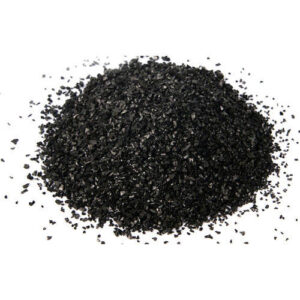
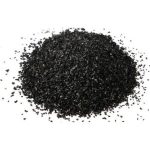
Activated Carbon, available in various forms including granular activated carbon (GAC), powdered activated carbon (PAC), pelletized carbon, and specialty formulations, manufactured from coconut shell, coal, wood, and petroleum-based raw materials through steam activation or chemical activation processes, is a specialized carbonaceous material appearing as black granules, powder, or pellets with highly developed internal pore structure and exceptional surface area. Activated Carbon represents one of the most versatile adsorption media, providing exceptional contaminant removal, excellent selectivity, superior regeneration potential, and outstanding application flexibility, making it essential for water treatment plants, air purification systems, food processing facilities, industrial manufacturing, and environmental remediation applications requiring high-performance adsorption characteristics and consistent purification behavior.
At Chemicals & Process Equipment Limited, we supply high-performance Activated Carbon manufactured under stringent quality control standards and international water treatment, air purification, food processing, industrial, and environmental specifications. Our comprehensive product range includes various carbon types, particle sizes, and specialized applications meeting diverse requirements for municipal water treatment, industrial air filtration, food grade applications, pharmaceutical processing, and specialized environmental remediation across global water treatment, air purification, food processing, and industrial markets.
✅ Advanced Adsorption Technology – Optimized Pore Structure & Multi-Industry Applications
✅ Consistent Quality Standards – Multiple Product Classifications with Comprehensive Documentation
✅ Essential Purification Media – Superior Water Treatment, Air Filtration & Industrial Performance
✅ Multi-Industry Applications – Water Treatment, Air Purification, Food Processing, Pharmaceuticals, Environmental Remediation
✅ Technical Support Package – Complete Application Guidance & Performance Optimization
The global activated carbon market was valued at approximately USD 4.9 billion in 2023 and is projected to reach USD 8.1 billion by 2030, growing at a CAGR of 7.4% during the forecast period. Market expansion is driven by increasing water quality standards, growing air pollution concerns, expanding industrial applications, rising environmental regulations, and advanced purification technologies requiring high-performance activated carbon solutions.
Technical Specifications & Activated Carbon Properties
| Property | Coconut Shell GAC | Coal-Based GAC | Wood-Based GAC | PAC | Pelletized | Specialty |
|---|---|---|---|---|---|---|
| Iodine Number (mg/g) | 1000-1200 | 800-1100 | 600-900 | 500-1200 | 800-1000 | 400-1500 |
| Methylene Blue (mg/g) | 120-180 | 150-250 | 100-200 | 100-300 | 120-200 | 50-400 |
| Surface Area (m²/g) | 900-1200 | 600-1000 | 400-800 | 300-1200 | 600-900 | 200-1500 |
| Pore Volume (cm³/g) | 0.8-1.2 | 0.4-0.8 | 0.6-1.0 | 0.3-1.0 | 0.5-0.8 | 0.2-1.5 |
| Micropore Volume (cm³/g) | 0.35-0.50 | 0.20-0.40 | 0.25-0.45 | 0.15-0.50 | 0.25-0.40 | 0.10-0.60 |
| Mesopore Volume (cm³/g) | 0.15-0.25 | 0.10-0.20 | 0.20-0.35 | 0.05-0.30 | 0.15-0.25 | 0.05-0.50 |
| Macropore Volume (cm³/g) | 0.30-0.45 | 0.10-0.20 | 0.15-0.30 | 0.10-0.20 | 0.10-0.15 | 0.05-0.40 |
| Particle Size (mesh) | 8×30, 12×40 | 8×30, 12×40 | 8×30, 12×40 | 100-325 | 4×8, 4×10 | Variable |
| Bulk Density (g/L) | 450-550 | 400-500 | 350-450 | 300-500 | 500-600 | 200-800 |
| Apparent Density (g/cm³) | 0.45-0.55 | 0.40-0.50 | 0.35-0.45 | 0.30-0.50 | 0.50-0.60 | 0.20-0.80 |
| Hardness Number (%) | 95-99 | 90-98 | 85-95 | N/A | 95-99 | 80-99 |
| Abrasion Number (%) | 75-90 | 70-85 | 65-80 | N/A | 80-95 | 60-95 |
| Ash Content (%) | 2-6 | 5-15 | 1-5 | 3-20 | 3-8 | 1-25 |
| Moisture Content (%) | 3-8 | 2-8 | 5-10 | 5-15 | 3-8 | 2-20 |
| pH Value | 6-8 | 7-11 | 6-9 | 6-10 | 7-9 | 3-12 |
| Extractable Organics (mg/L) | <5 | <10 | <15 | <20 | <8 | <50 |
| Water Extractables (%) | <0.5 | <1.0 | <1.5 | <2.0 | <0.8 | <3.0 |
| Acid Extractables (%) | <0.8 | <1.5 | <2.0 | <3.0 | <1.2 | <5.0 |
| Chloride Content (ppm) | <200 | <500 | <300 | <800 | <300 | <1000 |
| Heavy Metals (ppm) | <50 | <100 | <75 | <150 | <75 | <300 |
| Iron Content (ppm) | <100 | <300 | <200 | <500 | <200 | <800 |
| Phosphorus Content (%) | <0.05 | <0.2 | <0.1 | <0.3 | <0.1 | <0.5 |
| CCl₄ Activity (%) | 60-90 | 50-80 | 40-70 | 30-80 | 55-85 | 20-95 |
| Butane Activity (%) | 15-25 | 10-20 | 8-18 | 5-20 | 12-22 | 3-30 |
| Phenol Adsorption (mg/g) | 150-250 | 100-200 | 80-150 | 50-200 | 120-220 | 30-300 |
| Tannin Adsorption (mg/g) | 200-300 | 150-250 | 120-200 | 80-250 | 180-280 | 50-350 |
| Decolorizing Power (%) | 100-150 | 80-120 | 60-100 | 40-120 | 90-140 | 20-180 |
| Effective Size (mm) | 0.4-1.2 | 0.4-1.2 | 0.4-1.2 | 0.01-0.1 | 1.0-4.0 | Variable |
| Uniformity Coefficient | 1.7-2.2 | 1.8-2.5 | 1.9-2.8 | N/A | 1.5-2.0 | Variable |
| Backwash Expansion (%) | 40-60 | 35-55 | 45-65 | N/A | 30-50 | Variable |
| Bed Expansion Rate (%/gpm/ft²) | 2.8-3.5 | 3.0-4.0 | 2.5-3.8 | N/A | 3.5-4.5 | Variable |
| Empty Bed Contact Time (min) | 10-30 | 15-40 | 20-50 | 15-60 | 10-35 | Variable |
| Service Flow Rate (gpm/ft²) | 2-10 | 2-8 | 1-6 | 0.5-5 | 3-12 | Variable |
| Pressure Drop (psi/ft) | 1.5-3.0 | 2.0-4.0 | 1.8-3.5 | Variable | 2.5-4.5 | Variable |
| Regeneration Temperature (°C) | 800-900 | 850-950 | 750-850 | N/A | 800-900 | Variable |
| Reactivation Yield (%) | 90-95 | 85-92 | 80-90 | N/A | 88-95 | Variable |
| Service Life (years) | 3-8 | 2-6 | 2-5 | Single use | 4-10 | Variable |
| Breakthrough Capacity (g/kg) | 50-200 | 30-150 | 20-120 | 10-180 | 40-180 | Variable |
| Saturation Capacity (g/kg) | 200-500 | 150-400 | 100-300 | 50-400 | 180-450 | Variable |
| Kinetic Rate (1/min) | 0.1-0.5 | 0.08-0.4 | 0.05-0.3 | 0.2-1.0 | 0.1-0.4 | Variable |
| Diffusion Coefficient (cm²/s) | 1E-6 | 8E-7 | 5E-7 | 2E-6 | 9E-7 | Variable |
| Temperature Range (°C) | 5-80 | 5-85 | 5-75 | 5-90 | 5-80 | Variable |
| pH Range | 2-12 | 1-14 | 3-11 | 2-13 | 2-12 | Variable |
| Chemical Resistance | Excellent | Good | Good | Fair | Excellent | Variable |
| Biological Resistance | Excellent | Good | Fair | Poor | Good | Variable |
| UV Resistance | Excellent | Excellent | Good | Good | Excellent | Variable |
| Thermal Stability | Excellent | Very good | Good | Good | Excellent | Variable |
| Mechanical Strength | Very high | High | Medium | Low | Very high | Variable |
| Friability (%) | <5 | <8 | <12 | N/A | <3 | Variable |
| Attrition Rate (%/year) | 3-8 | 5-12 | 8-18 | N/A | 2-6 | Variable |
| Ignition Temperature (°C) | 400-450 | 350-400 | 300-350 | 250-350 | 400-450 | Variable |
| Cost per kg | High | Medium | Low | Medium | High | Variable |
| Environmental Impact | Very low | Low | Very low | Low | Very low | Variable |
| Sustainability Rating | Excellent | Good | Excellent | Good | Good | Variable |
| Regenerability | Excellent | Good | Fair | Poor | Excellent | Variable |
| Raw Material Source | Renewable | Non-renewable | Renewable | Variable | Variable | Variable |
| Carbon Content (%) | 85-95 | 75-90 | 80-92 | 70-95 | 80-95 | Variable |
| Volatile Matter (%) | 5-15 | 8-20 | 10-25 | 5-30 | 8-18 | Variable |
| Fixed Carbon (%) | 75-90 | 65-85 | 60-80 | 50-90 | 70-88 | Variable |
| Sulfur Content (%) | <0.5 | <2.0 | <1.0 | <3.0 | <1.5 | Variable |
| Nitrogen Content (%) | <1.0 | <1.5 | <2.0 | <2.5 | <1.2 | Variable |
| Oxygen Content (%) | 5-15 | 5-20 | 10-25 | 5-30 | 8-18 | Variable |
| BET Surface Area (m²/g) | 900-1200 | 600-1000 | 400-800 | 300-1200 | 600-900 | 200-1500 |
| Langmuir Surface Area (m²/g) | 1200-1600 | 800-1300 | 500-1000 | 400-1500 | 800-1200 | 250-2000 |
Available Product Types:
- Coconut Shell Activated Carbon for premium water treatment
- Coal-Based Activated Carbon for industrial applications
- Wood-Based Activated Carbon for food and beverage processing
- Powdered Activated Carbon (PAC) for emergency treatment
- Granular Activated Carbon (GAC) for continuous filtration
- Pelletized Activated Carbon for gas phase applications
- Impregnated Activated Carbon for specialized contaminants
- Catalytic Activated Carbon for oxidation applications
- Food Grade Activated Carbon for food processing
- Pharmaceutical Grade for medical applications
- High Activity Carbon for trace contaminant removal
- Steam Activated Carbon for general applications
- Acid Washed Carbon for ultra-pure applications
- Virgin Activated Carbon for first-time use
- Reactivated Carbon for cost-effective applications
Specialized Application Solutions:
- System design and sizing calculations
- Media selection for specific contaminants
- Breakthrough curve modeling
- Regeneration and reactivation programs
- Performance monitoring systems
- Optimization consulting services
- Training and technical support
- Custom activation services
- Quality assurance programs
- Regulatory compliance assistance
Water Treatment Applications
Municipal Water Treatment Water utilities utilize Activated Carbon for drinking water treatment, taste and odor control, and organic contaminant removal requiring municipal water specifications. Water treatment plants employ granular activated carbon for chlorine removal, THM reduction, and water applications requiring regulatory compliance, consumer satisfaction, and public health protection for municipal water supplies.
Industrial Water Treatment Industrial facilities use Activated Carbon for process water purification, boiler feedwater treatment, and cooling water conditioning requiring industrial water specifications. Manufacturing companies employ activated carbon for organic removal, dechlorination, and industrial applications requiring equipment protection, product quality, and operational efficiency in process water systems.
Wastewater Treatment Wastewater treatment plants utilize Activated Carbon for tertiary treatment, color removal, and advanced oxidation requiring wastewater specifications. Environmental companies employ activated carbon for organic pollutant removal, discharge compliance, and wastewater applications requiring environmental protection, regulatory standards, and water reuse preparation.
Groundwater Remediation Environmental remediation companies use Activated Carbon for contaminated groundwater treatment, pump-and-treat systems, and in-situ remediation requiring groundwater specifications. Consulting firms employ activated carbon for VOC removal, petroleum hydrocarbon treatment, and remediation applications requiring site cleanup, environmental compliance, and aquifer restoration.
Air Purification Applications
Industrial Air Treatment Industrial facilities utilize Activated Carbon for air pollution control, solvent recovery, and emissions treatment requiring industrial air specifications. Manufacturing companies employ activated carbon for VOC abatement, odor control, and air applications requiring regulatory compliance, worker safety, and environmental protection in industrial processes.
HVAC Air Filtration Commercial building operators use Activated Carbon for indoor air quality, HVAC systems, and ventilation air treatment requiring HVAC specifications. Facility managers employ activated carbon for odor removal, chemical filtration, and building applications requiring occupant comfort, air quality standards, and energy efficiency in commercial buildings.
Respiratory Protection Safety equipment manufacturers utilize Activated Carbon for gas masks, respirators, and personal protective equipment requiring respiratory specifications. Industrial safety suppliers employ activated carbon for chemical protection, toxic gas adsorption, and safety applications requiring worker protection, regulatory compliance, and emergency response capabilities.
Automotive Emissions Automotive manufacturers use Activated Carbon for evaporative emissions control, canister systems, and fuel vapor recovery requiring automotive specifications. Vehicle manufacturers employ activated carbon for emission compliance, fuel system protection, and automotive applications requiring environmental regulations, performance standards, and durability requirements.
Food Processing Applications
Food & Beverage Purification Food processors utilize Activated Carbon for ingredient purification, process water treatment, and product quality enhancement requiring food grade specifications. Beverage manufacturers employ activated carbon for taste improvement, color removal, and food applications requiring FDA compliance, consumer acceptance, and product consistency in food processing.
Sugar Refining Sugar refineries use Activated Carbon for decolorization, impurity removal, and sugar purification requiring sugar refining specifications. Food ingredient suppliers employ activated carbon for crystal clarity, taste enhancement, and sugar applications requiring food safety, quality standards, and consumer acceptance in refined sugar products.
Alcohol Production Distilleries and breweries utilize Activated Carbon for spirit purification, flavor enhancement, and quality improvement requiring beverage specifications. Alcohol producers employ activated carbon for congener removal, taste smoothing, and beverage applications requiring product quality, consumer preference, and regulatory compliance in alcoholic beverages.
Edible Oil Processing Oil refineries use Activated Carbon for edible oil purification, color removal, and quality enhancement requiring edible oil specifications. Food oil processors employ activated carbon for bleaching, impurity removal, and oil applications requiring food safety, shelf life extension, and consumer acceptance in processed oils.
Pharmaceutical Applications
Pharmaceutical Manufacturing Pharmaceutical companies utilize Activated Carbon for API purification, solvent recovery, and process purification requiring pharmaceutical specifications. Drug manufacturers employ activated carbon for impurity removal, color correction, and pharmaceutical applications requiring cGMP compliance, product purity, and regulatory approval in pharmaceutical production.
Medical Applications Healthcare facilities use Activated Carbon for medical gas purification, dialysis water treatment, and medical device processing requiring medical specifications. Hospitals employ activated carbon for air filtration, water purification, and medical applications requiring patient safety, sterility requirements, and healthcare standards in medical facilities.
Poison Treatment Emergency medicine utilizes Activated Carbon for poison absorption, overdose treatment, and toxin removal requiring medical treatment specifications. Healthcare providers employ activated carbon for gastrointestinal decontamination, emergency treatment, and medical applications requiring rapid action, patient safety, and clinical effectiveness in poison control.
Laboratory Applications Research facilities use Activated Carbon for analytical sample preparation, solvent purification, and laboratory air treatment requiring laboratory specifications. Academic institutions employ activated carbon for research applications, chemical analysis, and laboratory applications requiring analytical accuracy, researcher safety, and experimental integrity.
Industrial Applications
Chemical Processing Chemical manufacturers utilize Activated Carbon for process purification, catalyst support, and chemical recovery requiring chemical processing specifications. Industrial chemical companies employ activated carbon for reaction purification, solvent recovery, and chemical applications requiring product purity, process efficiency, and environmental compliance in chemical manufacturing.
Petroleum Refining Oil refineries use Activated Carbon for hydrocarbon purification, gas treatment, and refinery applications requiring petroleum specifications. Energy companies employ activated carbon for sulfur removal, benzene treatment, and petroleum applications requiring product quality, environmental compliance, and process optimization in petroleum refining.
Metal Processing Metal industry facilities utilize Activated Carbon for electroplating solutions, metal recovery, and process water treatment requiring metal processing specifications. Mining companies employ activated carbon for precious metal recovery, cyanide treatment, and metal applications requiring recovery efficiency, environmental protection, and process economics in metal processing.
Textile Manufacturing Textile companies use Activated Carbon for dye removal, process water treatment, and air pollution control requiring textile specifications. Garment manufacturers employ activated carbon for color correction, water recycling, and textile applications requiring environmental compliance, product quality, and cost-effective processing in textile operations.
Quality Control & Testing Procedures
Comprehensive Quality Assurance Every production batch undergoes extensive testing to ensure compliance with adsorption standards, water treatment requirements, air filtration specifications, and international application standards. Our quality control laboratory employs advanced analytical techniques including BET surface area analysis, pore size distribution, and comprehensive adsorption capacity evaluation.
Quality assurance procedures include:
- Iodine number determination using standard titration methods
- Methylene blue adsorption using spectrophotometric analysis
- BET surface area measurement using nitrogen adsorption
- Pore volume analysis using mercury intrusion porosimetry
- Particle size distribution using sieve analysis
- Bulk density testing using standard volumetric methods
- Hardness testing using ball-pan hardness apparatus
- Abrasion resistance using rotating drum methods
- Ash content determination using high-temperature furnace
- Moisture content analysis using gravimetric methods
- pH measurement using standardized electrode methods
- Extractable organics testing using solvent extraction
- Water extractables determination using leaching tests
- Heavy metals analysis using ICP-MS methods
- Chloride content testing using ion chromatography
- Carbon tetrachloride activity using dynamic testing
- Butane activity measurement using gravimetric methods
- Phenol adsorption capacity using equilibrium studies
- Tannin adsorption testing using colorimetric analysis
- Decolorizing power evaluation using standard solutions
- Effective size determination using sieve analysis
- Uniformity coefficient calculation using particle distribution
- Backwash expansion testing using column studies
- Flow rate optimization using hydraulic testing
- Pressure drop measurement using differential pressure
- Breakthrough curve development using column studies
- Saturation capacity determination using equilibrium testing
- Kinetic rate analysis using batch reactor studies
- Regeneration efficiency testing using thermal methods
- Service life evaluation using accelerated testing
- Chemical resistance assessment using stability studies
- Mechanical strength testing using compression methods
- Friability testing using attrition apparatus
- Ignition temperature determination using thermal analysis
- Environmental impact assessment using leachate testing
- Regulatory compliance verification using standard methods
- Performance validation using pilot-scale testing
- Quality consistency monitoring using statistical control
- Customer application support using technical consultation
- Continuous improvement using feedback analysis
Storage & Handling Procedures Implement proper storage conditions including dry environment maintenance, contamination prevention, proper ventilation, and correct handling procedures for maintaining Activated Carbon quality and preventing degradation throughout storage and application periods.
For comprehensive information about activated carbon technology, water treatment applications, and best practices, you can reference this detailed EPA Citizen’s Guide to Activated Carbon Treatment which provides extensive coverage of adsorption principles, treatment applications, system design, and environmental protection standards from leading environmental protection experts and industry professionals.
Market Applications & Industry Trends
Water Quality Standards Expanding water quality regulations, increasing contaminant detection limits, growing treatment requirements, and rising public health protection drive continued demand for high-performance activated carbon in water treatment applications requiring regulatory compliance, advanced purification, and reliable contaminant removal performance.
Environmental Regulations Growing air quality standards, increasing emission control requirements, expanding industrial compliance, and rising environmental protection drive adoption of activated carbon for air treatment applications requiring pollution control, regulatory compliance, and environmental stewardship in industrial operations.
Food Safety Requirements Advancing food safety regulations, increasing purity standards, expanding quality requirements, and growing consumer expectations support demand for food-grade activated carbon requiring FDA compliance, product safety, and quality assurance in food processing applications.
Sustainable Solutions Demand Expanding environmental consciousness, increasing renewable resource utilization, growing circular economy practices, and rising sustainability requirements support demand for coconut shell-based and renewable activated carbon requiring minimal environmental impact and sustainable sourcing.
Environmental & Regulatory Compliance
Water Treatment Standards Activated Carbon complies with water treatment regulations, NSF/ANSI standards, and international water quality guidelines ensuring effective contaminant removal with established performance criteria and comprehensive safety assessments for public health protection and regulatory compliance.
Food Safety Standards Adherence to FDA regulations, food contact substance approvals, and international food processing standards ensures appropriate use in food applications with established safety protocols and consumer protection measures for food processing operations.
Air Quality Standards Compliance with air emission regulations, industrial hygiene requirements, and international air quality guidelines ensures reliable use in air treatment applications with established performance criteria and environmental protection for industrial operations.
Environmental Protection Standards Environmental compliance includes lifecycle assessment, carbon footprint evaluation, and sustainable sourcing practices ensuring responsible use with consideration for environmental impact and resource conservation for all applications.
Occupational Safety Compliance with workplace safety regulations, dust exposure limits, and safe handling standards ensures proper use with established safety requirements and worker protection measures.
Performance Advantages & Technical Benefits
✔ Superior Adsorption Capacity – Outstanding contaminant removal for demanding applications
✔ High Surface Area – Maximum adsorption sites for efficient contaminant capture
✔ Excellent Selectivity – Targeted removal of specific contaminants with minimal interference
✔ Regenerable Media – Cost-effective reactivation extending service life
✔ Versatile Applications – Multi-contaminant compatibility across diverse industries
✔ Food Grade Quality – FDA-approved formulations for food processing applications
✔ Environmental Safety – Renewable resources and biodegradable materials
✔ Consistent Performance – Reliable effectiveness across varying operating conditions
✔ Custom Solutions – Tailored carbon types for specific application requirements
✔ Long Service Life – Extended operation reducing replacement frequency
✔ Cost-Effective Treatment – Competitive operating costs with high performance
✔ Technical Support – Complete system design and optimization guidance
✔ Quality Assurance – Consistent performance and reliability across production batches
✔ Global Availability – Reliable supply chains and worldwide distribution
✔ Proven Technology – Decades of successful applications across industries
✔ Regulatory Compliance – Comprehensive approvals and performance certifications
Our Activated Carbon products represent industry-leading standards in adsorption technology and multi-industry purification solutions, specifically manufactured for demanding water treatment applications, air purification requirements, food processing operations, and specialized industrial processing requiring exceptional contaminant removal characteristics, reliable adsorption behavior, and comprehensive performance optimization. We provide complete technical support, system design guidance, and performance consultation to ensure optimal results across your specialized water treatment, air purification, food processing, or industrial applications.
For detailed specifications, technical data sheets, or application-specific recommendations, contact our specialized carbon division. We offer complete support including media selection, system design, performance monitoring, and technical assistance to maximize effectiveness in your water treatment, air purification, food processing, or industrial applications.
For more information about our products, feel free to Contact Us today.
Related products
Recently Viewed
Featured
Featured
Reviews
There are no reviews yet.