
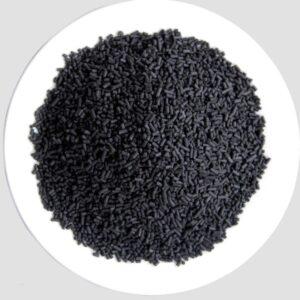
Activated Carbon
In Stock
Highlights:
Activated Carbon
Premium High-Performance Activated Carbon – Advanced Adsorption Solutions for Water Treatment, Air Purification, Industrial Processing & Environmental Applications
Activated Carbon is a premium high-performance adsorbent material engineered for superior contaminant removal, purification applications, and environmental remediation across water treatment, air purification, industrial processing, and specialty filtration systems.
✅ Superior Adsorption Capacity – High Surface Area & Optimal Pore Distribution
✅ Multi-Application Versatility – Water Treatment, Air Purification & Industrial Processing
✅ Premium Quality Standards – Food Grade, Technical Grade & Specialty Formulations
✅ Environmental Solutions – Pollution Control & Remediation Applications
✅ Professional Performance – Consistent Quality & Reliable Results
Description
Activated Carbon for Advanced Purification & Environmental Applications
Activated Carbon represents cutting-edge adsorption technology specifically engineered to deliver superior contaminant removal, advanced purification solutions, and environmental protection across water treatment facilities, air pollution control systems, industrial processing operations, and specialized filtration applications requiring exceptional performance and consistent results. This premium-grade adsorbent material provides outstanding surface area characteristics, optimized pore structure distribution, and maximum adsorption capacity for organic compounds, volatile chemicals, odor control, and environmental remediation across diverse industrial and commercial applications.
At Chemicals & Process Equipment Limited, we supply high-quality Activated Carbon manufactured under strict quality control standards and international specifications. Our comprehensive carbon product range includes coconut shell activated carbon, coal-based activated carbon, wood-based carbon, and specialized formulations meeting diverse requirements for municipal water treatment, industrial air purification, food processing, pharmaceutical applications, and environmental remediation projects across global industrial and commercial markets.
For comprehensive information about activated carbon applications and adsorption principles, we recommend exploring Activated Carbon Fundamentals by the American Water Works Association, providing authoritative guidance on carbon selection and water treatment applications.
✅ Advanced Adsorption Technology – Superior Performance & Consistent Results
✅ Professional Quality Standards – Food Grade, Technical & Environmental Specifications
✅ Complete Product Portfolio – Multiple Carbon Types & Specialized Formulations
✅ Versatile Application Methods – Powder, Granular, Pelletized & Custom Forms
✅ Expert Technical Support – Application Guidance & System Design Recommendations
The Global Activated Carbon Market is valued at approximately $8.2 billion in 2025 and is projected to reach $12.8 billion by 2030, exhibiting a CAGR of 9.3% during the forecast period. This growth is driven by increasing environmental regulations, expanding water treatment infrastructure, growing air pollution control requirements, and rising adoption of advanced purification technologies across international markets.
Technical Specifications & Activated Carbon Properties
| Property | Coconut Shell Grade | Coal-Based Grade | Wood-Based Grade | Specialty Grade |
|---|---|---|---|---|
| Iodine Number | 900-1200 mg/g | 600-1000 mg/g | 500-800 mg/g | 1000-1500 mg/g |
| Methylene Blue | 120-200 mg/g | 100-180 mg/g | 80-150 mg/g | 150-300 mg/g |
| Surface Area (BET) | 800-1200 m²/g | 600-1000 m²/g | 500-900 m²/g | 1000-1800 m²/g |
| Total Pore Volume | 0.8-1.2 cm³/g | 0.6-1.0 cm³/g | 0.5-0.9 cm³/g | 1.0-1.5 cm³/g |
| Micropore Volume | 0.3-0.5 cm³/g | 0.25-0.45 cm³/g | 0.2-0.4 cm³/g | 0.4-0.7 cm³/g |
| Mesopore Volume | 0.2-0.4 cm³/g | 0.15-0.35 cm³/g | 0.1-0.3 cm³/g | 0.3-0.6 cm³/g |
| Apparent Density | 0.4-0.6 g/cm³ | 0.45-0.65 g/cm³ | 0.35-0.55 g/cm³ | 0.4-0.7 g/cm³ |
| Particle Density | 0.8-1.2 g/cm³ | 1.0-1.4 g/cm³ | 0.7-1.1 g/cm³ | 0.9-1.3 g/cm³ |
| Hardness Number | ≥95% | ≥90% | ≥85% | ≥98% |
| Ash Content | ≤5% | ≤10% | ≤8% | ≤3% |
| Moisture Content | ≤5% | ≤8% | ≤10% | ≤3% |
| pH | 6.0-8.0 | 7.0-11.0 | 5.0-7.5 | 6.5-8.5 |
| Chloride Content | ≤0.2% | ≤0.5% | ≤0.3% | ≤0.1% |
| Iron Content | ≤0.1% | ≤0.3% | ≤0.2% | ≤0.05% |
| Heavy Metals | ≤50 ppm | ≤100 ppm | ≤75 ppm | ≤25 ppm |
| Particle Size (Granular) | 0.6-2.36 mm | 0.8-4.0 mm | 1.0-4.0 mm | 0.4-2.0 mm |
| Particle Size (Powder) | <200 mesh | <100 mesh | <150 mesh | <325 mesh |
| Abrasion Number | ≤5% | ≤8% | ≤10% | ≤3% |
| CTC (Carbon Tetrachloride) | 60-80% | 45-70% | 40-65% | 70-90% |
| Benzene Adsorption | 25-40% | 20-35% | 15-30% | 35-50% |
| Phenol Value | 150-250 mg/g | 100-200 mg/g | 80-180 mg/g | 200-350 mg/g |
| Tannin Value | 200-350 mg/g | 150-300 mg/g | 100-250 mg/g | 300-500 mg/g |
| Decolorizing Power | ≥100 mg/g | ≥80 mg/g | ≥60 mg/g | ≥150 mg/g |
| Working Capacity | 8-15% | 6-12% | 5-10% | 10-20% |
| Service Life | 12-24 months | 18-36 months | 12-30 months | 24-48 months |
Available Carbon Types:
- Coconut shell activated carbon for superior micropore development
- Coal-based activated carbon for balanced adsorption characteristics
- Wood-based activated carbon for specialized applications
- Steam activated carbon for high purity requirements
- Chemical activated carbon for enhanced surface area
- Impregnated carbon for specialized contaminant removal
- Reactivated carbon for cost-effective solutions
- Custom formulations for specific application requirements
Specialized Product Forms:
- Granular activated carbon (GAC) for fixed bed systems
- Powdered activated carbon (PAC) for batch treatment
- Extruded pellets for gas-phase applications
- Carbon blocks for point-of-use filtration
- Carbon cloth for specialized applications
- Honeycomb carbon for air treatment systems
- Carbon fiber for advanced filtration
- Impregnated media for targeted contaminants
Water Treatment Applications
Municipal Water Treatment Municipal utilities utilize activated carbon for drinking water purification, taste and odor control, chlorine removal, and organic contaminant reduction requiring reliable performance and regulatory compliance. Large-scale water treatment facilities employ activated carbon for consistent water quality and public health protection.
Industrial Water Treatment Industrial facilities use activated carbon for process water purification, wastewater treatment, cooling water systems, and specialty water applications requiring contaminant removal and water quality improvement. Commercial operations employ activated carbon for cost-effective treatment solutions and environmental compliance.
Groundwater Remediation Environmental engineers utilize activated carbon for contaminated groundwater treatment, soil remediation, and environmental cleanup requiring advanced adsorption technology and long-term performance. Remediation projects employ activated carbon for effective contaminant removal and site restoration.
Swimming Pool & Spa Treatment Pool professionals use activated carbon for chloramine removal, water polishing, and chemical reduction requiring specialized filtration and water quality enhancement. Aquatic facilities employ activated carbon for swimmer comfort and water clarity improvement.
Air Purification & Gas Treatment
Industrial Air Treatment Manufacturing facilities utilize activated carbon for VOC removal, solvent recovery, odor control, and emission reduction requiring effective gas-phase adsorption and regulatory compliance. Industrial operations employ activated carbon for air quality improvement and environmental protection.
HVAC Air Filtration Building managers use activated carbon for indoor air quality improvement, odor elimination, and chemical removal requiring integrated filtration systems and occupant comfort. Commercial buildings employ activated carbon for healthy indoor environments and air quality standards.
Automotive Emissions Control Automotive manufacturers utilize activated carbon for evaporative emission control, cabin air filtration, and fuel vapor recovery requiring specialized carbon formulations and performance standards. Vehicle applications employ activated carbon for emission compliance and air quality.
Laboratory Fume Control Research facilities use activated carbon for chemical fume removal, laboratory air treatment, and safety applications requiring high-performance adsorption and worker protection. Scientific operations employ activated carbon for safe working environments and regulatory compliance.
Food & Beverage Processing
Food Grade Purification Food processors utilize food-grade activated carbon for ingredient purification, decolorization, and contaminant removal requiring FDA-approved materials and food safety compliance. Food manufacturing employs activated carbon for product quality and safety standards.
Beverage Treatment Beverage producers use activated carbon for water treatment, flavor enhancement, and impurity removal requiring specialized carbon grades and consistent performance. Beverage operations employ activated carbon for product quality and brand protection.
Sugar Refining Sugar refineries utilize activated carbon for decolorization, impurity removal, and product purification requiring high-performance adsorbents and food-grade quality. Sugar processing employs activated carbon for premium product standards and market requirements.
Edible Oil Processing Oil processors use activated carbon for bleaching, deodorization, and quality improvement requiring specialized carbon formulations and food processing standards. Edible oil production employs activated carbon for consumer acceptance and product quality.
Pharmaceutical & Chemical Processing
Pharmaceutical Purification Pharmaceutical manufacturers utilize USP-grade activated carbon for API purification, solvent recovery, and product processing requiring pharmaceutical standards and regulatory compliance. Drug production employs activated carbon for purity and quality assurance.
Chemical Processing Chemical manufacturers use activated carbon for catalyst recovery, product purification, and waste treatment requiring specialized adsorbents and process optimization. Chemical operations employ activated carbon for efficiency and environmental compliance.
Biotechnology Applications Biotech companies utilize activated carbon for fermentation processing, product recovery, and purification requiring biocompatible materials and specialized performance. Biotechnology operations employ activated carbon for product development and manufacturing.
Laboratory Applications Analytical laboratories use activated carbon for sample preparation, solvent purification, and chemical analysis requiring high-purity adsorbents and consistent performance. Research facilities employ activated carbon for accurate analytical results and method development.
Environmental Remediation
Soil Remediation Environmental contractors utilize activated carbon for in-situ treatment, soil stabilization, and contaminated site cleanup requiring long-term performance and environmental restoration. Remediation projects employ activated carbon for effective site rehabilitation and risk reduction.
Groundwater Treatment Environmental engineers use activated carbon for pump-and-treat systems, permeable reactive barriers, and groundwater restoration requiring sustained adsorption performance and contaminant removal. Cleanup operations employ activated carbon for aquifer restoration and environmental protection.
Landfill Gas Treatment Waste management facilities utilize activated carbon for landfill gas purification, odor control, and emission reduction requiring specialized gas-phase applications and regulatory compliance. Waste operations employ activated carbon for environmental management and community relations.
Industrial Spill Response Emergency responders use activated carbon for chemical spill cleanup, contamination control, and environmental protection requiring rapid deployment and effective adsorption. Spill response employs activated carbon for immediate hazard mitigation and environmental restoration.
Specialty Applications
Gold Recovery Mining operations utilize activated carbon for gold extraction, precious metal recovery, and ore processing requiring specialized carbon formulations and metallurgical performance. Gold mining employs activated carbon for efficient metal recovery and processing optimization.
Automotive Applications Automotive industry uses activated carbon for fuel vapor recovery, cabin air filtration, and emission control requiring automotive-grade materials and performance standards. Vehicle manufacturers employ activated carbon for emission compliance and passenger comfort.
Respirator & Safety Equipment Safety equipment manufacturers utilize activated carbon for respiratory protection, gas masks, and personal protective equipment requiring high-performance adsorption and worker safety. Safety applications employ activated carbon for life protection and occupational health.
Aquarium & Pet Applications Pet industry uses activated carbon for aquarium filtration, terrarium air treatment, and animal habitat management requiring safe, effective filtration and animal health protection. Pet applications employ activated carbon for clean environments and animal welfare.
Application Methods & System Design
Fixed Bed Adsorption Install granular activated carbon in fixed bed contactors for continuous water treatment and gas purification applications. Design systems with proper hydraulic loading, contact time, and carbon depth for optimal performance and longevity.
Powdered Carbon Addition Add powdered activated carbon directly to treatment processes for batch applications, emergency treatment, and flexible dosing. Monitor carbon dosage and contact time for effective contaminant removal and cost optimization.
Carbon Block Systems Utilize carbon block filters for point-of-use applications, residential treatment, and specialized filtration requiring compact design and consistent performance. Install systems with proper flow rates and replacement schedules for optimal effectiveness.
Moving Bed Systems Implement moving bed carbon systems for continuous operation, automatic regeneration, and high-volume applications requiring sustained performance and operational efficiency. Design systems with proper carbon handling and regeneration capabilities.
Performance Optimization & Monitoring
Adsorption Isotherms Determine carbon performance through laboratory testing, pilot studies, and performance monitoring to optimize system design and operation. Conduct regular testing to ensure consistent performance and cost-effective operation.
Breakthrough Monitoring Monitor carbon bed performance through effluent analysis, breakthrough curves, and performance indicators to determine regeneration timing and replacement schedules. Implement monitoring protocols for optimal system management.
Regeneration Management Implement carbon regeneration programs including thermal reactivation, steam regeneration, and chemical regeneration to extend carbon life and reduce operating costs. Manage regeneration cycles for optimal performance and economics.
System Maintenance Establish maintenance programs including carbon replacement, system cleaning, and performance verification to ensure consistent operation and regulatory compliance. Implement preventive maintenance for reliable system performance.
Quality Control & Manufacturing Standards
Comprehensive Quality Assurance Every production batch undergoes rigorous testing to ensure adsorption capacity, purity standards, physical properties, and application-specific performance. Our quality control laboratory employs advanced analytical methods including gas chromatography, surface analysis, and standardized test procedures.
Quality assurance procedures include:
- Iodine number determination using standard test methods
- Methylene blue adsorption testing for liquid-phase applications
- Surface area analysis using BET nitrogen adsorption
- Pore structure analysis using mercury porosimetry
- Carbon tetrachloride activity for gas-phase performance
- Ash content analysis using muffle furnace methods
- Moisture determination using oven-drying procedures
- pH measurement in standard aqueous solutions
- Hardness testing using standardized procedures
- Particle size distribution using mechanical sieving
- Heavy metal analysis using ICP-MS methods
- Microbiological testing for food-grade applications
- Chloride and sulfate content determination
- Abrasion resistance testing using rotating drum methods
Application Guidelines & Design Parameters
Water Treatment Systems Design carbon contactors with 10-30 minutes contact time, bed depths of 3-10 feet, and loading rates of 2-8 gpm/ft² based on water quality and treatment objectives. Monitor breakthrough and establish replacement criteria.
Air Treatment Applications Size carbon beds for 0.25-2.0 second residence time, approach velocities of 50-100 fpm, and carbon depths of 2-8 inches based on contaminant type and concentration. Consider temperature and humidity effects on performance.
Batch Treatment Applications Use powdered carbon dosages of 5-50 mg/L for water treatment and 0.1-1.0 g/L for industrial applications based on contamination level and treatment objectives. Optimize contact time and mixing for maximum efficiency.
Process Applications Design systems based on adsorption isotherms, mass transfer coefficients, and breakthrough data for specific contaminants and operating conditions. Consider regeneration requirements and system economics.
Storage & Handling Procedures
Proper Storage Conditions Store activated carbon in cool, dry, well-ventilated areas away from ignition sources and incompatible materials. Maintain storage areas below 40°C and relative humidity below 60% for optimal product quality and fire safety.
Material Handling Safety Use appropriate personal protective equipment including dust masks, safety glasses, and protective clothing when handling carbon products. Ensure adequate ventilation and follow established safety protocols for combustible materials.
Inventory Management Implement first-in-first-out inventory rotation to maintain product freshness and prevent contamination. Regular inspection and proper storage practices ensure consistent product quality and performance characteristics.
Fire Prevention Maintain proper fire prevention measures including elimination of ignition sources, static electricity control, and emergency response procedures. Wet carbon presents special handling requirements due to spontaneous combustion potential.
Environmental & Safety Compliance
Product Safety Standards Activated Carbon complies with drinking water regulations, food safety standards, and industrial safety requirements ensuring appropriate use in potable water, food processing, and industrial applications requiring regulatory compliance.
Environmental Protection Adherence to environmental regulations, waste management standards, and sustainability practices ensuring responsible carbon use and environmental stewardship throughout the industrial supply chain and application lifecycle.
Regulatory Compliance Full compliance with AWWA standards, NSF certification, FDA regulations, and international quality specifications supporting market access and application certification programs across global industrial markets.
Product Documentation Comprehensive certificates of analysis, safety data sheets, and technical specifications ensuring proper product use, regulatory compliance, and customer success in diverse industrial and commercial applications.
Performance Benefits & Technical Advantages
✔ Superior Adsorption – High surface area and optimal pore structure for maximum performance
✔ Versatile Applications – Suitable for liquid and gas-phase treatment systems
✔ Consistent Quality – Rigorous manufacturing standards and quality control
✔ Cost Effectiveness – Long service life and regeneration capability
✔ Environmental Safety – Safe, non-toxic treatment solution
✔ Regulatory Compliance – Meets drinking water and food safety standards
✔ Technical Support – Expert guidance and system design assistance
✔ Custom Solutions – Specialized formulations for specific applications
✔ Global Availability – Reliable supply chain and distribution network
✔ Proven Performance – Decades of successful industrial applications
✔ Renewable Resource – Sustainable raw materials and regeneration options
✔ Multiple Forms – Various product configurations for diverse applications
Market Applications & Industry Trends
Water Treatment Growth Expanding municipal water treatment infrastructure and increasing water quality standards drive growing demand for high-performance activated carbon products supporting advanced treatment technologies and regulatory compliance across global markets.
Environmental Regulations Strengthening environmental regulations and emission standards support increased demand for activated carbon solutions in air pollution control, water treatment, and environmental remediation applications across industrial sectors.
Food Safety Requirements Growing food safety standards and quality requirements drive demand for food-grade activated carbon in food processing, beverage production, and pharmaceutical applications requiring specialized carbon formulations and certification.
Industrial Process Optimization Increasing focus on process efficiency and environmental sustainability support adoption of activated carbon solutions for solvent recovery, product purification, and waste treatment in diverse industrial applications.
Our Activated Carbon products represent industry-leading standards in adsorption technology and purification solutions, specifically engineered for demanding water treatment, air purification, industrial processing, and environmental applications. We provide comprehensive technical support, system design assistance, and application optimization to ensure maximum performance and cost-effectiveness across your treatment systems, industrial processes, or environmental projects.
For detailed specifications, performance data, or application-specific recommendations, contact our technical specialists. We offer complete support including pilot testing, system design, and performance monitoring to maximize effectiveness in your water treatment, air purification, or industrial processing applications.
For more information about our products, feel free to Contact Us today.
Related products
Featured
Featured
Featured
Featured
Recently Viewed
Featured
Reviews
There are no reviews yet.