
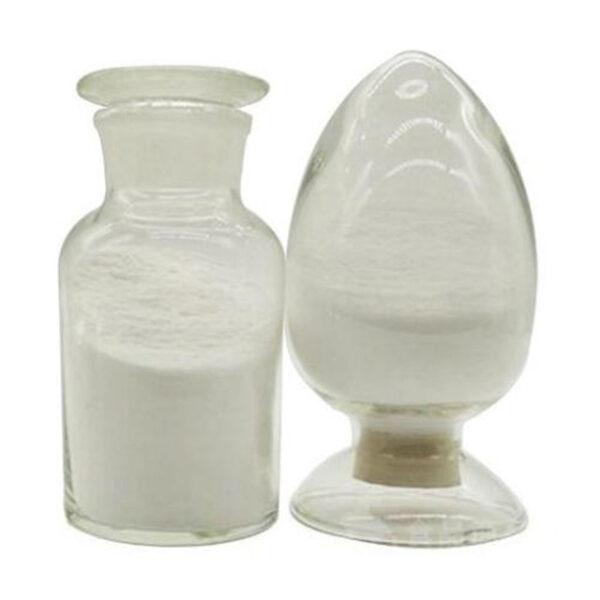
Acesulfame Potassium
In Stock
Highlights:
Acesulfame Potassium E950
Premium Quality Food Grade Acesulfame Potassium E950 – High-Performance Artificial Sweetener & Zero-Calorie Sugar Substitute for Food Processing, Beverage Manufacturing, Pharmaceutical Applications, Oral Care Products & Dietary Supplement Formulations
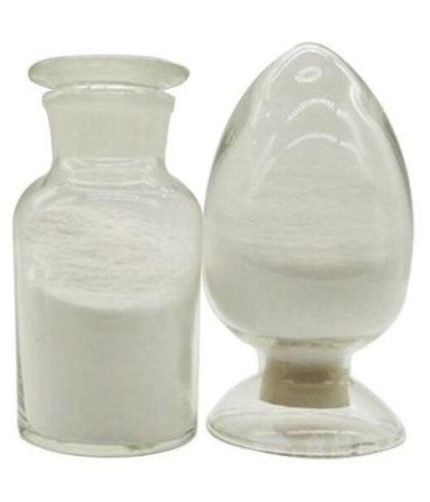
Food Grade Acesulfame Potassium E950 is a high-intensity artificial sweetener approximately 200 times sweeter than sucrose, extensively utilized in food processing, beverage manufacturing, pharmaceutical formulations, oral care products, and dietary supplements requiring zero-calorie sweetening solutions with exceptional heat stability, pH resistance, and extended shelf life characteristics.
✅ Ultra-High Intensity Sweetener – 200x Sweeter Than Sugar with Superior Performance
✅ Multiple Grade Options – Food, Pharmaceutical, and Industrial Grades for Specialized Applications
✅ Excellent Stability Properties – Heat Stable, pH Resistant, Long Shelf Life for Superior Performance
✅ Multi-Industry Compatible – Enhanced Food, Beverage, Pharmaceutical, Oral Care & Dietary Applications
✅ Zero Calorie Solution – Weight Management, Diabetic-Friendly & Health-Conscious Product Development
Description
High-Quality Food Grade Acesulfame Potassium E950
Food Grade Acesulfame Potassium (E950), also known as Acesulfame K or Ace-K, is a high-intensity artificial sweetener with the chemical formula C₄H₄KNO₄S and CAS number 55589-62-3. Discovered by German chemist Karl Clauss at Hoechst AG in 1967, this calorie-free sweetener was approved by the FDA in 1988 for use in specific food categories and gained full approval for general food use in 2003. With European food additive designation E950, Acesulfame Potassium provides approximately 200 times the sweetening power of sucrose while contributing zero calories, making it essential for sugar-free, reduced-calorie, and diabetic-friendly food and beverage formulations requiring exceptional sweetening performance, heat stability, and long-term storage characteristics.
At Chemicals & Process Equipment Limited, we supply high-performance Food Grade Acesulfame Potassium E950 manufactured under stringent quality control standards and international food safety, pharmaceutical, and regulatory specifications. Our comprehensive product range includes various purity grades, mesh sizes, and specialized formulations meeting diverse requirements for food processing, beverage manufacturing, pharmaceutical applications, oral care products, and dietary supplement production across global food, beverage, pharmaceutical, and health markets.
✅ Advanced Sweetener Technology – Optimized Sweetening Properties & Multi-Industry Performance
✅ Consistent Quality Standards – Multiple Grade Classifications with Comprehensive Documentation
✅ Essential Sugar Substitute – Superior Food, Beverage, Pharmaceutical & Health Applications
✅ Multi-Industry Applications – Food, Beverage, Pharmaceutical, Oral Care, Dietary & Specialty Systems
✅ Technical Support Package – Complete Application Guidance & Performance Optimization
The global acesulfame potassium market was valued at approximately USD 180 million in 2023 and is projected to reach USD 265 million by 2030, growing at a CAGR of 5.7% during the forecast period. Market expansion is driven by increasing health consciousness, rising obesity rates, growing diabetic population, expanding sugar-free product categories, clean label trends, and regulatory approvals for broader food applications requiring high-intensity sweetening solutions.
Technical Specifications & Food Grade Acesulfame Potassium E950 Properties
| Property | Food Grade Standard | Food Grade Premium | Pharmaceutical Grade | Oral Care Grade | Dietary Grade | Industrial Grade |
|---|---|---|---|---|---|---|
| Purity (%) | ≥98.0 | ≥99.0 | ≥99.5 | ≥98.5 | ≥98.0 | ≥97.0 |
| Molecular Formula | C₄H₄KNO₄S | C₄H₄KNO₄S | C₄H₄KNO₄S | C₄H₄KNO₄S | C₄H₄KNO₄S | C₄H₄KNO₄S |
| Molecular Weight (g/mol) | 201.24 | 201.24 | 201.24 | 201.24 | 201.24 | 201.24 |
| pH (1% Solution) | 5.5-7.5 | 6.0-7.0 | 6.0-7.0 | 5.5-7.0 | 5.5-7.5 | 5.0-8.0 |
| Loss on Drying (%) | ≤1.0 | ≤0.5 | ≤0.3 | ≤0.8 | ≤1.0 | ≤1.5 |
| Sulfated Ash (%) | ≤0.2 | ≤0.1 | ≤0.05 | ≤0.15 | ≤0.2 | ≤0.3 |
| Chloride (%) | ≤0.003 | ≤0.002 | ≤0.001 | ≤0.002 | ≤0.003 | ≤0.005 |
| Fluoride (ppm) | ≤3 | ≤2 | ≤1 | ≤2 | ≤3 | ≤5 |
| Total Plate Count (cfu/g) | ≤1,000 | ≤500 | ≤100 | ≤300 | ≤1,000 | ≤2,000 |
| Yeast & Mold (cfu/g) | ≤100 | ≤50 | ≤10 | ≤50 | ≤100 | ≤200 |
| E.coli (per g) | Negative | Negative | Negative | Negative | Negative | ≤10 |
| Salmonella (per 25g) | Negative | Negative | Negative | Negative | Negative | Negative |
| Heavy Metals (as Pb) (ppm) | ≤5 | ≤3 | ≤2 | ≤3 | ≤5 | ≤10 |
| Arsenic (As) (ppm) | ≤2 | ≤1 | ≤0.5 | ≤1 | ≤2 | ≤3 |
| Lead (Pb) (ppm) | ≤1 | ≤0.5 | ≤0.2 | ≤0.5 | ≤1 | ≤2 |
| Cadmium (Cd) (ppm) | ≤0.5 | ≤0.3 | ≤0.1 | ≤0.3 | ≤0.5 | ≤1 |
| Mercury (Hg) (ppm) | ≤0.5 | ≤0.3 | ≤0.1 | ≤0.3 | ≤0.5 | ≤1 |
| Acetoacetamide-N-sulfonic acid (ppm) | ≤20 | ≤15 | ≤10 | ≤15 | ≤20 | ≤30 |
| Methylene chloride (ppm) | ≤10 | ≤5 | ≤2 | ≤5 | ≤10 | ≤15 |
| Particle Size (µm) | 20-250 | 20-200 | 50-150 | 20-200 | 20-250 | 10-300 |
| Bulk Density (g/cm³) | 0.70-0.90 | 0.75-0.90 | 0.75-0.85 | 0.70-0.90 | 0.70-0.90 | 0.65-0.95 |
| Solubility (g/100ml H₂O at 20°C) | 27.0 | 27.0 | 27.0 | 27.0 | 27.0 | 27.0 |
| Melting Point (°C) | 225 (decomp) | 225 (decomp) | 225 (decomp) | 225 (decomp) | 225 (decomp) | 225 (decomp) |
| Sweetness Intensity | 200x sucrose | 200x sucrose | 200x sucrose | 200x sucrose | 200x sucrose | 200x sucrose |
| Heat Stability | Up to 200°C | Up to 200°C | Up to 200°C | Up to 200°C | Up to 200°C | Up to 200°C |
| pH Stability Range | 3.0-7.0 | 3.0-7.0 | 3.0-7.0 | 3.0-7.0 | 3.0-7.0 | 2.0-8.0 |
| Synergistic Properties | Excellent | Excellent | Excellent | Excellent | Excellent | Good |
| Taste Profile | Clean, sweet | Clean, sweet | Clean, sweet | Clean, sweet | Clean, sweet | Sweet |
| Aftertaste | Minimal | Minimal | None | Minimal | Minimal | Slight |
| Onset Time | Fast | Fast | Fast | Fast | Fast | Fast |
| Duration | Medium | Medium | Medium | Medium | Medium | Medium |
| Color | White | White | White | White | White | White to off-white |
| Odor | Odorless | Odorless | Odorless | Odorless | Odorless | Slight |
| Hygroscopicity | Low | Low | Low | Low | Low | Low |
| Storage Stability | Excellent | Excellent | Excellent | Excellent | Excellent | Good |
| Light Stability | Excellent | Excellent | Excellent | Excellent | Excellent | Good |
| Oxidation Resistance | Excellent | Excellent | Excellent | Excellent | Excellent | Good |
| Metabolic Fate | Not metabolized | Not metabolized | Not metabolized | Not metabolized | Not metabolized | Not metabolized |
| ADI (mg/kg body weight) | 0-15 | 0-15 | 0-15 | 0-15 | 0-15 | 0-15 |
| E-Number | E950 | E950 | E950 | E950 | E950 | – |
| CAS Number | 55589-62-3 | 55589-62-3 | 55589-62-3 | 55589-62-3 | 55589-62-3 | 55589-62-3 |
| EINECS Number | 259-715-3 | 259-715-3 | 259-715-3 | 259-715-3 | 259-715-3 | 259-715-3 |
| HS Code | 29350090 | 29350090 | 29350090 | 29350090 | 29350090 | 29350090 |
| Storage Temperature | 15-25°C | 15-25°C | 15-25°C | 15-25°C | 15-25°C | 10-30°C |
| Relative Humidity | <60% RH | <60% RH | <60% RH | <60% RH | <60% RH | <70% RH |
| Shelf Life | 5 years | 5 years | 5 years | 5 years | 5 years | 3 years |
| Packaging Options | 25kg drums | 25kg drums | 25kg drums | 25kg drums | 25kg drums | 25kg drums, 500kg bags |
Available Grade Types:
- Food Grade Standard (E950) for general food applications
- Food Grade Premium (E950) for premium food products
- Pharmaceutical Grade (USP/EP) for drug formulations
- Oral Care Grade for dental and oral hygiene products
- Dietary Grade for supplement applications
- Industrial Grade for technical applications
- Organic Process Compatible for organic formulations
- Kosher/Halal Certified Grade for religious compliance
- High Purity Grade for specialized applications
- Custom Blends with other sweeteners
- Granular and Powder Forms available
Specialized Processing Solutions:
- Particle size optimization for application requirements
- Sweetness profiling and taste optimization
- Blend formulations with synergistic sweeteners
- Stability enhancement for specific conditions
- Quality testing and certification programs
- Regulatory documentation support
- Application development assistance
- Technical consultation services
Food & Beverage Applications
Sugar-Free Beverages Beverage manufacturers utilize Food Grade Acesulfame Potassium E950 for diet sodas, sugar-free drinks, and low-calorie beverages requiring beverage specifications. Soft drink companies employ acesulfame potassium for consistent sweetness, heat stability during pasteurization, and beverage applications requiring long shelf life and stable taste profiles.
Dairy Products & Desserts Dairy manufacturers use Food Grade Acesulfame Potassium E950 for sugar-free yogurts, low-calorie ice cream, and reduced-sugar desserts requiring dairy specifications. Dessert companies employ acesulfame potassium for sweetness enhancement, freezing stability, and dairy applications requiring consistent taste and texture properties.
Bakery & Confectionery Products Food processors utilize Food Grade Acesulfame Potassium E950 for sugar-free candies, diabetic chocolates, and reduced-calorie baked goods requiring confectionery specifications. Bakery companies employ acesulfame potassium for heat stability during baking, browning enhancement, and confectionery applications with improved sweetness and extended shelf life.
Table-Top Sweeteners Sweetener manufacturers use Food Grade Acesulfame Potassium E950 for packet sweeteners, liquid sweeteners, and consumer sugar substitutes requiring table-top specifications. Consumer product companies employ acesulfame potassium for portion control, dissolution properties, and retail applications requiring convenience and consistent sweetening power.
Processed Foods & Sauces Food manufacturers utilize Food Grade Acesulfame Potassium E950 for sugar-reduced sauces, low-calorie condiments, and processed food products requiring processed food specifications. Condiment companies employ acesulfame potassium for flavor enhancement, stability improvement, and sauce applications requiring taste balance and preservation.
Pharmaceutical & Nutraceutical Applications
Oral Solid Dosage Forms Pharmaceutical manufacturers utilize Food Grade Acesulfame Potassium E950 for chewable tablets, orally disintegrating tablets, and pediatric formulations requiring pharmaceutical specifications. Drug companies employ acesulfame potassium for taste masking, patient compliance, and pharmaceutical applications requiring palatability and stability.
Liquid Medications Pharma companies use Food Grade Acesulfame Potassium E950 for liquid medicines, pediatric syrups, and oral suspensions requiring liquid pharmaceutical specifications. Medical manufacturers employ acesulfame potassium for taste improvement, patient acceptance, and pharmaceutical applications requiring sweetness without drug interaction.
Dietary Supplements Supplement manufacturers utilize Food Grade Acesulfame Potassium E950 for protein powders, vitamin formulations, and nutritional supplements requiring supplement specifications. Health companies employ acesulfame potassium for taste enhancement, mixing properties, and nutraceutical applications requiring consumer palatability.
Clinical Nutrition Healthcare manufacturers use Food Grade Acesulfame Potassium E950 for diabetic nutrition products, medical foods, and specialized dietary formulations requiring clinical specifications. Medical nutrition companies employ acesulfame potassium for glucose control support, calorie management, and clinical applications requiring strict dietary compliance.
Personal Care & Oral Hygiene Applications
Oral Care Products Dental care manufacturers utilize Food Grade Acesulfame Potassium E950 for toothpastes, mouthwashes, and oral hygiene products requiring oral care specifications. Dental companies employ acesulfame potassium for taste improvement, consumer acceptance, and oral care applications requiring safety and efficacy without promoting tooth decay.
Cosmetic Applications Personal care manufacturers use Food Grade Acesulfame Potassium E950 for lip balms, flavored cosmetics, and personal care products requiring cosmetic specifications. Beauty companies employ acesulfame potassium for taste enhancement, product appeal, and cosmetic applications requiring skin compatibility and consumer preference.
Industrial & Technical Applications
Animal Feed & Pet Food Feed manufacturers utilize Food Grade Acesulfame Potassium E950 for palatability enhancement in animal feeds and pet food formulations requiring feed specifications. Pet food companies employ acesulfame potassium for taste improvement, feed intake enhancement, and animal nutrition applications requiring safety and palatability.
Agricultural Applications Agricultural companies use Food Grade Acesulfame Potassium E950 for livestock feed supplements and animal nutrition products requiring agricultural specifications. Feed additive companies employ acesulfame potassium for consumption enhancement, nutritional compliance, and agricultural applications requiring animal health and performance.
Quality Control & Testing Procedures
Comprehensive Quality Assurance Every production batch undergoes extensive testing to ensure compliance with food safety standards, pharmaceutical requirements, and international quality guidelines. Our quality control laboratory employs advanced analytical techniques including HPLC analysis, purity determination, and comprehensive microbiological testing.
Quality assurance procedures include:
- Purity analysis using High-Performance Liquid Chromatography (HPLC)
- pH measurement using calibrated pH meters (1% solution)
- Loss on drying determination using halogen moisture analyzer
- Sulfated ash analysis using muffle furnace at 600°C
- Chloride content determination using ion chromatography
- Fluoride analysis using ion-selective electrode methods
- Microbiological testing using standard plate count methods
- Yeast and mold counting using sabouraud dextrose agar
- E.coli detection using selective media and confirmation
- Salmonella screening using enrichment and selective isolation
- Heavy metals testing using ICP-MS analysis
- Arsenic analysis using atomic absorption spectroscopy
- Lead content determination using ICP-MS methods
- Cadmium and mercury analysis using specialized techniques
- Acetoacetamide-N-sulfonic acid testing using HPLC
- Methylene chloride analysis using gas chromatography
- Particle size distribution analysis using laser diffraction
- Bulk density measurement using standardized methods
- Solubility testing in water at controlled temperature
- Melting point determination using capillary method
- Sweetness intensity evaluation using sensory analysis
- Heat stability testing under processing conditions
- pH stability evaluation across range conditions
- Synergistic property assessment with other sweeteners
- Taste profile characterization using trained panels
- Aftertaste evaluation using sensory methodology
- Color and odor assessment using standard procedures
- Hygroscopicity measurement using moisture sorption
- Storage stability monitoring using accelerated aging
- Light stability evaluation using photostability chambers
- Food safety compliance verification for food grades
- Pharmaceutical compliance testing for pharma grades
- Quality consistency monitoring using statistical process control
Storage & Handling Procedures Implement proper storage conditions including temperature control between 15-25°C, humidity management below 60% RH, and protection from light and moisture for maintaining Food Grade Acesulfame Potassium E950 quality and preventing degradation throughout storage periods.
For comprehensive information about acesulfame potassium safety, regulatory status, chemical properties, and food applications, you can reference this detailed scientific overview of acesulfame potassium from the FDA which provides extensive coverage of safety assessments, regulatory approvals, acceptable daily intake levels, and usage guidelines across food categories.
Market Applications & Industry Trends
Health-Conscious Consumer Demand Growing consumer awareness of health and wellness, increasing obesity rates, and rising diabetes prevalence drive continued demand for zero-calorie sweeteners in food and beverage formulations requiring sugar reduction without taste compromise.
Sugar Reduction Initiatives Government regulations on sugar content, public health initiatives, and industry commitments to reduce added sugars support significant growth in acesulfame potassium applications for reformulated products and healthier alternatives.
Clean Label Movement Despite being artificial, acesulfame potassium’s established safety profile, regulatory approvals, and functional benefits support its continued use in reduced-sugar products where natural alternatives may not provide equivalent performance characteristics.
Pharmaceutical Applications Growth Expanding pharmaceutical industry and increasing focus on patient compliance drive growth in acesulfame potassium applications for taste masking, pediatric formulations, and liquid medications requiring improved palatability.
Environmental & Regulatory Compliance
Food Safety Standards & Certifications Food Grade Acesulfame Potassium E950 complies with FDA food additive regulations, EU food additive directives (E950), and international food safety guidelines ensuring safe use in food processing applications with established ADI levels and comprehensive safety assessments.
Pharmaceutical Compliance Standards Adherence to USP/EP pharmaceutical standards, drug manufacturing guidelines, and therapeutic goods regulations supports safe use in pharmaceutical formulations with established quality specifications and comprehensive safety profiles.
Global Regulatory Approvals Approved for use in over 100 countries worldwide, acesulfame potassium maintains comprehensive regulatory compliance with ongoing safety monitoring and established acceptable daily intake levels supporting global market access.
Environmental Standards & Manufacturing Environmental compliance includes sustainable manufacturing practices, waste minimization protocols, and energy-efficient production processes ensuring responsible manufacturing with controlled environmental impact and regulatory compliance.
Performance Advantages & Technical Benefits
✔ High Sweetening Intensity – 200 times sweeter than sugar with exceptional potency
✔ Zero Calorie Content – No metabolic impact supporting weight management applications
✔ Exceptional Heat Stability – Stable up to 200°C for baking and processing applications
✔ Extended Shelf Life – Long-term stability under normal storage conditions
✔ pH Stable Performance – Maintains sweetness across moderate pH ranges
✔ No Dental Caries Risk – Non-cariogenic properties supporting oral health
✔ Diabetic Safe – No impact on blood glucose levels
✔ Rapid Onset – Fast sweetness perception with clean taste profile
✔ Synergistic Properties – Enhanced performance when blended with other sweeteners
✔ Low Hygroscopicity – Minimal moisture absorption for processing advantages
✔ Regulatory Approved – FDA and EU approved with global acceptance
✔ Cost Effective – High potency reduces usage levels and formulation costs
✔ Processing Versatile – Compatible with various food processing methods
✔ Quality Consistent – Reliable performance across production batches
✔ Multiple Applications – Suitable for food, beverage, pharmaceutical, and oral care uses
✔ Technical Support – Comprehensive application guidance and optimization
Our Food Grade Acesulfame Potassium E950 products represent industry-leading standards in artificial sweetener technology and multi-industry sugar substitute solutions, specifically formulated for demanding food operations, beverage manufacturing, pharmaceutical applications, and specialized processing requiring exceptional sweetening performance, stability characteristics, and regulatory compliance. We provide comprehensive technical support, formulation guidance, and regulatory consultation to ensure optimal performance across your specialized food, beverage, pharmaceutical, or health applications.
For detailed specifications, technical data sheets, or application-specific recommendations, contact our specialized sweetener products division. We offer complete support including formulation optimization, taste profiling, regulatory guidance, and technical assistance to maximize effectiveness in your food, beverage, pharmaceutical, or health applications.
For more information about our products, feel free to Contact Us today.
Related products

Recently Viewed
Reviews
There are no reviews yet.