
2,2 DIBROMO – 3 – NITRO – PROPIONAMIDE (DBNPA)
In Stock
Highlights:
2,2 DIBROMO – 3 – NITRO – PROPIONAMIDE (DBNPA)
Premium Quality 2,2 DIBROMO – 3 – NITRO – PROPIONAMIDE (DBNPA) – High-Efficiency Broad-Spectrum Biocide & Advanced Antimicrobial Agent for Water Treatment, Industrial Systems, Oil & Gas Applications & Microbiological Control
✅ Premium Broad-Spectrum Biocide – Superior Bacteria, Fungi & Biofilm Control Performance
✅ High Efficacy Formula – Rapid Kill Rates for Maximum Microbiological Control
✅ Excellent Performance Properties – Low Dosage Effectiveness, Fast Acting, Superior Results
✅ Multi-Application Compatible – Enhanced Industrial Systems, Oil & Gas Operations, Cooling Towers & Process Water Applications
✅ Quality Assured – Established Performance Guidelines Supporting Optimal Microbiological Control
Description
High-Quality 2,2 DIBROMO – 3 – NITRO – PROPIONAMIDE (DBNPA)
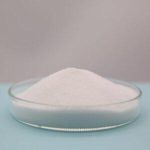
2,2 DIBROMO – 3 – NITRO – PROPIONAMIDE (DBNPA), with chemical formula C₃H₂Br₂N₂O₃ and CAS number 10222-01-2, molecular weight 241.87 g/mol, is a specialized high-performance halogenated antimicrobial compound appearing as white to pale yellow crystalline powder with excellent water solubility and outstanding biocidal properties. DBNPA is a fast-acting, broad-spectrum biocide that provides rapid and effective control of bacteria, fungi, yeasts, and algae in various industrial water systems. The compound works through multiple mechanisms of action, including disruption of cellular metabolism, interference with enzyme systems, and damage to cell walls and membranes, making it highly effective against a wide range of microorganisms while minimizing the likelihood of resistance development. DBNPA represents one of the most effective short-contact-time biocides available, providing exceptional antimicrobial activity, superior biofilm penetration, excellent system compatibility, and outstanding environmental acceptability due to its rapid biodegradation, making it essential for industrial water treatment systems, oil and gas operations, cooling water circuits, metalworking fluids, and specialized applications requiring high-performance microbiological control and reliable antimicrobial behavior.
At Chemicals & Process Equipment Limited, we supply high-performance DBNPA manufactured under stringent quality control standards and international biocide, industrial water treatment, oil and gas, and environmental specifications. Our comprehensive product range includes various concentrations, formulations, and application-specific grades meeting diverse requirements for industrial water treatment, oil field applications, cooling system management, metalworking fluid preservation, and specialized antimicrobial applications across global industrial, petrochemical, manufacturing, and processing markets.
✅ Advanced Biocidal Technology – Optimized Antimicrobial Activity & Multi-Industry Applications
✅ Consistent Quality Standards – Multiple Product Classifications with Comprehensive Documentation
✅ Essential Industrial Biocide – Superior Microbiological Control & Environmental Performance
✅ Multi-Industry Applications – Industrial Water Treatment, Oil & Gas Operations, Cooling Systems, Manufacturing
✅ Technical Support Package – Complete Application Guidance & Performance Optimization
The global industrial biocides market was valued at approximately USD 10.2 billion in 2023 and is projected to reach USD 14.8 billion by 2030, growing at a CAGR of 5.4% during the forecast period. Market expansion is driven by increasing industrial water treatment requirements, growing oil and gas production activities, expanding cooling system applications, and advanced microbiological control technologies requiring high-performance biocidal products.
Technical Specifications & DBNPA Properties
| Property | Technical Grade | Industrial Grade | Oil Field Grade | Cooling Water | Metalworking | Environmental |
|---|---|---|---|---|---|---|
| Purity (%) | 98.0-99.5 | 97.0-99.0 | 95.0-98.5 | 98.0-99.5 | 97.0-99.0 | 98.5-99.5 |
| Water Content (%) | <0.5 | <1.0 | <1.5 | <0.5 | <1.0 | <0.3 |
| pH (1% solution) | 4.0-6.0 | 3.5-6.5 | 3.0-7.0 | 4.0-6.0 | 3.5-6.5 | 4.5-5.5 |
| Melting Point (°C) | 67-71 | 65-72 | 63-73 | 67-71 | 65-72 | 68-70 |
| Decomposition Temp (°C) | 180-200 | 175-205 | 170-210 | 180-200 | 175-205 | 185-195 |
| Bulk Density (kg/m³) | 450-550 | 400-600 | 350-650 | 450-550 | 400-600 | 480-520 |
| Particle Size (μm) | 50-200 | 30-300 | 20-500 | 50-200 | 30-300 | 75-150 |
| Solubility in Water (g/L) | 150-200 | 140-220 | 120-250 | 150-200 | 140-220 | 160-180 |
| Color | White/Pale yellow | White/Yellow | Pale yellow | White | White/Yellow | White |
| Odor | Slight bromine | Slight bromine | Bromine-like | Slight bromine | Slight bromine | Minimal |
| Appearance | Crystalline powder | Crystalline | Granular | Fine powder | Crystalline | Fine crystals |
| Heavy Metals (ppm) | <10 | <20 | <30 | <10 | <20 | <5 |
| Residue on Ignition (%) | <0.1 | <0.2 | <0.3 | <0.1 | <0.2 | <0.05 |
| Free Bromine (ppm) | <50 | <100 | <150 | <50 | <100 | <25 |
| Organic Impurities (%) | <1.0 | <2.0 | <3.0 | <1.0 | <2.0 | <0.5 |
| Moisture Absorption | Low | Low | Medium | Low | Low | Very Low |
| UV Stability | Poor | Poor | Poor | Poor | Poor | Poor |
| Thermal Stability (°C) | Up to 170 | Up to 160 | Up to 150 | Up to 170 | Up to 160 | Up to 175 |
| pH Stability Range | 2-9 | 2-10 | 1-11 | 3-9 | 2-10 | 4-8 |
| Oxidizing Agent Compatibility | Poor | Poor | Poor | Poor | Poor | Poor |
| Reducing Agent Compatibility | Poor | Poor | Poor | Poor | Poor | Poor |
| Metal Compatibility | Fair | Fair | Poor | Fair | Fair | Good |
| Polymer Compatibility | Good | Good | Fair | Good | Good | Very Good |
| Storage Temperature (°C) | 10-25 | 5-30 | 0-35 | 10-25 | 5-30 | 15-22 |
| Storage Humidity (%) | <60 | <65 | <70 | <60 | <65 | <50 |
| Shelf Life (months) | 24 | 18 | 12 | 24 | 18 | 30 |
| Container Material | PE/Glass | PE/Steel | PE/FRP | PE/Glass | PE/Steel | Glass |
| Packaging | Bags/Drums | Bags/Drums | Bulk/Bags | Bags | Bags/Drums | Small containers |
| Transport Class | Class 6.1 | Class 6.1 | Class 6.1 | Class 6.1 | Class 6.1 | Class 6.1 |
| UN Number | UN2811 | UN2811 | UN2811 | UN2811 | UN2811 | UN2811 |
| Packing Group | III | III | III | III | III | III |
| Hazard Label | Toxic | Toxic | Toxic | Toxic | Toxic | Toxic |
| Personal Protection | Full PPE | Full PPE | Enhanced PPE | Full PPE | Full PPE | Full PPE |
| Operating pH Range | 6-9 | 5-10 | 4-11 | 6-9 | 5-10 | 6-8 |
| Temperature Range (°C) | 10-40 | 5-50 | 0-60 | 15-35 | 10-45 | 15-30 |
| Contact Time (min) | 15-60 | 10-120 | 5-240 | 30-90 | 15-60 | 30-60 |
| Dosage Range (ppm) | 5-50 | 2-100 | 1-200 | 10-75 | 5-50 | 10-30 |
| Effective Conc. (ppm) | 10-25 | 5-40 | 2-80 | 15-40 | 10-25 | 15-25 |
| Bacteria Kill (log reduction) | 3-6 | 3-6 | 2-6 | 4-6 | 3-6 | 4-6 |
| Fungi Kill (log reduction) | 2-5 | 2-5 | 1-5 | 3-5 | 2-5 | 3-5 |
| Yeast Kill (log reduction) | 3-5 | 3-5 | 2-5 | 4-5 | 3-5 | 4-5 |
| Algae Kill (log reduction) | 2-4 | 2-4 | 1-4 | 3-4 | 2-4 | 3-4 |
| Biofilm Penetration | Excellent | Excellent | Very Good | Excellent | Excellent | Excellent |
| SRB Control | Very Good | Very Good | Excellent | Good | Very Good | Good |
| Legionella Control | Excellent | Excellent | Very Good | Excellent | Excellent | Excellent |
| Pseudomonas Control | Very Good | Very Good | Good | Very Good | Very Good | Very Good |
| Spore Kill Efficiency | Fair | Fair | Poor | Fair | Fair | Fair |
| Virus Inactivation | Good | Good | Fair | Good | Good | Good |
| MIC Bacteria Control | Excellent | Excellent | Excellent | Good | Excellent | Good |
| Iron Bacteria Control | Very Good | Very Good | Excellent | Good | Very Good | Good |
| Slime Control | Excellent | Excellent | Very Good | Excellent | Excellent | Excellent |
| Biodegradation Rate | Fast | Fast | Fast | Fast | Fast | Fast |
| Half-life in Water (h) | 2-8 | 2-10 | 1-12 | 3-6 | 2-8 | 4-6 |
| Hydrolysis Rate | Fast | Fast | Fast | Fast | Fast | Fast |
| Environmental Fate | Rapid breakdown | Rapid breakdown | Rapid breakdown | Rapid breakdown | Rapid breakdown | Rapid breakdown |
| Aquatic Toxicity | Moderate | Moderate | Moderate-High | Moderate | Moderate | Low-Moderate |
| Biodegradability | High | High | High | High | High | High |
| Bioaccumulation | None | None | None | None | None | None |
| Persistence | Very Low | Very Low | Very Low | Very Low | Very Low | Very Low |
| BOD Impact | Minimal | Minimal | Low | Minimal | Minimal | Minimal |
| COD Impact | Low | Low | Low | Low | Low | Low |
| Chlorine Demand | Low | Low | Medium | Low | Low | Low |
| Ammonia Impact | None | None | None | None | None | None |
| Hardness Tolerance | Excellent | Excellent | Very Good | Excellent | Excellent | Excellent |
| Alkalinity Tolerance | Good | Good | Fair | Good | Good | Very Good |
| Organic Load Tolerance | Fair | Fair | Poor | Fair | Fair | Good |
| Suspended Solids Impact | Medium | Medium | High | Medium | Medium | Low |
| Temperature Sensitivity | Low | Low | Medium | Low | Low | Low |
| pH Sensitivity | Medium | Medium | High | Medium | Medium | Low |
| Foam Generation | None | None | Minimal | None | None | None |
| Staining Potential | None | None | Low | None | None | None |
| Corrosion Potential | Low | Low | Medium | Low | Low | Very Low |
| Material Compatibility | Good | Good | Fair | Good | Good | Excellent |
| System Cleaning Required | No | No | Minimal | No | No | No |
| Residual Monitoring | Not required | Not required | Optional | Not required | Not required | Not required |
| Neutralization Required | No | No | Optional | No | No | No |
| Regulatory Status | Approved | Approved | Approved | Approved | Approved | Approved |
| EPA Registration | Yes | Yes | Yes | Yes | Yes | Yes |
| BPR Compliance | Yes | Yes | Yes | Yes | Yes | Yes |
| FDA Status | Limited | Limited | No | Limited | Limited | Limited |
| NSF Approval | Limited | Limited | No | Limited | Limited | Limited |
| REACH Compliance | Yes | Yes | Yes | Yes | Yes | Yes |
| Cost per kg Active | High | Medium-High | Medium | High | Medium-High | High |
| Application Method | Batch/Continuous | Continuous | Continuous | Batch/Continuous | Batch | Batch/Continuous |
| Feed System | Dry feeder | Solution tank | Injection | Solution tank | Dry feeder | Solution tank |
| Mixing Requirements | Complete | Standard | Minimal | Complete | Standard | Complete |
| Monitoring Needs | Standard | Enhanced | Basic | Standard | Standard | Enhanced |
| Safety Training | Required | Required | Enhanced | Required | Required | Required |
| Technical Support | Complete | Standard | Basic | Complete | Standard | Complete |
Available Product Types:
- Technical Grade DBNPA for general industrial biocide applications
- Industrial Grade DBNPA for water treatment and industrial systems
- Oil Field Grade DBNPA for petroleum industry applications
- Cooling Water Grade DBNPA for cooling tower and heat exchanger systems
- Metalworking Grade DBNPA for metalworking fluid preservation
- Environmental Grade DBNPA for environmentally sensitive applications
- High Purity DBNPA for critical applications
- Granular DBNPA for dry feed applications
- Powder DBNPA for solution preparation
- Stabilized DBNPA for extended shelf life
- Fast-Acting DBNPA for rapid microbial control
- Broad-Spectrum DBNPA for comprehensive antimicrobial activity
- Custom Concentration DBNPA for specific requirements
- Formulated DBNPA Solutions for direct application
- Biocide Blends containing DBNPA for enhanced performance
Specialized Application Solutions:
- Biocidal system design and microbial testing services
- Chemical feed system design and equipment selection
- Dosage optimization and monitoring strategies
- Microbial analysis and performance monitoring services
- System cleaning and biofilm removal guidance
- Safety training and handling procedure development
- Custom formulation and concentration adjustment
- Regulatory compliance assistance and documentation
- Environmental impact assessment and reporting
- Cost optimization and biocide program evaluation
Industrial Water Treatment Applications
Cooling Water Systems Industrial cooling facilities utilize DBNPA for microbial control, biofilm prevention, and system protection requiring cooling water biocide specifications. Power plants, petrochemical facilities, and manufacturing operations employ DBNPA for bacteria elimination, algae control, and cooling applications requiring heat transfer efficiency, corrosion prevention, and operational reliability with typical dosage of 10-40 ppm for shock treatments.
Process Water Treatment Manufacturing facilities use DBNPA for process water disinfection, microbial quality control, and system sanitization requiring process water biocide specifications. Chemical plants, food processors, and industrial operations employ DBNPA for bacteria control, contamination prevention applications requiring product quality protection, process reliability, and regulatory compliance.
Boiler Water Treatment Steam generation systems utilize DBNPA for feedwater disinfection, system cleaning, and microbial control requiring boiler water biocide specifications. Power plants and industrial facilities employ DBNPA for bacteria elimination, biofilm removal applications requiring system efficiency, equipment protection, and operational safety.
Water Storage Systems Industrial water storage facilities use DBNPA for tank disinfection, storage preservation, and microbial prevention requiring water storage biocide specifications. Manufacturing plants employ DBNPA for bacteria control, quality maintenance applications requiring water quality preservation and system protection.
Oil and Gas Applications
Enhanced Oil Recovery Oil production operations utilize DBNPA for injection water treatment, reservoir protection, and microbial control requiring oil field biocide specifications. Petroleum companies employ DBNPA for sulfate-reducing bacteria control, microbiologically influenced corrosion prevention, and production applications requiring reservoir protection, equipment integrity, and operational efficiency with excellent performance against anaerobic bacteria.
Drilling Operations Drilling contractors use DBNPA for drilling fluid preservation, wellbore disinfection, and contamination control requiring drilling fluid biocide specifications. Oil and gas operations employ DBNPA for bacteria elimination, system protection applications requiring drilling efficiency, equipment protection, and environmental compliance.
Pipeline Systems Pipeline operators utilize DBNPA for pipeline disinfection, microbial control, and integrity protection requiring pipeline biocide specifications. Oil and gas companies employ DBNPA for bacteria elimination, corrosion prevention applications requiring flow assurance, system integrity, and operational reliability.
Produced Water Treatment Oil production facilities use DBNPA for produced water disinfection, reinjection preparation, and microbial control requiring produced water biocide specifications. Petroleum operations employ DBNPA for bacteria control, system protection applications requiring environmental compliance and operational efficiency.
Manufacturing Applications
Metalworking Fluids Metalworking operations utilize DBNPA for cutting fluid preservation, microbial control, and system protection requiring metalworking fluid biocide specifications. Manufacturing facilities employ DBNPA for bacteria elimination, fungi control applications requiring fluid stability, equipment protection, and worker health with excellent performance in both water-based and synthetic fluids.
Paper Manufacturing Paper mills use DBNPA for process water treatment, microbial control, and system sanitization requiring paper industry biocide specifications. Paper manufacturers employ DBNPA for bacteria control, slime prevention applications requiring product quality, process efficiency, and equipment protection.
Chemical Manufacturing Chemical processing facilities utilize DBNPA for process sanitization, contamination prevention, and microbial control requiring chemical industry biocide specifications. Chemical plants employ DBNPA for system disinfection, quality control applications requiring product purity, process reliability, and regulatory compliance.
Food Processing Applications Food manufacturing facilities use DBNPA for equipment sanitization, water treatment, and facility disinfection requiring food industry biocide specifications where approved. Food processors employ DBNPA for microbial control, contamination prevention applications requiring food safety, quality assurance, and regulatory compliance.
Specialty Treatment Applications
Reverse Osmosis Systems Membrane treatment facilities utilize DBNPA for membrane sanitization, biofouling prevention, and system protection requiring RO biocide specifications. Water treatment operations employ DBNPA for bacteria elimination, biofilm control applications requiring membrane performance, system efficiency, and operational reliability.
Heat Exchangers Industrial heat transfer systems use DBNPA for fouling prevention, microbial control, and efficiency maintenance requiring heat exchanger biocide specifications. Process industries employ DBNPA for bacteria elimination, biofilm prevention applications requiring heat transfer efficiency and equipment protection.
Storage Tanks Industrial storage facilities utilize DBNPA for tank disinfection, microbial prevention, and content protection requiring storage tank biocide specifications. Chemical and petroleum facilities employ DBNPA for contamination control, quality preservation applications requiring product integrity and system protection.
Wastewater Treatment Industrial wastewater facilities use DBNPA for process optimization, microbial control, and system enhancement requiring wastewater biocide specifications. Treatment plants employ DBNPA for bacteria control, process improvement applications requiring treatment efficiency and system reliability.
Environmental Applications
Water Disinfection Water treatment facilities utilize DBNPA for emergency disinfection, system sanitization, and microbial control requiring water disinfection specifications. Municipal and industrial operations employ DBNPA for rapid bacteria elimination, contamination control applications requiring public health protection and water quality assurance.
Industrial Cleaning Facility maintenance operations use DBNPA for equipment sanitization, surface disinfection, and contamination control requiring industrial cleaning specifications. Manufacturing facilities employ DBNPA for thorough disinfection, microbial elimination applications requiring hygiene standards and operational safety.
Emergency Response Environmental emergency operations utilize DBNPA for rapid disinfection, contamination control, and microbial elimination requiring emergency response specifications. Response teams employ DBNPA for immediate sanitization, public health protection applications requiring rapid action and effective control.
Bioremediation Support Environmental remediation projects use DBNPA for microbial population control, process optimization, and contamination management requiring bioremediation specifications. Environmental contractors employ DBNPA for selective microbial control applications requiring site cleanup effectiveness.
For comprehensive information about DBNPA applications in industrial biocide programs and antimicrobial mechanisms, you can reference this detailed research article on DBNPA biocide effectiveness and applications which provides extensive coverage of DBNPA antimicrobial activity, application optimization, environmental fate, and industrial performance from leading biocide and microbiological control specialists.
Quality Control & Testing Procedures
Comprehensive Quality Assurance Every production batch undergoes extensive testing to ensure compliance with DBNPA standards, biocide regulations, industrial specifications, and international application standards. Our quality control laboratory employs advanced analytical techniques including HPLC analysis, microbiological testing, and comprehensive performance evaluation.
Quality assurance procedures include:
- Purity determination using HPLC methods
- Water content analysis using Karl Fischer titration
- pH measurement using calibrated electrodes
- Melting point determination using DSC analysis
- Decomposition temperature evaluation using TGA
- Bulk density measurement using standardized procedures
- Particle size analysis using sieve analysis
- Solubility testing using dissolution methods
- Color evaluation using visual standards
- Appearance assessment using microscopic examination
- Heavy metals analysis using ICP-MS methods
- Residue on ignition testing using gravimetric methods
- Free bromine determination using titration
- Organic impurities analysis using chromatographic methods
- Moisture absorption testing using humidity chambers
- Thermal stability evaluation using thermal analysis
- pH stability assessment using buffer studies
- Chemical compatibility testing using stability studies
- Antimicrobial efficacy testing using standard methods
- Bacteria kill rate determination using time-kill studies
- Biofilm penetration assessment using biofilm reactors
- Minimum inhibitory concentration testing
- Environmental fate studies using biodegradation tests
- Aquatic toxicity testing using standard protocols
- Stability testing using accelerated aging
- Container compatibility assessment
- Transport stability evaluation
- Quality system compliance using ISO standards
- Regulatory compliance verification
- Customer application support
- Performance monitoring using field testing
- Continuous improvement using statistical analysis
Storage & Handling Procedures Implement proper storage conditions including temperature control, humidity management, protection from light, and comprehensive safety procedures for maintaining DBNPA quality and ensuring safe handling throughout storage and application periods.
Market Applications & Industry Trends
Industrial Expansion Growing industrial water treatment requirements, increasing oil and gas production activities, expanding manufacturing operations, and rising microbiological control standards drive continued demand for high-performance DBNPA in industrial applications requiring reliable antimicrobial activity, effective system protection, and regulatory compliance.
Environmental Regulations Advancing environmental regulations, increasing biocide registration requirements, expanding safety standards, and growing sustainability demands drive development of environmentally acceptable biocide applications requiring rapid biodegradation, low environmental impact, and effective microbial control.
Technology Integration Advanced monitoring systems, automated dosing technologies, real-time microbial detection, and integrated treatment solutions support adoption of optimized DBNPA applications requiring precision control, performance monitoring, and operational efficiency.
Market Consolidation Industry consolidation, supply chain optimization, global standardization, and technology advancement drive market development requiring reliable supply, consistent quality, and technical expertise in biocide applications.
Environmental & Regulatory Compliance
Biocide Regulations DBNPA complies with biocide product regulations, EPA registration requirements, and international antimicrobial guidelines ensuring effective microbial control with established safety criteria and comprehensive environmental assessments for industrial applications.
Industrial Safety Standards Adherence to industrial safety regulations, occupational health requirements, and international safety guidelines ensures safe handling in industrial applications with established safety protocols and worker protection measures.
Environmental Protection Standards Environmental compliance includes aquatic impact assessment, discharge monitoring requirements, and biodegradation studies ensuring responsible use with consideration for environmental protection and rapid breakdown.
Product Registration Comprehensive product registration including efficacy data, environmental fate studies, and safety assessments ensures regulatory compliance and market access across multiple jurisdictions.
Performance Advantages & Technical Benefits
✔ Broad-Spectrum Activity – Outstanding control of bacteria, fungi, yeasts, and algae
✔ Rapid Kill Rates – Fast-acting antimicrobial activity for immediate control
✔ Excellent Biofilm Penetration – Superior ability to penetrate and eliminate biofilms
✔ Low Dosage Effectiveness – Cost-effective treatment with high antimicrobial activity
✔ pH Tolerance – Effective across wide pH ranges in industrial systems
✔ Temperature Stability – Reliable performance across operational temperature ranges
✔ Non-Oxidizing Action – Compatible with system materials and other chemicals
✔ Rapid Biodegradation – Environmentally acceptable with fast breakdown
✔ No Resistance Development – Multiple modes of action prevent microbial resistance
✔ System Compatibility – Excellent compatibility with industrial systems
✔ Regulatory Compliance – EPA registered and internationally approved
✔ Environmental Safety – Low persistence and rapid environmental breakdown
✔ Technical Support – Complete application guidance and optimization services
✔ Quality Assurance – Consistent antimicrobial performance across all batches
✔ Global Availability – Reliable supply chains and worldwide distribution
✔ Proven Performance – Decades of successful industrial biocide applications
Our DBNPA products represent industry-leading standards in broad-spectrum biocide technology and multi-industry antimicrobial solutions, specifically manufactured for demanding industrial water treatment applications, oil and gas operations, manufacturing processes, and specialized antimicrobial projects requiring exceptional microbiological control characteristics, reliable system protection behavior, and comprehensive performance optimization. We provide complete technical support, application guidance, and performance consultation to ensure optimal results across your specialized industrial, oil field, manufacturing, or environmental applications.
For detailed specifications, technical data sheets, or application-specific recommendations, contact our specialized biocides division. We offer complete support including product selection, antimicrobial testing services, dosage optimization, performance monitoring, and technical assistance to maximize biocidal effectiveness in your industrial water treatment, oil and gas, manufacturing, or specialized antimicrobial applications.
For more information about our products, feel free to Contact Us today.
Related products
Recently Viewed

Reviews
There are no reviews yet.