
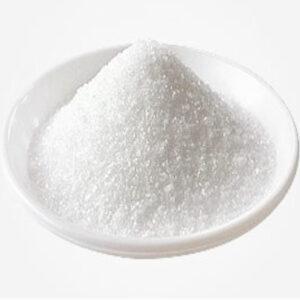
Tartaric Acid Powder
In Stock
Highlights:
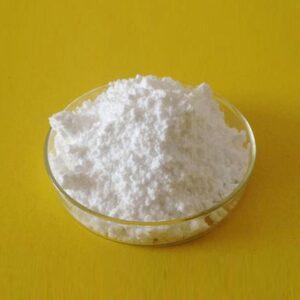
Tartaric Acid Powder
Premium Quality Tartaric Acid Powder – High Performance Acidulant for Food Processing, Wine Production, Pharmaceutical Applications, Industrial Manufacturing & Chemical Synthesis
Tartaric Acid Powder is a high-performance naturally occurring dicarboxylic acid extensively utilized in food acidification, wine production, baking applications, pharmaceutical formulations, industrial manufacturing, and chemical synthesis requiring superior acidulating properties, crystallization control, and exceptional processing versatility.
✅ Ultra-High Performance Tartaric Acid Powder – Superior Acidulation & Multi-Industry Chemical Performance
✅ Multiple Grade Options – Food Grade, Wine Grade, Pharmaceutical Grade, Technical Grade for Specialized Applications
✅ Excellent Acidulating Properties – Natural Origin, FDA GRAS Status for Food & Beverage Performance
✅ Multi-Industry Compatible – Enhanced Food, Beverage, Pharmaceutical, Chemical & Industrial Properties
✅ Food Acidification, Wine Production, Baking Applications, Pharmaceutical Synthesis & Industrial Manufacturing
Description
High-Quality Tartaric Acid Powder
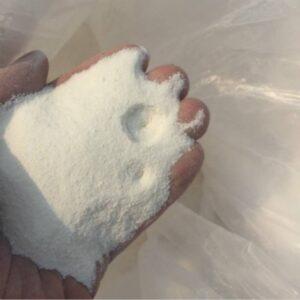
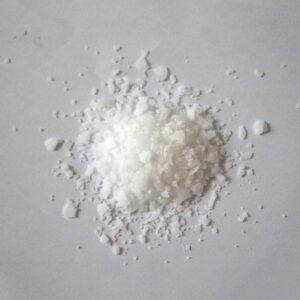
Tartaric acid is a white crystalline organic compound with the formula C₄H₆O₆, whose structure consists of two carboxyl groups attached to adjacent carbon atoms. It is a dihydroxy derivative of succinic acid and exists as several stereoisomers. Tartaric acid occurs naturally in many plants, most notably in grapes, and serves as the primary acid in wine production. This essential chemical compound is specifically formulated for food processing, wine production, baking applications, pharmaceutical manufacturing, industrial processes, and chemical synthesis requiring exceptional acidulating properties, pH control effectiveness, and multi-industry performance.
At Chemicals & Process Equipment Limited, we supply high-performance Tartaric Acid Powder manufactured under stringent quality control standards and international food, beverage, pharmaceutical, and industrial specifications. Our comprehensive product range includes food grades, wine grades, pharmaceutical grades, technical formulations, and custom purity options meeting diverse requirements for food manufacturing, beverage production, wine making, pharmaceutical synthesis, chemical processing, and specialized industrial solutions across global food, beverage, pharmaceutical, chemical, and manufacturing markets.
✅ Advanced Dicarboxylic Acid Technology – Optimized Processing Properties & Multi-Industry Performance
✅ Consistent Quality Standards – Multiple Grade Classifications with Comprehensive Documentation
✅ Essential Food Acidulant – Superior Food, Beverage, Wine & Pharmaceutical Performance
✅ Multi-Industry Applications – Food, Wine, Pharmaceutical, Chemical & Industrial Systems
✅ Technical Support Package – Complete Application Guidance & Performance Optimization
The global tartaric acid market is experiencing steady growth driven by increasing demand in wine production, food processing, pharmaceutical applications, and specialty chemical manufacturing. Market expansion is supported by growing wine consumption, expanding bakery industry, increasing pharmaceutical production, and rising demand for natural food additives.
Technical Specifications & Tartaric Acid Properties
| Property | Food Grade | Wine Grade | Pharmaceutical Grade | Technical Grade | Industrial Grade | Baking Grade |
|---|---|---|---|---|---|---|
| Purity (%) | ≥99.5 | ≥99.7 | ≥99.8 | ≥99.0 | ≥98.5 | ≥99.5 |
| Molecular Formula | C₄H₆O₆ | C₄H₆O₆ | C₄H₆O₆ | C₄H₆O₆ | C₄H₆O₆ | C₄H₆O₆ |
| Molecular Weight | 150.09 g/mol | 150.09 g/mol | 150.09 g/mol | 150.09 g/mol | 150.09 g/mol | 150.09 g/mol |
| Melting Point (°C) | 168-172 | 168-172 | 169-171 | 167-173 | 165-175 | 168-172 |
| Specific Rotation [α]D²⁰ | +11.5° to +13.0° | +12.0° to +13.0° | +11.8° to +12.8° | +11.0° to +13.5° | +10.5° to +14.0° | +11.5° to +13.0° |
| pH (1% Solution) | 2.8-3.2 | 2.8-3.1 | 2.9-3.1 | 2.7-3.3 | 2.5-3.5 | 2.8-3.2 |
| Acid Value (mg KOH/g) | 746-750 | 747-749 | 747-749 | 744-752 | 740-755 | 746-750 |
| Water Solubility (g/100mL at 20°C) | 139 | 139 | 139 | 138-140 | 137-141 | 139 |
| Ethanol Solubility (g/100mL at 20°C) | 20.4 | 20.4 | 20.4 | 20-21 | 19-22 | 20.4 |
| Chloride Content (ppm) | ≤50 | ≤20 | ≤10 | ≤100 | ≤200 | ≤50 |
| Sulfate Content (ppm) | ≤100 | ≤50 | ≤30 | ≤200 | ≤300 | ≤100 |
| Heavy Metals (ppm) | ≤10 | ≤5 | ≤5 | ≤20 | ≤50 | ≤10 |
| Arsenic (ppm) | ≤3 | ≤2 | ≤2 | ≤5 | ≤10 | ≤3 |
| Lead (ppm) | ≤2 | ≤1 | ≤1 | ≤5 | ≤10 | ≤2 |
| Mercury (ppm) | ≤1 | ≤0.5 | ≤0.5 | ≤2 | ≤5 | ≤1 |
| Loss on Drying (%) | ≤0.5 | ≤0.3 | ≤0.2 | ≤1.0 | ≤2.0 | ≤0.5 |
| Residue on Ignition (%) | ≤0.1 | ≤0.05 | ≤0.05 | ≤0.2 | ≤0.5 | ≤0.1 |
| Oxalate Content (ppm) | ≤100 | ≤50 | ≤30 | ≤200 | ≤300 | ≤100 |
| Iron Content (ppm) | ≤5 | ≤3 | ≤3 | ≤10 | ≤20 | ≤5 |
| Density (g/cm³) | 1.76 | 1.76 | 1.76 | 1.75-1.77 | 1.74-1.78 | 1.76 |
| Particle Size (mesh) | 80-120 | 100-200 | 120-200 | 40-80 | 20-60 | 80-120 |
| Bulk Density (g/mL) | 0.85-0.95 | 0.90-1.00 | 0.90-1.00 | 0.80-0.90 | 0.75-0.85 | 0.85-0.95 |
| Crystal Form | Monoclinic crystals | Fine crystals | Fine powder | Crystalline powder | Coarse crystals | Fine powder |
| Color | White | White | White | White to cream | White to off-white | White |
| Odor | Odorless | Odorless | Odorless | Slight | Slight | Odorless |
| Taste | Strongly acidic | Strongly acidic | – | Acidic | – | Strongly acidic |
| Stability | Stable in dry conditions | Stable | Stable | Stable | Stable | Stable |
| Hygroscopicity | Slightly hygroscopic | Slightly hygroscopic | Slightly hygroscopic | Hygroscopic | Hygroscopic | Slightly hygroscopic |
| Vapor Pressure (mmHg at 25°C) | <0.01 | <0.01 | <0.01 | <0.01 | <0.01 | <0.01 |
| pKa1 Value | 2.98 | 2.98 | 2.98 | 2.98 | 2.98 | 2.98 |
| pKa2 Value | 4.34 | 4.34 | 4.34 | 4.34 | 4.34 | 4.34 |
| Optical Activity | L(+) form | L(+) form | L(+) form | L(+) form | Mixed | L(+) form |
| E-Number | E334 | E334 | – | – | – | E334 |
| CAS Number | 87-69-4 | 87-69-4 | 87-69-4 | 87-69-4 | 87-69-4 | 87-69-4 |
| EINECS Number | 201-766-0 | 201-766-0 | 201-766-0 | 201-766-0 | 201-766-0 | 201-766-0 |
| Storage Temperature | 15-25°C | 15-25°C | 15-25°C | 10-30°C | 5-35°C | 15-25°C |
| Shelf Life | 3 years | 3 years | 5 years | 2 years | 2 years | 3 years |
| Packaging Options | 25kg bags, 500kg bags | 25kg drums | 25kg drums, fiber drums | 25kg bags, 1000kg bags | Bulk containers | 25kg bags |
Available Grade Types:
- Food Grade (E334) for food acidification applications
- Wine Grade for wine production and stabilization
- Pharmaceutical Grade (USP/EP) for drug formulations
- Baking Grade for leavening and texture enhancement
- Technical Grade for industrial chemical synthesis
- Industrial Grade for manufacturing processes
- High Purity Grade for analytical applications
- Custom Grades for specialized requirements
Specialized Processing Solutions:
- Crystallization systems for high purity grades
- Particle size control for specific applications
- Optical purity enhancement for pharmaceutical grade
- Custom blending for formulated products
- Packaging in moisture-controlled environment
- Quality testing and certification programs
- Technical documentation support
- Regulatory compliance assistance
Food & Beverage Applications
Food Acidification & Processing Tartaric acid is widely used as a food additive and acidulant in the food industry. Food manufacturers utilize Tartaric Acid Powder for carbonated beverages, fruit juices, candies, and processed foods requiring precise pH control and tartness enhancement. Processing companies employ tartaric acid for flavor enhancement, preservation assistance, and acidity regulation applications.
Bakery & Confectionery Products Baking companies use Tartaric Acid Powder in combination with sodium bicarbonate as a leavening agent in baking powders, providing controlled carbon dioxide release for optimal texture development. Confectionery manufacturers employ tartaric acid for candy production, jellies, and sweet applications requiring controlled acidity and flavor enhancement.
Beverage Manufacturing Beverage producers utilize Tartaric Acid Powder for soft drinks, fruit beverages, and specialty drinks requiring beverage specifications. Manufacturers employ tartaric acid for pH adjustment, flavor balancing, and taste enhancement applications in various beverage formulations.
Gelatin & Jelling Applications Food processors use Tartaric Acid Powder for gelatin products, jams, jellies, and gelling applications requiring controlled pH and gel strength modification. Processing companies employ tartaric acid for texture enhancement, gel formation, and food structuring applications.
Wine Production & Viticulture Applications
Wine Acidification & pH Control Tartaric acid is the most important acid in wine production and winemakers utilize Tartaric Acid Powder for must acidification, pH adjustment, and wine balancing requiring wine specifications. Wineries employ tartaric acid for acidity correction, flavor enhancement, and wine stability applications.
Wine Stabilization & Clarification Wine producers use Tartaric Acid Powder for cold stabilization, crystal formation control, and wine clarification requiring stabilization specifications. Wineries employ tartaric acid for precipitation control, clarity improvement, and wine finishing applications.
Grape Processing & Must Treatment Vintners utilize Tartaric Acid Powder for grape must treatment, fermentation optimization, and wine quality enhancement requiring processing specifications. Wine companies employ tartaric acid for fermentation control, yeast nutrition, and wine production applications.
Specialty Wine Applications Premium wine producers use Tartaric Acid Powder for specialty wines, dessert wines, and premium applications requiring specialty specifications. Boutique wineries employ tartaric acid for unique flavor profiles, quality enhancement, and artisanal wine applications.
Pharmaceutical & Healthcare Applications
Pharmaceutical Manufacturing Pharmaceutical manufacturers utilize Tartaric Acid Powder for drug formulations, tablet manufacturing, and pharmaceutical intermediates requiring pharmaceutical specifications. Drug companies employ tartaric acid for pH adjustment, buffering systems, and pharmaceutical applications.
Effervescent Tablet Production Pharmaceutical manufacturers use Tartaric Acid Powder in effervescent tablets, antacid formulations, and dispersible tablets requiring effervescent specifications. Healthcare companies employ tartaric acid for controlled gas release, dissolution enhancement, and pharmaceutical effervescence applications.
Chiral Resolution & Synthesis Chemical manufacturers utilize Tartaric Acid Powder for chiral resolution, optical separation, and asymmetric synthesis requiring optical specifications. Pharmaceutical companies employ tartaric acid for enantiomer separation, chiral auxiliary applications, and stereochemistry applications.
Medical Applications Healthcare manufacturers use Tartaric Acid Powder for medical formulations, diagnostic reagents, and healthcare products requiring medical specifications. Medical companies employ tartaric acid for analytical applications, diagnostic systems, and medical device applications.
Industrial & Chemical Applications
Chemical Synthesis & Manufacturing Chemical manufacturers utilize Tartaric Acid Powder for chemical synthesis, intermediate production, and specialty chemical manufacturing requiring chemical specifications. Industrial companies employ tartaric acid for organic synthesis, chemical processing, and manufacturing applications.
Metal Processing & Cleaning Industrial manufacturers use Tartaric Acid Powder for metal cleaning, surface preparation, and corrosion removal requiring metal processing specifications. Manufacturing companies employ tartaric acid for descaling, metal treatment, and industrial cleaning applications.
Textile & Leather Processing Textile manufacturers utilize Tartaric Acid Powder for fabric treatment, dyeing processes, and textile finishing requiring textile specifications. Leather processors employ tartaric acid for hide treatment, tanning processes, and leather applications.
Construction & Building Materials Construction companies use Tartaric Acid Powder for cement admixtures, concrete retardation, and construction chemical applications requiring construction specifications. Building material manufacturers employ tartaric acid for setting time control, workability enhancement, and construction applications.
Specialized Applications
Analytical & Laboratory Applications Laboratory suppliers utilize Tartaric Acid Powder for analytical chemistry, buffer solutions, and laboratory reagent applications requiring analytical specifications. Research facilities employ tartaric acid for analytical procedures, quality control, and laboratory applications.
Electroplating & Metal Finishing Electroplating companies use Tartaric Acid Powder for metal finishing, electroplating baths, and surface treatment applications requiring electroplating specifications. Metal finishing companies employ tartaric acid for surface preparation, plating enhancement, and finishing applications.
Photography & Imaging Photographic manufacturers utilize Tartaric Acid Powder for photographic chemicals, developer solutions, and imaging applications requiring photographic specifications. Imaging companies employ tartaric acid for chemical processing, image development, and photographic applications.
Agricultural Applications Agricultural companies use Tartaric Acid Powder for soil conditioning, plant nutrition, and agricultural chemical applications requiring agricultural specifications. Fertilizer manufacturers employ tartaric acid for nutrient chelation, soil treatment, and agricultural applications.
Quality Control & Testing Procedures
Comprehensive Quality Assurance Every production batch undergoes extensive testing to ensure compliance with food safety standards, wine industry requirements, pharmaceutical regulations, and international quality specifications. Our quality control laboratory employs advanced analytical techniques including purity analysis, optical rotation measurement, and microbiological evaluation.
Quality assurance procedures include:
- Purity analysis using HPLC methods with UV detection
- Optical rotation measurement using polarimetric analysis
- Melting point determination using capillary method
- Acid value testing using titration procedures
- pH measurement using calibrated pH meters
- Water content determination using Karl Fischer method
- Heavy metals testing using ICP-MS analysis
- Chloride and sulfate analysis using ion chromatography
- Microbiological testing using standard plate count methods
- Particle size analysis using laser diffraction
- Density measurement using pycnometer method
- Solubility testing in water and ethanol
- Color assessment using colorimetric analysis
- Residue on ignition testing using muffle furnace
- Oxalate content analysis using enzymatic methods
- Iron content determination using atomic absorption
- Specific rotation testing using polarimeter
- Food safety compliance verification
- Wine industry standards compliance testing
- Pharmaceutical standards compliance verification
- Quality consistency monitoring using statistical process control
Application Guidelines & Best Practices
Processing Guidelines Establish proper handling procedures for Tartaric Acid Powder including temperature control, humidity monitoring, and dissolution methods for optimal acidulation effectiveness and product stability in food, wine, pharmaceutical, and industrial applications.
Formulation & Usage Methods Develop appropriate formulation techniques including concentration optimization, pH management, and compatibility testing for maximum performance and product quality in various applications.
Storage & Handling Procedures Implement proper storage conditions including temperature control, moisture protection, and contamination prevention for maintaining Tartaric Acid Powder quality and effectiveness throughout storage periods.
For comprehensive information about tartaric acid properties, wine applications, and chemical characteristics, you can reference this detailed scientific overview of tartaric acid in wine production and food applications which provides extensive coverage of tartaric acid properties, wine stabilization mechanisms, food applications, and regulatory considerations.
For wine industry professionals seeking in-depth technical information, the International Organisation of Vine and Wine (OIV) tartaric acid standards and applications offer authoritative guidance on proper usage in wine production and quality control procedures.
Market Applications & Industry Trends
Food & Beverage Industry Growth Growing demand for natural food additives and clean label ingredients drives continued expansion in tartaric acid applications for food acidification, beverage processing, and natural flavor enhancement solutions.
Wine Industry Expansion Global wine production growth and premium wine market expansion support increased adoption of tartaric acid for wine quality enhancement, stabilization processes, and premium wine applications worldwide.
Pharmaceutical Market Development Expanding pharmaceutical industry reliance on tartaric acid for chiral synthesis and growing drug manufacturing support increased adoption for pharmaceutical formulations, optical resolution, and healthcare applications.
Industrial Applications Innovation Growing industrial processes and expanding specialty chemical demands drive growth in chemical synthesis, metal processing, and specialized industrial applications requiring high-quality tartaric acid.
Environmental & Regulatory Compliance
Food Safety Standards & Certifications Tartaric Acid Powder complies with FDA GRAS status, EU food additive regulations (E334), and international food safety guidelines ensuring safe use in food and beverage applications with established acceptable daily intake levels.
Wine Industry Standards & Quality Adherence to OIV (International Organisation of Vine and Wine) standards, wine industry regulations, and international wine quality guidelines supports responsible use in wine production and viticulture applications.
Pharmaceutical Standards & Safety Compliance with USP/EP pharmacopeial standards, GMP manufacturing guidelines, and international pharmaceutical regulations ensures appropriate use in drug formulations and medical applications.
Environmental Standards & Sustainability Adherence to environmental regulations, biodegradability assessments, and sustainability guidelines ensures responsible use in environmentally conscious applications and industrial stewardship.
Performance Advantages & Technical Benefits
✔ Superior Acidulation Properties – Outstanding pH control and tartness enhancement capabilities
✔ Excellent Solubility Characteristics – High water solubility for easy processing and application
✔ Natural Origin – Naturally occurring in grapes for clean label applications
✔ Chemical Stability – Stable under normal storage and processing conditions
✔ Optical Activity – Chiral properties valuable for pharmaceutical synthesis
✔ Regulatory Approved – FDA GRAS status and EU E334 approval for food use
✔ Multi-Industry Applications – Suitable for food, wine, pharmaceutical, and industrial uses
✔ Buffering Capacity – Effective pH buffering in various systems
✔ High Purity Available – Multiple grade options for specific requirements
✔ Established Safety Profile – Long history of safe use in food and beverages
✔ Wine Industry Standard – Primary acid for wine production and stabilization
✔ Processing Versatility – Compatible with various manufacturing processes
✔ Crystallization Control – Useful for controlling crystal formation in applications
✔ Leavening Properties – Effective in baking powder formulations
✔ Metal Chelation – Ability to complex with metal ions for various applications
Our Tartaric Acid Powder products represent industry-leading standards in food acidulation technology and multi-industry chemical solutions, specifically formulated for demanding food operations, wine production, pharmaceutical applications, chemical synthesis, and specialized industrial processes. We provide comprehensive technical support, formulation guidance, and regulatory consultation to ensure optimal performance across your specialized food, wine, pharmaceutical, chemical, or industrial applications.
For detailed specifications, technical data sheets, or application-specific recommendations, contact our specialized chemical products division. We offer complete support including formulation optimization, regulatory guidance, and technical assistance to maximize effectiveness in your food, wine, pharmaceutical, chemical, or industrial applications.
For more information about our products, feel free to Contact Us today.
Related products
Reviews
There are no reviews yet.