
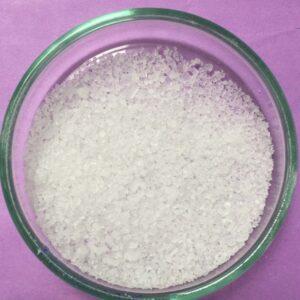
Monosodium Phosphate MSP 98%min
In Stock
Highlights:
Monosodium Phosphate MSP 98%min
Premium Grade Monosodium Phosphate 98%min – Essential Chemical Intermediate for Food Processing, Industrial Applications & Water Treatment Systems
Monosodium Phosphate (MSP) 98%min is a premium-grade sodium phosphate compound essential for food processing, industrial manufacturing, and water treatment applications requiring high purity and consistent performance.
✅ High Purity Grade – 98% Minimum Purity & Pharmaceutical Quality Standards
✅ Food Grade Certified – FDA Approved for Food Processing & Additive Applications
✅ Industrial Applications – Detergents, Water Treatment & Metal Processing
✅ Superior Solubility – Excellent Dissolution & Processing Characteristics
✅ Quality Assurance – Comprehensive Analysis & Batch Consistency
Description
Premium Monosodium Phosphate 98%min for Food & Industrial Applications
Monosodium Phosphate (MSP) 98%min represents advanced phosphate chemistry specifically formulated to deliver superior performance in food processing, industrial manufacturing, and water treatment applications requiring high-purity sodium phosphate compounds and consistent chemical properties. This premium-grade monosodium phosphate provides excellent buffering capacity, optimal pH control characteristics, and reliable functionality across food additives, detergent manufacturing, metal surface treatment, ceramic production, and specialty chemical formulations demanding pharmaceutical-grade quality and regulatory compliance standards.
At Chemicals & Process Equipment Limited, we supply high-quality Monosodium Phosphate 98%min manufactured under strict pharmaceutical and food-grade standards with comprehensive quality control and international certifications. Our complete phosphate product range includes food-grade MSP, technical-grade formulations, and specialty phosphate compounds meeting diverse requirements for food processing, industrial applications, water treatment systems, and specialty chemical manufacturing across global food, chemical, and industrial processing markets.
For comprehensive information about phosphate chemistry and industrial applications, we recommend exploring Phosphorus Chemistry in Everyday Living by the American Chemical Society, providing authoritative guidance on phosphate compounds and their industrial uses.
✅ Advanced Phosphate Chemistry – Superior Buffering & pH Control Properties
✅ Professional Quality Standards – Food Grade & Technical Specifications
✅ Complete Chemical Package – High Purity & Consistent Performance
✅ Versatile Industrial Applications – Food, Detergent, Water Treatment & Metal Processing
✅ Expert Technical Support – Application Guidance & Formulation Development
The Global Sodium Phosphate Market is valued at approximately $2.1 billion in 2025 and is projected to reach $2.8 billion by 2030, exhibiting a CAGR of 5.9% during the forecast period. This growth is driven by increasing food processing demand, expanding detergent industry requirements, growing water treatment applications, and rising adoption of specialty phosphate chemicals across international industrial markets.
Technical Specifications & MSP 98%min Properties
| Property | Food Grade | Technical Grade | Pharmaceutical Grade | Industrial Grade |
|---|---|---|---|---|
| Assay (NaH₂PO₄·H₂O) | ≥98.0% | ≥98.0% | ≥99.0% | ≥97.5% |
| Assay (NaH₂PO₄·2H₂O) | ≥98.5% | ≥98.0% | ≥99.2% | ≥98.0% |
| pH (1% solution) | 4.1-4.7 | 4.0-4.8 | 4.2-4.6 | 4.0-5.0 |
| Loss on Drying | ≤2.0% | ≤3.0% | ≤1.5% | ≤3.5% |
| Water Insoluble | ≤0.2% | ≤0.5% | ≤0.1% | ≤1.0% |
| Chloride (Cl) | ≤0.04% | ≤0.1% | ≤0.02% | ≤0.2% |
| Sulfate (SO₄) | ≤0.04% | ≤0.1% | ≤0.02% | ≤0.2% |
| Heavy Metals (as Pb) | ≤10 ppm | ≤20 ppm | ≤5 ppm | ≤50 ppm |
| Arsenic (As) | ≤3 ppm | ≤10 ppm | ≤1 ppm | ≤20 ppm |
| Iron (Fe) | ≤30 ppm | ≤100 ppm | ≤10 ppm | ≤200 ppm |
| Fluoride (F) | ≤25 ppm | ≤50 ppm | ≤10 ppm | ≤100 ppm |
| Lead (Pb) | ≤2 ppm | ≤10 ppm | ≤1 ppm | ≤20 ppm |
| Cadmium (Cd) | ≤1 ppm | ≤5 ppm | ≤0.5 ppm | ≤10 ppm |
| Mercury (Hg) | ≤1 ppm | ≤3 ppm | ≤0.1 ppm | ≤5 ppm |
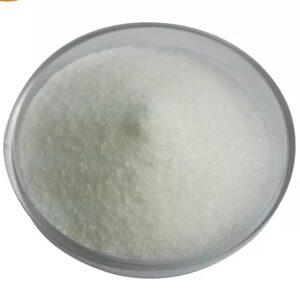
| Appearance | White Crystals | White Crystals | White Crystals | White Crystals |
| Solubility @ 20°C | 85.2 g/100mL | 85.0 g/100mL | 85.5 g/100mL | 84.5 g/100mL |
| Bulk Density | 1.3-1.6 g/cm³ | 1.2-1.7 g/cm³ | 1.4-1.5 g/cm³ | 1.1-1.8 g/cm³ |
| Particle Size | 20-80 mesh | 10-100 mesh | 40-80 mesh | 8-120 mesh |
| Crystal Form | Monohydrate/Dihydrate | Variable | Monohydrate | Variable |
| Molecular Weight | 137.99/155.99 g/mol | 137.99/155.99 g/mol | 137.99 g/mol | 137.99/155.99 g/mol |
| Melting Point | 60°C (dihydrate) | 60°C (dihydrate) | 60°C (dihydrate) | 60°C (dihydrate) |
| Storage Stability | 36 months | 24 months | 48 months | 18 months |
| Microbiological Limits | USP Standards | Industrial Standards | USP/EP Standards | Basic Standards |
| Total Plate Count | ≤1000 cfu/g | ≤10000 cfu/g | ≤100 cfu/g | ≤50000 cfu/g |
| Yeast & Mold | ≤100 cfu/g | ≤1000 cfu/g | ≤10 cfu/g | ≤5000 cfu/g |
| E. coli | Negative | ≤10 cfu/g | Negative | ≤100 cfu/g |
| Salmonella | Negative | Negative | Negative | Negative |
| Packaging | Food Grade Bags | Industrial Bags | Pharma Containers | Standard Bags |
Available Product Forms:
- Monosodium phosphate monohydrate for general applications
- Monosodium phosphate dihydrate for specific formulations
- Food-grade MSP for food processing and additive applications
- Technical-grade MSP for industrial manufacturing
- Pharmaceutical-grade MSP for medical and pharmaceutical uses
- Fine powder for specialized applications and formulations
- Granular form for ease of handling and processing
- Custom specifications for specific customer requirements
Specialized Packaging Solutions:
- 25kg food-grade bags with PE lining for food applications
- 50kg industrial bags for commercial manufacturing
- 500kg big bags for large-scale operations
- 1000kg bulk containers for industrial processing
- Pharmaceutical containers for medical applications
- Moisture-resistant packaging with barrier properties
- Custom packaging for specific handling requirements
- Temperature-controlled packaging for sensitive applications
Food Processing Applications
Baking & Confectionery Food manufacturers utilize MSP 98%min as leavening agent, pH regulator, and processing aid in baking powders, cake mixes, and confectionery products requiring consistent leavening performance and product quality. Commercial baking employs MSP for texture improvement and shelf-life extension.
Dairy Products Dairy processors use MSP for cheese manufacturing, milk protein modification, and dairy product stabilization requiring pH control and protein functionality enhancement. Industrial dairy production employs MSP for product consistency and processing efficiency.
Meat Processing Meat processors utilize MSP for pH adjustment, water retention, and product quality improvement in processed meats, sausages, and cured products requiring food safety and quality standards. Commercial meat production employs MSP for texture and preservation enhancement.
Beverage Industry Beverage manufacturers use MSP for pH buffering, flavor enhancement, and product stability in soft drinks, juices, and specialty beverages requiring taste profile control and product consistency. Beverage production employs MSP for quality assurance and consumer acceptance.
Industrial Manufacturing Applications
Detergent & Cleaning Products Detergent manufacturers utilize MSP 98%min as builder, pH buffer, and processing aid in laundry detergents, dishwashing products, and industrial cleaners requiring cleaning performance and product stability. Commercial cleaning product production employs MSP for effectiveness and consumer satisfaction.
Water Treatment Systems Water treatment facilities use MSP for pH adjustment, corrosion inhibition, and water conditioning in boiler water treatment, cooling systems, and industrial water processing requiring scale prevention and system protection. Municipal and industrial water treatment employs MSP for operational efficiency.
Metal Surface Treatment Metal processing industries utilize MSP for surface preparation, rust conversion, and metal conditioning in phosphating processes, surface coating preparation, and corrosion protection requiring consistent treatment results. Industrial metal finishing employs MSP for quality and durability.
Ceramic & Glass Manufacturing Ceramic manufacturers use MSP as flux agent, deflocculant, and processing aid in ceramic glazes, pottery production, and glass manufacturing requiring consistent properties and processing characteristics. Ceramic production employs MSP for quality control and manufacturing efficiency.
Chemical Processing Applications
Pharmaceutical Intermediates Pharmaceutical manufacturers utilize pharmaceutical-grade MSP for drug formulations, buffer systems, and active pharmaceutical ingredient synthesis requiring USP/EP compliance and pharmaceutical quality standards. Drug production employs MSP for therapeutic efficacy and regulatory compliance.
Agricultural Chemicals Agrochemical manufacturers use MSP for fertilizer production, pesticide formulations, and agricultural chemical processing requiring nutrient availability and agricultural effectiveness. Crop protection employs MSP-based formulations for agricultural productivity.
Specialty Chemical Synthesis Chemical manufacturers utilize MSP as intermediate, catalyst, and processing aid in specialty chemical production, polymer synthesis, and fine chemical manufacturing requiring specific chemical properties and reaction characteristics. Specialty chemical production employs MSP for product development and manufacturing efficiency.
Laboratory & Research Applications Research institutions use analytical-grade MSP for buffer preparation, analytical chemistry, and laboratory applications requiring high purity and consistent performance. Academic and industrial R&D employs MSP for accurate analytical results and research reliability.
Water Treatment & Environmental Applications
Municipal Water Treatment Municipal utilities utilize MSP for drinking water pH adjustment, corrosion control, and water quality improvement requiring regulatory compliance and public health protection. Public water systems employ MSP for water quality standards and consumer safety.
Industrial Water Processing Industrial facilities use MSP for boiler water treatment, cooling water conditioning, and process water quality control requiring scale prevention, corrosion protection, and operational efficiency. Industrial water treatment employs MSP for cost-effective system maintenance.
Wastewater Treatment Wastewater treatment plants utilize MSP for pH control, precipitation reactions, and effluent quality improvement requiring environmental compliance and discharge standards. Municipal and industrial wastewater treatment employs MSP for regulatory compliance.
Swimming Pool & Spa Treatment Pool service professionals use MSP for pH adjustment, water balance, and chemical treatment requiring water quality maintenance and bather safety. Recreational water treatment employs MSP for water clarity and sanitization effectiveness.
Textile & Leather Processing
Textile Manufacturing Textile manufacturers utilize MSP for fabric processing, dyeing operations, and textile finishing requiring pH control and processing consistency. Commercial textile production employs MSP for color fastness and fabric quality.
Leather Processing Leather manufacturers use MSP for hide processing, tanning operations, and leather finishing requiring pH adjustment and processing optimization. Commercial leather production employs MSP for product quality and processing efficiency.
Fiber Production Synthetic fiber manufacturers utilize MSP for polymer processing, fiber spinning, and textile applications requiring specific chemical properties and processing characteristics. Industrial fiber production employs MSP for product development and quality control.
Dyeing & Printing Textile dyeing facilities use MSP for dye bath preparation, color development, and printing applications requiring consistent results and color quality. Commercial textile dyeing employs MSP for reproducible results and customer satisfaction.
Personal Care & Cosmetics
Oral Care Products Personal care manufacturers utilize food-grade MSP for toothpaste formulations, mouth rinses, and oral care products requiring safety and effectiveness standards. Oral care production employs MSP for consumer health and product performance.
Cosmetic Formulations Cosmetic manufacturers use MSP for pH adjustment, formulation stability, and product consistency in creams, lotions, and specialty cosmetics requiring consumer safety and product quality. Beauty product manufacturing employs MSP for formulation optimization.
Pharmaceutical Preparations Pharmaceutical companies utilize USP-grade MSP for tablet formulations, liquid preparations, and pharmaceutical products requiring pharmaceutical quality and regulatory compliance. Drug manufacturing employs MSP for therapeutic effectiveness and patient safety.
Veterinary Applications Veterinary pharmaceutical manufacturers use MSP for animal health products, feed additives, and veterinary preparations requiring animal safety and agricultural standards. Animal health employs MSP for livestock health and productivity.
Application Guidelines & Dosage Recommendations
Food Processing Applications Use MSP at 0.1-2.0% concentration based on food type and processing requirements. Monitor pH levels and adjust dosage for optimal product quality and regulatory compliance. Follow FDA guidelines for food additive use.
Detergent Formulations Incorporate MSP at 2-8% by weight in detergent formulations based on cleaning performance requirements and product specifications. Balance with other builders and surfactants for optimal cleaning effectiveness.
Water Treatment Systems Apply MSP at 10-100 ppm based on water chemistry and treatment objectives. Monitor system pH and adjust dosage for corrosion control and scale prevention. Maintain proper chemical balance for system protection.
Industrial Processing Use MSP concentrations of 0.5-10% based on application requirements and processing conditions. Conduct compatibility testing and optimize dosage for specific manufacturing processes and quality standards.
Quality Control & Manufacturing Standards
Comprehensive Quality Assurance Every production batch undergoes rigorous testing to ensure purity, chemical composition, physical properties, and application-specific performance. Our quality control laboratory employs advanced analytical methods including wet chemistry, instrumental analysis, and microbiological testing.
Quality assurance procedures include:
- Assay determination using titration methods and gravimetric analysis
- pH measurement in standardized solutions using calibrated instruments
- Moisture content analysis using Karl Fischer titration and oven drying
- Heavy metal analysis using ICP-MS and atomic absorption spectroscopy
- Chloride and sulfate content determination using ion chromatography
- Microbiological testing including total plate count and pathogen screening
- Particle size analysis using laser diffraction and sieve analysis
- Solubility testing using standardized dissolution procedures
- Crystal form identification using X-ray diffraction analysis
- Stability testing under controlled temperature and humidity conditions
- Packaging integrity testing and shelf-life validation
- Certificate of analysis preparation with complete test results
Storage & Handling Procedures
Proper Storage Conditions Store MSP 98%min in cool, dry, well-ventilated areas away from moisture and incompatible chemicals. Maintain storage temperature below 30°C and relative humidity below 60% for optimal product stability and quality preservation.
Material Handling Safety Use appropriate personal protective equipment including dust masks, safety glasses, and protective clothing when handling MSP products. Ensure adequate ventilation and follow established safety protocols for chemical handling and processing.
Moisture Protection Implement moisture control through proper packaging, sealed storage containers, and climate control systems. Monitor humidity levels and use desiccants when necessary to prevent caking and maintain product quality.
Inventory Management Implement first-in-first-out inventory rotation to maintain product freshness and prevent degradation. Regular inspection and proper storage practices ensure consistent product quality and performance characteristics.
Environmental & Safety Compliance
Food Safety Standards MSP 98%min complies with FDA food additive regulations, GRAS status requirements, and international food safety standards ensuring appropriate use in food processing and consumer product applications.
Occupational Safety Adherence to OSHA workplace safety standards, industrial hygiene practices, and chemical handling procedures ensuring worker safety and health protection throughout manufacturing and application processes.
Environmental Protection Compliance with environmental regulations, waste management standards, and sustainability practices ensuring responsible manufacturing and use while minimizing environmental impact and supporting green chemistry principles.
Regulatory Documentation Comprehensive regulatory compliance documentation including certificates of analysis, safety data sheets, and regulatory status letters supporting customer compliance and product registration requirements.
Performance Benefits & Technical Advantages
✔ High Purity Grade – 98% minimum purity for consistent performance and quality
✔ Food Grade Certified – FDA approved for safe use in food processing applications
✔ Superior Solubility – Excellent dissolution characteristics for easy processing
✔ pH Buffering Capacity – Effective pH control and buffering performance
✔ Versatile Applications – Suitable for food, industrial, and specialty uses
✔ Consistent Quality – Rigorous quality control and batch-to-batch consistency
✔ Regulatory Compliance – Meets international food and industrial standards
✔ Technical Support – Expert guidance and application development assistance
✔ Reliable Supply – Stable production and global distribution network
✔ Cost Effectiveness – Competitive pricing with superior performance value
✔ Safety Profile – Generally recognized as safe (GRAS) for food use
✔ Storage Stability – Extended shelf life with proper handling conditions
Market Applications & Industry Trends
Food Industry Growth Expanding food processing industry and increasing demand for processed foods drive growing demand for food-grade phosphate compounds in baking, dairy, meat processing, and beverage applications across global food markets.
Detergent Industry Development Growing detergent and cleaning products market supports demand for specialty phosphate builders and processing aids requiring high-performance chemical intermediates for consumer and industrial applications.
Water Treatment Expansion Increasing water treatment infrastructure and stricter water quality regulations drive demand for specialty phosphate chemicals in municipal and industrial water treatment applications worldwide.
Specialty Chemical Applications Developing specialty chemical markets and increasing demand for high-purity chemicals support growth in pharmaceutical, cosmetic, and industrial applications requiring premium-grade phosphate compounds.
Our Monosodium Phosphate 98%min products represent industry-leading standards in phosphate chemistry and industrial applications, specifically formulated for demanding food processing, industrial manufacturing, water treatment, and specialty chemical applications. We provide comprehensive technical support, application development assistance, and regulatory compliance support to ensure maximum performance and safety across your food production, chemical manufacturing, or industrial processing operations.
For detailed specifications, regulatory documentation, or application-specific recommendations, contact our technical specialists. We offer complete support including formulation development, quality assurance, and regulatory compliance assistance to maximize effectiveness in your food processing, industrial manufacturing, or specialty chemical applications.
For more information about our products, feel free to Contact Us today.
Related products
Featured
Featured
Featured
Featured
Featured
Recently Viewed
Reviews
There are no reviews yet.