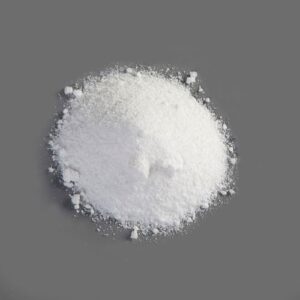
DITHIOPHOSPHATE
In Stock
Highlights:
DITHIOPHOSPHATE – Advanced Mining Flotation & Industrial Chemical Solution
Professional Dithiophosphate – High-Performance Flotation Collector, Sulfide Mineral Processing Agent, Selective Mining Chemical, Zinc Flotation Reagent, Lead-Zinc Separation Aid & Specialized Chemical Solution for Mining Operations, Mineral Processing, Ore Beneficiation, Metal Recovery & Advanced Flotation Technology
✅ Premium Flotation Collector – Superior Selectivity & Mineral Processing Performance
✅ Mining Excellence – Outstanding Collector Properties & Processing Compatibility
✅ Flotation Proven – Exceptional Sulfide Mineral Recovery & Separation Applications
✅ Selective Performance – Superior Lead-Zinc Separation & Mineral Selectivity
✅ Quality Assured – Mining, Industrial & Global Standards Compliance Worldwide
Description
High Purity Dithiophosphate
Dithiophosphate, featuring organophosphorus structure with general formula (RO)₂PS₂⁻ and superior flotation collector properties, appearing as amber to dark liquid with exceptional sulfide mineral affinity, outstanding selectivity characteristics, and superior mining compatibility across diverse mineral processing applications, is a specialized organic collector with excellent flotation performance, enhanced mineral recovery efficiency, and superior functionality in sulfide flotation, lead-zinc separation, copper flotation, precious metal recovery, and industrial mineral processing. Dithiophosphate is an organophosphorus compound extensively used for mining flotation operations, mineral processing, ore beneficiation, and specialized metallurgical applications. Dithiophosphate was first used in 1925, and it is widely used in the flotation of sulfide minerals, second only to xanthate, making it one of the most important flotation collectors in the mining industry. The compound exhibits exceptional collecting behavior and provides superior mineral selectivity making it ideal for mining operations, mineral processing, ore beneficiation, and specialized metallurgical operations. Dithiophosphate is specifically processed to provide enhanced flotation performance, improved mineral recovery, and superior results in applications requiring effective sulfide collection, reliable mineral separation, stable flotation behavior, and industrial-grade performance in mining operations, ore processing, metal recovery, and specialized applications. In addition to its collecting properties, it also has foaming properties. The nature of dithiophosphate is relatively stable and difficult to decompose, making it function as one of the most versatile mining and industrial chemicals available, being highly selective and providing excellent processing properties, delivering broad-spectrum mineral compatibility, effective flotation performance, excellent chemical compatibility under processing conditions, and outstanding safety profile during handling and application. Dithiophosphate represents one of the most essential and versatile chemicals in modern mining operations, mineral processing, metallurgical applications, and specialized flotation sectors, providing exceptional collector properties, superior processing characteristics, excellent environmental compatibility, and outstanding regulatory compliance during manufacturing and application, making it essential for sulfide flotation, lead-zinc separation, copper recovery, precious metal processing, and specialized applications requiring high-performance flotation technology and regulatory approval with international mining and processing standards.
At Chemicals & Process Equipment Limited, we supply advanced Dithiophosphate manufactured under stringent quality control standards and international mining, industrial, metallurgical, and safety specifications. Our comprehensive product range includes various alkyl chain lengths, concentration grades, and specialized formulations meeting diverse requirements for mining flotation, mineral processing, ore beneficiation, metal recovery, and specialized applications across global mining, metallurgical, chemical, and processing markets.
✅ Advanced Flotation Technology – Optimized Mining & Mineral Processing Performance
✅ Consistent Quality Standards – Multiple Product Classifications with Complete Documentation
✅ Essential Mining Chemical – Superior Collector Properties & Safety Compatibility
✅ Multi-Industry Applications – Mining, Metallurgy, Mineral Processing & Chemical Industries
✅ Technical Support Package – Complete Application Guidance & Performance Optimization
The global flotation chemicals market, including dithiophosphate products, was valued at approximately USD 2.8 billion in 2023 and is projected to reach USD 4.1 billion by 2030, growing at a CAGR of 5.6% during the forecast period. Market expansion is driven by increasing mining activities, growing demand for base metals, expanding mineral processing operations, and rising flotation technology requirements across multiple sectors.
Technical Specifications & Properties
| Property | Mining Grade | Industrial Grade | High Purity Grade | Zinc Flotation Grade | Lead Flotation Grade | Copper Flotation Grade |
|---|---|---|---|---|---|---|
| Active Content (%) | 45-55 | 40-50 | 55-65 | 48-58 | 45-55 | 50-60 |
| Dithiophosphate Content (%) | 48.0-52.0 | 42.0-48.0 | 58.0-62.0 | 50.0-56.0 | 47.0-53.0 | 52.0-58.0 |
| Phosphorus (P) Content (%) | 8.5-9.5 | 7.5-8.5 | 9.5-10.5 | 8.8-9.8 | 8.2-9.2 | 9.0-10.0 |
| Sulfur (S) Content (%) | 14.0-16.0 | 12.0-15.0 | 15.5-17.5 | 14.5-16.5 | 13.5-15.5 | 14.8-16.8 |
| Water Content (%) | 45-55 | 50-58 | 35-45 | 42-52 | 45-55 | 40-50 |
| pH (1% solution) | 8.0-10.5 | 7.5-10.0 | 8.5-11.0 | 8.2-10.8 | 7.8-10.2 | 8.5-10.8 |
| Density (g/cm³, 20°C) | 1.05-1.15 | 1.02-1.12 | 1.08-1.18 | 1.06-1.16 | 1.04-1.14 | 1.07-1.17 |
| Viscosity (cP, 25°C) | 5-15 | 3-12 | 8-20 | 6-16 | 5-15 | 7-18 |
| Surface Tension (mN/m) | 28-35 | 25-32 | 30-38 | 29-36 | 27-34 | 30-37 |
| Critical Micelle Concentration (mg/L) | 80-120 | 70-110 | 90-130 | 85-125 | 75-115 | 88-128 |
| Foaming Index | 150-250 | 120-220 | 180-280 | 160-260 | 140-240 | 170-270 |
| Collecting Power (Hallimond tube) | 85-95% | 80-90% | 90-98% | 88-96% | 83-93% | 87-95% |
| Selectivity Index | 3.5-4.8 | 3.0-4.3 | 4.0-5.2 | 4.2-5.0 | 3.8-4.6 | 3.6-4.4 |
| Decomposition Temperature (°C) | >180 | >170 | >190 | >185 | >175 | >185 |
| Freezing Point (°C) | -15 to -5 | -18 to -8 | -12 to -2 | -16 to -6 | -17 to -7 | -14 to -4 |
| Flash Point (°C) | >100 | >95 | >105 | >102 | >98 | >103 |
| Specific Gravity | 1.06-1.14 | 1.03-1.11 | 1.09-1.17 | 1.07-1.15 | 1.05-1.13 | 1.08-1.16 |
| Refractive Index (nD²⁰) | 1.48-1.52 | 1.46-1.50 | 1.50-1.54 | 1.49-1.53 | 1.47-1.51 | 1.49-1.53 |
| Alkyl Chain Length | C4-C8 | C3-C6 | C6-C10 | C4-C8 | C4-C6 | C6-C8 |
| Heavy Metals (ppm) | <50 | <100 | <20 | <40 | <60 | <35 |
| Iron (Fe) Content (ppm) | <100 | <200 | <50 | <80 | <120 | <70 |
| Copper (Cu) Content (ppm) | <50 | <100 | <25 | <40 | <60 | <30 |
| Lead (Pb) Content (ppm) | <30 | <60 | <15 | <25 | <35 | <20 |
| Zinc (Zn) Content (ppm) | <50 | <100 | <25 | <40 | <60 | <30 |
| Chloride (Cl) Content (%) | <0.5 | <1.0 | <0.3 | <0.4 | <0.6 | <0.4 |
| Sulfate (SO₄) Content (%) | <0.3 | <0.6 | <0.2 | <0.25 | <0.35 | <0.25 |
| Free Acid (%) | <0.1 | <0.2 | <0.05 | <0.08 | <0.12 | <0.08 |
| Free Alkali (%) | <0.2 | <0.4 | <0.1 | <0.15 | <0.25 | <0.15 |
| Color | Amber | Light Brown | Dark Amber | Golden | Brown | Dark Golden |
| Odor | Characteristic | Mild | Strong | Moderate | Mild | Moderate |
| Appearance | Clear Liquid | Liquid | Viscous Liquid | Clear Solution | Solution | Clear Liquid |
| Stability (months) | 24 | 18 | 30 | 24 | 20 | 26 |
| Storage Temperature (°C) | 5-35 | 0-40 | 10-30 | 5-35 | 2-38 | 8-32 |
| Solubility in Water | Dispersible | Soluble | Partially Soluble | Dispersible | Soluble | Dispersible |
| Thermal Stability | Good | Fair | Excellent | Good | Fair | Good |
| Chemical Stability | Excellent | Good | Outstanding | Very Good | Good | Very Good |
| Oxidation Resistance | Good | Fair | Excellent | Good | Fair | Good |
| Hydrolysis Resistance | Very Good | Good | Excellent | Very Good | Good | Very Good |
| Processing Temperature (°C) | 15-45 | 10-50 | 20-40 | 15-45 | 12-48 | 18-42 |
| Flotation pH Range | 4-11 | 3-12 | 5-10 | 4-11 | 3-11 | 5-11 |
| Optimal pH Range | 8-10 | 7-11 | 9-10.5 | 8.5-10 | 7.5-10 | 8.5-10.5 |
| Dosage Range (g/t) | 20-150 | 15-120 | 25-180 | 30-160 | 25-140 | 35-170 |
| Contact Time (min) | 2-8 | 1-10 | 3-6 | 2-8 | 2-9 | 3-7 |
| Temperature Range (°C) | 5-60 | 0-65 | 10-55 | 5-60 | 2-62 | 8-58 |
| Conditioning Time (min) | 3-10 | 2-12 | 4-8 | 3-10 | 3-11 | 4-9 |
| Selectivity vs Pyrite | Excellent | Good | Outstanding | Very Good | Good | Very Good |
| Selectivity vs Quartz | Very Good | Good | Excellent | Very Good | Fair | Good |
| Selectivity vs Calcite | Good | Fair | Very Good | Good | Good | Good |
| Copper Recovery (%) | 85-95 | 80-90 | 90-98 | 83-93 | 82-92 | 88-96 |
| Lead Recovery (%) | 88-96 | 83-93 | 92-99 | 85-95 | 90-98 | 86-94 |
| Zinc Recovery (%) | 90-98 | 85-95 | 94-99.5 | 92-99 | 88-96 | 89-97 |
| Silver Recovery (%) | 85-94 | 80-89 | 90-97 | 83-92 | 87-95 | 84-93 |
| Environmental Impact | Low | Moderate | Very Low | Low | Low | Low |
| Biodegradability | Good | Fair | Very Good | Good | Good | Good |
| Toxicity Level | Low | Moderate | Very Low | Low | Low | Low |
| Packaging | 200kg Drums | 1000L IBC | 20kg Cans | 200kg Drums | 500L Containers | 25kg Jerrycans |
| Shelf Life (months) | 24 | 18 | 30 | 24 | 20 | 26 |
| Regulatory Status | Mining | Industrial | Analytical | Zinc Processing | Lead Processing | Copper Processing |
Available Product Types:
- Mining Grade for general sulfide mineral flotation and ore processing
- Industrial Grade for chemical processing and manufacturing applications
- High Purity Grade for specialized flotation and research applications
- Zinc Flotation Grade for zinc sulfide mineral processing and recovery
- Lead Flotation Grade for lead sulfide mineral flotation and separation
- Copper Flotation Grade for copper sulfide mineral processing and recovery
- Precious Metal Grade for gold and silver recovery operations
- Selective Grade for complex ore separation and mineral selectivity
- Low Foaming Grade for applications requiring minimal foam generation
- High Collecting Grade for enhanced mineral recovery performance
- Custom Formulations for specific mineral processing requirements
- Blended Collectors for optimized flotation performance
- Environmental Grade for eco-friendly flotation operations
- Research Grade for academic and scientific research applications
- Custom Specifications for unique mining and processing requirements
Specialized Application Solutions:
- Mining flotation process optimization and mineral recovery enhancement
- Mineral processing efficiency improvement and separation performance
- Ore beneficiation enhancement and grade optimization
- Metal recovery system development and processing efficiency
- Flotation circuit optimization and performance monitoring
- Quality control method development and analytical procedures
- Regulatory compliance assistance and environmental impact assessment
- Custom application development and performance testing services
- Technical consultation and mining process optimization
- Environmental sustainability consulting and responsible mining practices
Mining Applications
Zinc Sulfide Flotation Mining companies utilize Zinc Flotation Grade Dithiophosphate as primary collector for sphalerite flotation, zinc ore processing, and mineral recovery. Dithiophosphate collectors are commonly used in the flotation of sulphide minerals, with mineral processing engineers employing dithiophosphate for zinc recovery, ore beneficiation, and processing optimization providing superior zinc flotation performance, excellent mineral recovery rates, and outstanding ore processing results with typical recovery rates of 90-98% depending on ore characteristics and processing conditions.
Lead-Zinc Separation Lead-zinc processing facilities use specialized Dithiophosphate grades for selective flotation, mineral separation, and differential recovery. Metallurgical engineers employ dithiophosphate for lead-zinc separation, selective flotation, and processing enhancement providing improved separation efficiency, enhanced selectivity, and superior lead-zinc processing performance.
Copper Sulfide Processing Copper mining operations utilize Copper Flotation Grade Dithiophosphate for chalcopyrite flotation, copper ore processing, and mineral concentration. Mining engineers employ dithiophosphate for copper recovery, ore beneficiation, and flotation enhancement providing effective copper processing, enhanced mineral recovery, and superior flotation performance.
Precious Metal Recovery Precious metal mining facilities use Precious Metal Grade Dithiophosphate for gold and silver recovery, precious metal flotation, and complex ore processing. Precious metal specialists employ dithiophosphate for enhanced recovery, selective flotation, and processing optimization providing superior precious metal recovery, enhanced processing efficiency, and outstanding precious metal processing results.
For comprehensive information about dithiophosphate applications in mining flotation, this detailed selective flotation guide from 911Metallurgist provides extensive coverage of dithiophosphate collector properties, lead-zinc separation techniques, and optimization methods for modern mineral processing operations.
Flotation Chemistry
Sulfide Mineral Collection The selectivity of dithiophosphate is relatively good, and the ability to collect pyrite is poor. With this property, dithiophosphate can be used for flotation of other sulfide ore, making it ideal for selective sulfide mineral processing. Flotation chemists employ dithiophosphate for selective collection, mineral separation, and flotation enhancement providing superior selectivity, enhanced mineral recovery, and outstanding flotation chemistry performance.
Collector Mechanism Chemical engineers utilize dithiophosphate for chemisorption mechanisms, surface chemistry optimization, and collector adsorption. Surface chemistry specialists employ dithiophosphate for mineral surface activation, collector attachment, and flotation enhancement providing effective collector mechanisms, enhanced surface chemistry, and superior flotation performance.
pH Optimization Flotation engineers use dithiophosphate for pH control, chemical conditioning, and flotation optimization. Process engineers employ dithiophosphate across various pH ranges for optimal performance, chemical stability, and processing enhancement providing superior pH control, enhanced flotation efficiency, and outstanding chemical performance.
Synergistic Effects Mining chemists utilize dithiophosphate combinations with other collectors for synergistic flotation, enhanced performance, and improved selectivity. Flotation specialists employ dithiophosphate blends for optimized recovery, enhanced separation, and processing improvement providing exceptional synergistic effects, enhanced flotation performance, and superior mineral processing results.
Industrial Applications
Metallurgical Processing Metallurgical facilities utilize Industrial Grade Dithiophosphate for metal recovery, ore processing, and industrial applications. Metallurgical engineers employ dithiophosphate for processing enhancement, metal extraction, and industrial optimization providing effective metallurgical processing, enhanced recovery rates, and superior industrial performance.
Chemical Manufacturing Chemical companies use Industrial Grade Dithiophosphate for organophosphorus synthesis, chemical intermediate production, and specialty chemical manufacturing. Chemical engineers employ dithiophosphate for synthetic pathways, chemical processing, and manufacturing enhancement providing superior chemical synthesis, enhanced processing efficiency, and outstanding chemical manufacturing results.
Research & Development Research institutions utilize Research Grade Dithiophosphate for flotation research, mineral processing studies, and academic applications. Research scientists employ dithiophosphate for experimental procedures, flotation studies, and scientific investigation providing reliable research results, enhanced experimental accuracy, and superior research quality.
Quality Control Analytical laboratories use High Purity Grade Dithiophosphate for flotation testing, quality control procedures, and analytical applications. Laboratory technicians employ dithiophosphate for standardized testing, quality assessment, and analytical validation providing accurate analytical results, enhanced testing precision, and superior quality control performance.
Specialized Processing
Complex Ore Treatment Mining operations utilize specialized Dithiophosphate formulations for complex ore processing, polymetallic ore treatment, and difficult mineral separation. Complex ore specialists employ dithiophosphate for challenging applications, selective processing, and recovery optimization providing exceptional complex ore results, enhanced processing efficiency, and outstanding specialized mineral processing performance.
Low-Grade Ore Processing Mining companies use optimized Dithiophosphate systems for low-grade ore treatment, tailings processing, and resource optimization. Low-grade ore engineers employ dithiophosphate for enhanced recovery, economic processing, and resource utilization providing superior low-grade processing, enhanced economic viability, and outstanding resource recovery performance.
Environmental Applications Mining facilities utilize Environmental Grade Dithiophosphate for sustainable mining, environmental protection, and responsible processing. Environmental engineers employ dithiophosphate for eco-friendly flotation, reduced environmental impact, and sustainable operations providing effective environmental protection, enhanced sustainability, and superior environmental performance.
Tailings Reprocessing Tailings processing facilities use specialized Dithiophosphate formulations for tailings retreatment, secondary recovery, and waste minimization. Tailings specialists employ dithiophosphate for resource recovery, waste reduction, and processing optimization providing exceptional tailings processing results, enhanced resource utilization, and outstanding waste management performance.
Process Optimization
Flotation Circuit Design Process engineers utilize Dithiophosphate for flotation circuit optimization, process design, and system enhancement. Circuit designers employ dithiophosphate for optimal performance, process efficiency, and system optimization providing superior circuit design, enhanced processing performance, and outstanding flotation system results.
Operating Conditions Mining engineers use Dithiophosphate for optimal operating conditions, process parameters, and performance enhancement. Operations specialists employ dithiophosphate for condition optimization, parameter control, and processing improvement providing effective operating conditions, enhanced process control, and superior operational performance.
Reagent Management Chemical engineers utilize Dithiophosphate for reagent optimization, consumption control, and cost management. Reagent specialists employ dithiophosphate for efficient usage, cost reduction, and performance optimization providing superior reagent management, enhanced cost efficiency, and outstanding chemical utilization results.
Performance Monitoring Process control engineers use Dithiophosphate systems for performance monitoring, process control, and optimization tracking. Monitoring specialists employ dithiophosphate for continuous improvement, performance assessment, and process enhancement providing exceptional monitoring results, enhanced process control, and superior performance optimization.
Quality Control & Testing
Comprehensive Quality Assurance Every production batch undergoes extensive testing to ensure compliance with dithiophosphate standards, mining requirements, flotation specifications, and international quality standards. Our quality control laboratory employs advanced analytical techniques including gas chromatography, phosphorus analysis, and comprehensive flotation performance evaluation.
Quality assurance procedures include:
- Active content determination using chemical titration methods
- Dithiophosphate content analysis using spectrophotometric techniques
- Phosphorus content testing using ICP analysis
- Sulfur analysis using combustion methods
- Water content measurement using Karl Fischer titration
- pH measurement using calibrated electrode systems
- Density determination using pycnometer methods
- Viscosity testing using rotational viscometers
- Surface tension measurement using tensiometer methods
- Foaming properties evaluation using standard flotation tests
- Collecting power assessment using Hallimond tube tests
- Selectivity testing using mineral flotation studies
- Heavy metals analysis using atomic absorption spectroscopy
- Thermal stability evaluation using thermogravimetric analysis
- Chemical stability testing using accelerated aging studies
- Performance validation using pilot-scale flotation tests
Storage & Handling Procedures Implement proper storage conditions including controlled temperature and humidity, protection from oxidation and contamination, appropriate chemical-resistant packaging materials, segregation from incompatible substances, and comprehensive safety procedures for maintaining Dithiophosphate quality and ensuring safe handling throughout storage and application periods.
Environmental & Regulatory Compliance
Mining Standards Mining Grade Dithiophosphate complies with mining industry regulations, mineral processing standards, and environmental requirements ensuring safe use in mining applications with established safety protocols and comprehensive environmental assessments for mining operations.
Industrial Standards Industrial Grade products adhere to manufacturing regulations, chemical processing standards, and workplace safety requirements ensuring appropriate use in industrial applications with established processing protocols and regulatory compliance for manufacturing operations.
Environmental Safety Dithiophosphate demonstrates good biodegradability with controlled environmental impact, responsible usage protocols, and environmental management procedures ensuring sustainable mining operations with comprehensive environmental safety measures.
Regulatory Compliance All Dithiophosphate products meet international chemical regulations, mining safety standards, and environmental requirements ensuring global regulatory compliance with established safety and environmental protocols.
Performance Advantages & Benefits
✔ Premium Flotation Collector – Superior selectivity and mineral recovery performance
✔ Outstanding Selectivity – Excellent separation properties and processing efficiency
✔ Mining Proven – Exceptional sulfide mineral flotation and recovery applications
✔ Chemical Stability – Stable performance under various processing conditions
✔ Multiple Applications – Suitable for zinc, lead, copper, and precious metal processing
✔ Processing Excellence – Superior collector properties and flotation compatibility
✔ Quality Consistency – Uniform performance across production batches
✔ Selective Performance – Proven selectivity and separation capabilities
✔ Environmental Compatibility – Good biodegradability and environmental safety
✔ Regulatory Compliance – Approved for mining, industrial, and processing applications
✔ Cost Effectiveness – Economic solution with superior performance characteristics
✔ Storage Compatibility – Good stability under proper storage conditions
✔ Global Availability – Reliable supply chains and worldwide distribution networks
✔ Technical Versatility – Multiple grade options and processing compatibility
✔ Technical Support – Complete application guidance and optimization services
Our Dithiophosphate products represent industry-leading standards in mining flotation and mineral processing technology, specifically manufactured for demanding mining operations, mineral processing applications, ore beneficiation, and specialized flotation requiring exceptional collector properties, reliable performance, and comprehensive regulatory compliance. We provide complete technical support, application guidance, and performance consultation to ensure optimal results across your specialized mining, mineral processing, metallurgical, or flotation applications.
For detailed specifications, technical data sheets, or application-specific recommendations, contact our specialized dithiophosphate division. We offer complete support including product selection, application optimization, flotation testing, regulatory guidance, performance monitoring, and technical assistance to maximize effectiveness in your mining, mineral processing, or flotation applications.
For more information about our products, feel free to Contact Us today.
Related products
Featured
Featured
Featured
Featured
Featured
Recently Viewed