
BARIUM CARBONATE
In Stock
Highlights:
BARIUM CARBONATE
Premium Quality Barium Carbonate – High-Purity Industrial Chemical, Advanced Ceramic Raw Material & Superior Performance Specialty Chemical for Glass Manufacturing, Ceramic Production, Electronics Applications, Paint & Coating Industries & Chemical Processing Operations
✅ Premium Industrial Chemical – Superior Purity & Performance With High Chemical Stability
✅ Multiple Grade Options – Technical, Electronic & Ceramic Grades for Diverse Applications
✅ Excellent Processing Properties – Fine Particle Size, Uniform Distribution, Superior Results
✅ Multi-Industry Compatible – Glass, Ceramics, Electronics & Chemical Processing
✅ Quality Assured – Established Performance Standards Supporting Optimal Industrial Results
Description
High-Quality Barium Carbonate
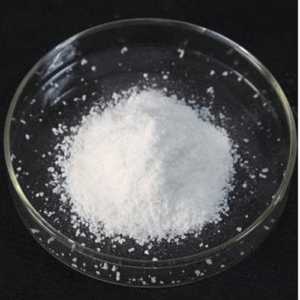
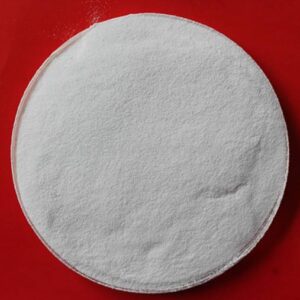
Barium Carbonate, with chemical formula BaCO₃ and CAS number 513-77-9, commonly known as Witherite, Precipitated Barium Carbonate, or Industrial Barium Carbonate, available in various grades including technical grade (99.0-99.5% BaCO₃), electronic grade (99.5-99.7% BaCO₃), and ceramic grade (99.2-99.6% BaCO₃), is a white crystalline powder with exceptional thermal stability and outstanding chemical purity appearing as fine white powder with excellent particle size distribution and superior processing characteristics. Barium Carbonate is specifically manufactured to provide reliable flux properties, thermal decomposition characteristics, and chemical reactivity, making it ideal for applications requiring effective glass formation, ceramic processing, electronic component manufacturing, and specialty chemical synthesis in glass manufacturing, ceramic production, electronics industries, and chemical processing applications. The compound works through several mechanisms including flux action for glass formation, thermal decomposition for barium oxide generation, chemical reactivity for specialty synthesis, and physical properties for processing enhancement, providing superior glass quality, enhanced ceramic properties, reliable electronic performance, and outstanding chemical processing results. Barium Carbonate represents one of the most important industrial chemicals for specialty applications across multiple industries, providing exceptional purity levels, superior thermal stability, excellent processing characteristics, and outstanding chemical compatibility, making it essential for glass manufacturers, ceramic producers, electronics companies, and specialty chemical facilities requiring high-performance chemical solutions and reliable technical support.
At Chemicals & Process Equipment Limited, we supply high-performance Barium Carbonate manufactured under stringent quality control standards and international industrial, electronic, ceramic, and specialty application specifications. Our comprehensive product range includes various purity levels, particle sizes, and specialized grades meeting diverse requirements for glass manufacturing, ceramic production, electronics applications, and specialty chemical processing across global glass, ceramic, electronics, and industrial markets.
✅ Advanced Chemical Technology – Optimized Purity Levels & Multi-Industry Applications
✅ Consistent Quality Standards – Multiple Product Classifications with Comprehensive Documentation
✅ Essential Industrial Chemical – Superior Glass, Ceramic, Electronics & Chemical Performance
✅ Multi-Industry Applications – Glass Manufacturing, Ceramics, Electronics, Chemical Processing
✅ Technical Support Package – Complete Application Guidance & Performance Optimization
The global barium carbonate market was valued at approximately USD 320 million in 2023 and is projected to reach USD 425 million by 2030, growing at a CAGR of 4.1% during the forecast period. Market expansion is driven by increasing glass production, growing ceramic manufacturing, expanding electronics applications, and rising demand for specialty chemicals in industrial processing applications.
Technical Specifications & Barium Carbonate Properties
| Property | Technical Grade | Electronic Grade | Ceramic Grade | Glass Grade | Paint Grade | High Purity Grade |
|---|---|---|---|---|---|---|
| BaCO₃ Content (%) | 99.0-99.5 | 99.5-99.7 | 99.2-99.6 | 99.3-99.6 | 98.5-99.2 | 99.5-99.8 |
| Barium (Ba) Content (%) | 69.5-69.8 | 69.7-69.9 | 69.6-69.8 | 69.6-69.8 | 69.2-69.6 | 69.7-69.9 |
| Loss on Ignition (%) | 0.2-0.5 | 0.1-0.3 | 0.2-0.4 | 0.2-0.4 | 0.3-0.6 | 0.1-0.3 |
| Water Soluble (%) | <0.3 | <0.2 | <0.25 | <0.25 | <0.4 | <0.2 |
| Acid Insoluble (%) | <0.1 | <0.05 | <0.08 | <0.08 | <0.15 | <0.05 |
| pH (10% slurry) | 8.5-9.5 | 8.8-9.2 | 8.6-9.4 | 8.6-9.4 | 8.4-9.6 | 8.8-9.2 |
| Bulk Density (kg/m³) | 1400-1600 | 1450-1550 | 1420-1580 | 1420-1580 | 1350-1550 | 1450-1550 |
| True Density (g/cm³) | 4.29 | 4.29 | 4.29 | 4.29 | 4.29 | 4.29 |
| Average Particle Size (μm) | 2-8 | 1-5 | 3-10 | 2-8 | 5-15 | 1-5 |
| Particle Size D₅₀ (μm) | 4.5 | 2.8 | 6.2 | 4.8 | 8.5 | 2.5 |
| Particle Size D₉₀ (μm) | 12 | 8 | 18 | 14 | 25 | 7 |
| Surface Area (m²/g) | 3-8 | 5-12 | 2-6 | 3-8 | 1-4 | 8-15 |
| Oil Absorption (g/100g) | 15-25 | 20-30 | 12-22 | 15-25 | 10-20 | 25-35 |
| Whiteness Index | 94-96 | 95-97 | 93-96 | 94-96 | 92-95 | 96-98 |
| Brightness (%) | 92-95 | 94-96 | 91-94 | 92-95 | 90-93 | 95-97 |
| Melting Point (°C) | 1360 | 1360 | 1360 | 1360 | 1360 | 1360 |
| Decomposition Temp (°C) | 1300-1450 | 1300-1450 | 1300-1450 | 1300-1450 | 1300-1450 | 1300-1450 |
| Specific Heat (J/g·K) | 0.43 | 0.43 | 0.43 | 0.43 | 0.43 | 0.43 |
| Thermal Conductivity (W/m·K) | 1.2 | 1.2 | 1.2 | 1.2 | 1.2 | 1.2 |
| Hardness (Mohs) | 3-3.5 | 3-3.5 | 3-3.5 | 3-3.5 | 3-3.5 | 3-3.5 |
| Refractive Index | 1.676 | 1.676 | 1.676 | 1.676 | 1.676 | 1.676 |
| Solubility in Water (mg/L) | 24 @ 25°C | 24 @ 25°C | 24 @ 25°C | 24 @ 25°C | 24 @ 25°C | 24 @ 25°C |
| Solubility in HCl | Complete | Complete | Complete | Complete | Complete | Complete |
| Crystal System | Orthorhombic | Orthorhombic | Orthorhombic | Orthorhombic | Orthorhombic | Orthorhombic |
| Color | White | Pure White | Off-White | White | Gray-White | Pure White |
| Appearance | Fine Powder | Ultra-Fine | Fine Powder | Fine Powder | Powder | Ultra-Fine |
| Odor | Odorless | Odorless | Odorless | Odorless | Odorless | Odorless |
| Stability | Stable | Stable | Stable | Stable | Stable | Stable |
| Hygroscopicity | Non-hygroscopic | Non-hygroscopic | Non-hygroscopic | Non-hygroscopic | Non-hygroscopic | Non-hygroscopic |
| Calcium (Ca) (ppm) | <500 | <200 | <400 | <300 | <800 | <150 |
| Strontium (Sr) (ppm) | <2000 | <1000 | <1500 | <1200 | <3000 | <800 |
| Sodium (Na) (ppm) | <1000 | <500 | <800 | <600 | <1500 | <400 |
| Potassium (K) (ppm) | <500 | <200 | <400 | <300 | <800 | <150 |
| Iron (Fe) (ppm) | <50 | <20 | <40 | <30 | <100 | <15 |
| Aluminum (Al) (ppm) | <100 | <50 | <80 | <60 | <150 | <40 |
| Magnesium (Mg) (ppm) | <200 | <100 | <150 | <120 | <300 | <80 |
| Silicon (Si) (ppm) | <300 | <150 | <250 | <200 | <500 | <100 |
| Sulfate (SO₄²⁻) (%) | <0.3 | <0.15 | <0.25 | <0.2 | <0.5 | <0.1 |
| Chloride (Cl⁻) (ppm) | <200 | <100 | <150 | <120 | <300 | <80 |
| Heavy Metals (as Pb) (ppm) | <20 | <10 | <15 | <12 | <30 | <8 |
| Lead (Pb) (ppm) | <10 | <5 | <8 | <6 | <15 | <4 |
| Arsenic (As) (ppm) | <5 | <2 | <4 | <3 | <8 | <1.5 |
| Mercury (Hg) (ppm) | <1 | <0.5 | <0.8 | <0.6 | <1.5 | <0.3 |
| Cadmium (Cd) (ppm) | <2 | <1 | <1.5 | <1.2 | <3 | <0.8 |
| Chromium (Cr) (ppm) | <10 | <5 | <8 | <6 | <15 | <4 |
| Copper (Cu) (ppm) | <10 | <5 | <8 | <6 | <15 | <4 |
| Zinc (Zn) (ppm) | <20 | <10 | <15 | <12 | <30 | <8 |
| Nickel (Ni) (ppm) | <10 | <5 | <8 | <6 | <15 | <4 |
| Manganese (Mn) (ppm) | <20 | <10 | <15 | <12 | <30 | <8 |
| Titanium (Ti) (ppm) | <50 | <25 | <40 | <30 | <80 | <20 |
| Organic Carbon (%) | <0.1 | <0.05 | <0.08 | <0.06 | <0.15 | <0.03 |
| Volatile Matter (%) | <0.2 | <0.1 | <0.15 | <0.12 | <0.3 | <0.08 |
| Residue on 325 Mesh (%) | <0.5 | <0.2 | <0.4 | <0.3 | <1.0 | <0.15 |
| Residue on 200 Mesh (%) | <2.0 | <1.0 | <1.5 | <1.2 | <3.0 | <0.8 |
| 325 Mesh Passing (%) | >99.5 | >99.8 | >99.6 | >99.7 | >99.0 | >99.85 |
| Sieve Analysis +45μm (%) | <5 | <2 | <8 | <5 | <15 | <1 |
| Sieve Analysis -10μm (%) | >70 | >85 | >60 | >70 | >40 | >90 |
| Sieve Analysis -5μm (%) | >50 | >70 | >40 | >50 | >25 | >75 |
| Dispersibility | Excellent | Outstanding | Very Good | Excellent | Good | Outstanding |
| Chemical Reactivity | High | High | High | High | High | High |
| Thermal Stability | Excellent | Excellent | Excellent | Excellent | Excellent | Excellent |
| UV Resistance | Excellent | Excellent | Excellent | Excellent | Excellent | Excellent |
| Weather Resistance | Good | Good | Good | Good | Good | Good |
| Moisture Content (%) | <0.5 | <0.3 | <0.4 | <0.35 | <0.8 | <0.2 |
| Storage Temperature (°C) | 5 to 40 | 10 to 35 | 5 to 40 | 5 to 40 | 0 to 45 | 10 to 35 |
| Storage Humidity (%) | <80 | <70 | <75 | <75 | <85 | <65 |
| Packaging | Bags/Drums | Bags/Boxes | Bags/Drums | Bags/Drums | Bags/Bulk | Bags/Drums |
| Shelf Life (months) | 36 | 24 | 30 | 30 | 48 | 24 |
| Container Material | HDPE/PP | HDPE/Paper | HDPE/PP | HDPE/PP | HDPE/Steel | HDPE/Paper |
| Transport Class | 6.1 | 6.1 | 6.1 | 6.1 | 6.1 | 6.1 |
| UN Number | UN1564 | UN1564 | UN1564 | UN1564 | UN1564 | UN1564 |
| Hazard Label | Toxic | Toxic | Toxic | Toxic | Toxic | Toxic |
| Application Temperature (°C) | 20 to 1400 | 20 to 1400 | 20 to 1400 | 20 to 1400 | 20 to 1400 | 20 to 1400 |
| Processing Temperature (°C) | 1200-1450 | 1200-1450 | 1200-1450 | 1200-1450 | 1200-1450 | 1200-1450 |
| Effective Dosage (%) | 0.5-15 | 0.1-5 | 2-20 | 1-10 | 5-25 | 0.1-8 |
| Working Concentration (%) | 1-20 | 0.5-10 | 5-30 | 2-15 | 10-40 | 0.5-12 |
| Processing Time (hours) | 2-24 | 1-12 | 4-48 | 2-24 | 1-8 | 1-16 |
| Firing Temperature (°C) | 1000-1400 | 1100-1350 | 900-1450 | 1050-1400 | N/A | 1100-1350 |
| Sintering Temperature (°C) | 1200-1400 | 1250-1350 | 1150-1450 | 1200-1400 | N/A | 1250-1350 |
| Glass Transition (°C) | 550-650 | 550-650 | 550-650 | 550-650 | N/A | 550-650 |
| Softening Point (°C) | 600-700 | 600-700 | 600-700 | 600-700 | N/A | 600-700 |
| Workability Time (min) | 30-180 | 20-120 | 45-240 | 30-180 | 15-60 | 20-120 |
| Curing Time (hours) | 4-72 | 2-48 | 8-96 | 4-72 | 1-24 | 2-48 |
| Dielectric Constant | 8.5 | 8.5 | 8.5 | 8.5 | N/A | 8.5 |
| Dielectric Strength (kV/mm) | 12-18 | 15-20 | 10-16 | 12-18 | N/A | 18-25 |
| Volume Resistivity (Ω·cm) | 10¹² | 10¹³ | 10¹¹ | 10¹² | N/A | 10¹⁴ |
| Temperature Coefficient (ppm/°C) | +200 | +180 | +220 | +200 | N/A | +150 |
| Quality Factor Q | 1000-5000 | 2000-8000 | 500-3000 | 1000-5000 | N/A | 5000-12000 |
| Environmental Compliance | REACH/RoHS | REACH/RoHS | REACH/RoHS | REACH/RoHS | REACH | REACH/RoHS |
| Food Contact Approval | No | No | No | No | No | No |
| Pharmaceutical Use | No | No | No | No | No | No |
| Regulatory Status | Industrial Use | Electronics | Ceramics | Glass | Coatings | High-Tech |
| Certification Available | Yes | Yes | Yes | Yes | Yes | Yes |
| Technical Support | Standard | Enhanced | Standard | Standard | Basic | Premium |
| Application Training | Yes | Yes | Yes | Yes | Limited | Yes |
| Safety Training | Required | Critical | Required | Required | Standard | Critical |
| Performance Testing | Available | Required | Recommended | Available | Optional | Required |
| Cost per Ton | Medium | High | Medium | Medium | Low | Very High |
| Bulk Pricing | Available | Limited | Available | Available | Available | Premium |
| Contract Terms | Standard | Specialized | Standard | Standard | Flexible | Specialized |
| Supply Reliability | Very Good | Good | Very Good | Very Good | Excellent | Good |
| Global Availability | Worldwide | Regional | Worldwide | Worldwide | Worldwide | Limited |
Available Product Types:
- Technical Grade Barium Carbonate for general industrial applications
- Electronic Grade for capacitor and electronic component manufacturing
- Ceramic Grade for ceramic and porcelain production
- Glass Grade for optical and specialty glass manufacturing
- Paint Grade for coating and pigment applications
- High Purity Grade for advanced electronic and optical applications
- Ultra-Fine Powder for specialized processing requirements
- Precipitated Grade for controlled particle size applications
- Natural Grade derived from witherite mineral processing
- Custom Grades for specific application requirements
- Coated Grades for improved handling and processing
- Pharmaceutical Intermediate Grade for chemical synthesis
Specialized Application Solutions:
- Glass formulation consulting and optical property optimization
- Ceramic body and glaze development for porcelain applications
- Electronic component design and dielectric property enhancement
- Paint and coating formulation for improved properties
- Chemical synthesis process optimization and reaction control
- Quality control systems and analytical testing protocols
- Environmental compliance and safety management programs
- Custom particle size distribution and surface treatment
- Thermal processing optimization and firing schedule development
- Equipment selection and material handling system design
- Technical training and application development programs
- Performance monitoring and product quality assurance services
Glass Manufacturing Applications
Optical Glass Production Glass manufacturers utilize Barium Carbonate for optical glass formulation, refractive index control, and optical clarity requiring optical grade specifications. Glass technologists employ barium carbonate for crown glass production, optical element manufacturing applications requiring precise optical properties, minimal internal stress, and exceptional clarity in precision optical components with controlled thermal expansion characteristics.
Television and CRT Glass Electronics glass producers use Barium Carbonate for cathode ray tube manufacturing, radiation shielding, and display applications requiring CRT grade specifications. Glass engineers employ barium carbonate for lead-free glass formulations, environmental compliance applications requiring radiation absorption, thermal stability, and regulatory compliance in electronic display manufacturing.
Specialty Glass Manufacturing Industrial glass facilities utilize Barium Carbonate for specialty glass production, chemical resistance, and thermal properties requiring specialty grade specifications. Glass chemists employ barium carbonate for laboratory glassware, chemical apparatus applications requiring chemical inertness, thermal shock resistance, and dimensional stability in demanding chemical processing environments.
Crystal Glass Production Crystal glass manufacturers use Barium Carbonate for brilliance enhancement, clarity improvement, and optical properties requiring crystal grade specifications. Crystal artisans employ barium carbonate for decorative crystal, artistic glassware applications requiring exceptional brilliance, light transmission, and aesthetic appeal in luxury glass products. For comprehensive information about barium carbonate industrial applications, glass manufacturing processes, and ceramic production uses, visit the CheMondis Industrial Manufacturing Guide which provides detailed guidance on barium carbonate properties, applications, and manufacturing best practices for industrial operations.
Ceramic Manufacturing Applications
Fine China and Porcelain Ceramic manufacturers utilize Barium Carbonate for porcelain body formulation, thermal expansion control, and firing characteristics requiring porcelain grade specifications. Ceramic engineers employ barium carbonate for high-temperature ceramics, thermal shock resistance applications requiring dimensional stability, mechanical strength, and aesthetic quality in fine ceramic products.
Technical Ceramics Advanced ceramic producers use Barium Carbonate for electronic ceramics, dielectric applications, and functional properties requiring technical grade specifications. Ceramic technologists employ barium carbonate for capacitor ceramics, insulator manufacturing applications requiring specific dielectric constants, electrical properties, and thermal stability in electronic components.
Ceramic Glazes and Enamels Ceramic glaze manufacturers utilize Barium Carbonate for glaze formulation, surface properties, and thermal expansion matching requiring glaze grade specifications. Glaze chemists employ barium carbonate for matte finishes, texture development applications requiring controlled surface characteristics, chemical resistance, and aesthetic appeal in decorative ceramic applications.
Refractory Ceramics Refractory producers use Barium Carbonate for high-temperature applications, thermal stability, and chemical resistance requiring refractory grade specifications. Refractory engineers employ barium carbonate for furnace lining, kiln furniture applications requiring extreme temperature resistance, thermal cycling, and chemical attack resistance in industrial high-temperature environments.
Electronics Applications
Ceramic Capacitors Electronic component manufacturers utilize Barium Carbonate for dielectric ceramic production, capacitor manufacturing, and electronic properties requiring electronic grade specifications. Electronics engineers employ barium carbonate for multilayer ceramic capacitors, high-voltage applications requiring specific dielectric constants, temperature stability, and electrical performance in electronic circuits.
Ferrite Production Magnetic material producers use Barium Carbonate for ferrite manufacturing, magnetic properties, and electronic applications requiring ferrite grade specifications. Materials scientists employ barium carbonate for permanent magnets, transformer cores applications requiring magnetic permeability, coercivity, and thermal stability in electromagnetic devices.
Electronic Substrates Substrate manufacturers utilize Barium Carbonate for ceramic substrate production, thermal management, and electrical insulation requiring substrate grade specifications. Electronic packaging engineers employ barium carbonate for integrated circuit packaging, thermal interface applications requiring thermal conductivity, electrical insulation, and dimensional stability in electronic assemblies.
Semiconductor Applications Semiconductor facilities use Barium Carbonate for specialized processing, thin film applications, and electronic material synthesis requiring semiconductor grade specifications. Semiconductor engineers employ barium carbonate for chemical vapor deposition, sputtering target applications requiring ultra-high purity, controlled stoichiometry, and contamination-free processing in semiconductor manufacturing.
Paint and Coating Applications
Automotive Coatings Automotive paint manufacturers utilize Barium Carbonate for primer formulation, corrosion protection, and surface preparation requiring automotive grade specifications. Coating chemists employ barium carbonate for anti-corrosion coatings, primer systems applications requiring substrate adhesion, corrosion resistance, and paint system compatibility in automotive finishing operations.
Industrial Coatings Industrial coating producers use Barium Carbonate for protective coatings, chemical resistance, and durability requiring industrial grade specifications. Coating technologists employ barium carbonate for marine coatings, chemical plant applications requiring environmental resistance, mechanical properties, and long-term performance in aggressive industrial environments.
Powder Coatings Powder coating manufacturers utilize Barium Carbonate for flow control, surface properties, and application characteristics requiring powder coating grade specifications. Powder coating formulators employ barium carbonate for texture control, surface smoothness applications requiring consistent application, curing properties, and final surface quality in powder coating systems.
Architectural Coatings Building coating producers use Barium Carbonate for exterior paints, weather resistance, and durability requiring architectural grade specifications. Paint formulators employ barium carbonate for high-performance coatings, building protection applications requiring UV resistance, weatherability, and long-term color retention in architectural coating systems.
Chemical Processing Applications
Chemical Synthesis Chemical manufacturers utilize Barium Carbonate for barium compound synthesis, precipitation reactions, and chemical processing requiring chemical grade specifications. Process chemists employ barium carbonate for barium sulfate production, specialty chemical manufacturing applications requiring controlled reaction conditions, product purity, and process efficiency in chemical synthesis operations.
Catalyst Applications Catalyst manufacturers use Barium Carbonate for catalyst preparation, support materials, and chemical processing requiring catalyst grade specifications. Chemical engineers employ barium carbonate for heterogeneous catalysis, petrochemical processing applications requiring catalytic activity, thermal stability, and regeneration capability in industrial chemical processes.
Water Treatment Water treatment facilities utilize Barium Carbonate for specialized precipitation, heavy metal removal, and water purification requiring water treatment grade specifications. Environmental engineers employ barium carbonate for selective precipitation, industrial wastewater applications requiring contaminant removal, regulatory compliance, and environmental protection in water treatment systems.
Analytical Chemistry Analytical laboratories use Barium Carbonate for chemical analysis, standard preparation, and analytical procedures requiring analytical grade specifications. Analytical chemists employ barium carbonate for gravimetric analysis, standard solutions applications requiring known composition, analytical accuracy, and reliable results in chemical analysis and quality control procedures.
Quality Control & Testing Procedures
Comprehensive Quality Assurance Every production batch undergoes extensive testing to ensure compliance with barium carbonate standards, industrial requirements, electronic specifications, and international quality standards. Our quality control laboratory employs advanced analytical techniques including X-ray fluorescence spectroscopy, atomic absorption spectroscopy, and comprehensive chemical evaluation.
Quality assurance procedures include:
- Barium content determination using EDTA complexometric titration
- Carbonate content analysis using acid decomposition methods
- Purity assessment using gravimetric and volumetric analysis
- Particle size distribution analysis using laser diffraction
- Surface area measurement using BET nitrogen adsorption
- Moisture content determination using Karl Fischer titration
- pH measurement using calibrated electrodes and standard buffers
- Heavy metals analysis using ICP-MS and atomic absorption spectroscopy
- Water soluble content determination using standard extraction
- Acid insoluble matter analysis using acid digestion methods
- Loss on ignition testing using controlled heating protocols
- Thermal analysis using DSC and TGA methods
- X-ray diffraction analysis for crystalline structure verification
- Optical property testing using spectrophotometry
- Whiteness and brightness measurement using standard protocols
- Chemical reactivity assessment using standardized procedures
- Thermal stability testing using controlled atmosphere furnaces
- Electrical property measurement using dielectric testing
- Environmental compliance verification using standard methods
- Quality system compliance using ISO standards
- Performance testing using application-specific protocols
- Customer application support using pilot testing
- Technical consultation using expert evaluation
- Continuous improvement using statistical process control
Storage & Handling Procedures Implement proper storage conditions including moisture protection, temperature control, protection from contamination, proper ventilation, and comprehensive safety procedures for maintaining Barium Carbonate quality and ensuring safe handling throughout storage and application periods while following all safety regulations for toxic materials.
Market Applications & Industry Trends
Glass Industry Growth Growing global glass production, increasing optical applications, expanding automotive glass demand, and rising specialty glass requirements drive continued demand for barium carbonate in glass manufacturing applications requiring optical clarity, thermal properties, and specialized performance characteristics.
Electronics Sector Expansion Expanding electronics manufacturing, increasing ceramic capacitor production, growing semiconductor applications, and advancing electronic materials drive adoption of barium carbonate for electronic applications requiring precise dielectric properties, thermal stability, and electrical performance.
Ceramic Industry Development Advancing ceramic technology, increasing fine ceramics production, expanding technical ceramic applications, and growing architectural ceramics drive development of barium carbonate applications requiring thermal properties, mechanical strength, and aesthetic characteristics.
Specialty Chemical Growth Growing specialty chemical manufacturing, increasing chemical synthesis applications, expanding catalyst production, and advancing materials science drive adoption of barium carbonate for chemical processing requiring controlled reactivity, purity, and process efficiency.
Environmental & Regulatory Compliance
Health and Safety Management Barium Carbonate requires strict safety protocols including personal protective equipment, exposure monitoring, and medical surveillance ensuring worker protection with consideration for toxicity risks and established safety procedures from handling and processing operations.
Transportation Safety Standards Compliance with DOT regulations, international shipping requirements, and hazardous material guidelines ensures safe transportation and handling in industrial operations with established safety protocols and emergency response procedures for toxic material management.
Environmental Protection Standards Adherence to environmental regulations, emission controls, and waste management requirements ensures responsible use in manufacturing applications with established environmental protection measures and minimal ecological impact from production and processing operations.
Workplace Safety Regulations Compliance with OSHA standards, industrial hygiene requirements, and safety management systems ensures safe workplace conditions with established safety protocols, exposure limits, and comprehensive safety training for personnel handling toxic materials.
Performance Advantages & Technical Benefits
✔ Exceptional Thermal Stability – Superior high-temperature performance with reliable thermal properties
✔ Outstanding Chemical Purity – High purity levels ensuring consistent performance and quality
✔ Excellent Optical Properties – Superior clarity and refractive index control for optical applications
✔ Superior Dielectric Properties – Excellent electrical characteristics for electronic applications
✔ Fine Particle Size – Uniform distribution and excellent processing characteristics
✔ Chemical Reactivity – Controlled reactivity for specialized synthesis applications
✔ Thermal Decomposition – Predictable thermal behavior for processing optimization
✔ Low Solubility – Chemical stability and controlled release characteristics
✔ Quality Consistency – Reliable chemical composition and performance across batches
✔ Technical Support – Complete application guidance and process optimization services
✔ Regulatory Compliance – Industry compliant formulations and safety documentation
✔ Global Availability – Reliable supply chains and worldwide distribution network
✔ Storage Stability – Extended shelf life with minimal performance degradation
✔ Processing Compatibility – Suitable for various manufacturing and application systems
✔ Safety Protocols – Well-established handling procedures and comprehensive safety guidelines
Our Barium Carbonate products represent industry-leading standards in industrial chemical technology and specialty applications, specifically manufactured for demanding glass manufacturing operations, ceramic production processes, electronics manufacturing systems, and advanced chemical processing applications requiring exceptional chemical purity, reliable thermal properties, and comprehensive process optimization. We provide complete technical support, application guidance, and performance consultation to ensure optimal results across your specialized glass, ceramic, electronics, or chemical processing applications.
For detailed specifications, technical data sheets, or application-specific recommendations, contact our specialized chemicals division. We offer complete support including product selection, formulation optimization, process design, performance monitoring, regulatory guidance, and technical assistance to maximize effectiveness in your glass manufacturing, ceramic production, electronics, or chemical processing applications.
For more information about our products, feel free to Contact Us today.
Related products
Reviews
There are no reviews yet.