
TOLYTRIAZOLE
In Stock
Highlights:
Tolytriazole (TTA)
Premium Quality Tolytriazole (4-Methyl-1H-benzotriazole, CAS 29385-43-1) – High-Performance Corrosion Inhibitor & Versatile Metal Protection Agent for Cooling Water Systems, Metalworking Fluids, Antifreeze Products, Lubricants, Runway Deicers & Industrial Applications
✅ Superior Corrosion Protection – Benzotriazole Chemistry with Excellent Copper Protection Performance
✅ Multiple Grade Options – Industrial, Cooling Water, Metalworking, and Specialty Grades Available
✅ Excellent Functional Properties – Thermal Stability, UV Resistance, Multi-Metal Protection
✅ Multi-Industry Compatible – Enhanced Cooling Water, Metalworking, Automotive & Industrial Applications
✅ High-Performance Additive – Advanced Chemistry Supporting Critical Metal Protection Applications
Description
High-Quality Tolytriazole
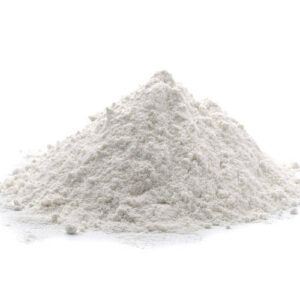
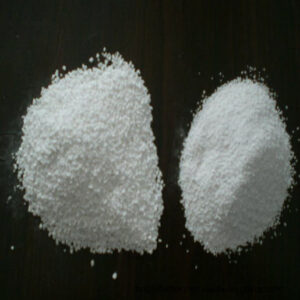
Tolytriazole (TTA), chemically designated as 4-methyl-1H-benzotriazole with CAS number 29385-43-1, molecular formula C₇H₇N₃, and molecular weight 133.15 g/mol, is a white crystalline powder or granular material that represents one of the most effective corrosion inhibitors for copper and copper alloy components. This advanced benzotriazole derivative is produced as a mixture of isomers, primarily 4-methyl-benzotriazole and 5-methyl-benzotriazole, providing enhanced corrosion protection through formation of protective thin films on metal surfaces. With melting point range 80-84°C and excellent solubility characteristics in both aqueous and organic systems, tolytriazole demonstrates outstanding thermal stability up to 200°C, exceptional oxidative stability, and remarkable UV light resistance properties. The compound functions by adsorbing onto copper surfaces to form uniform protective membranes that effectively shield copper and copper alloys from corrosion caused by atmospheric conditions, water exposure, and various chemical environments, making it essential for power plant cooling systems, industrial water treatment, metalworking operations, automotive applications, and specialized industrial processes requiring reliable metal protection and proven long-term performance.
At Chemicals & Process Equipment Limited, we supply high-performance Tolytriazole manufactured under stringent quality control standards and international industrial specifications. Our comprehensive product range includes various purity grades, particle sizes, and specialized formulations meeting diverse requirements for cooling water treatment, metalworking fluid formulation, automotive antifreeze production, and industrial applications across global water treatment, metalworking, automotive, and specialty chemical markets.
✅ Advanced Corrosion Inhibition Technology – Optimized Chemistry & Multi-Application Performance
✅ Consistent Quality Standards – Multiple Grade Classifications with Comprehensive Documentation
✅ Essential Metal Protection Agent – Superior Cooling Water, Metalworking & Industrial Performance
✅ Multi-Industry Applications – Cooling Systems, Metalworking, Automotive, Lubricant & Specialty Systems
✅ Technical Support Package – Complete Application Guidance & Performance Optimization
The global corrosion inhibitor market was valued at approximately USD 8.9 billion in 2023 and is projected to reach USD 12.1 billion by 2030, growing at a CAGR of 4.4% during the forecast period. Market expansion is driven by increasing industrial infrastructure development, growing power generation capacity, expanding metalworking operations, rising automotive production, and industrial applications requiring advanced corrosion protection technology.
Technical Specifications & Tolytriazole Properties
| Property | Industrial Grade | Cooling Water Grade | Metalworking Grade | Automotive Grade | Specialty Grade | Research Grade |
|---|---|---|---|---|---|---|
| Purity (%) | ≥98.0 | ≥99.0 | ≥98.5 | ≥99.0 | ≥99.5 | ≥99.8 |
| Active Content (%) | ≥97.0 | ≥98.5 | ≥97.5 | ≥98.5 | ≥99.0 | ≥99.5 |
| Melting Point (°C) | 80-84 | 81-83 | 80-84 | 81-83 | 82-84 | 82-83 |
| Water Content (%) | ≤0.5 | ≤0.3 | ≤0.4 | ≤0.3 | ≤0.2 | ≤0.1 |
| Ash Content (%) | ≤0.2 | ≤0.1 | ≤0.15 | ≤0.1 | ≤0.05 | ≤0.02 |
| Iron (as Fe) (ppm) | ≤20 | ≤10 | ≤15 | ≤10 | ≤5 | ≤2 |
| Copper (as Cu) (ppm) | ≤10 | ≤5 | ≤8 | ≤5 | ≤3 | ≤1 |
| Chloride (as Cl) (ppm) | ≤50 | ≤20 | ≤30 | ≤20 | ≤10 | ≤5 |
| Sulphate (as SO₄) (ppm) | ≤100 | ≤50 | ≤75 | ≤50 | ≤25 | ≤10 |
| pH (1% aqueous solution) | 5.0-7.0 | 5.5-6.5 | 5.0-7.0 | 5.5-6.5 | 5.8-6.2 | 6.0-6.5 |
| Solubility (water, 25°C) (g/L) | 1.8-2.2 | 1.9-2.1 | 1.8-2.2 | 1.9-2.1 | 2.0-2.2 | 2.0-2.1 |
| Solubility (ethanol, 25°C) (g/L) | 80-120 | 90-110 | 80-120 | 90-110 | 95-115 | 100-110 |
| Particle Size (mesh) | 80-200 | 100-200 | 80-200 | 100-200 | 200-325 | 200-400 |
| Bulk Density (g/cm³) | 0.50-0.65 | 0.55-0.65 | 0.50-0.65 | 0.55-0.65 | 0.58-0.68 | 0.60-0.70 |
| Thermal Stability (°C) | Up to 200 | Up to 180 | Up to 200 | Up to 180 | Up to 220 | Up to 200 |
| UV Resistance | Excellent | Excellent | Excellent | Excellent | Excellent | Excellent |
| Oxidative Stability | Excellent | Excellent | Excellent | Excellent | Excellent | Excellent |
| Chemical Compatibility | Excellent | Excellent | Good | Excellent | Excellent | Excellent |
| Corrosion Inhibition Efficiency (%) | >95 | >98 | >95 | >98 | >99 | >99 |
| Minimum Effective Concentration (ppm) | 5-20 | 2-10 | 10-50 | 2-10 | 1-5 | 1-3 |
| Maximum Operating Temperature (°C) | 150 | 120 | 200 | 100 | 180 | 150 |
| Film Formation Time (hours) | 2-6 | 1-4 | 4-8 | 1-4 | 0.5-2 | 1-3 |
| Passivation Layer Thickness (nm) | 5-15 | 3-10 | 8-20 | 3-10 | 2-8 | 3-8 |
| Contact Angle (copper surface) (°) | 70-85 | 75-85 | 65-80 | 75-85 | 80-90 | 80-88 |
| Adsorption Energy (kJ/mol) | 35-45 | 40-50 | 30-40 | 40-50 | 45-55 | 48-52 |
| Desorption Temperature (°C) | 180-220 | 200-240 | 160-200 | 200-240 | 220-260 | 230-250 |
| Electrochemical Potential Shift (mV) | +100 to +200 | +150 to +250 | +80 to +180 | +150 to +250 | +200 to +300 | +220 to +280 |
| Inhibitor Efficiency Index | 8.5-9.2 | 9.0-9.5 | 8.2-9.0 | 9.0-9.5 | 9.3-9.8 | 9.5-9.8 |
| Synergistic Factor (with BTA) | 1.5-2.5 | 2.0-3.0 | 1.2-2.0 | 2.0-3.0 | 2.5-3.5 | 3.0-3.8 |
| Molecular Coverage (molecules/cm²) | 10¹⁴-10¹⁵ | 10¹⁵-10¹⁶ | 10¹⁴-10¹⁵ | 10¹⁵-10¹⁶ | 10¹⁶-10¹⁷ | 10¹⁶-10¹⁷ |
| Surface Tension Reduction (mN/m) | 5-15 | 8-18 | 3-12 | 8-18 | 10-20 | 12-20 |
| Interfacial Activity | Moderate | Good | Moderate | Good | Excellent | Excellent |
| Bioaccumulation Factor | Low | Low | Low | Low | Very Low | Very Low |
| Environmental Persistence | Moderate | Moderate | Moderate | Moderate | Low | Low |
| Acute Toxicity (mg/L) | >100 | >100 | >100 | >100 | >100 | >100 |
| Biodegradability | Moderate | Moderate | Moderate | Moderate | Good | Good |
| Volatility | Low | Low | Low | Low | Very Low | Very Low |
| Flammability | Non-flammable | Non-flammable | Non-flammable | Non-flammable | Non-flammable | Non-flammable |
| Storage Stability (years) | >5 | >5 | >5 | >5 | >5 | >3 |
| Hygroscopicity | Low | Low | Low | Low | Very Low | Very Low |
| Color | White | White | Off-white | White | White | White |
| Odor | Slight | Odorless | Slight | Odorless | Odorless | Odorless |
| CAS Number | 29385-43-1 | 29385-43-1 | 29385-43-1 | 29385-43-1 | 29385-43-1 | 29385-43-1 |
| EINECS Number | 249-596-6 | 249-596-6 | 249-596-6 | 249-596-6 | 249-596-6 | 249-596-6 |
| HS Code | 29339990 | 29339990 | 29339990 | 29339990 | 29339990 | 29339990 |
| Molecular Formula | C₇H₇N₃ | C₇H₇N₃ | C₇H₇N₃ | C₇H₇N₃ | C₇H₇N₃ | C₇H₇N₃ |
| Molecular Weight (g/mol) | 133.15 | 133.15 | 133.15 | 133.15 | 133.15 | 133.15 |
| Packaging | 25kg bags | 25kg bags | 25kg bags | 25kg drums | 25kg drums | 1kg bottles |
Available Grade Classifications:
- Industrial Grade for general industrial corrosion protection applications
- Cooling Water Grade for power plant and industrial cooling systems
- Metalworking Grade for cutting fluids and machining operations
- Automotive Grade for antifreeze and coolant formulations
- Specialty Grade for high-performance and critical applications
- Research Grade for laboratory and analytical applications
- Electronic Grade for semiconductor and electronics manufacturing
- Marine Grade for seawater and marine environment applications
- Oil Field Grade for petroleum industry applications
- Food Grade for limited food contact applications
- Pharmaceutical Grade for specific pharmaceutical applications
- High Purity Grade for demanding technical applications
Specialized Processing Solutions:
- Particle size optimization for specific applications
- Purity enhancement for critical applications
- Custom blending with other inhibitors for synergistic effects
- Solubility enhancement for improved dispersion
- Quality testing and certification programs
- Application development and dosing optimization
- Technical consultation and system design assistance
- Regulatory compliance and documentation support
Cooling Water System Applications
Power Plant Cooling Systems Power utilities utilize Tolytriazole for cooling tower water treatment, heat exchanger protection, and condenser system maintenance requiring cooling water specifications. Tolyltriazole (TTA) has been widely used as a corrosion inhibitor for copper and copper alloy heat exchanger components in power plant cooling water systems, providing effective copper protection, reduced maintenance costs, and cooling system applications requiring enhanced heat transfer efficiency and equipment longevity.
Industrial Cooling Applications Manufacturing facilities use Tolytriazole for process cooling systems, equipment protection, and industrial water treatment requiring industrial specifications. Industrial companies employ tolytriazole for corrosion prevention, system reliability, and cooling applications requiring operational efficiency and cost-effective maintenance programs.
HVAC System Protection Building system manufacturers utilize Tolytriazole for chiller systems, cooling coils, and HVAC water treatment requiring HVAC specifications. Building management companies employ tolytriazole for system protection, energy efficiency, and HVAC applications requiring long-term reliability and reduced maintenance requirements.
Metalworking Fluid Applications
Cutting Fluid Formulations Metalworking manufacturers utilize Tolytriazole for water-soluble cutting fluids, machining coolants, and metal removal applications requiring metalworking specifications. Tolyltriazole is a corrosion inhibitor for copper and copper alloys commonly used in water cooling systems, metalworking fluids, lubricants, runway deicers, cleaners and brake fluids, providing copper protection, extended fluid life, and metalworking applications requiring superior surface finish and tool life enhancement.
Grinding Fluid Systems Precision grinding manufacturers use Tolytriazole for grinding coolants, surface finishing fluids, and precision machining applications requiring grinding specifications. Tool and die companies employ tolytriazole for workpiece protection, surface quality, and grinding applications requiring dimensional accuracy and surface integrity.
Metal Treatment Solutions Metal finishing manufacturers utilize Tolytriazole for cleaning solutions, pre-treatment baths, and metal preparation applications requiring metal treatment specifications. Surface treatment companies employ tolytriazole for corrosion prevention, surface preparation, and metal applications requiring coating adhesion and durability enhancement.
Automotive Industry Applications
Antifreeze & Coolant Formulations Automotive manufacturers utilize Tolytriazole for engine coolants, radiator fluids, and automotive cooling systems requiring automotive specifications. Tolyltriazole can be also used in coolants or antifreeze products, providing copper radiator protection, extended coolant life, and automotive applications requiring thermal management and engine protection with enhanced performance reliability.
Brake Fluid Additives Automotive fluid manufacturers use Tolytriazole for brake fluid formulations, hydraulic systems, and automotive fluid applications requiring brake fluid specifications. Automotive companies employ tolytriazole for system protection, performance enhancement, and brake applications requiring safety and reliability assurance.
Transmission Fluid Systems Automotive lubricant manufacturers utilize Tolytriazole for transmission fluids, hydraulic oils, and drivetrain applications requiring transmission specifications. Vehicle manufacturers employ tolytriazole for component protection, fluid stability, and transmission applications requiring smooth operation and extended service life.
Lubricant & Oil Applications
Industrial Lubricant Formulations Lubricant manufacturers utilize Tolytriazole for industrial oils, hydraulic fluids, and machinery lubricants requiring lubricant specifications. Industrial companies employ tolytriazole for equipment protection, oxidation resistance, and lubrication applications requiring extended drain intervals and system reliability.
Marine Lubricant Systems Marine lubricant manufacturers use Tolytriazole for ship engine oils, marine hydraulics, and seawater-resistant applications requiring marine specifications. Shipping companies employ tolytriazole for corrosion protection, saltwater resistance, and marine applications requiring harsh environment performance and equipment longevity.
Specialty Grease Applications Specialty lubricant manufacturers utilize Tolytriazole for high-performance greases, bearing lubricants, and specialized applications requiring grease specifications. Equipment manufacturers employ tolytriazole for extended lubrication, corrosion protection, and specialty applications requiring extreme service conditions and reliability.
Specialty Industrial Applications
Runway Deicing Systems Airport operators utilize Tolytriazole for aircraft deicing fluids, runway treatments, and aviation ground support requiring aviation specifications. Aviation service companies employ tolytriazole for equipment protection, fluid performance, and deicing applications requiring aircraft safety and operational reliability.
Electronics Manufacturing Electronics manufacturers use Tolytriazole for PCB cleaning solutions, electronic component treatment, and semiconductor processing requiring electronics specifications. Technology companies employ tolytriazole for copper trace protection, cleaning efficiency, and electronics applications requiring precision and reliability.
Water Treatment Applications Water treatment companies utilize Tolytriazole for industrial water systems, boiler treatments, and facility water management requiring water treatment specifications. Utility companies employ tolytriazole for system protection, water quality, and treatment applications requiring regulatory compliance and operational efficiency.
Quality Control & Testing Procedures
Comprehensive Quality Assurance Every production batch undergoes extensive testing to ensure compliance with industrial standards, cooling water specifications, metalworking requirements, and international quality guidelines. Our quality control laboratory employs advanced analytical techniques including HPLC analysis, melting point determination, and comprehensive corrosion inhibition performance testing.
Quality assurance procedures include:
- Purity determination using high-performance liquid chromatography (HPLC)
- Active content analysis using UV-Vis spectroscopy
- Melting point determination using digital melting point apparatus
- Water content measurement using Karl Fischer titration
- Ash content determination using muffle furnace combustion
- Metal content analysis using atomic absorption spectroscopy
- Iron and copper testing using colorimetric methods
- Chloride determination using ion chromatography
- Sulphate analysis using turbidimetric methods
- pH measurement using calibrated electrode systems
- Solubility testing in water and organic solvents
- Particle size analysis using laser diffraction methods
- Bulk density measurement using standardized procedures
- Thermal stability evaluation using thermogravimetric analysis
- UV resistance testing using accelerated weathering chambers
- Oxidative stability assessment using pressure differential scanning calorimetry
- Chemical compatibility evaluation with various materials
- Corrosion inhibition efficiency testing using electrochemical methods
- Minimum effective concentration determination
- Film formation kinetics analysis using surface analysis techniques
- Passivation layer characterization using X-ray photoelectron spectroscopy
- Contact angle measurement using goniometer systems
- Adsorption energy calculation using thermodynamic analysis
- Electrochemical potential shift measurement using potentiostat
- Synergistic effect evaluation with other inhibitors
- Molecular coverage determination using surface analytical methods
- Surface tension measurement using tensiometer methods
- Bioaccumulation potential assessment using standardized protocols
- Environmental persistence evaluation using biodegradation studies
- Acute toxicity screening using standard test organisms
- Storage stability monitoring using long-term studies
- Color and odor assessment using sensory evaluation
- Heavy metals screening using ICP-MS techniques
- Organic impurities analysis using gas chromatography
- Microbiological testing for specific applications
- Performance verification in actual cooling systems
- Metalworking fluid compatibility testing
- Automotive coolant performance evaluation
- Quality consistency monitoring using statistical process control
Storage & Handling Procedures Implement proper storage conditions including temperature control between 15-30°C, protection from moisture and direct sunlight, appropriate container materials, and dry storage environments for maintaining Tolytriazole quality and preventing degradation throughout storage periods.
For comprehensive information about tolytriazole corrosion inhibition mechanisms, copper protection effectiveness, and industrial applications, you can reference this detailed research on tolyltriazole corrosion protection from Industrial & Engineering Chemistry Research which provides extensive coverage of inhibition mechanisms, performance in various environments, and effectiveness against different corrosive agents.
Market Applications & Industry Trends
Power Generation Industry Growth Expanding power generation capacity, increasing renewable energy infrastructure, and growing industrial cooling demand drive significant growth in tolytriazole consumption for cooling water treatment, heat exchanger protection, and power plant applications requiring reliable corrosion protection technology.
Automotive Market Development Growing automotive production, increasing vehicle complexity, and expanding electric vehicle market support growth in tolytriazole applications for coolant formulations, brake fluids, and automotive fluid systems requiring enhanced copper protection and thermal management.
Metalworking Industry Expansion Developing manufacturing sectors, increasing precision machining demand, and growing industrial automation drive adoption of tolytriazole for metalworking fluids, cutting applications, and metal processing requiring superior corrosion protection and extended fluid life.
Industrial Water Treatment Growth Expanding industrial infrastructure, increasing water recycling requirements, and growing environmental regulations support growth in tolytriazole applications for cooling systems, process water treatment, and industrial water management requiring effective corrosion control and system protection.
Environmental & Regulatory Compliance
Industrial Safety Standards & Certifications Tolytriazole complies with industrial safety regulations, occupational health guidelines, and international chemical standards ensuring safe use in industrial applications with established exposure limits and comprehensive safety data documentation.
Automotive Compliance Standards Adherence to automotive fluid regulations, OEM specifications, and international automotive standards supports safe use in automotive applications with established performance requirements and comprehensive testing protocols.
Water Treatment Compliance Standards Compliance with water treatment regulations, cooling system guidelines, and international water quality standards ensures appropriate use in water treatment applications with established dosing limits and environmental safety assessments.
Environmental Protection Standards Environmental compliance includes discharge regulations, biodegradability assessments, and waste management guidelines ensuring minimal environmental impact through proper handling and disposal practices supporting aquatic life protection and environmental safety.
Performance Advantages & Technical Benefits
✔ Superior Copper Protection – Outstanding effectiveness for copper and copper alloy corrosion inhibition
✔ Excellent Thermal Stability – Outstanding thermic and oxidative stability up to 200°C
✔ UV Light Resistance – Resistant to UV light degradation for outdoor applications
✔ Multi-Metal Compatibility – Effective for copper alloys and corrosion inhibition for black metals
✔ Uniform Film Formation – Forms uniform protective membrane on metal surfaces
✔ Low Dosage Requirements – Effective at minimal concentrations for cost efficiency
✔ Long Service Life – Extended protection intervals reducing maintenance costs
✔ Chemical Compatibility – Compatible with various system chemistries and additives
✔ Clear Solution Formation – Bright color producing clear, almost colorless solutions
✔ Synergistic Effects – Enhanced performance when used together with benzotriazole
✔ Environmental Stability – Stable under normal operating and storage conditions
✔ Quality Consistent – Reliable performance across production batches
✔ Regulatory Compliant – Meets international safety and performance standards
✔ Technical Support – Complete application guidance and system optimization
✔ Cost Effective – Economical protection solution with proven ROI
✔ Innovation Support – Advanced chemistry for next-generation applications
Our Tolytriazole products represent industry-leading standards in corrosion inhibition technology and multi-application performance, specifically selected for demanding cooling water operations, metalworking fluid formulations, automotive applications, and specialized industrial processes requiring exceptional copper protection, thermal stability, and long-term reliability. We provide comprehensive technical support, application guidance, and system design consultation to ensure optimal performance across your specialized cooling water, metalworking, automotive, or industrial protection applications.
For detailed specifications, technical data sheets, or application-specific recommendations, contact our specialized corrosion inhibitor division. We offer complete support including system optimization, performance testing, and technical assistance to maximize effectiveness in your cooling water, metalworking, automotive, or industrial applications.
For more information about our products, feel free to Contact Us today.
Related products
Reviews
There are no reviews yet.